Why Watering Is More Nuanced Than It Looks
Most plant deaths attributed to neglect are actually deaths by kindness - specifically, too much water applied too often. Roots sitting in saturated soil can't access oxygen, which causes them to rot before any visible symptoms appear above the soil line. By the time leaves yellow or wilt, the damage is often already done.
The fix isn't a strict watering schedule. It's learning to read three signals: soil moisture, the plant's natural drought tolerance, and the season you're in. Once those three factors click into place, watering stops feeling like guesswork.
For growers who are also learning about how light affects plant health, it's worth knowing that light intensity directly influences how fast soil dries out - a sun-drenched south-facing sill will need watering far more often than a dim corner.
Lift the Pot to Gauge Moisture
A dry pot feels noticeably lighter than a freshly watered one. After a few weeks of handling your plants, you'll develop an intuitive sense of when they need water just by picking them up. This is especially useful for succulents and small tropical plants in terracotta pots.
Tools and What You'll Need
You don't need much to water well, but a few targeted tools make the process more precise and less messy - especially in containers.
Moisture meter
Gives a precise reading of soil moisture at root depth, removing guesswork - especially useful for larger pots where surface dryness can be misleading.
Narrow-spout watering can
Directs water to the base of the plant at soil level, keeping foliage dry and reducing the risk of fungal issues.
Saucer or drip tray
Catches drainage water beneath potted plants; should be emptied within 30 minutes to prevent roots from sitting in standing water.
Wooden chopstick or skewer
Insert into soil and withdraw - soil sticking to the wood indicates moisture is still present at that depth.
What you will need
Step-by-Step: Building a Reliable Watering Rhythm
Follow these steps to move from reactive watering to a repeatable, plant-aware rhythm that adapts across seasons and plant types.
Test the soil before every watering session
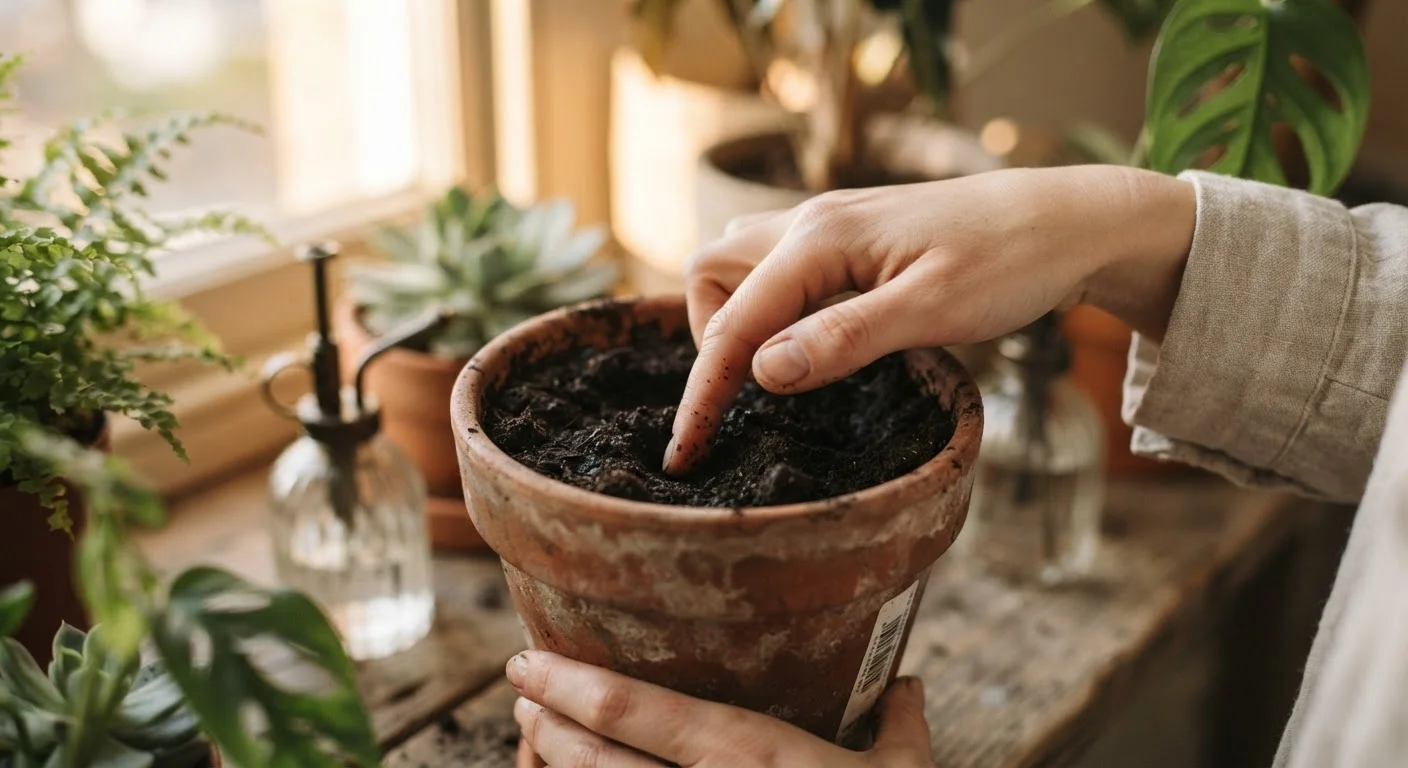
Press your index finger about an inch into the soil - two inches for larger pots. If it feels moist, wait. If it feels dry at that depth, water. For succulents, push deeper and wait until the soil is dry all the way through before watering again.
Water slowly and at the base
Pour water slowly at soil level, moving around the entire pot to saturate evenly. Continue until water flows freely from the drainage hole. This signals that the entire root zone - not just the surface - has been reached.
Drain and discard standing water
After watering, check saucers or drip trays after 20-30 minutes and empty any collected water. Roots left sitting in pooled drainage water are at high risk of rot - this step is as important as the watering itself.
Observe and adjust over the following days
Check soil moisture again after two to three days. Note how long it took to dry out. Over several cycles you'll build a reliable sense of each plant's rhythm under current conditions. Record it loosely - even a note in your phone - so you're not starting from scratch each time.
Reassess frequency as seasons shift
As days shorten and indoor heating drops humidity, most houseplants enter a slower growth phase and need water less often. Shift from checking every two days to every four or five. Resist the urge to maintain a summer watering schedule through fall and winter.
Avoid Watering on a Fixed Calendar
Watering every Tuesday regardless of conditions is one of the most common beginner mistakes. A cloudy, cool week means soil stays wet longer; a hot, sunny stretch dries it out fast. Always check moisture before watering, not just the date.
Adjusting for Plant Type and Season
Once you've established a reading-and-responding habit, the next layer is tailoring it to plant category:
- Succulents and cacti: Allow soil to dry completely between waterings. In winter, many need water only once or twice a month. Err toward underwatering.
- Tropical houseplants (pothos, monstera, peace lily): Keep the top inch of soil moist but never waterlogged. They prefer consistent - not constant - moisture.
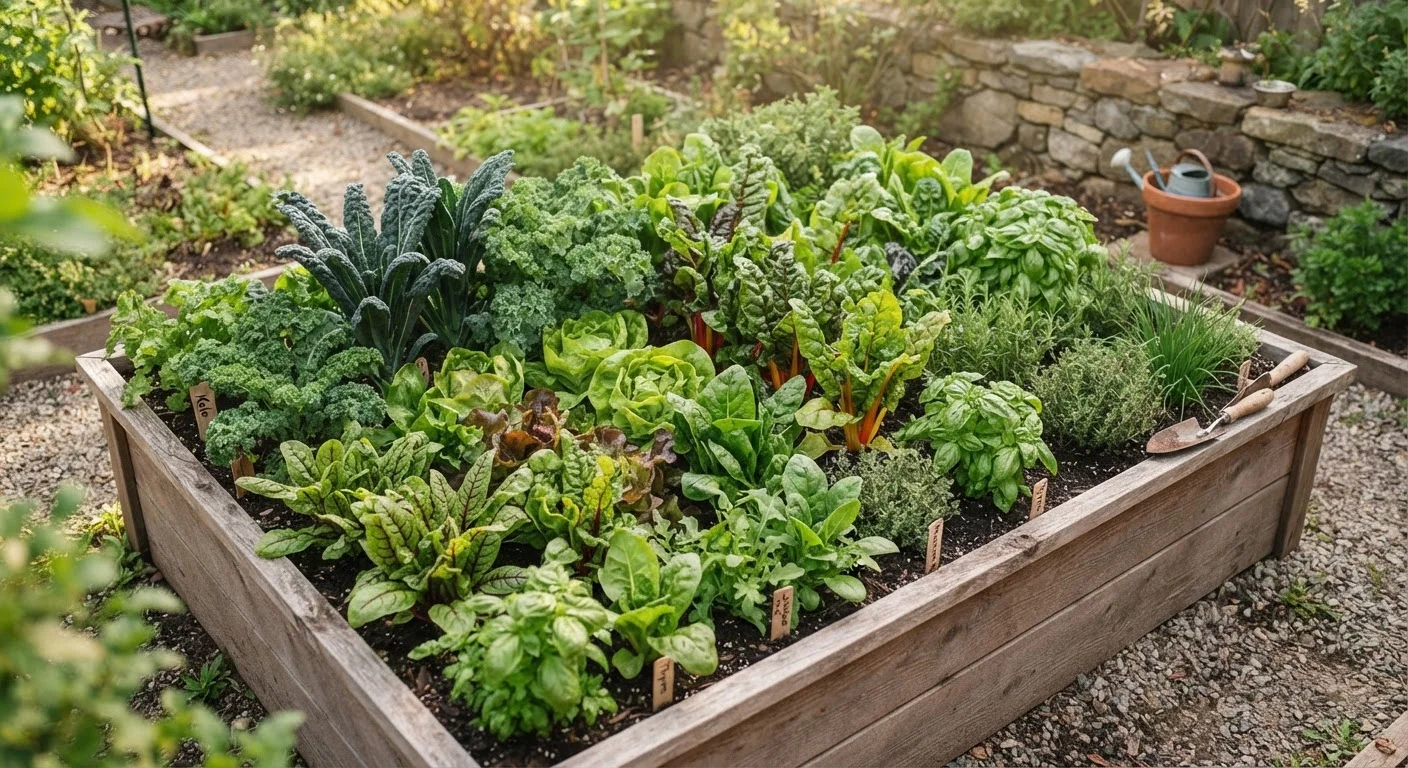
- Herbs and edible crops: Generally need more frequent watering than ornamentals, especially in containers. Uneven watering on tomatoes and peppers can cause blossom-end rot, so aim for consistency. See our guide to forgiving crops for beginners for lower-maintenance starting options.
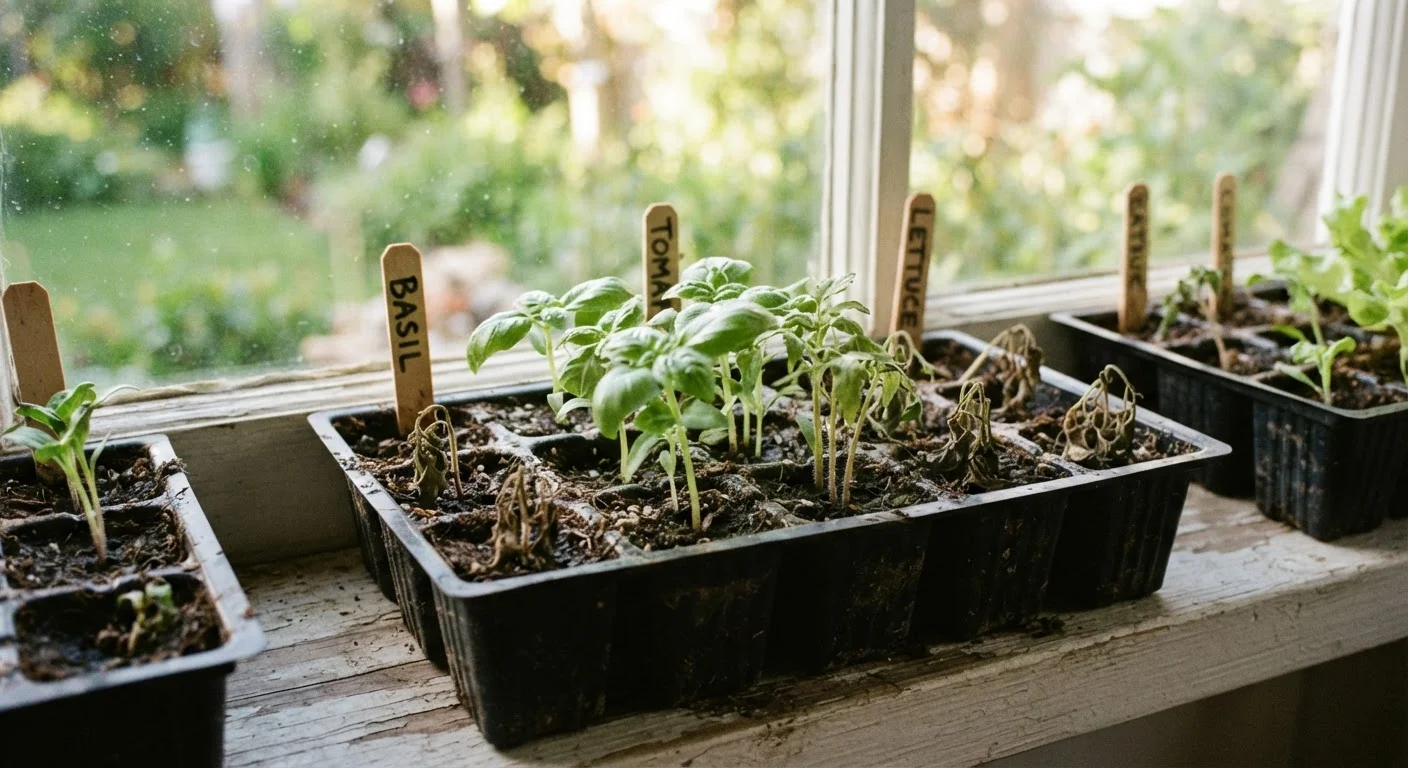
- Seedlings: Require carefully managed moisture - not soggy, not bone dry. Inconsistent moisture is one of the main reasons young plants fail; our article on seedling death after germination breaks down the full picture.
Seasonal adjustment: In winter, most houseplants slow their growth significantly and need noticeably less water. Reduce frequency rather than volume. Our guide to keeping houseplants alive through winter covers the full set of cold-season adjustments. For potted plants specifically, drainage setup becomes even more critical in cooler months - container gardening habits that keep potted plants thriving digs into this in detail.
Drainage Is Non-Negotiable
No amount of careful watering compensates for a pot without drainage holes. Water pooling at the bottom creates anaerobic conditions that destroy roots within days. If a decorative pot has no drainage, use it as a cachepot (a pot-within-a-pot) and remove the inner container to drain it after each watering.