Why These Two Materials Are Not Interchangeable
Grout and caulk look similar coming out of the package - both fill gaps between surfaces - but they behave in fundamentally different ways once cured. Grout hardens into a rigid, cement-like material. Caulk cures into a flexible, rubbery bead. That difference in flexibility is the entire reason they belong in different locations.
Bathrooms are not static environments. Hot showers cause surfaces to expand; cold water causes them to contract. A bathtub flexes slightly every time someone sits in it. Walls shift imperceptibly as a building settles. Wherever two surfaces meet at a change of plane - a corner, a ledge, a transition from tile to fixture - that movement is concentrated. Rigid grout cannot absorb it, so it cracks. Once cracked, even a hairline gap lets water behind the tile where it quietly causes rot and mold.
The rule is straightforward: grout fills joints between tiles on the same plane; caulk seals every joint where surfaces change direction or material. Keeping this distinction in mind will save you from the most common source of bathroom moisture damage.
| Criterion | Grout | Caulk |
|---|---|---|
| Flexibility when cured | Rigid, cement-like | Flexible, rubbery |
| Best joint location | Tile-to-tile, same plane | Corners, plane changes, transitions |
| Movement tolerance | Very low - cracks under flex | High - absorbs expansion and contraction |
| Typical cure time | 24-72 hours | 24 hours (silicone) |
| Lifespan | Long-lasting with annual sealing | 5-10 years before replacement |
| Failure mode | Cracks if used at flex points | Peels or molds if used on flat tile joints |
Where Each Material Belongs in a Tiled Bathroom
Use grout: between wall tiles, between floor tiles, and anywhere tiles are laid across a single continuous plane. These joints carry no meaningful movement, and grout's hard surface resists the foot traffic and cleaning abrasion that a softer caulk bead could not withstand underfoot.
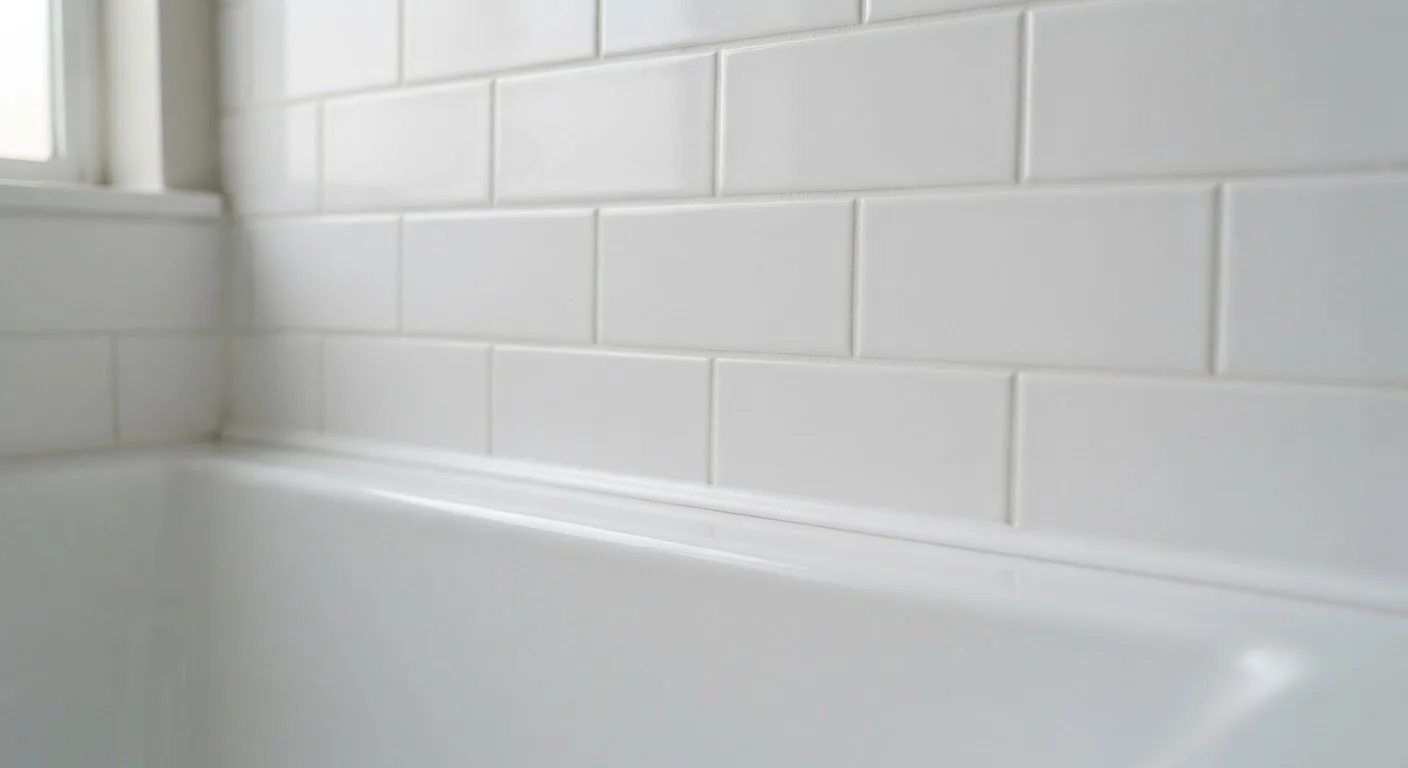
Use caulk: at every inside corner where two walls of tile meet; along the full length of the joint where the tub or shower pan meets the tile wall; where tile meets the toilet base; where a backsplash meets a countertop; and where flooring meets the baseboard. If you are ever unsure, ask whether the joint sits at a change of plane or change of material - if yes, it needs caulk.
One detail that trips up many DIYers: the back corners of a tiled shower are inside corners and should be caulked even though the rest of the wall is grouted. Grout applied in those corners almost always cracks within the first year. For a seamless finish, use a sanded or unsanded caulk tinted to match your grout color - most tile suppliers carry color-matched options.
When Grout and Caulk Colors Don't Match
Factory grout colors and caulk colors are formulated to be close but not always identical, especially after grout has been sealed or aged. Before starting any repair or new installation, test your caulk color against a dry, clean section of existing grout in natural light. Many tile retailers and home improvement suppliers offer sanded caulk specifically engineered to mimic standard grout shades, which narrows the gap significantly.
For a deeper dive into what can go wrong once grout is in place, see our guide to bathroom tile regrouting - including how to avoid the prep and curing mistakes that lead to early failure.
Application and Maintenance Differences to Know
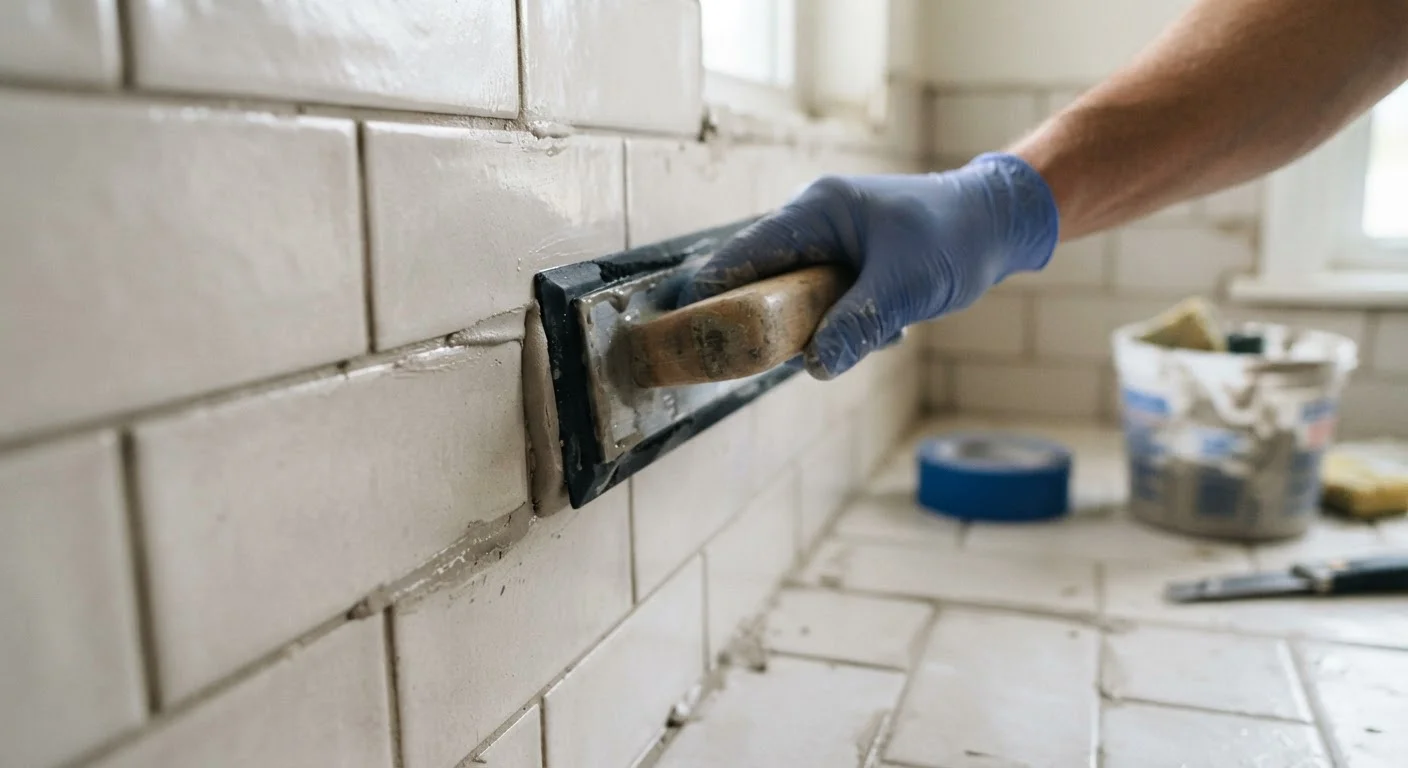
Grout is mixed (if powder-based) or applied directly from a premixed container, then pressed into joints with a float at a diagonal angle. Excess is wiped away with a damp sponge before it fully sets. Most grouts need 24-72 hours to cure before exposure to water, and sealing grout annually helps maintain stain and moisture resistance.
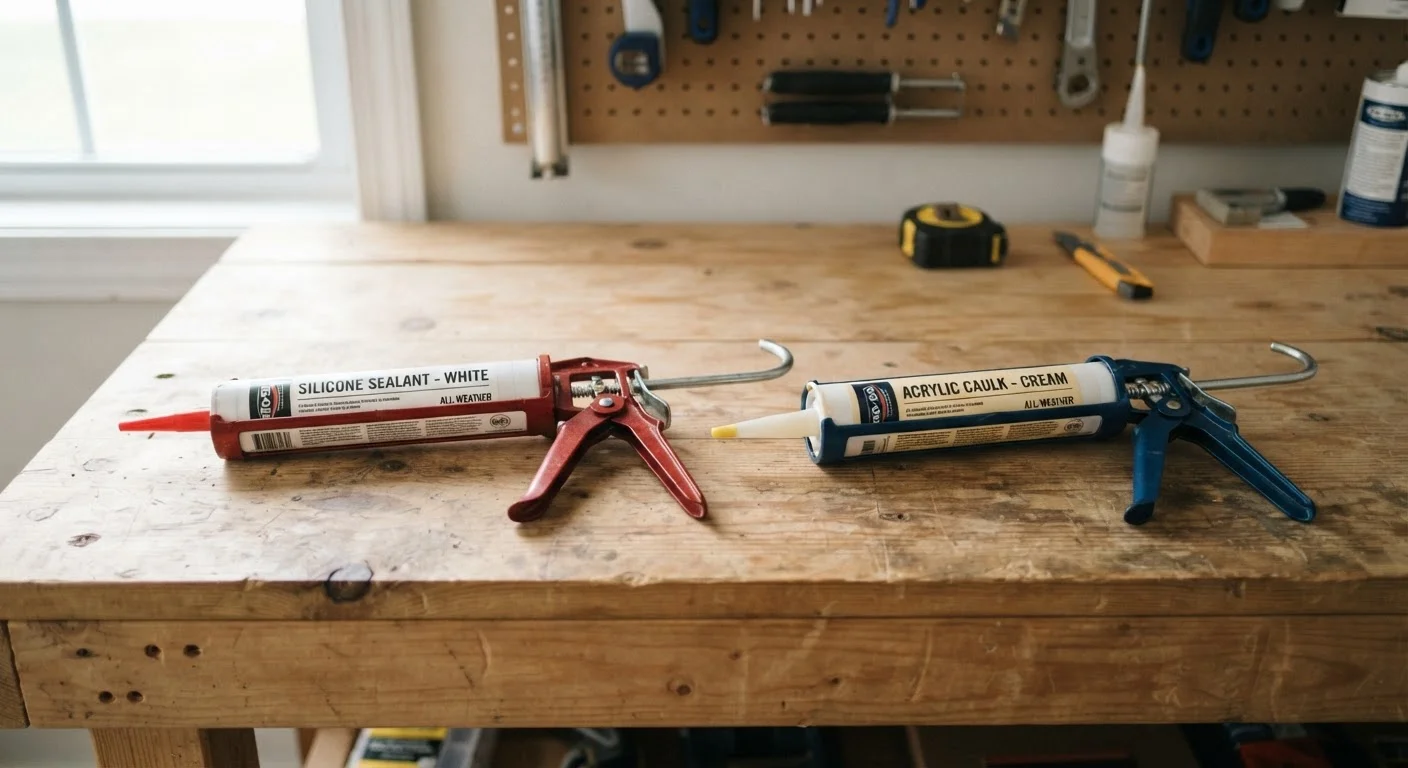
Caulk is applied in a single continuous bead using a caulk gun, then smoothed with a wet finger or a caulk tool to press it firmly into the joint. Silicone-based caulk - the standard choice for wet areas - typically needs 24 hours before it contacts water, though the product label will specify the exact cure window. Caulk eventually degrades and will need to be removed and replaced, usually every five to ten years depending on conditions.
If you want to understand how silicone and acrylic sealants compare when choosing caulk for specific surfaces, our silicone vs acrylic sealant comparison breaks down the key differences in moisture resistance, flexibility, and paintability.
~70%
Bathroom water damage traced to failed seals
Industry estimates from tile and waterproofing trade organizations suggest the majority of behind-tile moisture damage originates at improperly sealed joints rather than tile failure itself.
5-10 years
Typical caulk service life in wet areas
According to general guidance from building trade associations, silicone caulk in high-moisture bathroom zones generally needs replacement within this range, depending on ventilation and cleaning habits.