
Why Preventive Care Pays Off
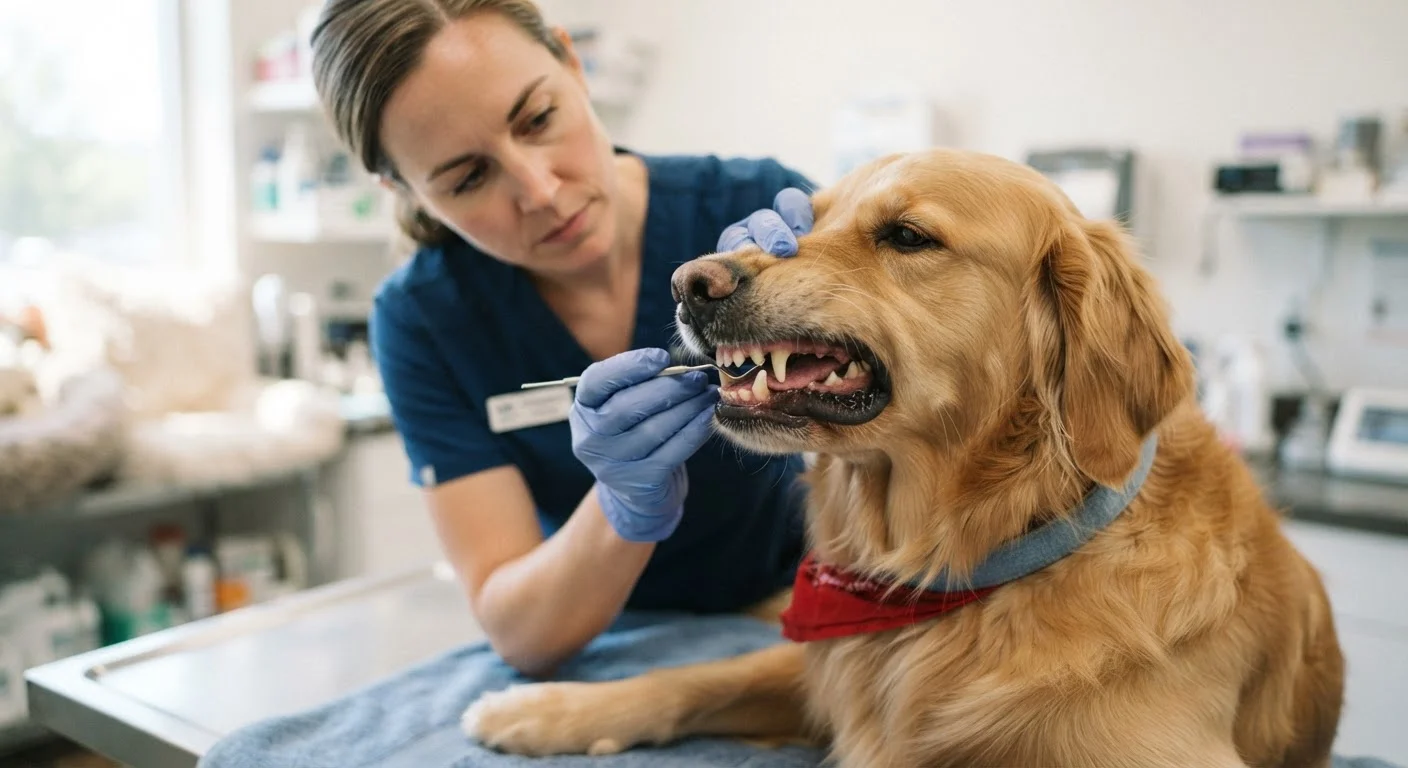
Preventive care is the practice of maintaining your pet's health proactively - before problems emerge - rather than responding to illness after the fact. For new pet owners, this mindset shift is one of the most valuable things to internalize early. Conditions caught during routine wellness exams, such as early dental disease, parasitic infections, or weight changes, are almost always easier and less expensive to manage than advanced illness.
There is also a behavioral dimension to building routines from the start. Pets that are handled regularly for ear checks, tooth brushing, and nail trims from an early age are generally more tolerant of veterinary examinations throughout their lives. The investment in consistent early care shapes not just physical health, but the quality of your ongoing relationship with your animal.
For the financial side of pet ownership, consider that routine preventive spending is predictable and plannable, whereas emergency veterinary costs are not. Connecting your pet care routine to a broader approach to savings - including an emergency fund - is a practical step many experienced owners recommend. The building a financial safety net resources on this site offer a useful starting framework.
Start Handling Your Pet Early and Often
Gently touching your new pet's paws, ears, and mouth from day one - even briefly and positively - builds tolerance for the handling that veterinary exams and home care require. Pets that are desensitized to being touched early in life are significantly easier to examine as adults. Pair every session with calm praise or a small treat to reinforce the experience as positive.
Vaccinations and Parasite Prevention
Vaccines and parasite control are the non-negotiable foundation of any preventive routine. Core vaccines - those recommended for virtually all pets regardless of lifestyle - protect against serious, often fatal diseases. For dogs in the US, core vaccines typically include distemper, parvovirus, adenovirus, and rabies. For cats, they include feline herpesvirus, calicivirus, panleukopenia, and rabies. Your veterinarian will advise on non-core vaccines based on your pet's environment and activities.
Parasite prevention is equally critical. Fleas, ticks, heartworm, and intestinal parasites such as roundworms and hookworms pose health risks to pets - and some, including roundworms, are zoonotic, meaning they can be transmitted to humans. Year-round flea and tick prevention and monthly heartworm prophylaxis are standard recommendations across most of the country. Your vet will guide you toward the approach appropriate for your region and your specific animal.
Core vaccines
Vaccines recommended for all pets of a given species, regardless of lifestyle, because the diseases they prevent are widespread, serious, or transmissible to humans.
Zoonotic disease
An illness that can be transmitted between animals and humans. Some common pet parasites, like roundworms, fall into this category.
Heartworm prophylaxis
A monthly preventive medication that stops heartworm larvae from developing into adult worms after a mosquito bite. It does not kill adult heartworms already present.
Periodontal disease
Inflammation and infection of the structures supporting the teeth, caused by bacterial plaque buildup. It is one of the most common health conditions in adult dogs and cats.
Life stage nutrition
Feeding a diet formulated for your pet's current developmental phase - puppy, adult, or senior - because nutritional requirements change significantly across a pet's lifespan.
Wellness exam
A routine veterinary checkup performed on a healthy pet, designed to catch early signs of disease and keep preventive care schedules on track.
Keep a written or digital log of every vaccine and preventive medication your pet receives - date, product, and next due date. This record is essential for vet visits, boarding, travel, and any emergency care situation.
Nutrition, Dental Care, and Grooming
After vaccinations and parasite prevention, the three pillars of everyday preventive care are nutrition, dental health, and grooming. Each requires a different frequency of attention, but all three compound in their benefit over time.
Nutrition
Feed a diet appropriate to your pet's species, life stage (puppy or kitten versus adult versus senior), and any veterinarian-identified health considerations. Life stage matters because nutrient requirements shift significantly - puppies and kittens need higher protein and caloric density than adult animals. Avoid overfeeding; obesity is one of the most widespread preventable health conditions in domestic pets and is associated with joint disease, diabetes, and shorter lifespan.
Dental Care
Periodontal disease affects the majority of dogs and cats by age three, according to veterinary dental research, yet it is largely preventable. Daily tooth brushing using pet-formulated toothpaste is the gold standard. Introduce it gradually, pairing the process with positive reinforcement. For a deeper look at how oral health connects to systemic wellbeing, see the science of pet dental health.
Grooming
Regular grooming does more than keep your pet looking tidy - it gives you consistent hands-on contact that allows you to notice lumps, skin changes, ear odor, or nail overgrowth early. Brushing frequency depends on coat type; bathing schedules vary by species and lifestyle. For a practical, step-by-step approach to at-home sessions, the guide on at-home grooming without the stress covers techniques for keeping both you and your pet calm throughout.
Never Use Human Dental or Grooming Products on Pets
Human toothpaste contains fluoride and xylitol, both of which are toxic to dogs and cats - even in small amounts. Similarly, some human shampoos contain fragrances or concentrations of ingredients that can irritate or harm pet skin. Always use products specifically formulated for the species you are caring for, and confirm unfamiliar products with your veterinarian before use.
Scheduling Wellness Visits and Tracking Progress
Annual wellness examinations - or semi-annual visits for senior pets - are the checkpoint system that keeps your preventive routine on course. A veterinarian can detect early signs of dental disease, organ dysfunction, weight changes, and more before symptoms become obvious to even the most attentive owner. These visits are also the right moment to revisit your parasite prevention protocol and adjust your pet's vaccine schedule.
To stay consistent between visits, use a tracking system. This could be a notebook, a spreadsheet, or a dedicated pet health app. Record vet appointments, vaccine dates, monthly parasite prevention doses, grooming sessions, and any behavioral changes you notice. Consistency in recording translates to consistency in care - and gives your veterinarian a useful history to work from.
As your routine matures, a monthly checklist approach is an effective way to systematize tasks across grooming, dental care, parasite checks, and behavioral observation. The monthly pet care checklist for responsible owners provides a structured template that builds directly on the foundations covered here.
Finally, remember that your pet's environment shapes their wellbeing in ways that extend beyond physical health. The layout of your home, your daily schedule, and the sensory stimuli your pet encounters all influence behavior and stress levels. Reviewing how your space is set up through the lens of building a behaviour-aware environment for your pet can meaningfully complement your preventive health work.
This article is for general informational purposes only and is not a substitute for professional veterinary advice. Always consult a licensed veterinarian for guidance tailored to your specific animal.