Why DIY Myths Persist - And What They Cost You
Home repair advice spreads quickly online, in hardware store aisles, and through well-meaning neighbors. Much of it is accurate. But a persistent layer of conventional wisdom - repeated so often it sounds authoritative - quietly leads DIYers to over-engineer simple fixes, skip steps that actually matter, or underestimate jobs that need professional input.
The financial cost of acting on bad repair advice isn't trivial. Redoing a tiled surface because the wrong adhesive was used, or repainting a wall because primer was skipped, means paying twice in materials and time. For renters and first-time homeowners working within tight budgets, that gap matters. See our guide to planning home improvement projects without the overwhelm for a broader framework on scoping repairs wisely.
The myths below aren't fringe ideas - they're common enough that many experienced DIYers still hold them. Each one has a measurable cost when followed uncritically.
Myth
The strongest adhesive is always the best choice for any repair.
Fact
Adhesive strength is only one variable - flexibility, surface compatibility, and cure time matter just as much.
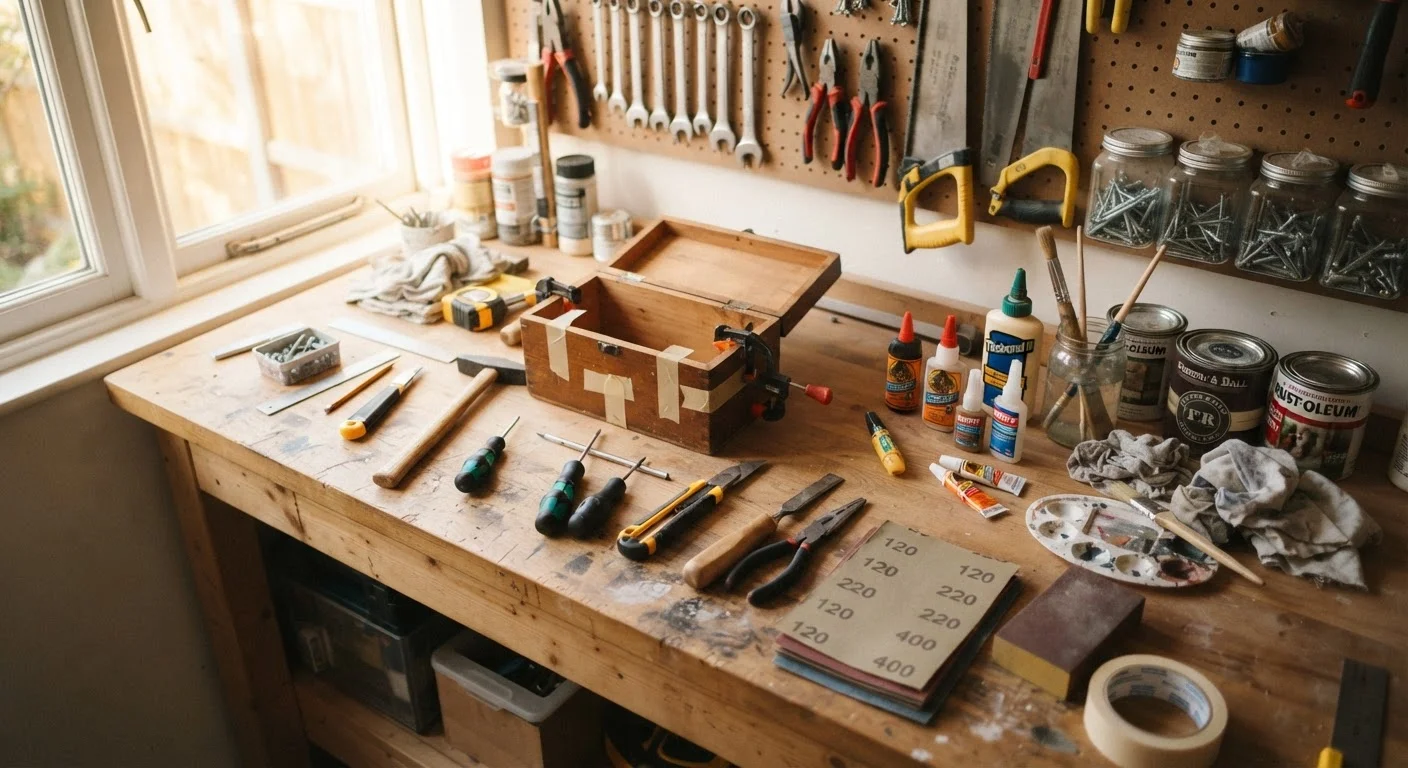
Super-strength adhesives and construction-grade epoxies are designed for specific substrates and load types. Used on the wrong materials - flexible trim, porous tile, painted drywall - they can cause surface damage when removed, or simply fail faster because they can't accommodate the natural expansion and contraction of the material. A flexible, purpose-formulated adhesive applied correctly will outlast an over-engineered one applied to the wrong surface. Always check manufacturer guidance for surface compatibility, not just bond strength.
Myth
You can skip primer if you're using a high-quality paint.
Fact
Primer and paint serve different functions; even premium paints don't replicate what a proper primer does to a surface.
Primer seals porous surfaces, promotes paint adhesion, and prevents stains or existing colors from bleeding through. Paint - regardless of quality or price point - is formulated to deliver color, sheen, and surface protection, not to bond with bare or inconsistent substrates. Skipping primer on new drywall, repaired patches, or surfaces with staining typically results in uneven finish, poor adhesion, and premature peeling. The additional time and cost of primer almost always prevents a full repaint within a few years.
Myth
Caulk is a flexible, all-purpose fix for gaps, cracks, and leaks throughout the house.
Fact
Caulk formulations vary significantly - using the wrong type in the wrong location accelerates failure.
Paintable latex caulk, silicone caulk, and specialized tile or kitchen/bath caulk are not interchangeable. Silicone offers superior moisture resistance and flexibility for wet areas but cannot be painted over. Latex caulk accepts paint but degrades quickly in consistently wet environments. Applying the wrong caulk around a bathtub surround or exterior window frame means the seal may crack or shrink within a single season - leading to moisture intrusion that causes far more damage than the original gap. Read product labels carefully and match the formulation to the environment.
Myth
If a small crack or leak isn't causing visible damage, it can wait.
Fact
Most moisture-related problems are already causing hidden damage long before they become visually obvious.
Mould can begin establishing behind walls or under subflooring within 24-48 hours of sustained moisture exposure. By the time a stain appears on a ceiling or wall, the damage to framing, insulation, or drywall is often already significant. Similarly, small cracks in exterior masonry or window seals allow water infiltration that freezes and expands in winter, widening the crack cycle over cycle. The repair cost of addressing problems early is consistently lower than remediation after hidden damage has spread - often by a significant margin.
Myth
Sanding before painting is only necessary for bare wood - painted surfaces don't need it.
Fact
Light sanding between coats, and before applying new paint over old, improves adhesion on any surface.
Existing painted surfaces develop a glossy or semi-glossy sheen that causes new paint to slide or peel rather than bond. A light pass with fine-grit sandpaper (typically 120-220 grit for most interior surfaces) creates mechanical tooth - a slightly roughened texture - that gives the new coat something to grip. This step takes minutes but meaningfully extends how long a paint job looks good. Skipping it is one of the most common reasons DIY paint jobs show brush marks, bubbling, or flaking within a year of application.
Myth
All screws and fasteners are essentially interchangeable for basic household repairs.
Fact
Fastener type, length, and thread design are engineered for specific materials - using the wrong one compromises the repair.
Wood screws, drywall screws, sheet metal screws, and concrete anchors have different thread pitches, point types, and shank designs for a reason. Drywall screws, for example, are hardened and brittle - they're prone to snapping under lateral load in wood-to-wood applications. Using them to assemble furniture or attach shelving brackets risks joint failure. Similarly, a fastener that's too short for the material depth won't hold; one that's too long may break through and cause surface damage. Matching the fastener to the application is a foundational step, not an optional refinement.
When DIY Has Real Limits
Correcting these myths isn't about discouraging hands-on home repair - it's the opposite. The more clearly you understand what a material or method actually does, the more confident and effective your repairs become.
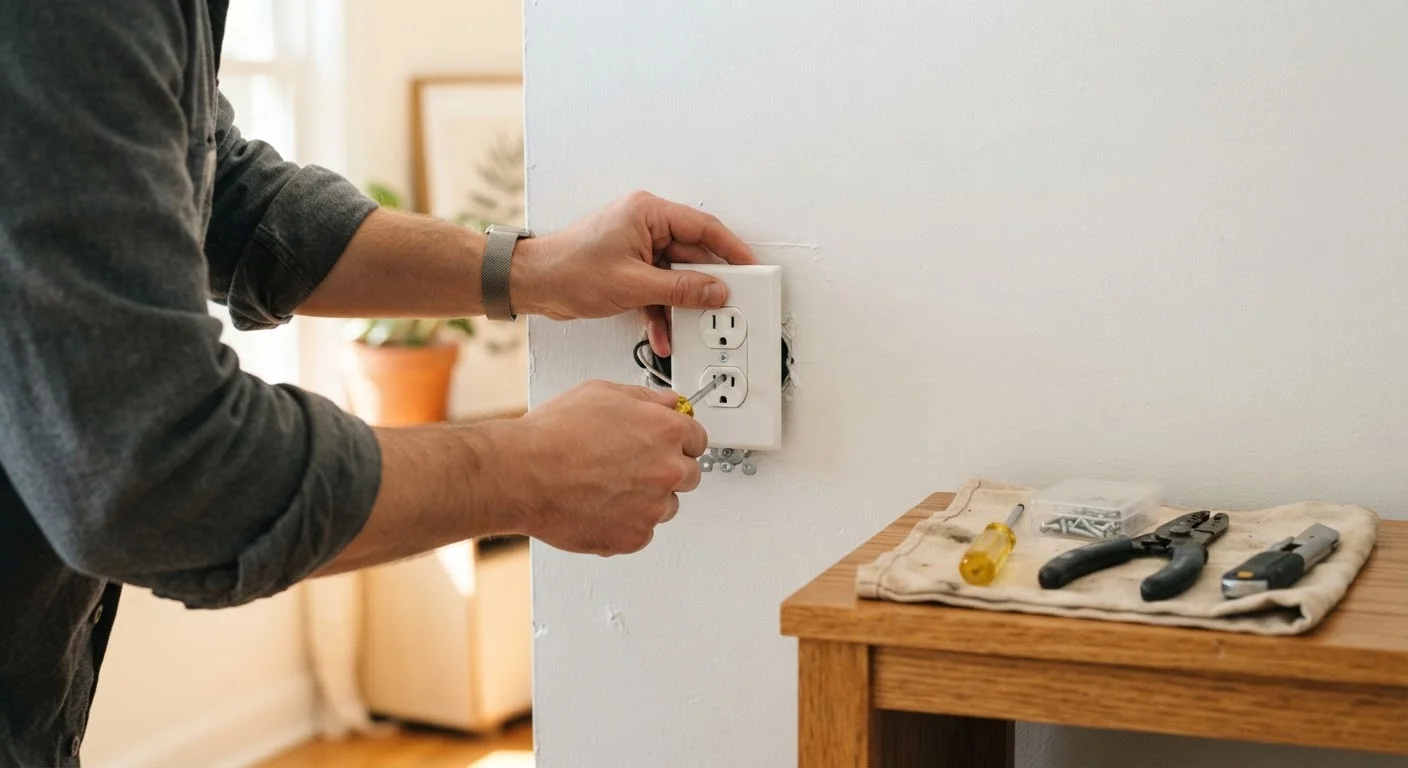
That said, some categories of home repair carry genuine safety or legal stakes that no amount of DIY confidence resolves. Electrical work is a clear example: certain tasks are reasonable for an informed homeowner, while others require a licensed electrician by law. Our article on where the line is for DIY electrical work breaks this down clearly. Structural changes - like opening up a wall - present similar risks. Before assuming a wall is non-load-bearing, read what every first-time homeowner should know about load-bearing walls.
Permitted Work Isn't Optional
In most US jurisdictions, certain home repairs and improvements - structural changes, electrical panel work, plumbing tie-ins - legally require permits and inspections before and after the work. Skipping permits doesn't just carry fines; it can void homeowner's insurance coverage for related damage and create serious complications when selling the property. Always verify local permit requirements with your municipality before starting significant repairs.
Plumbing is another area where a small oversight compounds quickly. A slow drip that seems like a cosmetic nuisance can cause mould, rot, and structural deterioration over months. The hidden damage that slow leaks cause over time is worth understanding before deciding a minor leak can wait.
~40%
DIY projects that require professional correction
Industry estimates suggest a significant share of DIY home repairs eventually require professional intervention to correct errors - often costing more than the original professional quote would have.
24-48 hrs
Time for mould to begin growing after moisture exposure
According to guidance from the U.S. Environmental Protection Agency (EPA), mould can begin to develop on wet building materials within 24 to 48 hours under the right conditions.
The broader lesson: separating myth from evidence isn't just about saving money on a single repair. It builds a more reliable mental model for every project you take on. Myths about home repair follow the same pattern as myths in other areas of personal finance - and if you're curious, the same debunking mindset applies to common budgeting myths too.