
Why Pre-Learning Preparation Actually Matters
Most people approach a new course or book the same way: they open it and start. It feels efficient, but research in cognitive science consistently shows that what you do before you learn shapes how much you retain. Concepts like prior knowledge activation and schema formation suggest the brain encodes new information more effectively when it has an existing framework to attach it to.
This checklist is designed for busy young professionals who are already comfortable with the idea of self-directed learning but want to get more out of every hour they invest. Think of it as a pre-flight check - a structured 20-40 minute audit you run before committing to any new material, whether that's a weekend online course, a professional development book, or a certification program.
For a broader framework that extends beyond any single resource, see our guide to building a personal learning system. This checklist is the entry point to that larger practice.
Goal Clarity
Prior Knowledge Audit
Format and Resource Fit
Schedule and Environment
Note-Taking and Capture System
Tools and Resources to Support Your Prep
You don't need anything elaborate to run this checklist. The tools below are practical additions that make the process faster and more durable - particularly if you plan to revisit your notes weeks or months later.
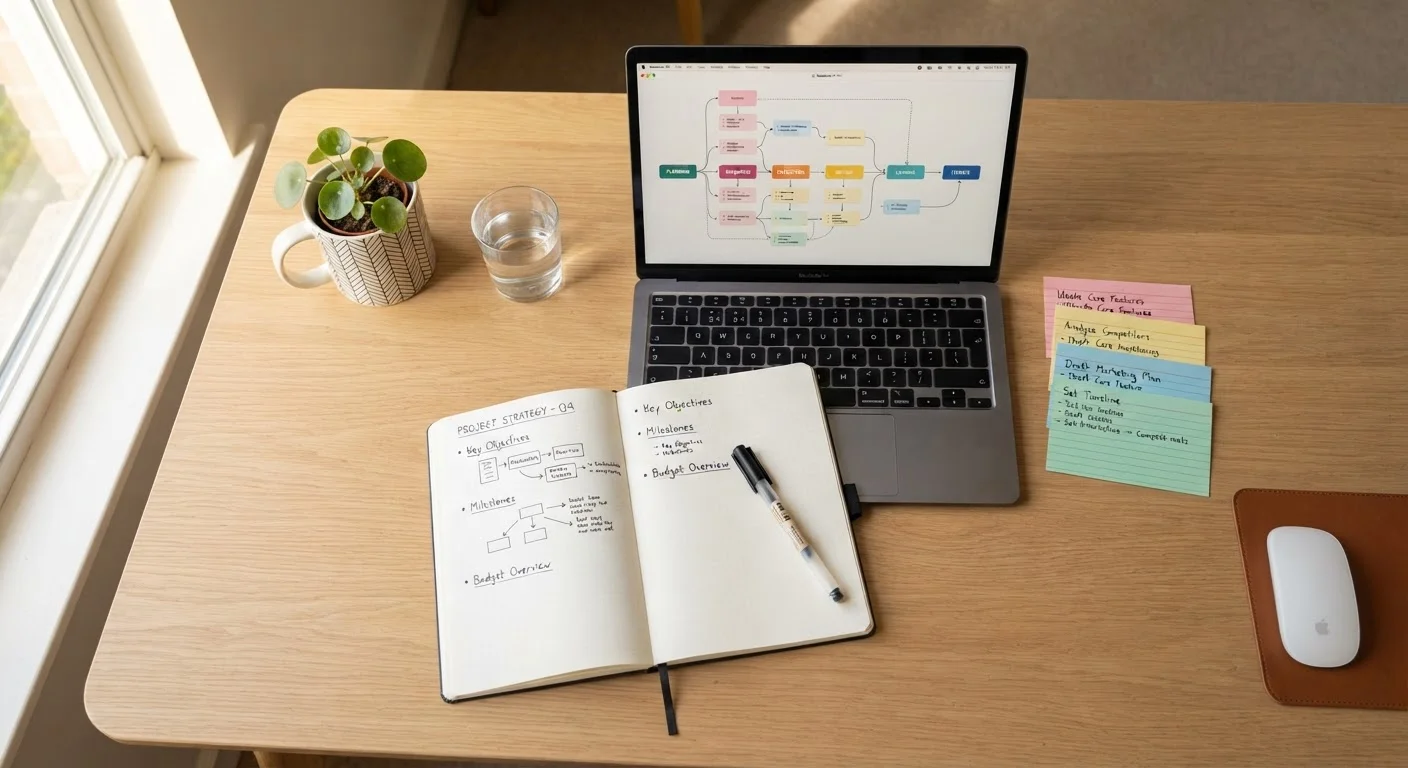
Physical or digital notebook
Capture pre-learning notes, activate prior knowledge, and record goals before you open the material.
Calendar app
Block recurring study sessions in advance so learning time is protected and not left to chance.
Flashcard or spaced-repetition app
Build a retrieval practice habit from day one by adding key terms and concepts as you encounter them.
Note-taking template (Cornell or outline format)
Reduce setup friction during sessions by having a consistent structure ready before you start.
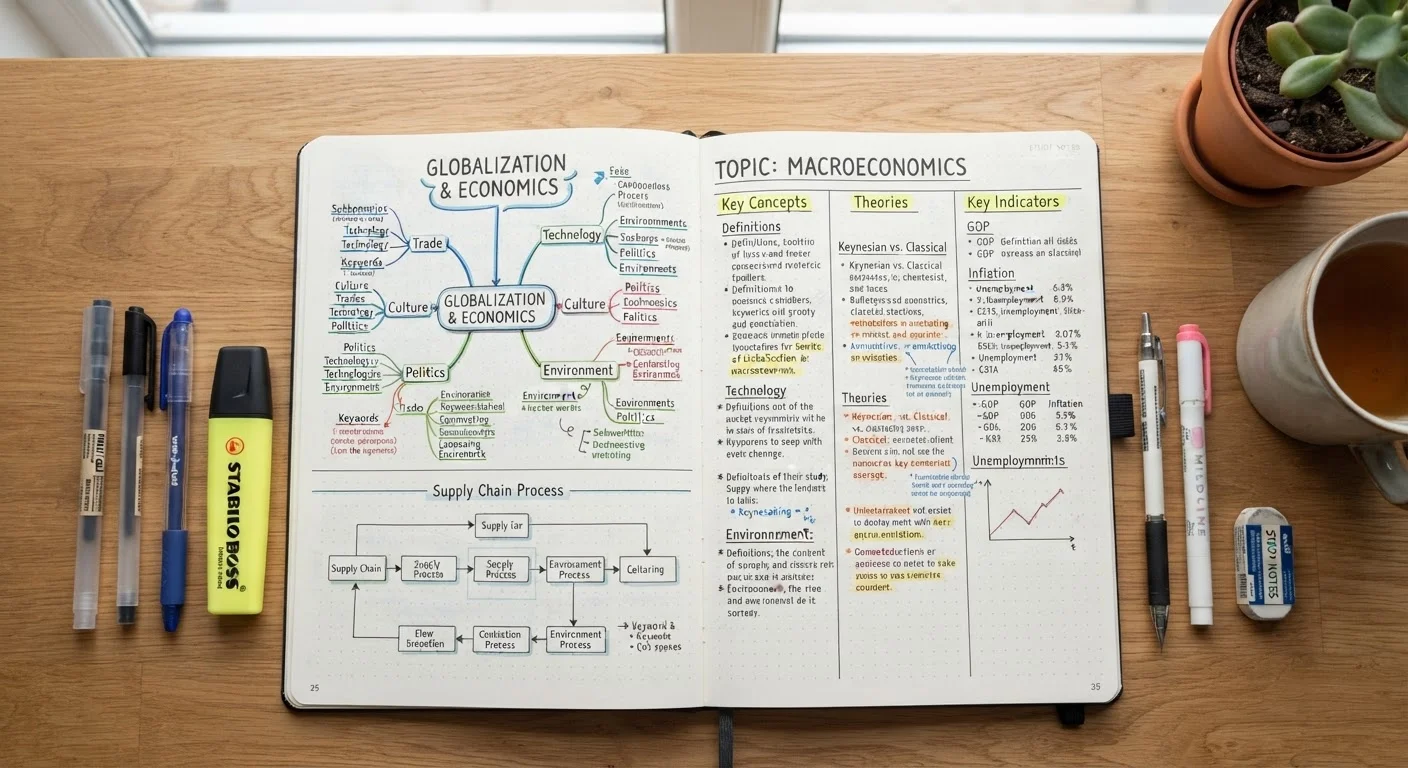
Once your setup is in place, pair it with a structured note-taking approach. Our comparison of Cornell, Outline, Mind Map, and Sentence note-taking methods can help you choose a format that matches your learning material and cognitive style.
Common Pitfalls to Avoid Before You Begin
Even well-intentioned learners fall into predictable traps at the start of a new resource. Awareness of these patterns is itself a form of preparation.
Don't Confuse Consuming with Learning
Finishing a course or book is not the same as learning from it. Without a clear goal, a prior knowledge check, and a capture system, you can move through hours of material and retain very little. Completion is a vanity metric; demonstrated understanding is the real measure.
Overloading Your Schedule Leads to Abandonment
One of the most consistent reasons people quit courses mid-way is that they scheduled more study time than their real life allows. Setting an honest, conservative weekly minimum - and then exceeding it - produces far better outcomes than setting an ambitious target you never hit.
One particularly underused technique is self-testing before you've covered new material. It sounds counterintuitive, but attempting to answer questions about a topic before studying it activates related knowledge and primes your brain to better encode what's coming. Our article on self-testing before a new topic walks through exactly how to do this. You can also explore key terminology in our learning strategy quick reference if any concepts in this checklist are new to you.
Consistent pre-learning habits also support longer-term career growth - the professionals who learn most efficiently tend to be the ones who are most deliberate, not the ones who simply consume the most content.
Preparation Isn't Procrastination
Spending 20-40 minutes on this checklist before starting can feel like a delay, but it is a direct investment in retention and completion. Skipping preparation in the name of getting started faster typically results in slower progress, lower recall, and higher dropout rates. Front-load the thinking so your study sessions can stay in flow.