
Why Contingency Planning Is Part of Trip Planning
Most travelers spend hours optimizing their itinerary and almost no time thinking about what happens when it falls apart. That's backward. Disruptions abroad - missed connections, lost passports, sudden illness, political unrest - aren't rare edge cases. They're predictable categories of risk that every international traveler will encounter eventually.
Contingency planning isn't pessimism. It's the discipline that separates travelers who adapt quickly from those who lose days and hundreds of dollars to problems that could have been anticipated. Think of it as the final layer of any solid trip plan - the one most people skip.
For a broader framework on how this fits into your overall preparation, see The Anatomy of a Well-Planned Trip. Below are the specific scenarios worth preparing for, and exactly what to do about each.
Lost or Stolen Documents
A stolen passport doesn't have to end your trip - if you're prepared. Before departure, photograph every critical document: passport, visa, driver's license, travel insurance card, and any prescription information. Store copies in a secure cloud folder (not just your phone, which can also be stolen) and email them to yourself and a trusted contact at home.
Also write down - on paper - the address and phone number of the nearest U.S. embassy or consulate at your destination. The U.S. State Department's STEP program (Smart Traveler Enrollment Program) lets you register your trip so the embassy knows you're in the country. Emergency passport replacement is faster and simpler when you have documented proof of citizenship already assembled.
A stolen passport is manageable - if your documents are already backed up before you leave.
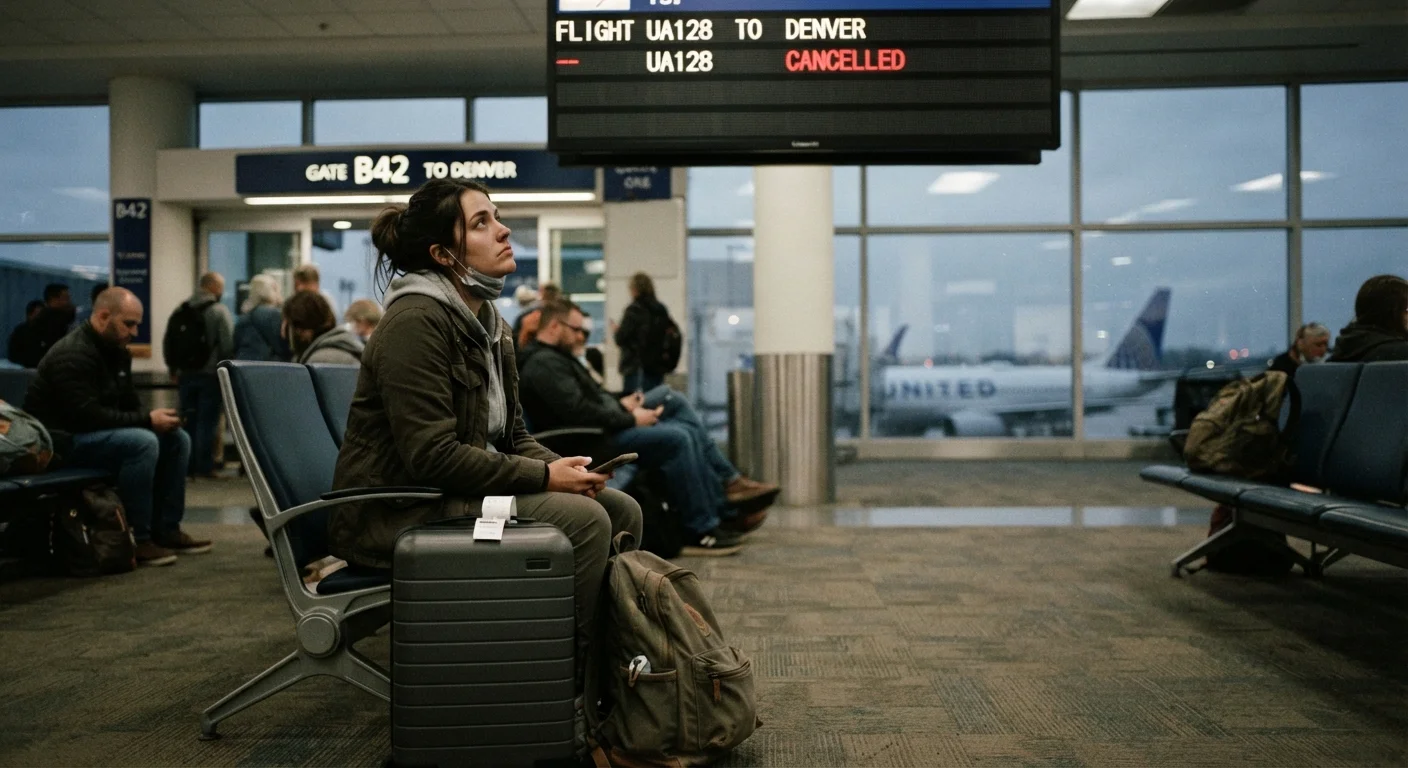
Flight Cancellations and Missed Connections
Airlines are required to rebook you on missed connections caused by delays within their control, but knowing your rights speeds up the conversation significantly. Understand the difference between cancellations caused by weather (typically no compensation) versus operational failures (where rebooking, meals, or accommodation may apply, depending on the airline and country).
Practically: always book connecting flights with at least 90 minutes between legs on international routes, keep your airline's app on your phone, and know the difference between a refundable and non-refundable ticket before you buy. If you're rerouted and incur costs, document everything - receipts matter when filing insurance claims later.
Knowing your rebooking rights before a cancellation happens saves you hours at the customer service line.
Medical Emergencies and Illness Abroad
This is the scenario most travelers underestimate. Healthcare costs abroad - especially in destinations without reciprocal agreements with U.S. insurance - can be significant, and standard domestic health insurance often provides limited or no international coverage.
Before traveling, confirm exactly what your health insurance covers internationally. Consider whether a travel insurance policy with medical evacuation coverage makes sense for your trip - medical evacuation from a remote destination can be extremely costly without it. Carry a written summary of any existing conditions, current medications (generic names, not just brand names), and known allergies. For a clear breakdown of what travel insurance does and doesn't cover, see Travel Insurance Demystified.
[note_callout]Standard U.S. health insurance often provides limited coverage abroad - confirm your coverage before departure.
Lost Luggage and Stolen Belongings
Airlines lose or delay bags regularly on international routes, particularly on itineraries with tight connections. The mitigation is straightforward: pack a 24-hour essentials kit in your carry-on - medications, a change of clothes, phone charger, and any irreplaceable items. Never check valuables.
If your bag doesn't arrive, file a Property Irregularity Report (PIR) at the airport before leaving - not later, not by email. Keep receipts for any emergency purchases made while waiting for your bag; most travel insurance policies reimburse reasonable expenses for delayed baggage after a threshold period (commonly 12-24 hours). Also photograph your luggage and its contents before travel so you have evidence for any claim.
File your delayed baggage report at the airport before you leave - doing it later complicates any reimbursement claim.
Financial Disruptions and Emergency Cash Access
Cards get blocked abroad. ATMs run out of cash. Fraud alerts freeze accounts. These aren't hypotheticals - they're routine. The standard advice is to notify your bank before travel, but that's only the baseline. Also: carry two cards from different networks (Visa and Mastercard, for example) stored separately, and keep a small reserve of local currency or USD for the first 24-48 hours.
Designate a separate emergency fund - not your main travel budget - that you don't touch unless necessary. If something drains your account unexpectedly, services like international wire transfers through your bank or verified money transfer services can provide a backup channel. For broader thinking on building that financial buffer, the Saving & Emergency Funds hub is worth reviewing before you book.
Two cards from different networks stored separately is the minimum financial redundancy for any international trip.
Safety Incidents and Local Unrest
Check the U.S. State Department travel advisories for your destination before you go - and re-check them within a week of departure, since conditions change. Beyond the advisory level, research the specific areas you'll be in: tourist-heavy zones often have different risk profiles than the broader country rating suggests.
Download offline maps (Google Maps, Maps.me) before you arrive so you can navigate without data. Know the local emergency number - it's not 911 everywhere. Share your itinerary with someone at home and establish a regular check-in schedule. If you're staying somewhere remote or arriving without a firm plan, this communication baseline matters even more.
Offline maps and a shared itinerary with someone at home are two of the simplest safety measures travelers skip.
Make Contingency Planning a Pre-Departure Habit
None of these preparations take more than a few hours combined, but they compress what could be a 72-hour crisis into a two-hour inconvenience. The key is doing it before you leave - not scrambling to figure it out from a foreign emergency room or an airline customer service line.
Build a One-Page Emergency Reference Sheet
Before any international trip, create a single document with: your policy numbers and emergency contact lines for travel insurance and health insurance, the local emergency number at your destination, the U.S. embassy address and phone, and your backup card details stored separately from your wallet. Print one copy, email one to yourself, and leave one with a trusted contact at home. This document does more work per minute of preparation than almost anything else you can do.
If you're traveling solo, the stakes are higher because there's no travel companion to divide the problem-solving. Solo Travel Planning from Scratch walks through the specific safety and contingency considerations for independent travelers. And before any trip, run through the financial checklist for planning any trip to make sure your emergency fund and insurance are already in place before you book.
This article is for general informational purposes only. For destination-specific entry requirements, health advisories, or travel warnings, always verify with official government sources and relevant authorities before traveling.