What Each Approach Actually Means in Practice
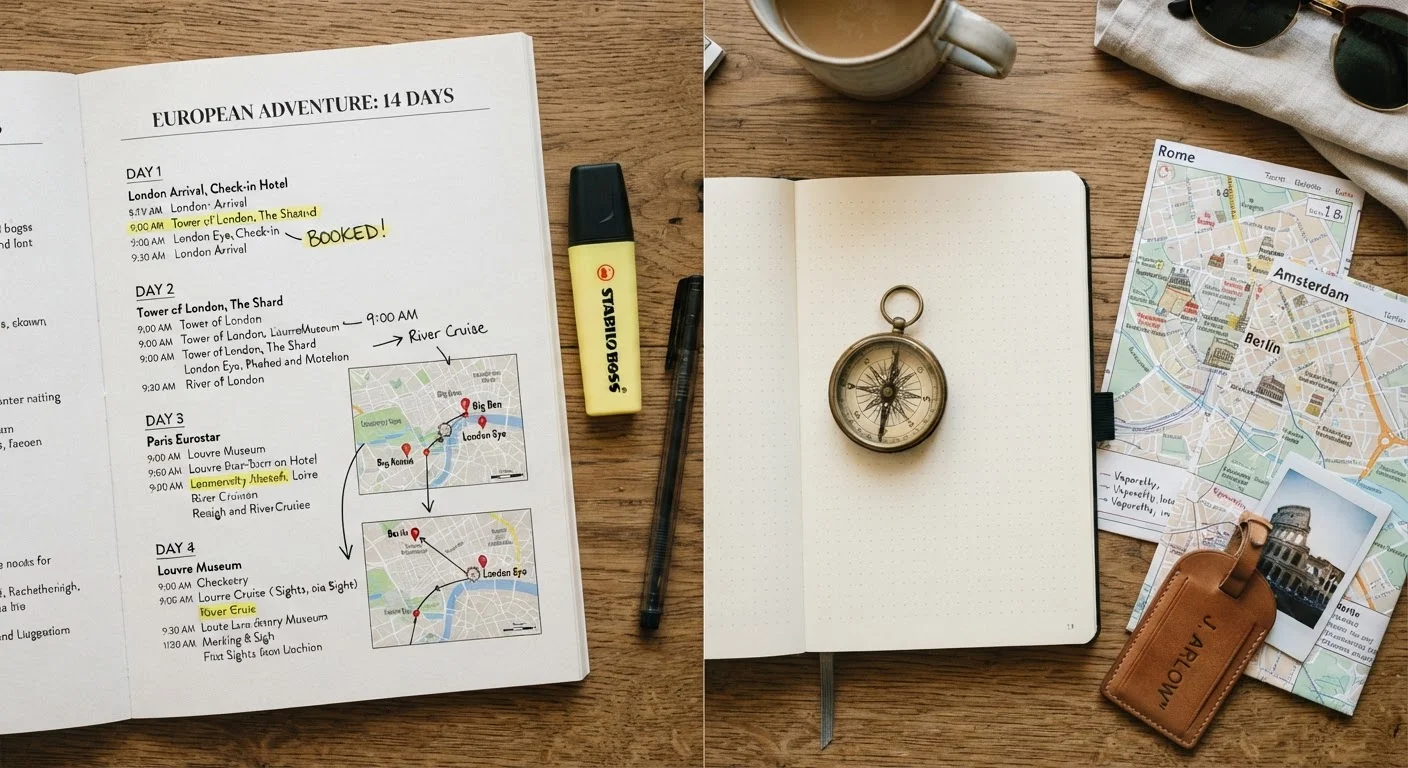
A rigid itinerary means your days are mapped out before you leave: accommodations booked, transport arranged, and key activities reserved on a fixed schedule. You arrive knowing exactly where you're going and when.
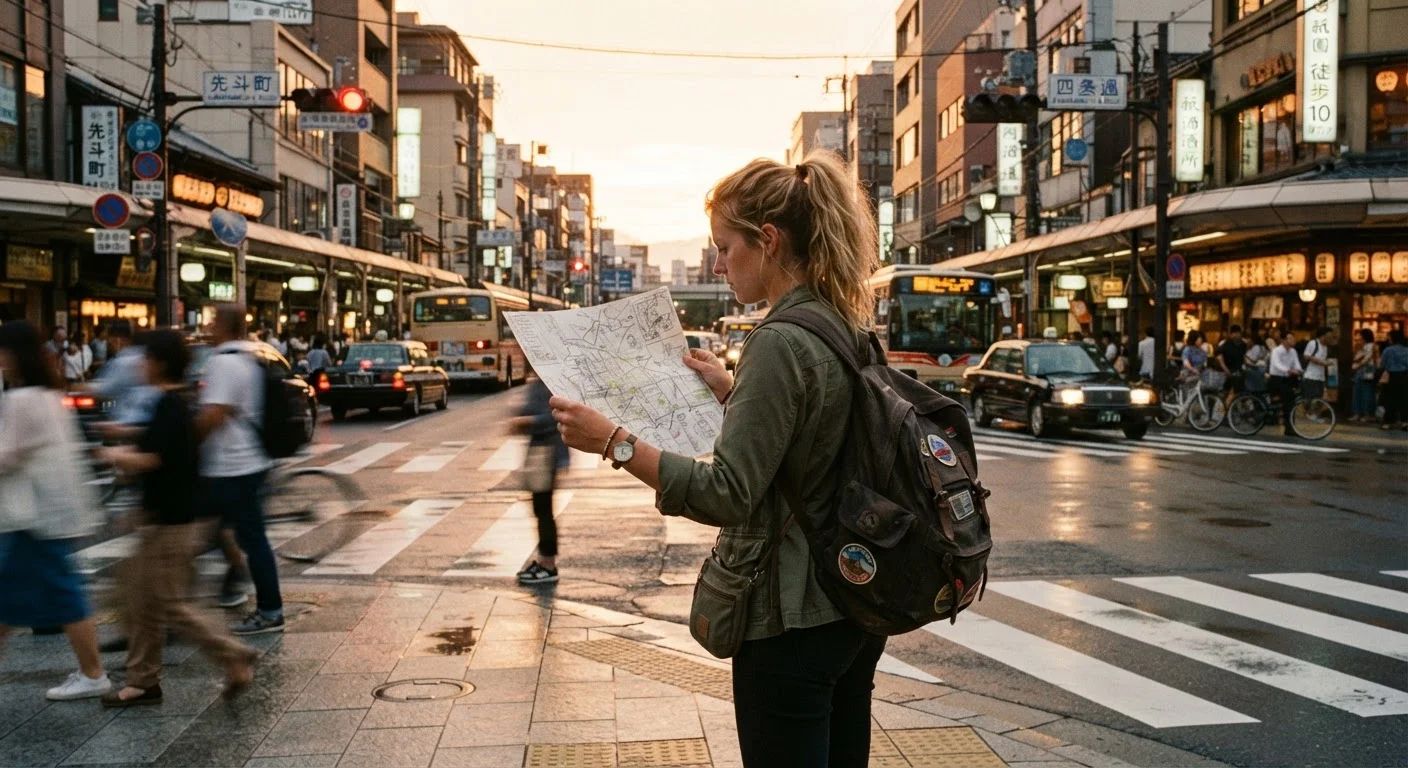
Open-ended travel means you depart with a destination and perhaps a first-night bed, and make decisions as you go - which neighborhood to stay in next, whether to stay an extra day, or whether to skip that overcrowded site entirely.
Neither label is a personality type. They're planning tools. The question isn't which sounds more appealing in theory - it's which actually serves your specific trip. See the core phases of trip planning to understand where this choice fits in the broader planning process.
| Criterion | Rigid Itinerary | Open-Ended Travel |
|---|---|---|
| Daily decision load | Low - decisions made in advance | High - decided on the ground |
| Access to high-demand experiences | Strong - bookable well ahead | Unreliable - often sold out |
| Accommodation costs | Typically lower with advance booking | Often higher last-minute |
| Adaptability to surprises | Limited - changes disrupt the chain | High - built for course corrections |
| Best trip length | Short trips (under 10 days) | Longer trips (3+ weeks) |
| Group travel suitability | Strong - shared anchors reduce conflict | Difficult - daily decisions multiply |
| Upfront planning effort | High - research and bookings required | Low - minimal pre-departure work |
| Risk of burnout | Higher if over-scheduled | Lower - rest is easier to build in |
Where Rigid Itineraries Win - and Where They Break Down
Pre-planned trips eliminate a specific kind of daily friction: the 45-minute group debate about what to do next. When your choices are already made, you simply execute. This matters most on short trips, in destinations where top experiences require advance booking (think: timed-entry museums, overbooked ferry routes, or limited-seat cooking classes), and whenever you're traveling with people who have strong but differing preferences.
The cost is adaptability. A rigid schedule doesn't absorb delays, weather changes, or the spontaneous discovery that the town you're passing through has something genuinely unmissable. It also applies planning pressure upfront - researching and booking everything weeks in advance is a real time investment. Researching a destination past the tourist surface helps you make those advance choices with confidence rather than defaulting to whatever ranks highest in generic listicles.
60%+
Travelers who over-schedule short trips
Travel industry surveys consistently find a majority of leisure travelers report feeling rushed or exhausted by their itineraries, particularly on trips of seven days or fewer.
2-3x
Last-minute accommodation cost premium
Hospitality data generally shows same-week bookings in peak-season destinations can run significantly higher than rates locked in four or more weeks ahead.
Where Open-Ended Travel Wins - and Where It Costs You
Flexibility is genuinely valuable when you have time to use it. Staying three extra nights because a coastal town surprised you, or avoiding a disappointing attraction because you read the room before paying - these are real benefits that pre-booked travelers often can't access.
The trade-off is real cost exposure. Last-minute accommodation in popular areas routinely runs higher than advance rates. Transport options narrow when you haven't booked ahead. And in complex destinations - cities with limited English signage, regions with infrequent transit, or places during festival periods - arriving without a plan isn't liberating, it's logistically punishing. Understanding which destinations forgive unplanned arrivals is essential knowledge before committing to this approach.
Open-Ended Travel Is a Skill, Not Just a Mindset
Successful spontaneous travel requires a baseline of logistical competence: knowing how to find accommodation on short notice, read local transit systems, and assess neighborhood safety quickly. First-time travelers to unfamiliar regions often underestimate this learning curve. If you're new to solo travel, starting with a structured first solo trip builds the skills that make open-ended travel genuinely enjoyable rather than stressful.
The Hybrid Approach Most Experienced Travelers Actually Use
The most practical framework isn't a binary choice - it's structured anchors with unscheduled space. Lock in the non-negotiables: first and last night accommodations, any experience with limited availability, and long-distance transport. Leave everything else open to decide on arrival.
A useful rule of thumb: plan 60% of your days explicitly, leave 40% blank. The planned portion protects your must-dos and keeps logistics from collapsing; the open portion is where actual travel memories often get made. Building an itinerary that balances sightseeing, rest, and flexibility walks through how to structure this in practice.
For group trips, the ratio typically needs to shift toward 70-80% planned - the coordination cost of on-the-fly decisions compounds quickly with more people. Managing group trip logistics without the chaos covers how to get alignment without over-scheduling everyone.
Your planning style also has financial implications. Choosing the right budget framework for your trip pairs naturally with this decision - open-ended travel generally demands a rolling estimate approach, while rigid itineraries suit fixed-envelope planning.