
Why Most Trip Stress Is a Planning Problem
Travel stress rarely comes from the destination - it comes from gaps in preparation that only surface at the worst moment. A missed connection because you didn't account for transit time. A sold-out accommodation because you assumed availability. A wasted day because you didn't know the main attraction was closed on Mondays.
These aren't bad luck. They're the predictable cost of skipping phases. Understanding trip planning as a structured process - rather than a single burst of research and booking - is what separates travelers who consistently enjoy their trips from those who spend half the journey problem-solving.
60%
Travelers who report trip-related stress
A commonly cited figure in travel industry surveys suggesting the majority of leisure travelers experience stress around trip logistics rather than during the trip itself.
3-6 months
Recommended lead time for international trips
Travel industry analysts generally suggest this window gives travelers meaningful flexibility on pricing and availability before peak demand narrows options.
The Five Phases of a Well-Planned Trip
Phase 1: Orientation
Before you book anything, you need a clear picture of what kind of trip you're planning. Destination category, trip length, travel party, and rough budget all interact. Committing to flights before settling these questions locks you into a framework that may not fit. Spend time here - it's the cheapest phase to get wrong.
Phase 2: Research
This is where you build a factual foundation: entry requirements, visa timelines, climate windows, accommodation zones, and transport options. Destination research isn't about inspiration at this stage - it's about constraints. Knowing that your target destination has a major public holiday during your travel window, or that the rainy season peaks in August, shapes every decision downstream. Our shoulder season guide is a useful resource during this phase.
Phase 3: Logistics
Flights, accommodation, ground transport, and any time-sensitive bookings (popular tours, restaurants, events) get locked in here. The sequencing matters: book transport first, then accommodation around arrival and departure points. This phase also includes insurance and entry document verification - always confirm visa and health requirements with official government sources, not travel blogs.
Phase 4: Preparation
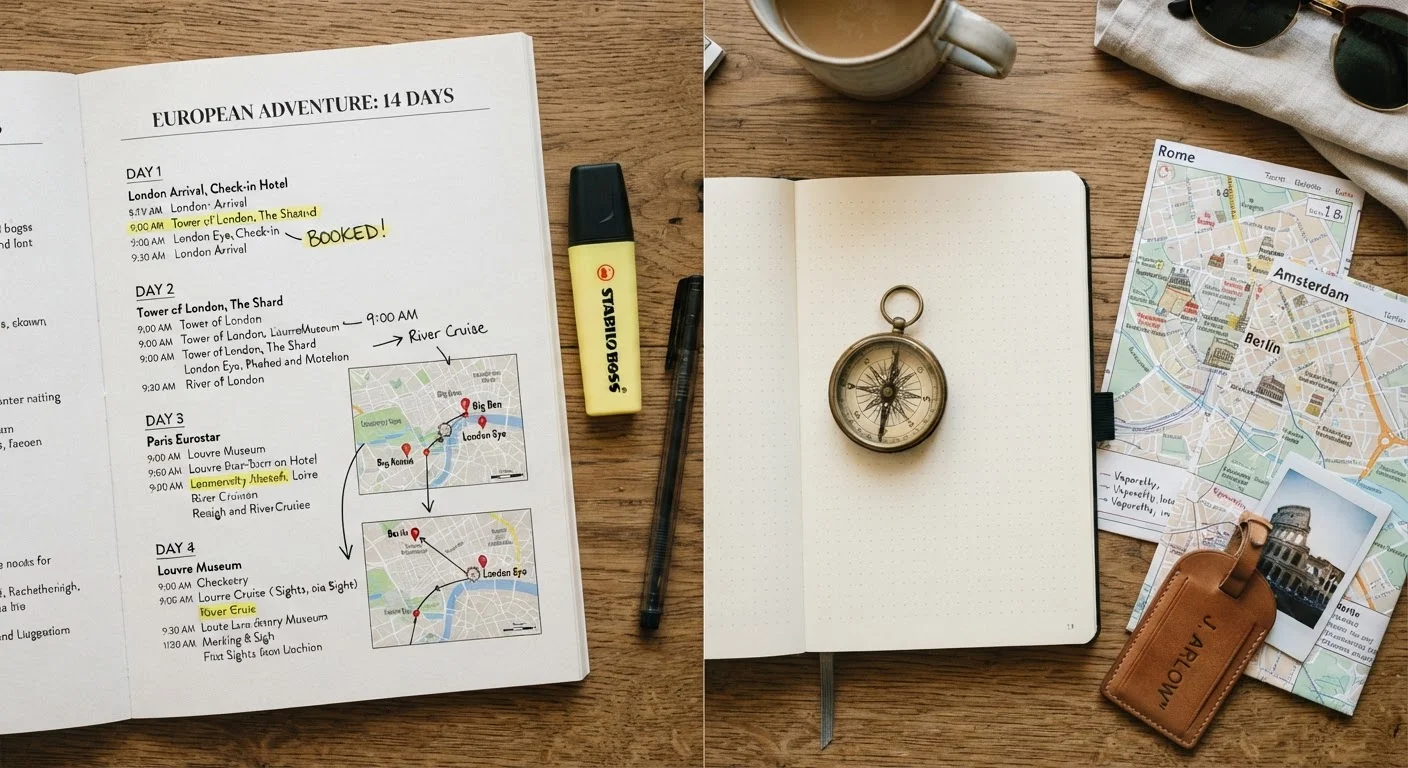
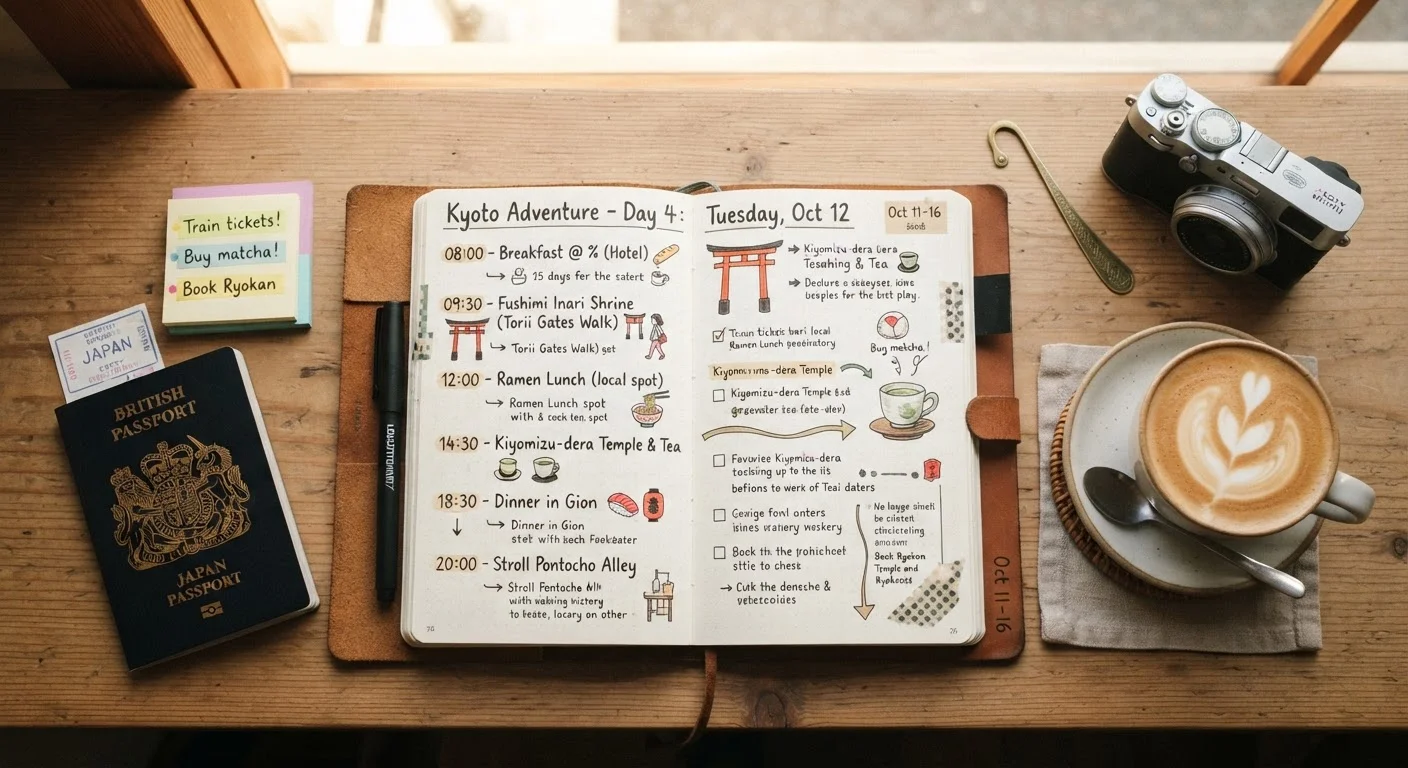
The week before departure. Confirm all bookings, download offline maps, assemble documents, and pack with your actual itinerary in mind. This is also when you build your day-level plan - not a minute-by-minute schedule, but a logical sequence of priorities. See our itinerary-building guide for a practical framework.
Phase 5: Review
Post-trip. Most travelers skip this entirely, but it's where compounding value lives. A short written debrief - what worked, what you'd do differently, what you'd recommend - makes every subsequent trip faster to plan and more enjoyable to take.
Build a Reusable Planning Checklist
After your first trip through this framework, document your personal checklist - the specific items that matter for your travel style. A reusable template cuts planning time on every subsequent trip and ensures you don't rebuild the process from scratch each time. Keep it simple: one column per phase, key actions only.
Adapting the Framework to Your Trip Type
The five-phase structure applies whether you're planning a solo weekend trip or a multi-week group itinerary - but the weight you give each phase shifts. Solo travelers can compress Phases 1 and 2 significantly because there's only one set of preferences to reconcile. Group trips expand Phase 3 considerably; coordinating schedules, preferences, and budgets across multiple people is where most group travel friction originates. Our group trip logistics guide covers that in detail.
Budget-focused trips put more pressure on Phase 2 - timing, transport mode, and accommodation zone choices have an outsized effect on total cost. Budget travel strategies that work in one destination may not apply in another, which is why research always precedes booking.
If you're starting completely from scratch, our complete trip planning walkthrough covers each phase with specific actions and decision points.