Why At-Home Grooming Matters Beyond Appearance
Regular grooming is one of the most practical forms of preventive care available to pet owners. It's not cosmetic - it's clinical. Brushing distributes skin oils and prevents matting that can trap moisture against the skin, creating conditions for bacterial or fungal growth. Nail trims prevent postural compensations that, over time, stress joints. Ear checks catch early-stage infections before they become painful and expensive. These habits integrate naturally into the broader preventive framework outlined in our guide to building a preventive care routine for a new pet.
For many pets, the grooming table (or bathroom floor) is a source of significant stress. Research in veterinary behavioral science consistently shows that low-stress handling techniques - rewarding calm behavior, working at the animal's pace, and keeping sessions short - produce faster and more durable desensitization than restraint-based approaches. Understanding your pet's stress signals - lip licking, whale eye, tail tucking, or freezing - and pausing when you see them is not indulgent; it's strategically effective.
Keep Sessions Short and Rewarding
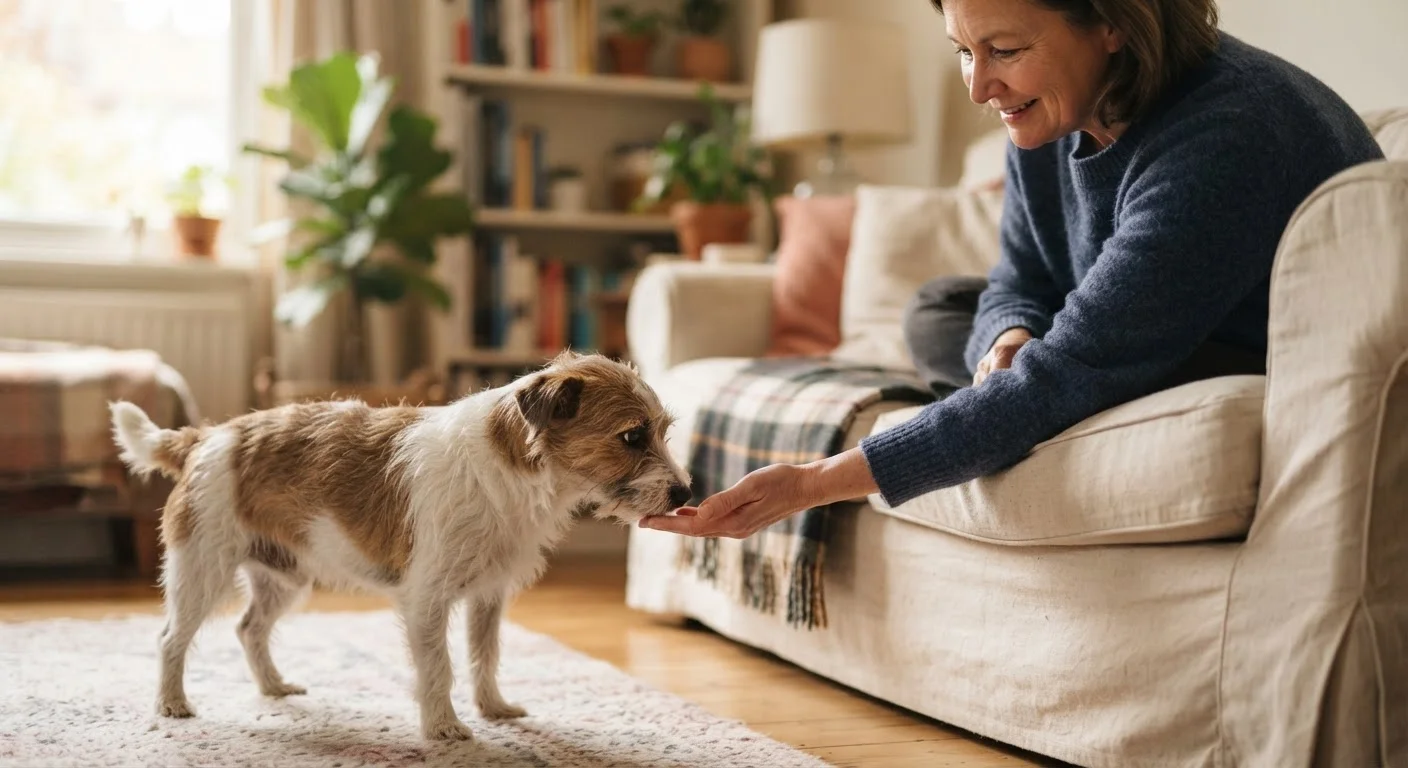
A 10-minute session that ends on a positive note is far more effective than a 45-minute struggle. Build duration gradually over multiple weeks, always pairing handling with high-value treats. Pets that associate grooming with good outcomes are measurably easier to work with as they age.
Integrate grooming tasks into your monthly pet care checklist so nothing gets overlooked across a busy schedule.
What You Need and How to Get Started
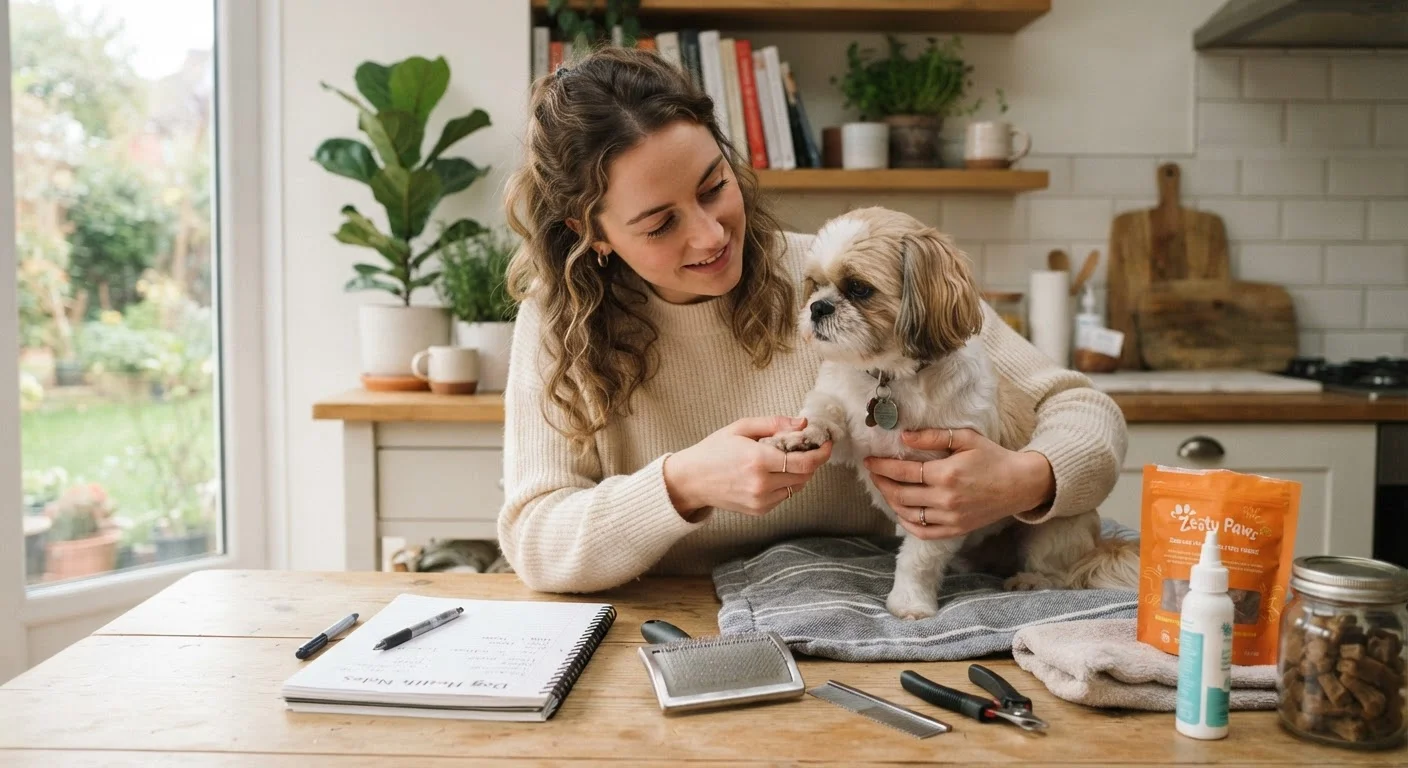
Having the right tools reduces friction and improves outcomes. A brush suited to your pet's coat type - slicker for medium to long coats, rubber curry brush for short-haired cats and dogs - does far more with less effort than an all-purpose brush. For nail clippers, both guillotine-style and scissor-style work effectively; what matters more is keeping them sharp, since dull blades crush rather than cut cleanly.
What you will need
Before your first full grooming session, spend several shorter sessions simply introducing each tool without using it. Let your pet sniff the clippers, hear the sound, and receive a treat. This desensitization phase, grounded in the same principles discussed in building a behaviour-aware environment, significantly reduces reactivity when the actual task begins.
Slicker brush or deshedding tool
Removes loose fur, detangles, and distributes natural skin oils through the coat.
Pet-safe nail clippers (scissor or guillotine style)
Trims nail tips cleanly without crushing the nail, reducing the risk of hitting the quick.
Styptic powder
Stops minor bleeding quickly if the nail quick is accidentally nicked during trimming.
Veterinarian-approved ear cleaning solution
Loosens wax and debris from the ear canal without irritating sensitive tissue.
Cotton balls or gauze pads
Used to gently wipe the outer ear after applying cleaning solution - never Q-tips.
Mild, species-specific shampoo
Cleans the coat without stripping protective oils or irritating skin pH.
Non-slip bath mat
Prevents slipping during baths, which is a leading cause of bath-time anxiety in dogs.
Set up your grooming space before your pet enters
Lay out every tool you need before bringing your pet into the space. Fumbling for a nail clipper mid-session spikes your stress level - and pets read that energy immediately. Choose a quiet room, place a non-slip mat on the floor or table, and set treats within easy reach. Keep the space temperature-neutral; a cold room or slippery tub dramatically increases resistance.
Brush the coat thoroughly before any water contact
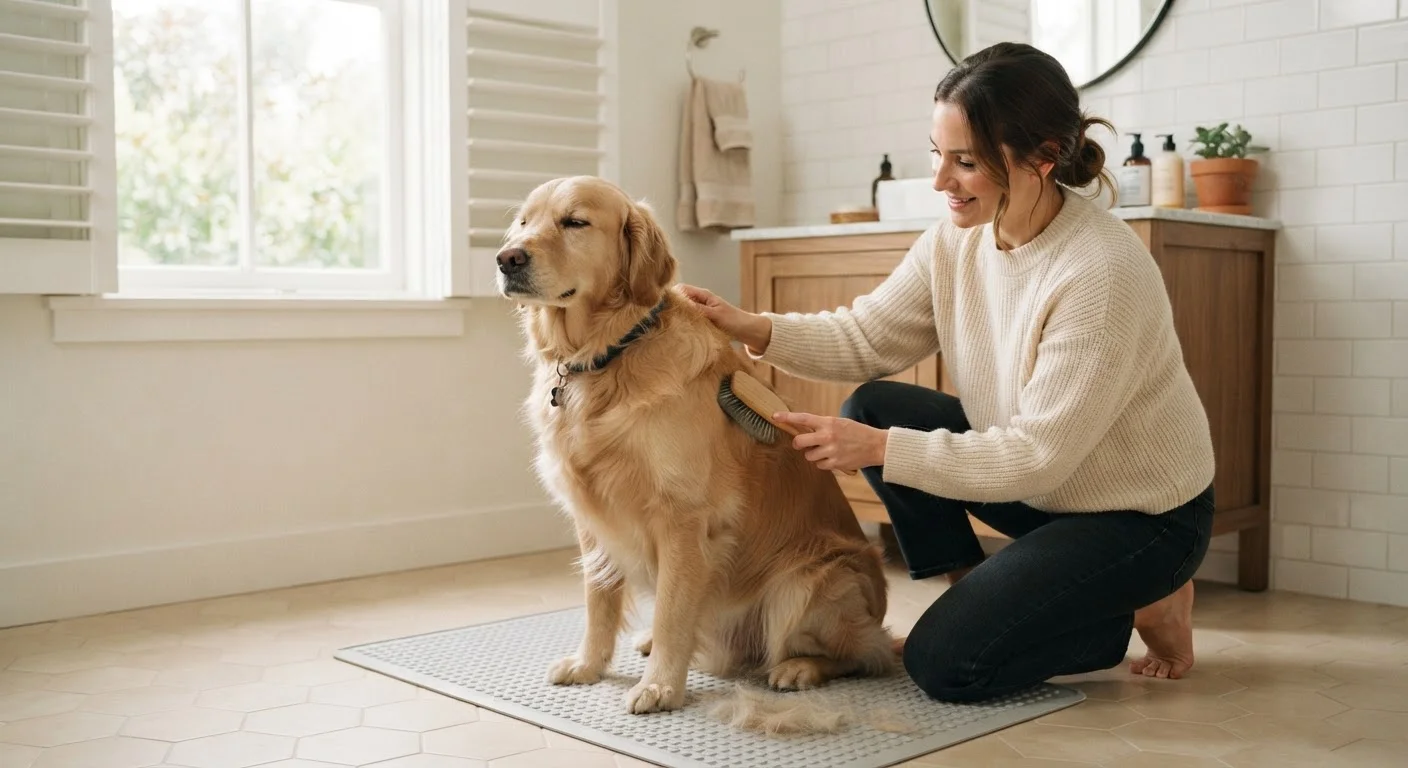
Always brush before bathing. Wet mats are far harder to remove and can tighten against the skin, causing discomfort or hidden skin issues. Work in the direction of hair growth using long, gentle strokes. For double-coated breeds (Huskies, Golden Retrievers, long-haired cats), part the coat in sections and work from root to tip. Short-haired pets typically need only 2-3 minutes of brushing; dense coats may need 15-20 minutes.
Use this time to palpate gently for lumps, skin changes, or parasites - a habit that dovetails well with the broader checks described in routine wellness visits.
Bathe with lukewarm water and minimal restraint
Use water that feels comfortably warm on your wrist - not hot. Wet the coat thoroughly before applying shampoo, then work lather from neck to tail, avoiding the eyes and inner ears. Rinse completely; residual shampoo is a common cause of skin irritation and itching. Pat dry with a towel rather than rubbing, which causes tangling and static. If your pet tolerates a dryer, use the lowest heat setting and keep it moving.
Trim nails little and often
Identify the quick - the pink vascular core visible in light-colored nails. On dark nails, trim in small increments until you see a small dark dot appear in the center of the cut surface, which indicates you're approaching the quick. Clip just the curved tip at roughly a 45-degree angle. If your pet is resistant, trim one or two nails per session rather than forcing all four paws at once. Consistency over weeks matters more than completing the job in one sitting.
Clean ears only when visibly dirty
Healthy ears have minimal odor and little visible debris. If you see dark buildup, mild wax, or debris, apply a few drops of veterinarian-approved ear cleaning solution into the ear canal, gently massage the base of the ear for 20-30 seconds, then allow your pet to shake their head. Wipe the visible outer canal with a cotton ball - never insert a Q-tip into the canal. Repeat on the other ear only if needed.
Redness, strong odor, excessive scratching, or dark crumbly discharge are signs of possible infection or mites - these warrant a veterinary visit, not a DIY cleaning attempt.
If your pet exhibits persistent, severe grooming anxiety - lunging, biting, or complete shutdown - consult your veterinarian before proceeding. Some animals benefit from behavioral support or, in rare cases, short-term pharmacological intervention, which is a clinical decision that belongs with a professional.
This article is for general informational and educational purposes only. It is not a substitute for professional veterinary advice, diagnosis, or treatment. Always consult a qualified veterinarian for guidance specific to your pet's health and behavior.