
Why a Monthly Rhythm Matters for Pet Health
Annual vet visits are essential, but they capture only a single snapshot. The weeks between appointments are where most health changes quietly unfold - a gradual weight shift, a subtle change in drinking habits, a coat that's lost its luster. A structured monthly review gives you a reliable system for spotting those signals early.
This checklist is designed for owners who already understand the basics and want a more rigorous, evidence-informed routine. It covers five core domains: nutrition, grooming, parasite control, dental health, and behavioral observation. Work through it at a consistent time each month - some owners align it with a bill-pay date or the first day of a new month to build the habit.
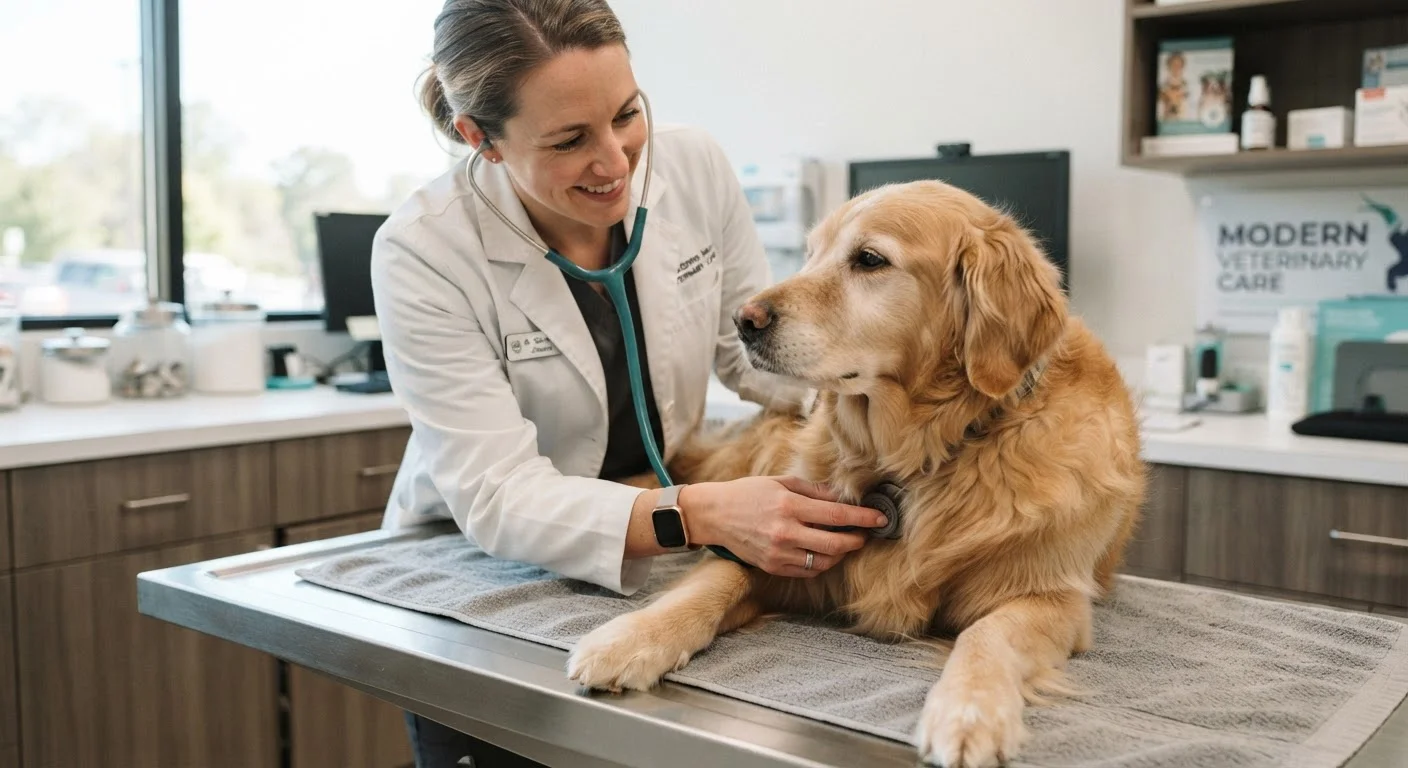
For context on what your vet evaluates during a formal appointment, see what vets actually check during wellness visits - it complements what you're doing here at home.
Nutrition Review
Grooming and Skin Check
Parasite Prevention
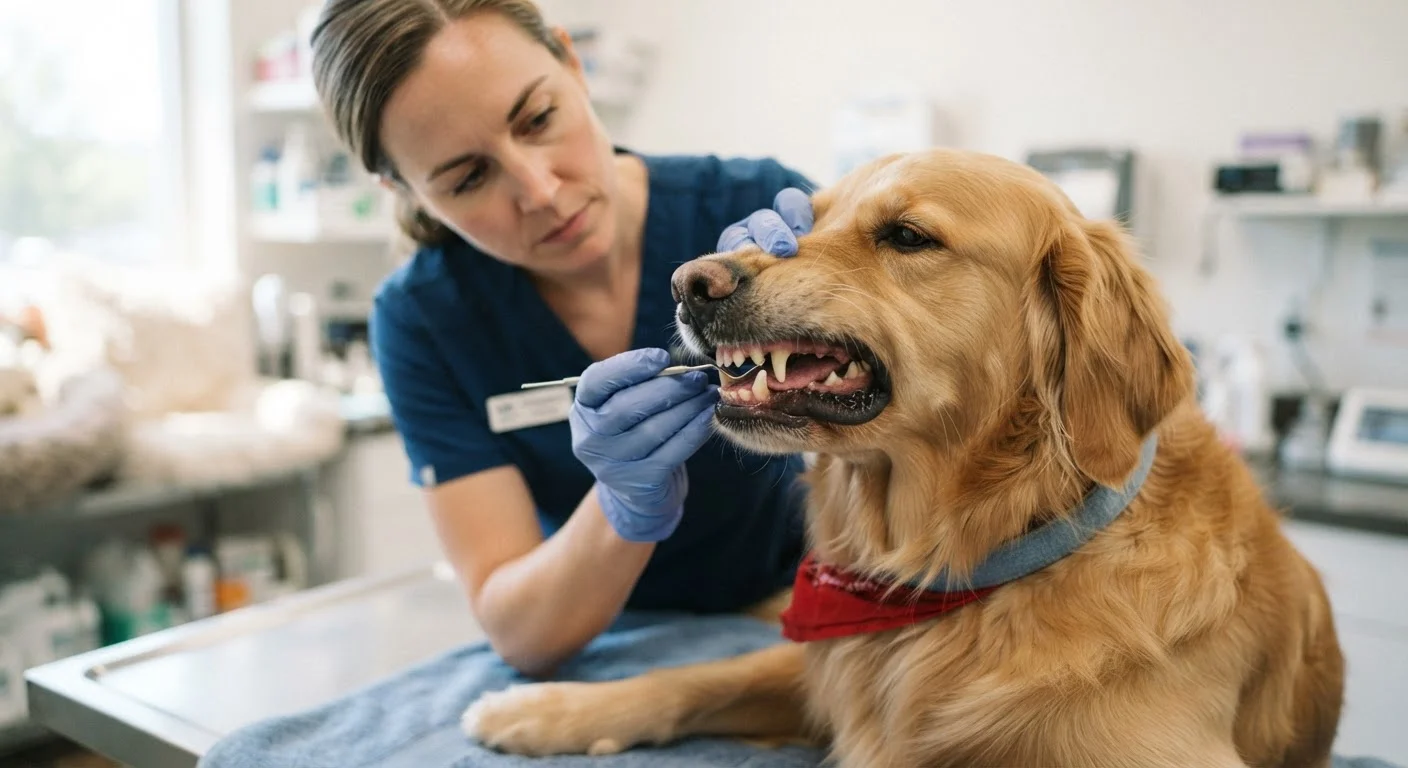
Dental Health
Behavioral Observation Log
Tools You'll Need to Work Through This Checklist
Most of what you need is likely already in your home. A few targeted tools make the process more thorough and consistent.
Digital pet scale or bathroom scale
Track monthly weight changes accurately - small variations are easier to catch with a consistent, calibrated scale.
Pet-safe enzymatic toothpaste and toothbrush
Used for monthly dental inspections and the ongoing brushing routine that supports gum and tooth health.
Flea comb
Fine-toothed comb that physically surfaces flea dirt and small parasites during the monthly coat check.
Pet health journal or tracking app
Logs weight, behavioral notes, and grooming findings month to month so you can identify trends rather than isolated incidents.
Nail clippers or grinder (species-appropriate)
Needed for monthly nail maintenance to prevent overgrowth, splitting, and posture problems.
Penlight or small flashlight
Helps illuminate ear canals, mouth interiors, and skin folds during your physical inspection.
Nutrition, Dental, and Behavioral Notes
Two areas deserve extra attention because they're both high-impact and easy to underestimate. Dental disease affects an estimated 70-80% of dogs and cats over age three, according to veterinary dental literature, yet it's one of the most preventable conditions in companion animals. The science behind pet dental health explains exactly how oral bacteria connect to systemic conditions - worth reading alongside this checklist.
Don't Skip Dental Checks in Young Pets
Periodontal disease can begin as early as age two in dogs and cats. Many owners assume dental issues only affect older animals, but plaque and tartar accumulate quickly without consistent home care. Monthly oral inspections - combined with regular brushing - are one of the highest-value habits you can establish early. If you notice tartar buildup you can't address at home, consult your vet about a professional cleaning.
Behavioral changes are equally telling. Subtle shifts - increased hiding, reduced play engagement, repetitive movements - can indicate pain, cognitive changes, or compulsive disorder. Keeping a short monthly log transforms vague impressions into trackable data. If you notice patterns like circling or over-grooming, understanding what drives compulsive habits in pets provides a research-grounded starting point. Your home environment also plays a role - auditing your space with animal needs in mind can help reduce behavioral triggers before they become entrenched.
Sudden Behavioral Changes Need Veterinary Evaluation
A sharp change in behavior - especially one that appears over days rather than weeks - is often a symptom of an underlying physical condition, not simply a personality shift. Pain, neurological changes, endocrine disorders, and infections can all present behaviorally first. Do not wait for the annual visit if you observe sudden, unexplained changes in your pet's temperament, appetite, or movement. Contact your veterinarian promptly.
This checklist is for general informational and educational purposes only. It does not constitute veterinary advice. Always consult a licensed veterinarian for concerns about your pet's health, behavior, or treatment needs.