The Nose-to-Tail Physical: What the Vet Is Actually Doing
Most pet owners see the wellness exam as a quick once-over before shots. In reality, a skilled veterinarian moves through a structured, systematic protocol that evaluates every major organ system in roughly 20 to 30 minutes. Here's what that actually involves:
- Eyes and ears: Checked for discharge, redness, cloudiness, and signs of infection or early cataract formation.
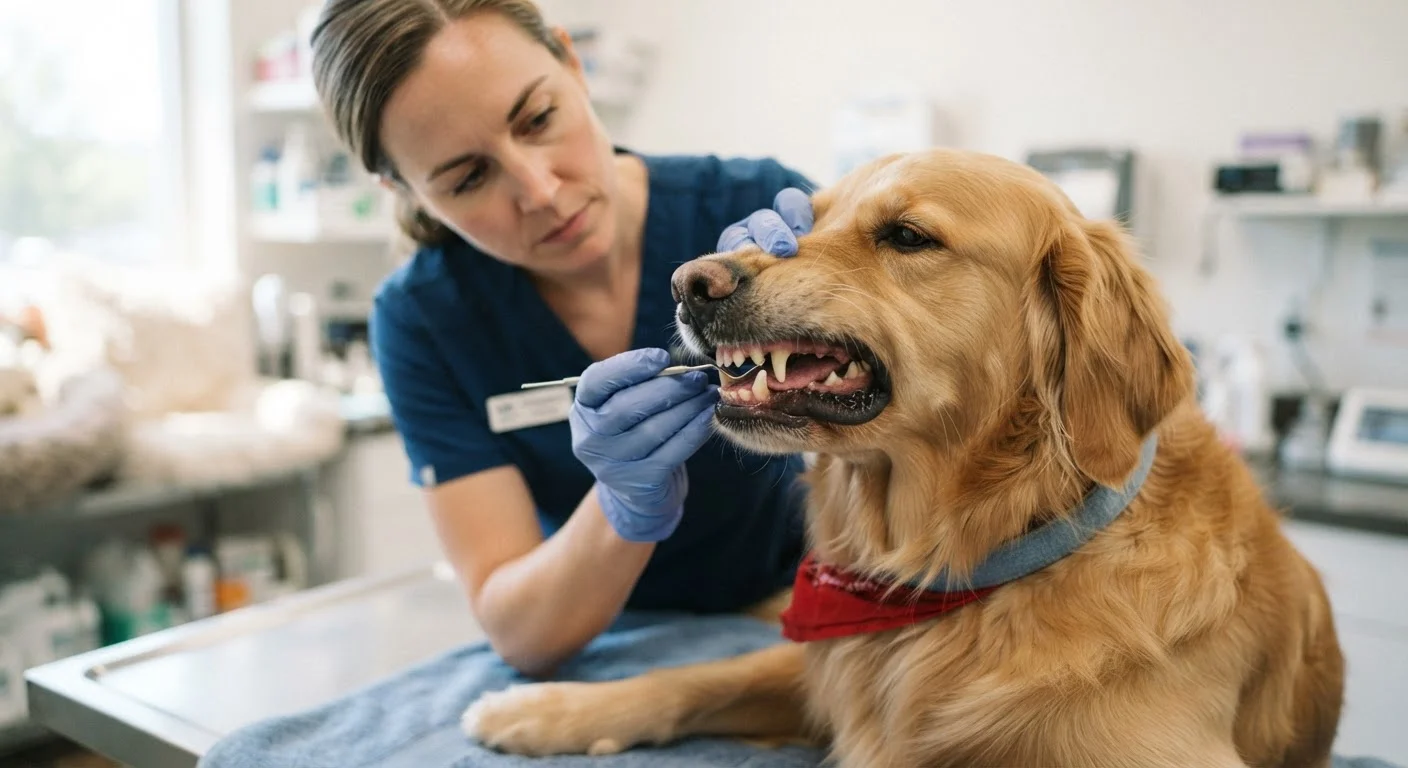
- Mouth and teeth: Assessed for tartar buildup, gum inflammation, tooth fractures, and signs of periodontal disease - one of the most common conditions in pets over three. See why oral health connects to systemic wellbeing for a deeper look.
- Lymph nodes: Palpated along the neck, armpits, and groin to detect enlargement that may indicate infection or immune system activity.
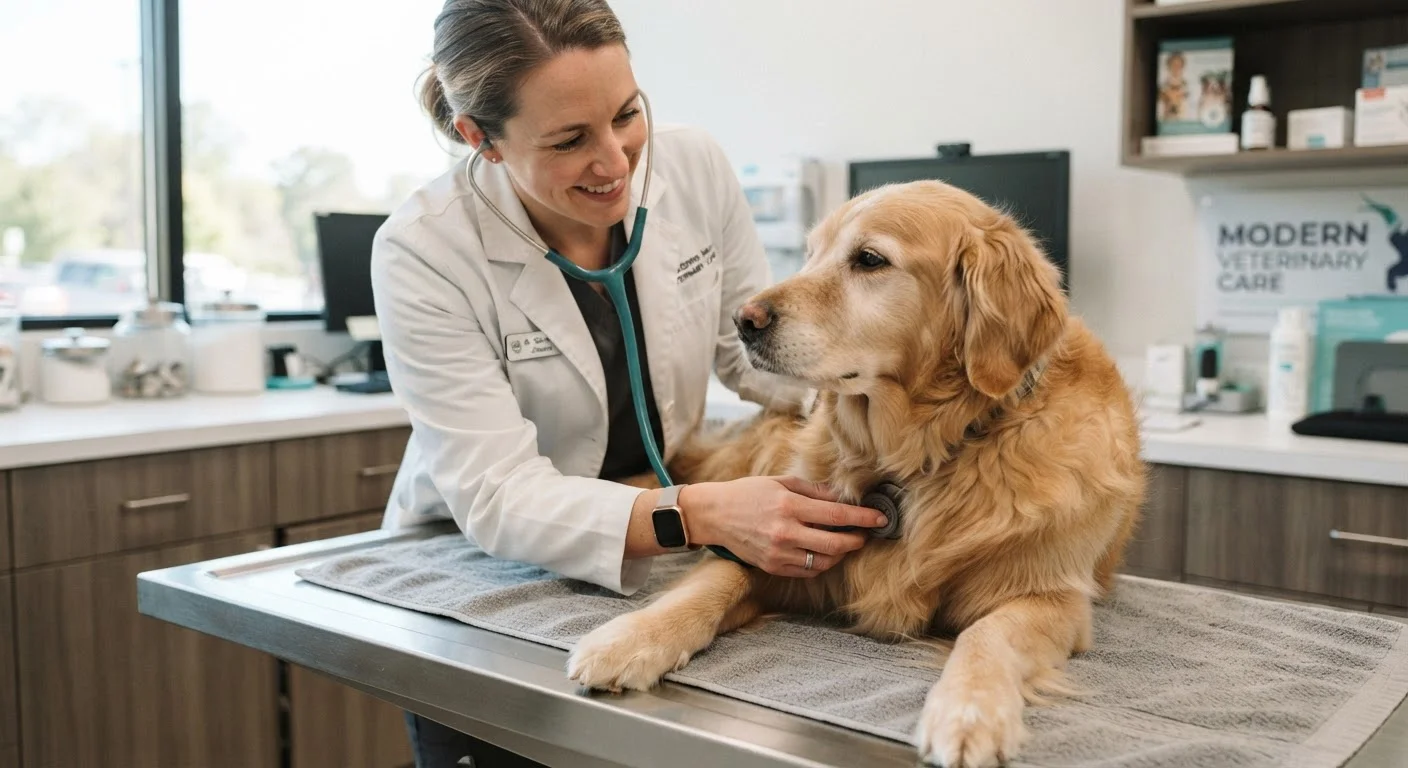
- Heart and lungs: Auscultated with a stethoscope. Heart murmurs, arrhythmias, and abnormal lung sounds can be identified years before clinical signs appear.
- Abdomen: Gently palpated to assess organ size and position, detect masses, and evaluate for discomfort. Enlarged kidneys, a distended bladder, or thickened intestinal loops are all palpable findings.
- Skin and coat: Examined for lumps, hair loss, parasites, and skin infections. Coat quality is also a reliable indirect indicator of nutritional status.
- Musculoskeletal system: Range of motion is assessed in the limbs and spine. Early arthritis, particularly in aging dogs, is frequently first detected here rather than at home.
Senior Pets Age Faster Between Visits
A common guideline is that one human year is roughly equivalent to four to seven pet years, depending on species and size. This means the health picture of a ten-year-old dog can change substantially in the span of a single year. If your pet is in their senior years, discuss with your vet whether annual exams are sufficient or whether biannual visits make more sense for their situation.
Weight, Body Condition Score, and Why Numbers Aren't Enough
The scale reading is just a starting point. Vets use a standardized Body Condition Score (BCS) - typically a 9-point scale - to assess whether a pet's weight is appropriate for its frame. A heavy-boned Labrador at 80 lbs may be lean; a small-framed cat at 12 lbs may be significantly overweight. The BCS involves feeling for rib coverage and assessing waist definition, providing a more meaningful picture than weight alone.
Tracking BCS across visits builds a trend line. A half-point shift over six months can signal an emerging issue - early diabetes, hyperthyroidism in cats, or cardiac disease - long before clinical symptoms appear. If your pet's weight has been creeping upward, understanding the role routine plays in reversing it can help you take action between visits.
Weigh Your Pet at Home Between Visits
For small dogs and cats, you can get a reasonably accurate home weight by stepping on a bathroom scale while holding your pet, then subtracting your own weight. Recording this monthly gives you a trend line to share with your vet and can help you catch gradual changes - which are often more significant than sudden ones.
Parasite Screening, Vaccines, and Preventive Protocols
The wellness visit is also when preventive care gets synchronized. This typically includes:
- Fecal exam: A stool sample is analyzed under a microscope for intestinal parasites including roundworms, hookworms, giardia, and coccidia - many of which cause no visible symptoms but can affect long-term health and, in some cases, transmit to humans.
- Heartworm test: A blood test recommended annually for dogs in most of the US, and increasingly recommended for cats in high-risk regions. A negative result allows preventive medication to be prescribed or continued.
- Vaccine review: Rather than automatically repeating every vaccine each year, most vets now assess each pet's individual risk profile - lifestyle, geography, age - to determine which vaccines are due. Core vaccines follow established schedules; non-core vaccines are tailored.
If you're building out a broader health routine, a structured introduction to preventive care for new pets covers how these elements fit into a long-term plan.
~80%
Dogs with dental disease by age 3
The American Veterinary Medical Association estimates that the majority of dogs show signs of periodontal disease by their third birthday, making dental assessment a critical component of every wellness exam.
2×/year
Recommended exam frequency for senior pets
Most veterinary guidelines recommend biannual wellness visits for dogs and cats over seven years of age, given the accelerated rate at which age-related conditions can progress.
1 in 3
Pets with intestinal parasites showing no symptoms
Veterinary parasitology data suggests a substantial proportion of infected pets show no clinical signs, underscoring why routine fecal screening is recommended even in apparently healthy animals.
Making the Most of Each Visit
The wellness appointment is also your window into your pet's health as an active participant. Vets rely on your observations - changes in appetite, thirst, elimination habits, energy level, or behavior - as diagnostic signals. A dog drinking noticeably more water, or a cat grooming less, may prompt targeted diagnostics that would otherwise be deferred.
Come prepared with specific questions. If your vet notices mild tartar, ask what that means for your cleaning schedule at home. If your cat's weight has shifted, ask whether the current feeding amount is still appropriate. Between visits, the monthly pet care checklist offers a structured way to track the kinds of observations your vet will find most useful.
Grooming is another area where what you observe at home matters clinically. Regular handling - including at-home grooming routines - familiarizes you with your pet's normal lumps, bumps, and coat condition, making it easier to flag changes at the next exam.
This article is for general informational purposes only and does not constitute veterinary medical advice. Always consult a licensed veterinarian for guidance specific to your pet's health needs.