Why Pet Obesity Is Harder to See Than You Think
Estimates from veterinary associations suggest that more than half of domestic dogs and cats in the United States are overweight or obese. Yet many owners don't recognize it - partly because weight gain in pets is gradual, and partly because a rounder pet can look healthy or even content to untrained eyes.
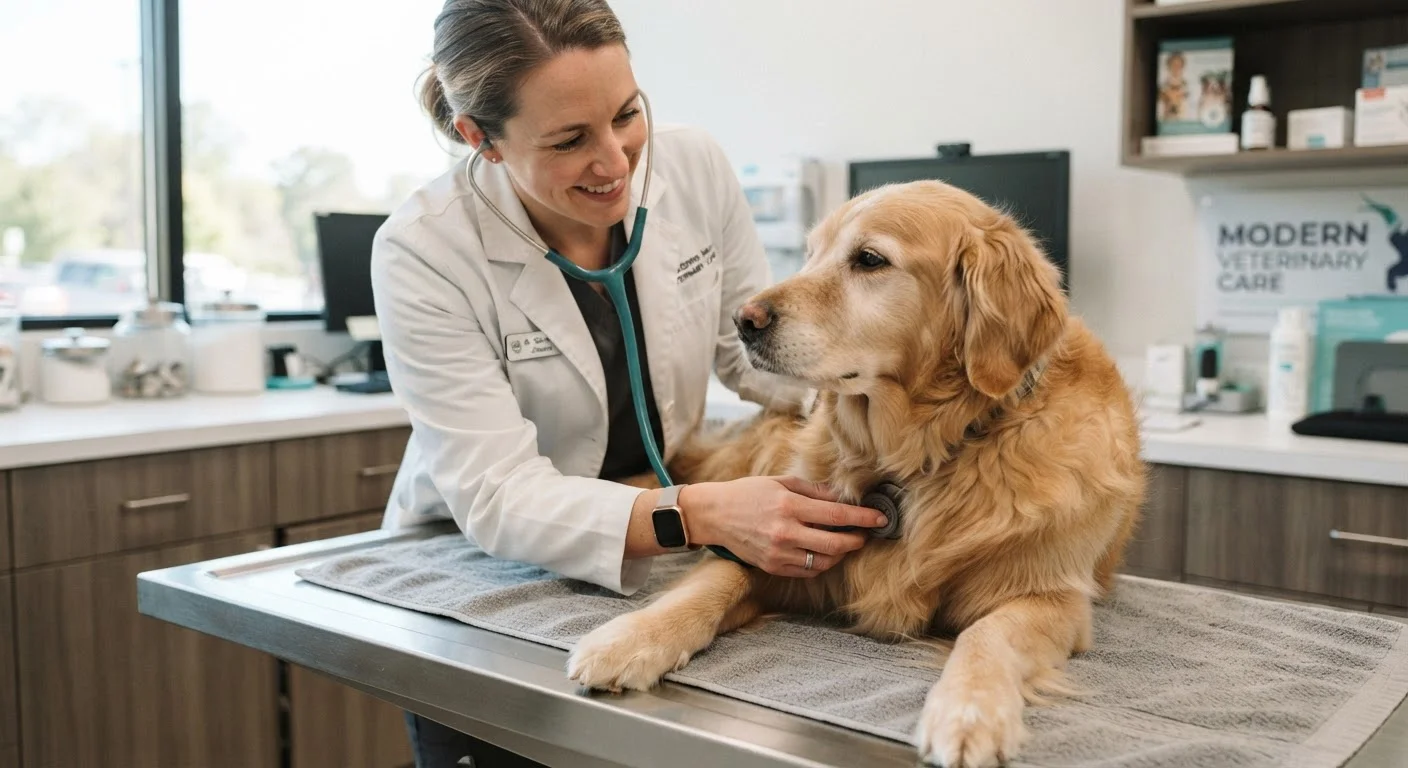
Unlike humans who step on scales regularly, pets are weighed mainly at vet visits. That gap between check-ups is where unnoticed weight creep happens. A pet carrying even 10-15% more than its ideal body weight faces meaningfully elevated risk for joint disease, diabetes, respiratory difficulty, and shortened lifespan.
The good news: the same behavioral patterns that cause weight gain can be redirected. Understanding why excess weight accumulates is the essential first step - and the mistakes below are where most owners need to start. For a broader picture of what your vet monitors at annual exams, see what vets actually assess during wellness visits.
59%
US dogs classified as overweight or obese
According to the Association for Pet Obesity Prevention's annual clinical survey of practicing veterinarians.
10%
Maximum recommended treat contribution to daily calories
This threshold is widely cited by veterinary nutritionists as the upper safe limit for treat-sourced calories in companion animals.
The Most Common Mistakes That Cause Weight Gain in Pets
Most cases of pet obesity trace back to a handful of predictable, correctable errors in feeding and activity management. Recognizing these patterns is more useful than fixating on any single dietary rule.
Free-feeding - leaving food out all day and allowing pets to graze at will.
Why it happens: It feels kind and convenient, and pets rarely refuse food even when they're not genuinely hungry.
Underestimating the caloric contribution of treats and table scraps.
Why it happens: Treats feel minor in the moment, but they can easily account for 20-30% of a small pet's daily caloric intake without owners realizing it.
Confusing food-seeking behavior with genuine hunger.
Why it happens: Pets solicit food for many reasons - boredom, anxiety, habit, or attention-seeking - and the behavior looks identical to real hunger.
Failing to adjust food intake as a pet ages or becomes less active.
Why it happens: Owners continue feeding the same amounts they used when a pet was younger, more active, or a different weight.
Relying on appearance alone rather than body condition scoring.
Why it happens: Fluffy coats and breed-specific builds make visual weight assessment unreliable without a standardized framework.
Rapid Weight Loss Can Also Be Harmful
It may seem counterintuitive, but aggressive calorie restriction - particularly in cats - carries real medical risk, including hepatic lipidosis (fatty liver disease), a potentially life-threatening condition. Weight loss in pets should be gradual, typically no more than 1-2% of body weight per week, and always overseen by a veterinarian.
How Routine Becomes the Actual Treatment
Veterinary nutritionists widely agree that structured routine - rather than sporadic correction - is the most sustainable approach to weight management in companion animals. Here's what that looks like in practice:
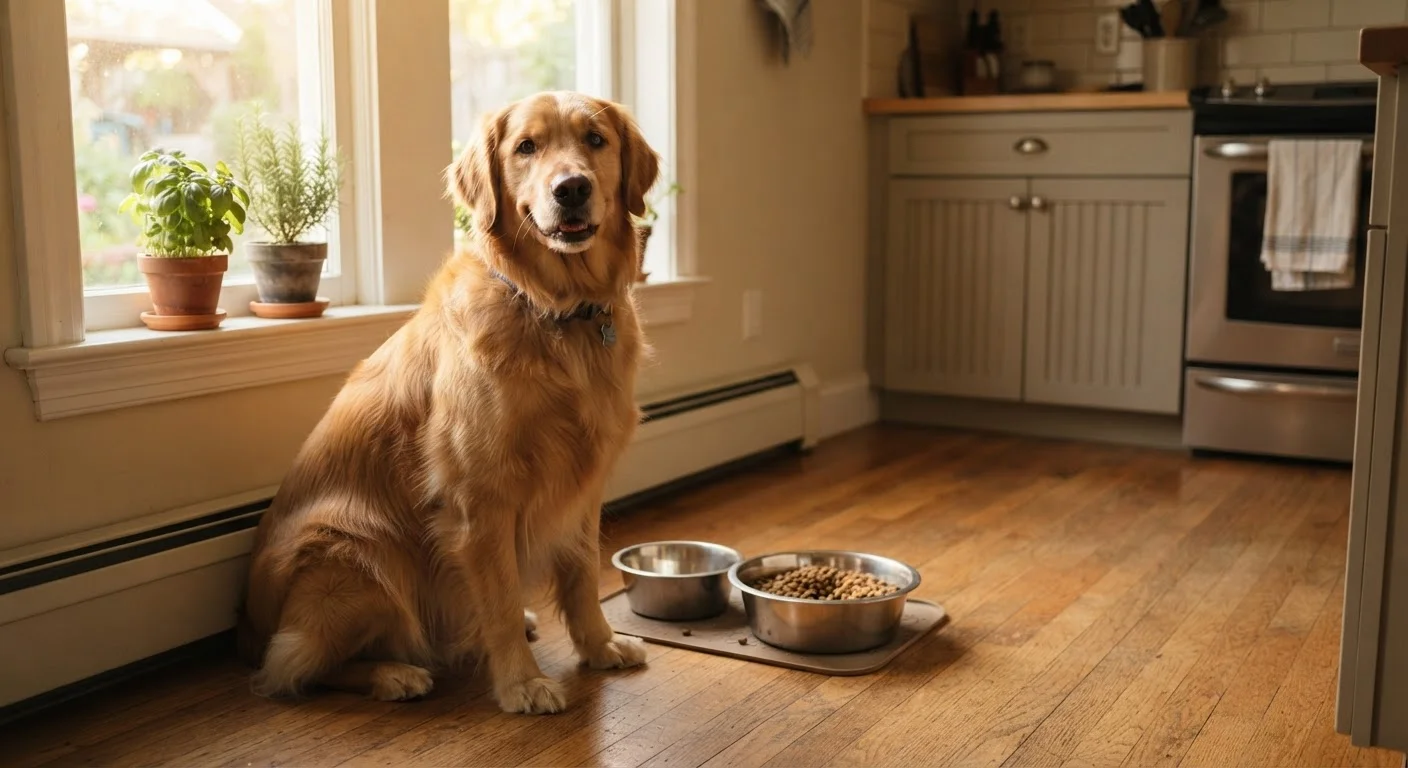
- Timed, measured meals: Feed at consistent times using a kitchen scale or measuring cup calibrated to your vet's target calorie recommendation. Remove uneaten food after 20-30 minutes.
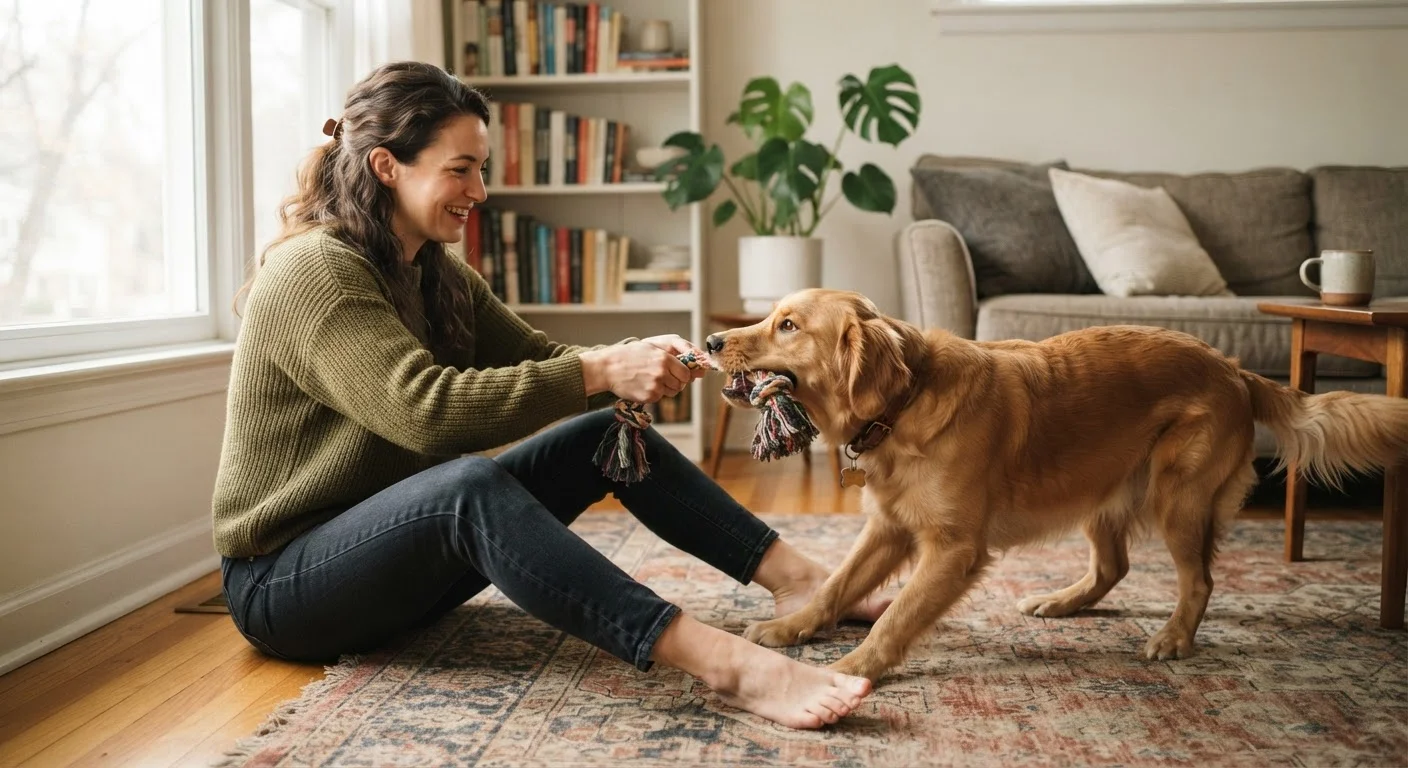
- Activity scheduling: Treat daily exercise the same way you treat feeding - a fixed appointment, not a when-I-get-around-to-it task. The structured use of play can make activity sessions more engaging and effective.
- Tracking weight trends: Weigh your pet monthly using a home scale or your vet's waiting room scale. Small increments caught early prevent large corrections later.
Routine also benefits pets behaviorally. Predictable feeding windows reduce food-seeking anxiety - one driver of stress-related overfeeding. For more on how environment shapes pet behavior, auditing your home setup is a valuable companion exercise.
This article provides general educational information about pet wellness and is not a substitute for individualized veterinary advice. Always consult a licensed veterinarian before changing your pet's diet, caloric intake, or exercise regimen.