
What Each Framework Actually Does
Both methods solve the same problem - trip spending getting away from you - but they attack it from opposite directions.
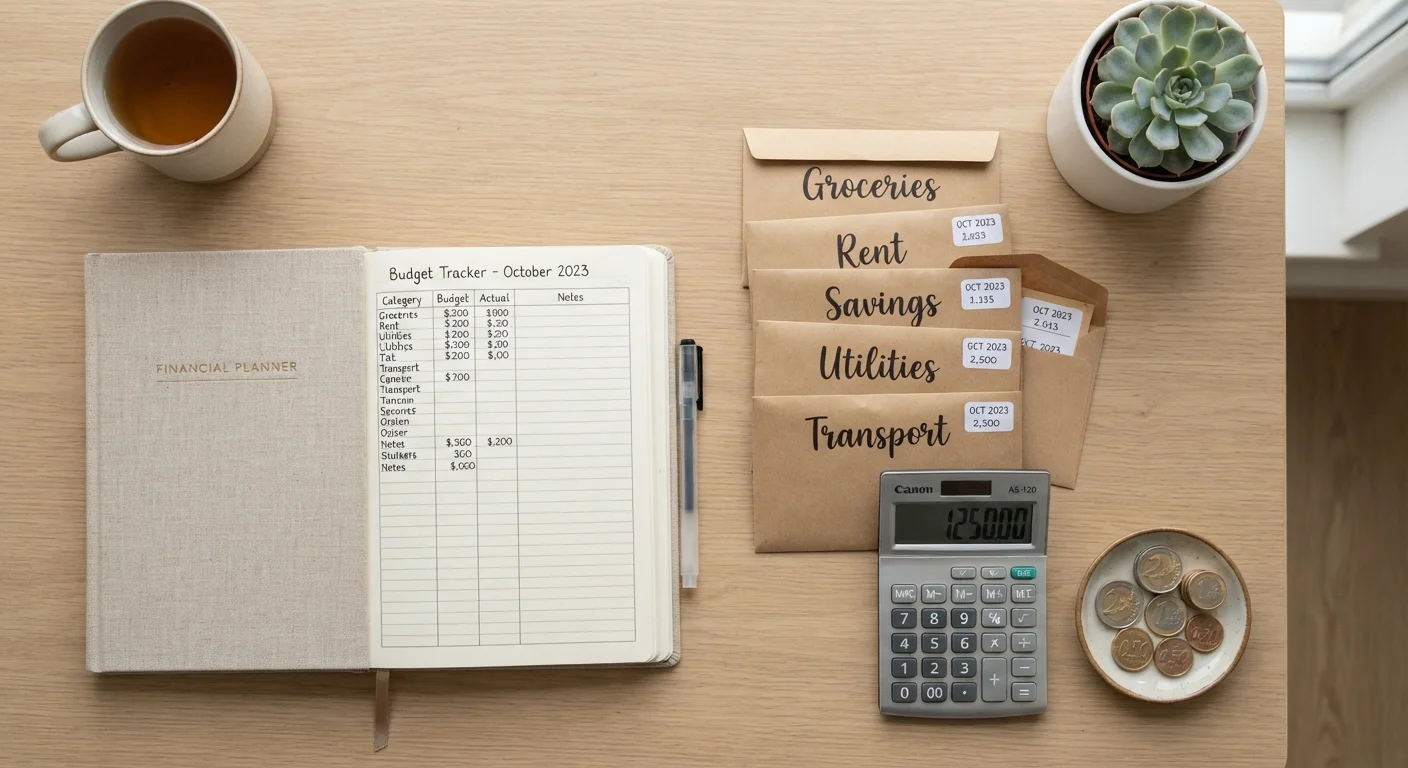
The envelope method is a pre-trip allocation system. Before you leave, you divide your total travel budget into discrete spending categories: accommodation, food, transport, activities, and a contingency buffer. Each category gets a fixed dollar cap. Once a category is spent, it's spent. The logic is borrowed directly from cash-envelope household budgeting - a concept explored further in our look at envelope budgeting vs. the 50/30/20 rule.
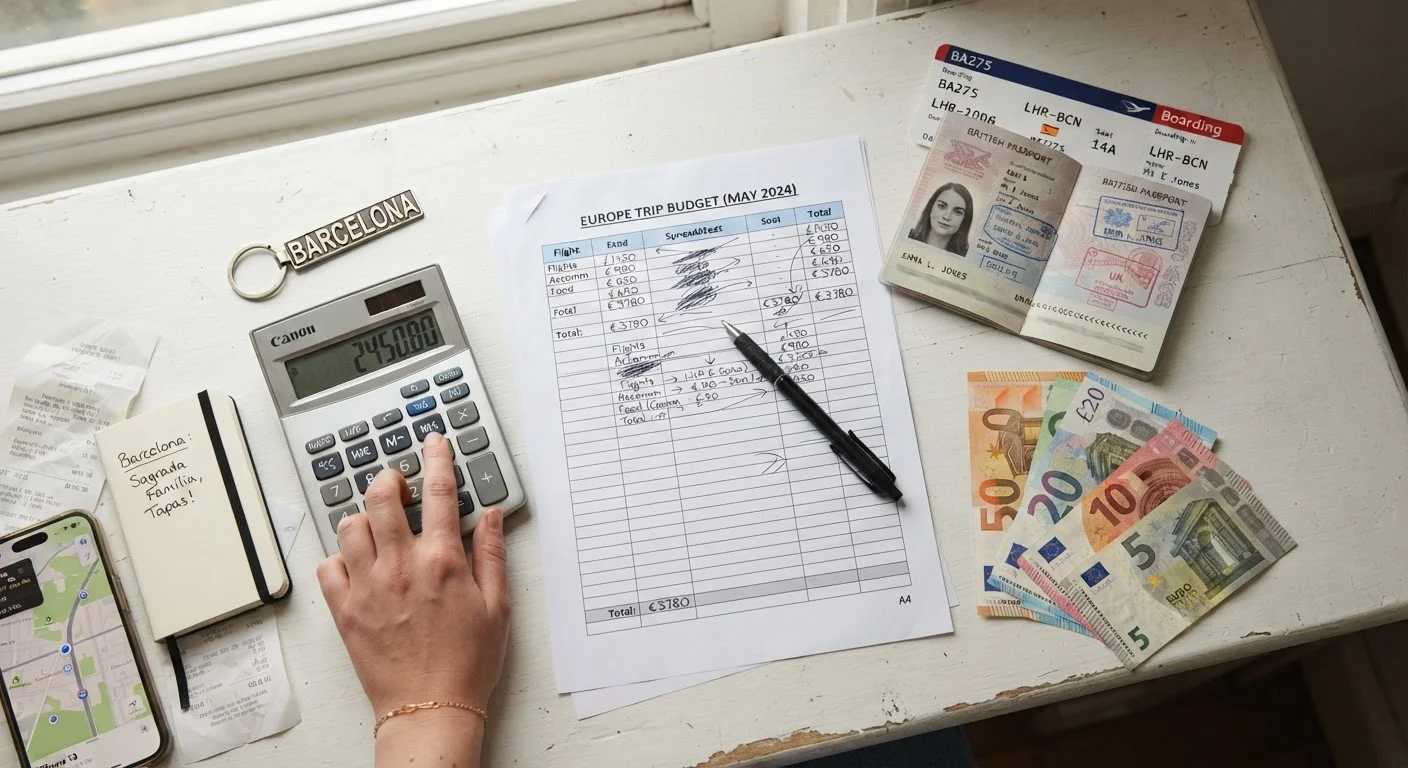
The rolling estimate is a live-tracking system. You start with a daily or total spending target and log every expense as it happens. The tracker recalculates your remaining budget and remaining days continuously, flagging whether you're running ahead of or behind your target. There's no rigid per-category wall - you're managing a running total.
The practical difference: envelopes prevent overspending before it happens; rolling estimates detect it as it happens.
How They Compare Across Key Criteria
Choosing between these two frameworks comes down to more than preference - it affects how much planning work you do before departure versus during the trip itself.
| Envelope Method | Rolling Estimate | |
|---|---|---|
| Setup timing | Before the trip | Before and during the trip |
| Flexibility during travel | Low - fixed category caps | High - reallocate freely |
| Discipline required | Low - limits are built in | High - requires daily logging |
| Best trip length | Short trips (2-5 days) | Longer or multi-destination trips |
| Handles surprises | Poorly without contingency buffer | Well, via daily recalculation |
| Complexity | Simple to set up | Moderate ongoing effort |
One underappreciated factor is trip predictability. A long weekend in a city you've visited before is highly predictable - envelope budgeting thrives here. A two-week trip across multiple countries with varied accommodation types introduces enough variability that rigid per-category envelopes can misfire. Be honest about how well you can forecast your actual spending patterns before committing to a structure. Hidden costs like visa fees and departure taxes are also easier to absorb within a rolling estimate's flexible structure than within fixed envelopes.
Running Each Method in Practice
Setting up envelopes: Start with your hard total - what you've actually saved for this trip. Deduct pre-paid fixed costs (flights, accommodation deposits) first since those are already locked. Divide the remainder across variable categories. A workable starting split for a domestic US city trip might be 40% food and drink, 30% activities and transport, 20% shopping and incidentals, 10% contingency. Adjust based on your destination's cost profile.
Build Your Contingency Envelope First
Before allocating to any spending category, set aside 10-15% of your variable budget as an untouchable contingency. This covers medical copays, transport delays, or exchange rate fluctuations without forcing you to raid other envelopes. Treat it as insurance, not a bonus spend.
Running a rolling estimate: Set a daily spending target by dividing your variable budget by trip days. Every evening, log the day's spending and compare to target. The key discipline: recalculate your remaining daily allowance after any high-spend day rather than treating each day in isolation. A simple spreadsheet or a notes app with running totals works fine - you don't need a dedicated budgeting app.
If your planning style is already structured, see how pay-yourself-first compares to traditional expense tracking - the same tension applies when you're managing travel funds alongside your regular finances.
When to Combine Both Approaches
The most resilient approach for trips longer than five days is a hybrid: use envelopes for your two highest-risk categories (typically food and activities, where discretionary pressure is highest), and a rolling estimate for everything else.
This gives you hard guardrails where impulse spending is most likely while keeping the overall budget adaptive. If accommodation runs cheaper than expected, your rolling estimate captures that surplus automatically - you don't have to manually reallocate between envelopes mid-trip.
Whichever framework you use, the foundation is the same: you need an adequately funded travel reserve before departure. If building that reserve is the current challenge, our guide on building a travel fund from scratch covers structured savings timelines and dedicated account strategies. And if you're still working out how tightly to plan the trip itself, how rigid vs. open-ended itineraries affect your budget is worth reading alongside this comparison - your planning style and your budgeting method should work together, not against each other.