Why Travel Budgets Fail Before the Trip Begins
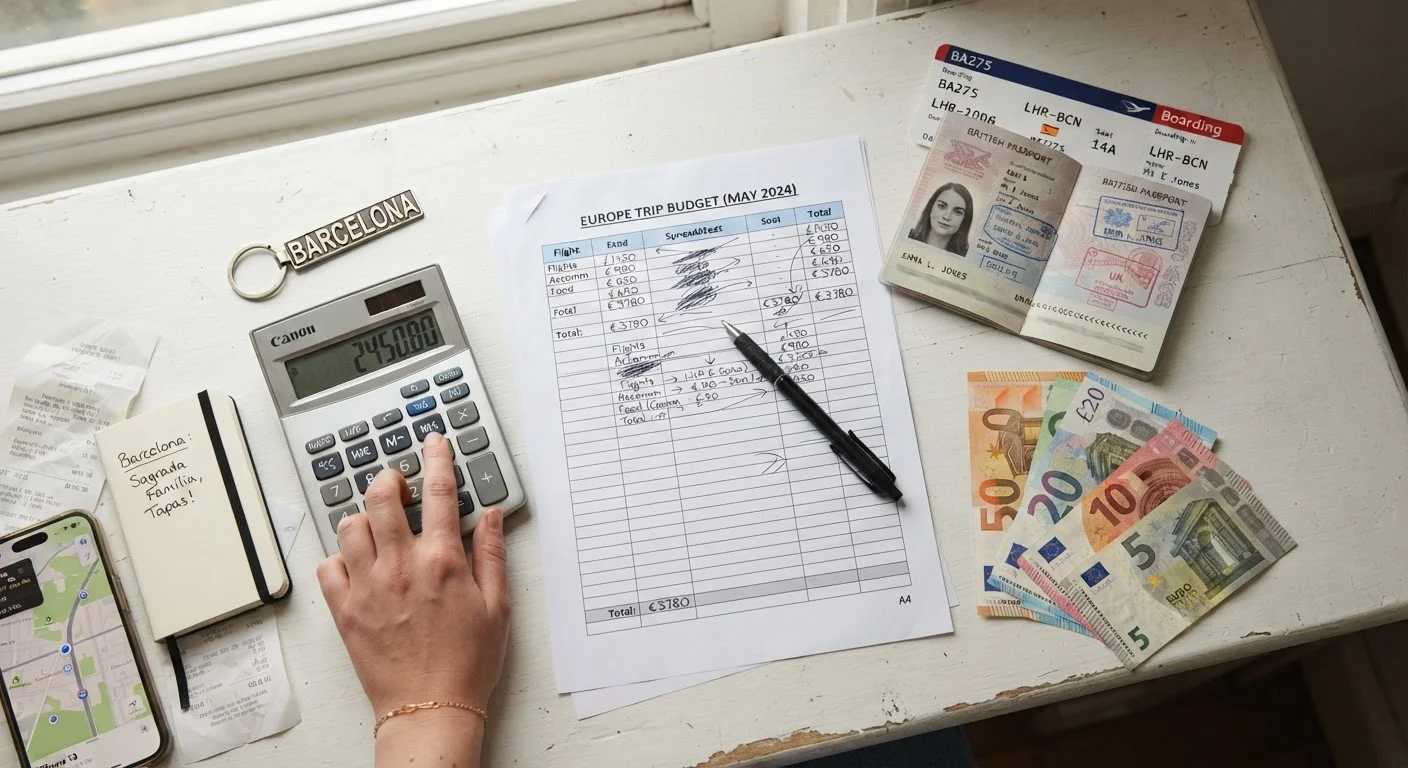
Most travel budgets fail at the planning stage - not on the ground. The culprit is a narrow framing of what a trip actually costs. Flights and hotels are visible and easy to compare; everything else gets absorbed into a vague "spending money" category that routinely runs short.
The mistakes below aren't obscure edge cases. They're systematic gaps that affect the majority of travelers, regardless of destination or budget level. Recognizing them in advance is the single most effective thing you can do to arrive with your finances intact. For a more comprehensive inventory of overlooked costs, see what most travelers forget to budget for.
Budgeting only for the flight and accommodation, ignoring mandatory government fees.
Why it happens: Booking platforms emphasize base fares and room rates, so visa application fees, tourist taxes, and departure levies - often collected at the airport - fall completely off the radar.
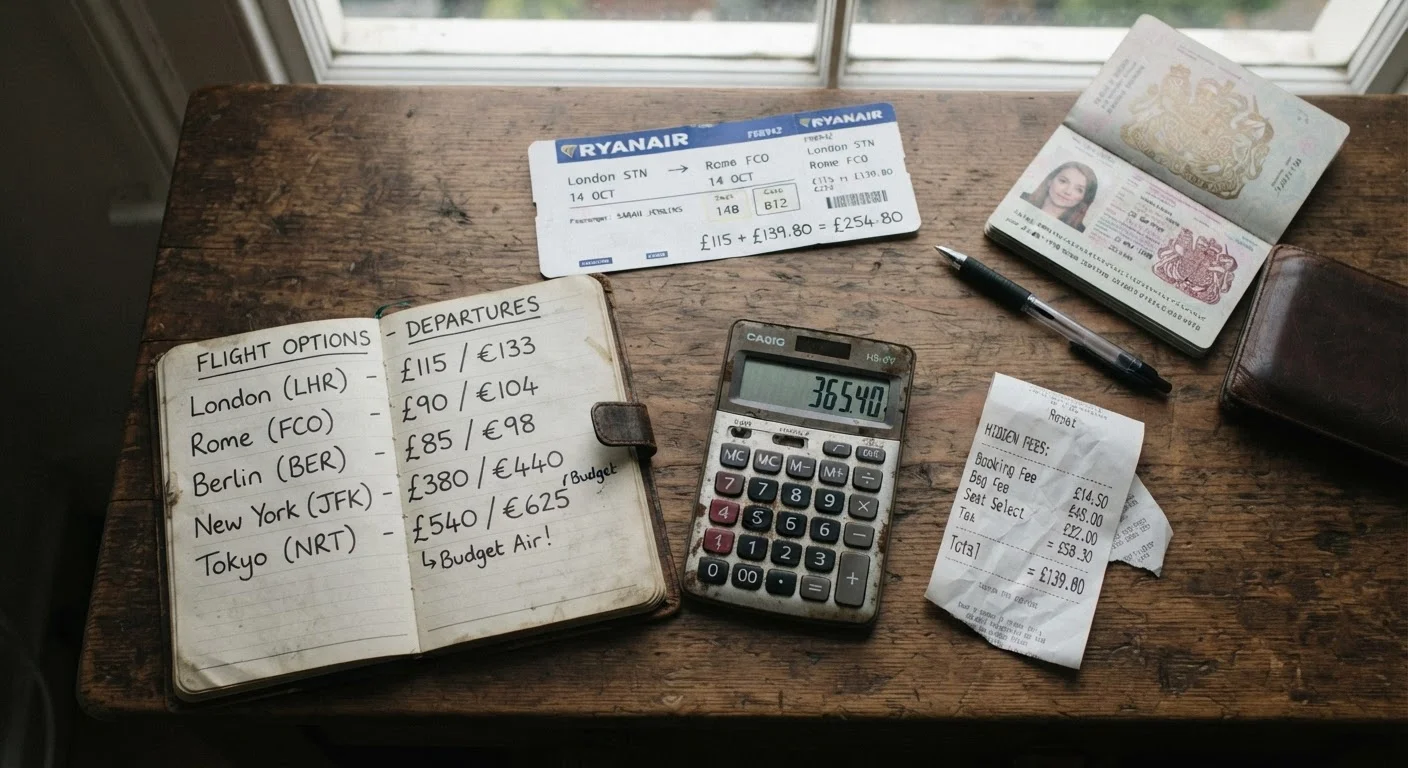
Treating the quoted flight price as the actual flight price.
Why it happens: Headline airfares routinely exclude checked baggage, seat selection, and airport transfer costs from remote budget-airline terminals - all of which add up fast.
Ignoring foreign transaction fees and poor currency conversion rates.
Why it happens: Most people don't read the fine print on their bank or credit card's international fee structure, and dynamic currency conversion at point-of-sale terminals actively exploits this gap.
Forgetting resort fees, city taxes, and destination surcharges when comparing accommodation rates.
Why it happens: These mandatory fees are legally required to be disclosed but are often buried in fine print or displayed only at checkout, making headline room rates misleading.
Underestimating daily in-destination spending, especially tipping norms.
Why it happens: Travelers often plan around meals and activities but don't account for the cumulative effect of gratuities, which vary significantly by country and context.
Skipping a contingency buffer entirely.
Why it happens: When travelers are already stretching a budget, adding a buffer feels counterproductive - but unexpected costs (medical, rebooking, lost items) are far more common than people expect.
How to Build a Budget That Actually Holds
Avoiding these mistakes is straightforward once you treat your travel budget the same way a careful planner treats any irregular expense - by accounting for every category before committing. Irregular expenses that most budgets quietly ignore apply to travel just as much as they do to annual car servicing or medical co-pays.
Always Verify Entry Fees Officially
Visa costs, tourist levies, and departure taxes change frequently and vary by nationality. Never rely solely on travel blogs or booking platforms for these figures. Check the official embassy or government immigration website for your destination - and your own government's travel advisory page - before finalizing your budget.
Two practical approaches worth considering are the envelope method and the rolling estimate. Both force you to assign every dollar to a specific category - including visa fees, airport transfers, and contingency - before you spend anything. Compare both frameworks to find the one that matches your planning style.
If you're in the pre-booking stage, run through a structured financial checklist before you commit to anything. A pre-trip financial checklist covers foreign transaction fees, travel insurance, emergency funds, and currency planning in one place - making it the logical next step after auditing the mistakes above.
$50-$185
Typical US tourist visa fee range for popular destinations
Visa application fees vary widely by destination and nationality; figures sourced from US Department of State and destination government fee schedules.
1%-3%
Foreign transaction fee charged by many standard bank cards
Many standard US debit and credit cards charge a foreign transaction fee on every international purchase, compounding across a full trip.
$30-$60
Daily resort fee range at many US and Caribbean hotels
Resort fees are mandatory charges added per night at checkout, often not reflected in headline comparison rates on booking platforms.