Why Financial Prep Belongs Before the Booking Screen
Most travelers approach trip finances backwards - they book first, then figure out money. That sequence creates real problems: hidden fees that weren't budgeted for, cards that get flagged abroad, and no buffer when something goes sideways. A smarter approach treats financial groundwork as step one of any trip, not an afterthought.
This checklist covers everything from building a realistic budget to locking down your currency strategy. It works for domestic weekend trips and multi-week international travel alike. For a broader view of how financial planning fits into the full trip-planning process, see The Anatomy of a Well-Planned Trip.
Work through these items in order - each category builds on the previous one.
Spreadsheet or Budgeting App
Track estimated vs. actual trip costs across all categories before and during travel.
Your Bank's Mobile App
Set travel notifications, check ATM fee policies, and monitor transactions in real time while abroad.
Travel Insurance Comparison Resources
Review and compare coverage types - cancellation, medical, baggage - to find a policy suited to your trip type.
XE Currency App or Similar
Check live exchange rates so you know what a fair rate looks like before converting money.
The Financial Checklist
Use this grouped checklist to audit your financial readiness before committing to any bookings. Items marked must are non-negotiable; skipping them is where budgets collapse.
Budget Foundation
Emergency Fund & Safety Net
Cards and Banking
Travel Insurance
Currency Planning
Book Insurance Before You Book Flights
Travel insurance purchased after you've booked flights typically still covers medical emergencies, but trip cancellation coverage for pre-existing conditions or supplier bankruptcy often requires purchase within a specific window after your initial trip deposit. Read the policy terms carefully and consult your insurer for details specific to your situation. This is general information only, not insurance advice.
For a deeper look at expenses most travelers overlook entirely - visa fees, airport transfers, local tipping norms - see The Real Cost of a Trip. Those gaps are where budgets quietly fall apart before you've even checked in.
Currency and Card Strategy
Foreign transaction fees and poor exchange rates are two of the most consistent ways travelers lose money - and both are entirely avoidable with a little prep. Before departure, confirm which of your cards charge foreign transaction fees (typically 1-3% per purchase) and consider whether it's worth applying for a card that waives them. This is general financial information; review your own account terms for specifics.
Dynamic Currency Conversion Will Cost You
When a foreign merchant or ATM offers to charge you in US dollars instead of local currency, it sounds convenient - but it almost always means a worse exchange rate applied by the merchant's bank, not yours. Always select local currency at the point of payment. This one habit can save you 3-7% on every transaction where it applies.
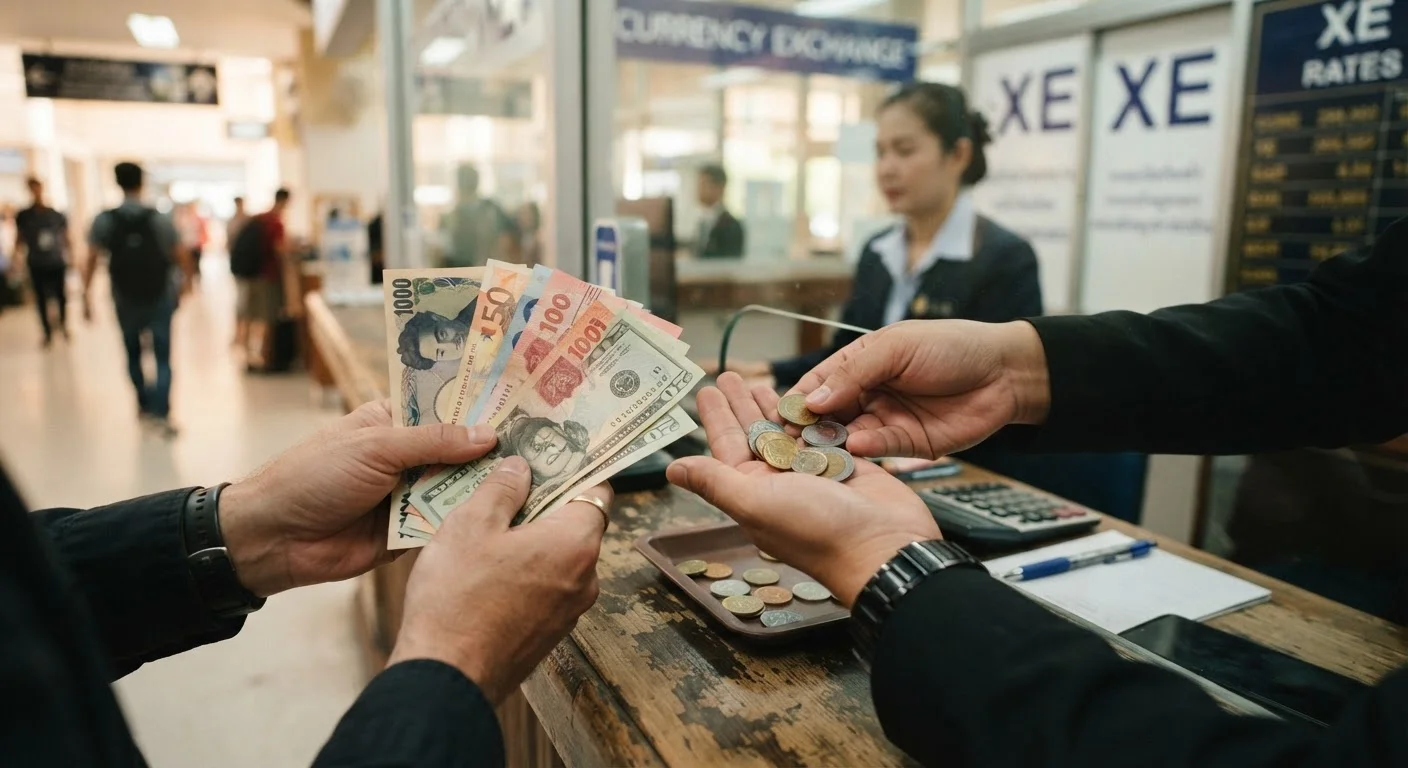
On currency exchange: airport kiosks and hotel desks routinely offer the worst rates of any available option. Withdrawing local currency from an in-network ATM at your destination is generally more cost-effective, though ATM fees and daily limits vary by account. For a thorough breakdown of how exchange fees work across different channels, see Currency Exchange Done Right.
If you're planning a solo trip and want a complete financial and logistics framework from the ground up, Solo Travel Planning from Scratch covers the full picture. And for anything that could go wrong financially while you're abroad - from lost cards to medical emergencies - Contingency Planning: What to Prepare for When Things Go Wrong Abroad is worth reading before you leave.