
Choose Your Destination Strategically
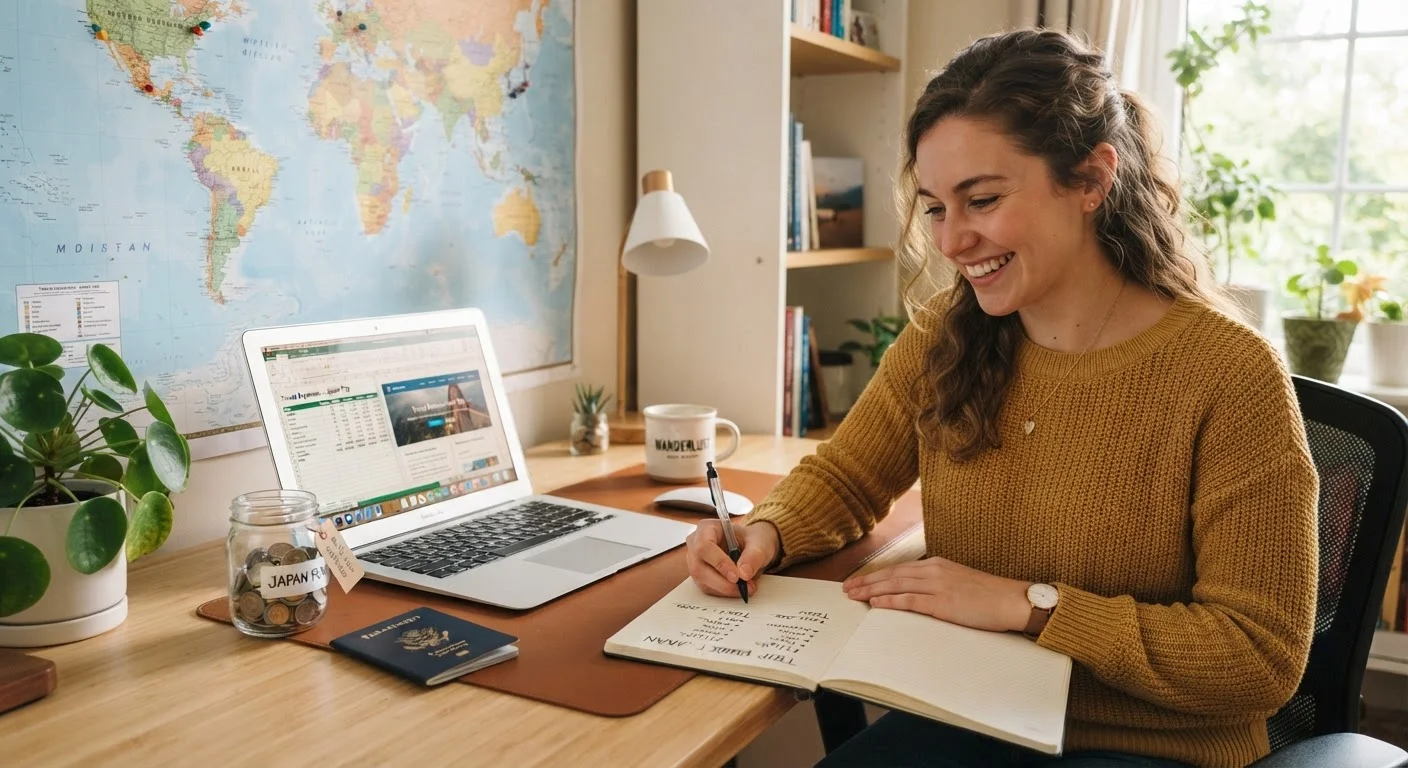
Your destination choice is your first and most consequential decision. For a first solo trip, prioritize places with reliable infrastructure over exotic appeal. Ask three questions: How straightforward is independent navigation? How well-established is the English-speaking traveler infrastructure? What does the US State Department's travel advisory currently say?
Countries with robust public transport, established solo-travel communities, and low entry barriers - think Japan, Portugal, or Mexico City - give you room to make beginner mistakes without serious consequences. Save the more logistically complex destinations for when you have solo miles under your belt.
Also consider visa requirements early. Some countries require applications weeks in advance; others offer visa-on-arrival or electronic travel authorizations. Always verify current entry requirements through official government sources before booking anything - rules change without notice.
Single supplement
An additional charge that hotels apply when only one person occupies a room designed for two. It's one of the primary reasons solo travel costs more per person than group travel.
Travel advisory
An official government assessment of safety conditions in a foreign country. In the US, the State Department publishes advisories on a four-level scale from 'Exercise Normal Precautions' to 'Do Not Travel.'
Contingency buffer
A portion of your travel budget set aside specifically for unexpected costs - medical expenses, rebooking fees, lost items - typically 10-15% of your total trip budget.
Electronic travel authorization
A pre-approved entry permission linked electronically to your passport, required by some countries before you board your flight. It's different from a visa - usually simpler and faster to obtain.
Medical evacuation coverage
A type of travel insurance benefit that covers the cost of transporting you to appropriate medical care if you become seriously ill or injured abroad. Standard health insurance usually doesn't cover this.
Build a Realistic Budget
Solo travel is almost always more expensive per person than group travel. The most significant cost difference is accommodation: you pay full price for a private room that a couple splits. This is known as the single supplement. Factor it in from day one rather than getting surprised by it.
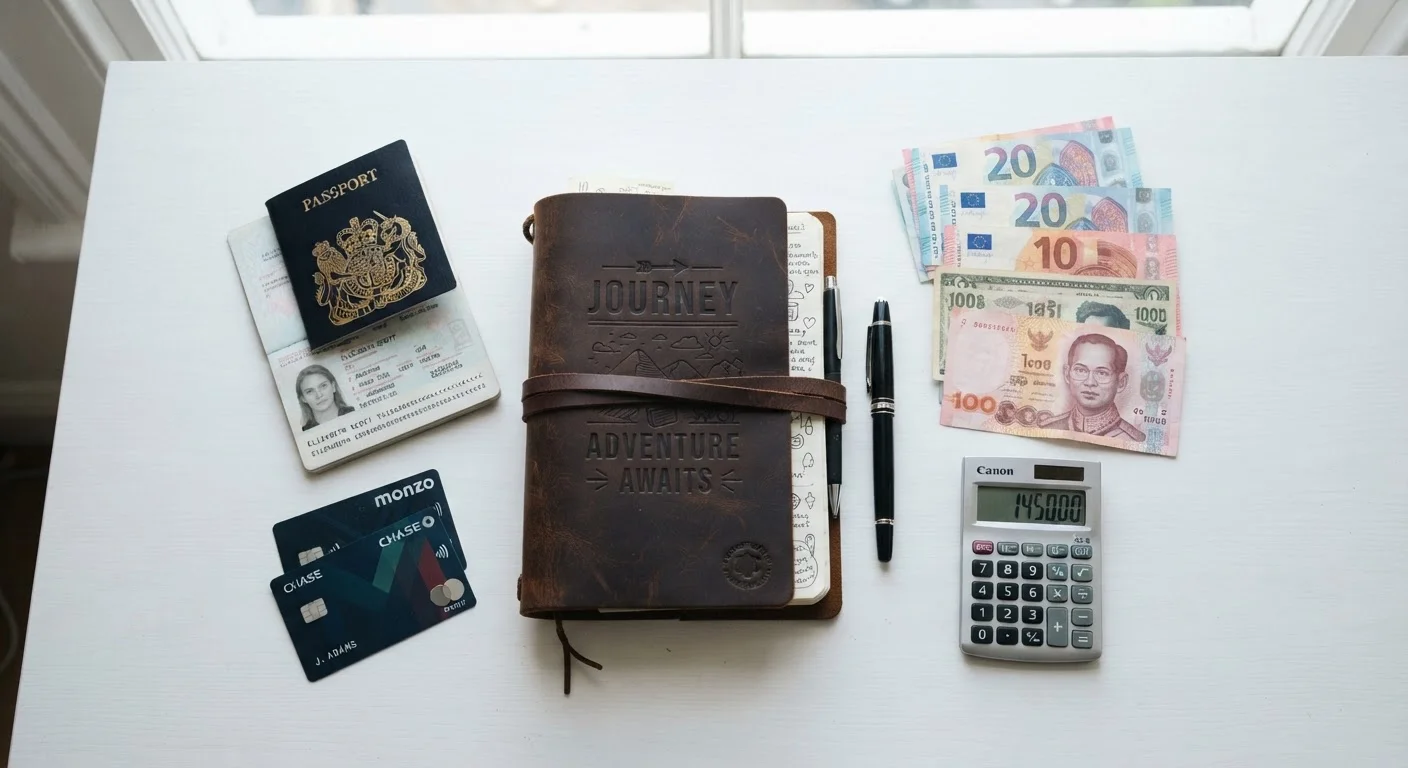
A workable solo travel budget has four components: fixed costs (flights, accommodation, travel insurance), daily operating costs (food, local transport, activities), a buffer for unexpected expenses (typically 10-15% of total), and a contingency fund separate from your travel wallet. The real costs of solo travel go beyond the single supplement - factor in the practicalities before committing to a budget.
If you're still building the savings to fund the trip, the structured savings approach covers how to set a timeline and automate the process. See also the financial checklist you should run through before any booking goes on your card.
Track Your Budget Before You Leave
Build a simple spreadsheet that lists every confirmed cost (flights, accommodation, insurance) plus estimated daily spend by category. Knowing your committed costs versus your variable spend gives you far more control once you're on the ground. Apps that sync with your bank account can help track actual spend against your estimates in real time.
Book Accommodation With Solo Travel in Mind
Accommodation is not just about where you sleep - it shapes your safety, social experience, and daily logistics. Solo travelers have more accommodation considerations than group travelers.
- Hostels: The most social and cost-effective option. Private rooms in well-reviewed hostels give you the social infrastructure of common areas without sharing a dorm. Read recent reviews specifically mentioning solo travelers.
- Guesthouses and B&Bs: Often family-run, frequently located in residential neighborhoods, and typically cheaper than hotels. Owners are usually a solid local knowledge resource.
- Apartments: Good for stays of 4+ nights, but they remove you from the social fabric of shared spaces - weigh the cost saving against potential isolation on longer trips.
Whatever you book, confirm the check-in process before you arrive. Arriving in an unfamiliar city at midnight to find a lockbox code that doesn't work is a solvable problem that's much easier to solve in advance.
Neighborhood Location Matters More Solo
When traveling with others, being in an inconvenient neighborhood is an annoyance you share. Solo, it means navigating unfamiliar streets alone at odd hours. Prioritize accommodation in well-connected, centrally located neighborhoods - the premium is usually worth it for a first solo trip, even if it costs slightly more.
Safety, Documents, and Contingency Planning
Safety planning for solo travel is mostly unglamorous preparation that you hope you never need. Do it anyway.
Documents: Carry your original passport, travel insurance policy details, and emergency contacts. Store digital copies in a secure cloud account. Leave physical copies - passport data page, insurance card, flight confirmations - with a trusted contact at home who can read them to you over the phone if needed.
Communication: Make sure someone at home has your rough itinerary and knows how to reach you. A brief daily check-in - even just a message - is a sensible habit on longer solo trips. Consider an international SIM or a portable Wi-Fi device if your home carrier's roaming rates are prohibitive.
For the full picture on what can go wrong and how to prepare, contingency planning for things that go wrong abroad covers missed flights, lost documents, and medical scenarios in detail.
Don't Skip Travel Insurance
Medical costs abroad - especially if hospitalization or evacuation is involved - can reach tens of thousands of dollars. A standard health insurance plan rarely covers international care at adequate levels. Purchasing travel insurance with solid medical and evacuation coverage is one of the most financially protective decisions you can make before a solo trip. Always read the policy exclusions carefully.
Structure Your Time Without Over-Planning
The most common first-time solo travel mistake is trying to pack every day with back-to-back activities to justify the cost of the trip. The result is exhaustion and zero flexibility - which matters more when you're making every decision alone.
A better approach: anchor each day with one or two confirmed plans (a museum booking, a day trip with a departure time), then leave the rest open. This gives you enough structure to avoid decision fatigue while preserving room for the unplanned discoveries that make solo travel genuinely different from group travel.
For a deeper framework on daily planning, building a travel itinerary that actually works covers how to balance sightseeing, rest, and spontaneity without over-scheduling. If you want to understand the full arc from research to return, the complete trip planning walkthrough is a useful companion to this guide.
Solo travel rewards preparation and punishes perfectionism. Get the fundamentals right, leave room to improvise, and the trip will take care of a lot of the rest.