
The Single Supplement Problem (And How to Work Around It)
The single supplement - the surcharge hotels and tour operators add when only one person occupies a room priced for two - is the most direct financial penalty of solo travel. On standard hotel bookings, it routinely adds 25-50% to the per-person room rate. On group tours, it can be even steeper, sometimes matching the full second-person fare.
This isn't arbitrary. Hotels price rooms by the room, not the person. When you travel solo, you're absorbing a cost that couples and pairs naturally split. The math is unfavorable, and no amount of savvy negotiation eliminates it entirely.
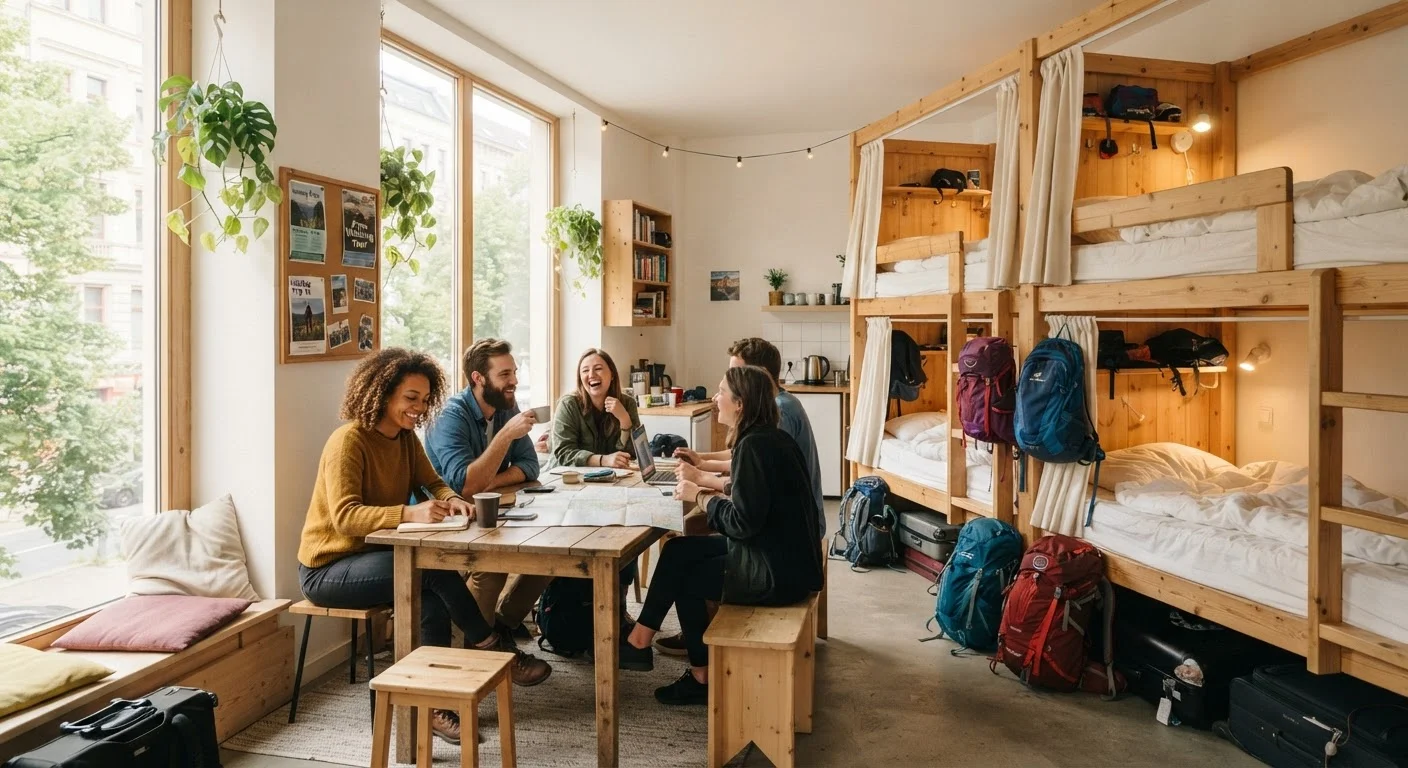
What you can do is sidestep it. Hostels, dormitory-style accommodation, and home exchange platforms all price per bed rather than per room. For budget-focused solos, these options close much of the gap - and sometimes eliminate it. See how each accommodation type stacks up financially before committing to a lodging strategy.
Complete control over your itinerary and pace
You leave when you want, change plans without consensus, and optimize entirely around your own interests - a genuine advantage that has real monetary value in avoided wasted activities.
Easier to eat cheaply and efficiently
Solo dining at street stalls, markets, and counter-service spots is seamless. You're not coordinating restaurant bookings or navigating group preferences that push spending upward.
More spontaneous transport savings
Last-minute single seats on buses, trains, and low-cost carriers are far easier to secure than multiple seats together, giving you more flexibility to grab cheaper options.
Stronger incentive to engage locals and travelers
Without a built-in social bubble, solo travelers often connect more meaningfully with locals and other travelers - leading to insider recommendations that reduce costs and improve the experience.
No compromise on accommodation location
A single bed in a centrally located hostel dorm is almost always available; a multi-person room in the same location is not always bookable at short notice, pushing groups to pricier or less convenient options.
Where Solo Travel Actually Costs Less
The cost story isn't entirely against you. Several budget levers work better when you're traveling alone:
- Transportation flexibility: A single seat in a shared van, on a budget airline, or in a train compartment is almost always available. Coordinating transport for a group is slower and often more expensive.
- Eating cheaply is easier: Street food, market stalls, and counter-service spots are more accessible when you're not negotiating with a group. You eat when and where you want, at whatever price point makes sense.
- Itinerary efficiency: No consensus-building means you spend less time (and money) on activities that don't interest you. You optimize for your own value, not the group's average preference.
Solo travelers who stay in hostels, use public transit, and cook or eat street food can often travel at a lower daily rate than they would on a group trip with shared transport and sit-down restaurant meals.
25-50%
Typical single supplement on hotel bookings
Industry estimates suggest solo travelers commonly pay 25-50% more per night compared to the per-person cost for two travelers sharing the same room.
~30%
Solo travelers as share of all leisure travelers
Multiple travel industry surveys conducted in the early 2020s found roughly a quarter to a third of leisure travelers report traveling alone at least some of the time.
Safety Costs Money - Plan for It
Safety on a solo trip isn't just a logistical concern; it's a budget line item. When you don't have a companion to watch your bag, navigate an unfamiliar area with you, or cover for you in an emergency, you make compensating choices - and those choices cost money.
Private rooms instead of dorms when a neighborhood feels uncertain. Taxis after dark instead of walking. Travel insurance with higher coverage limits for medical evacuation. A local SIM card for reliable maps and emergency contacts. These aren't extravagances; they're reasonable risk management for someone traveling alone.
Budget for them explicitly. Solo travelers who skip safety-margin spending to cut costs often end up spending more when something goes wrong. For a thorough look at planning your first solo trip with safety and budget in mind simultaneously, see our solo travel planning guide.
Travel Insurance Is Non-Negotiable Solo
When you travel with others, a companion can assist in an emergency - helping you navigate a hospital, contact your insurer, or manage a lost passport situation. Solo, you handle all of this alone. Travel insurance that covers medical evacuation and trip interruption isn't just sensible; it's a practical necessity. Verify exactly what your policy covers before departure, and keep key policy numbers accessible offline.
The Real Trade-Off: Freedom vs. Financial Efficiency
The honest comparison between solo and group travel isn't simply about total spend. It's about what you're buying with your money.
Group travel - whether with friends or on an organized tour - spreads fixed costs across more people. Shared rental cars, split Airbnbs, group tour discounts: the per-person math is hard to beat. But you're also buying someone else's schedule, someone else's priorities, and the overhead of group logistics.
Solo travel charges you a premium for control. Whether that premium is worth it depends on how much you value making unilateral decisions - leaving early, staying longer, skipping the tourist circuit entirely. For slow travelers who stay in one place for weeks, the solo premium often shrinks considerably as weekly or monthly accommodation rates offset the nightly single supplement.
Single supplements inflate accommodation costs significantly
Hotel rooms priced per room, not per person, mean solo travelers absorb the full room rate that pairs naturally split. This premium can add hundreds of dollars to a week-long trip.
No one to split transport or entry costs with
Shared taxis, car rentals, and private tours only make financial sense when costs are divided. Solo travelers pay full price every time, which adds up on longer itineraries.
Safety planning requires more deliberate spending
Without a travel companion as backup, you may need to spend more on private rooms, reliable transport after dark, and comprehensive travel insurance - all legitimate costs that add up.
Loneliness can trigger unplanned spending
Isolation on the road sometimes leads to impulse decisions - an extra activity, a nicer meal, a taxi instead of transit - as a form of comfort. These costs are real but rarely appear in pre-trip budgets.
No second opinion on pricing and scams
Solo travelers, particularly in unfamiliar destinations, can be more vulnerable to overcharging and tourist-targeted scams without a companion to cross-check decisions with.
Don't let the cost premium become the whole story. Many of the expenses solo travelers assume are unavoidable are actually just unexamined habits. Before your trip, work through the overlooked costs that derail travel budgets to ensure you're planning against the full picture, not just the obvious line items.