The Illusion of the Low Fare
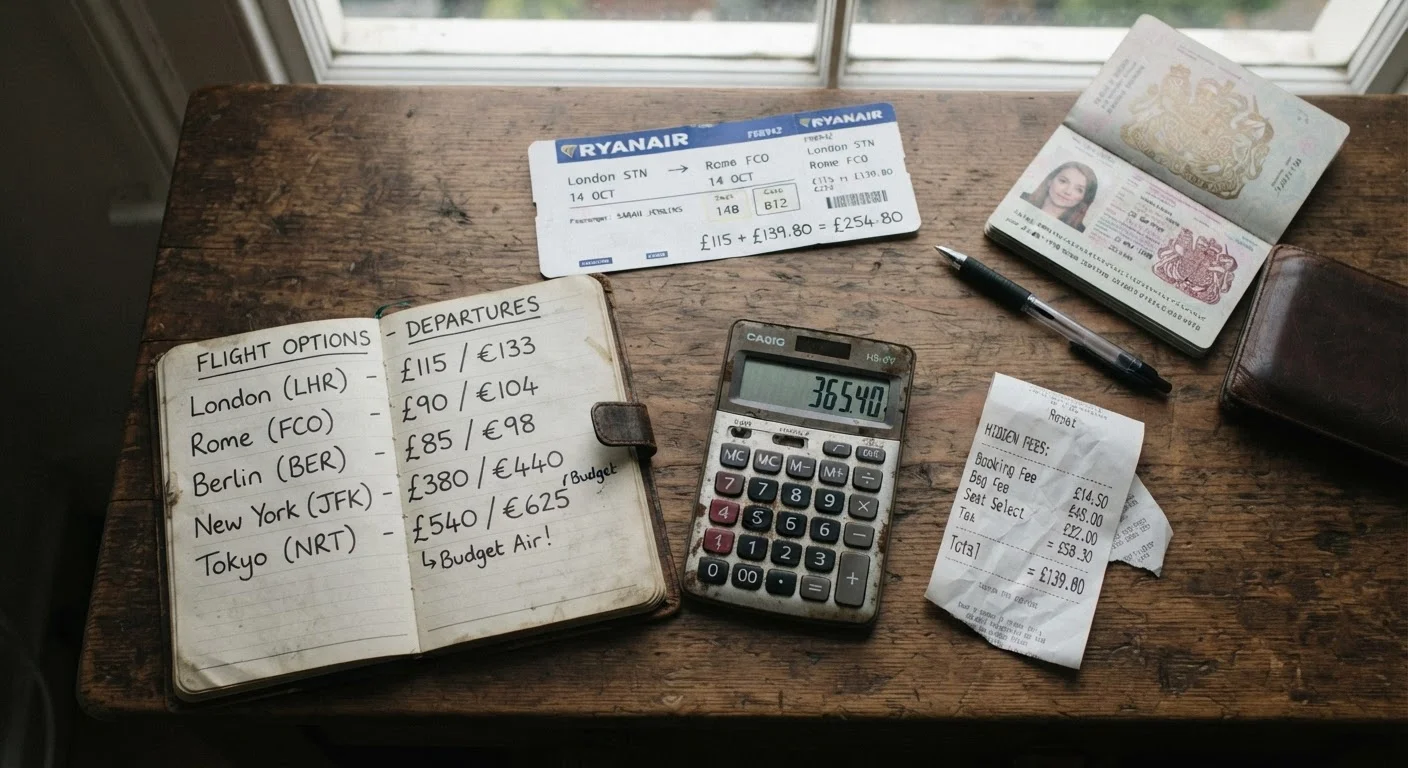
Budget airlines have mastered one skill above all others: making a fare look irresistible before you see the full picture. That $59 flight from New York to Miami is a real price - for a seat, no bag, no seat selection, no printed boarding pass, and certainly no flexibility if your plans change. The advertised number is a legal minimum, not a practical estimate.
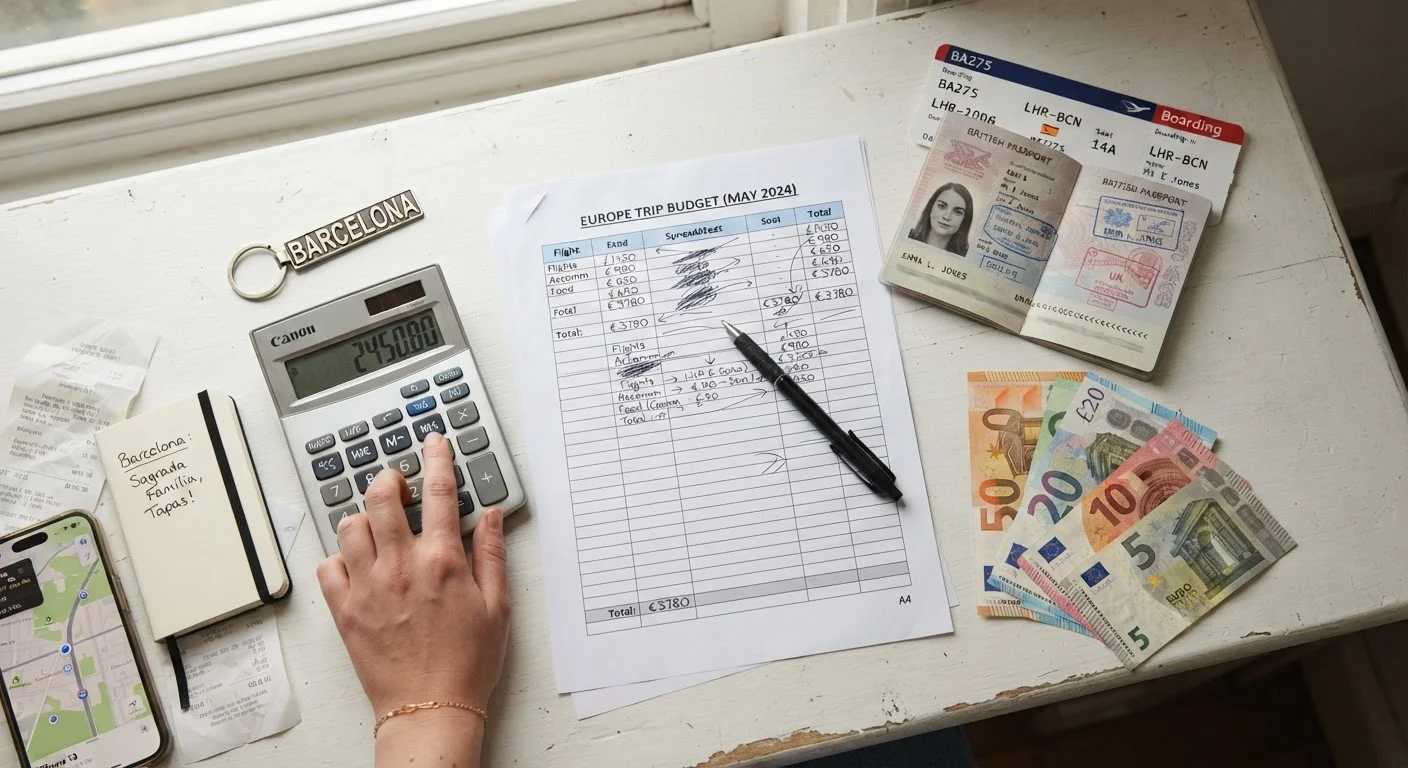
This matters because most young professionals comparison-shop on price aggregators that display only the base fare. By the time you've added a carry-on, selected a seat that isn't a middle seat in the last row, and paid a convenience fee for paying by card, the "cheap" fare often rivals or exceeds a standard economy ticket on a full-service carrier - minus the included amenities.
For a more complete picture of costs that go unnoticed during trip planning, see what experienced travelers account for before finalizing a budget. The pattern is consistent: unbundled pricing punishes passengers who don't do the math upfront.
Comparing only the base fare across airlines without accounting for add-on fees.
Why it happens: Price aggregators and search engines display the lowest available fare, which on budget carriers excludes nearly everything beyond a seat.
Ignoring the cost and time of traveling to and from a secondary airport.
Why it happens: Maps make secondary airports look close to the city, and travelers anchor on flight price without pricing the full door-to-door journey.
Misreading carry-on bag size and weight restrictions and getting hit with gate fees.
Why it happens: Carry-on rules vary significantly between budget carriers, and travelers assume their bag that worked on one airline is universally acceptable.
Booking non-refundable budget fares without accounting for schedule change risk.
Why it happens: The low fare creates urgency, and travelers lock in without considering what a delay, cancellation, or itinerary change would actually cost them.
Skipping seat selection to save money, then paying more at the gate or flying in a poor seat.
Why it happens: Seat selection fees feel optional during booking, so travelers skip them as a savings measure without understanding the trade-off.
The Real Costs Budget Airlines Don't Advertise
Beyond bag fees and seat charges, two cost categories consistently catch travelers off guard: airport location and schedule reliability.
The Remote Airport Tax
Budget carriers frequently operate out of secondary airports - think Midway instead of O'Hare, or Fort Lauderdale instead of Miami International. These airports exist, and they serve real routes efficiently. The problem is the ground transportation cost most people forget to factor in. A roundtrip shuttle or rideshare from a secondary airport can easily add $60-$100 to your total, and an extra 45-90 minutes of transit time each way.
$75+
Typical roundtrip carry-on fee on major U.S. budget carriers
Many budget carriers charge $35-$45 per carry-on each way, meaning a roundtrip with a standard bag can add $70-$90 to a base fare before any other fees.
30-50%
Share of budget carrier revenue from ancillary fees
Industry analyses of ultra-low-cost carriers consistently show ancillary revenue - fees beyond the base fare - represents a substantial portion of total revenue, by design.
Delays, Cancellations, and Thin Margins
Budget carriers typically operate leaner fleets with less slack built into their schedules. When one aircraft is delayed, the ripple effect is larger than on airlines with more backup capacity. Under U.S. Department of Transportation rules, airlines owe you a refund for cancellations but are not required to cover hotels or meals for weather-related delays - a distinction that costs unprepared travelers real money.
If this sounds like a familiar pattern across other spending categories, it is. Subscription creep and convenience fees follow the same psychology: small charges that feel trivial individually add up to meaningful budget erosion.
U.S. Flight Delay Rules Have Limits
Under current U.S. Department of Transportation regulations, airlines are required to refund passengers for canceled flights or significant schedule changes, but are generally not required to provide hotels, meals, or compensation for weather-related delays. If your budget carrier operates a tight schedule and a weather event disrupts it, out-of-pocket costs for accommodation and food fall on you. Build a buffer - in both schedule and budget - when flying routes with high weather variability.
How to Actually Compare Flight Costs
The fix is straightforward: build a total-cost comparison before you commit. Here's a reliable framework:
- List every likely add-on for the budget fare: carry-on bag, checked bag, seat selection, payment fee, and any loyalty benefit you'd forfeit.
- Add ground transportation from the actual airport, not the closest one on the map.
- Price the full-service alternative on the same route, including what's bundled.
- Factor in schedule risk. If a delay would cost you a prepaid hotel night or a work obligation, that risk has a dollar value.
Done honestly, this comparison sometimes still favors the budget carrier - especially for short domestic hops where you're flying carry-on only and the secondary airport is actually more convenient. The goal isn't to avoid budget airlines categorically; it's to stop letting the headline price do all your thinking.
For a broader look at what most travelers forget to price in before departure, this breakdown of overlooked trip expenses is worth reviewing before you finalize any itinerary.
And if you're questioning whether budget travel more broadly is worth the trade-offs, common budget travel misconceptions may reframe some assumptions. Traveling affordably and traveling smartly aren't the same thing - but they can be, with the right preparation. See also why last-minute and unplanned decisions tend to cost more for reinforcing context on proactive versus reactive trip planning.