The Real Price of Spontaneity
Winging it has a romantic appeal - no rigid schedule, maximum freedom, pure adventure. But spontaneous travel decisions are almost always made under conditions that favor poor outcomes: limited options, time pressure, and incomplete information. That combination is a reliable formula for overspending.
This isn't an argument against flexibility. It's an argument for knowing what you're trading away when you skip the planning stage. The costs are concrete: higher fares, worse accommodation value, unnecessary stress, and a budget that quietly unravels because several line items were never considered. See smart budget travel strategies for a broader framework.
Myth
Booking last-minute is a savvy way to snag deals - airlines and hotels slash prices to fill empty seats and rooms.
Fact
Last-minute pricing is heavily dependent on demand, and for popular routes or dates, prices rise sharply as departure approaches.
The idea of last-minute deals persists because they occasionally exist - usually on low-demand routes during off-peak periods. But for the vast majority of trips, airline revenue management systems are designed to increase fares as seats fill. A 2023 analysis by travel data firm Hopper found that domestic US airfares are generally lowest when booked one to three months in advance, not in the final days before departure. Hotels in high-demand cities follow similar dynamic pricing logic. Waiting until the week before rarely rewards you; it more often forces you to choose between a high price and an inconvenient option.
Myth
Trip planning takes too much time and creates more stress than it saves.
Fact
Vague or absent planning is what generates the most stress - clear preparation dramatically reduces in-trip decision fatigue.
The stress people associate with planning usually comes from over-researching minor decisions, not from planning itself. A lean pre-trip framework - confirmed transport, a booked first night, and a rough daily budget - resolves the high-stakes decisions before you're tired and on the ground in an unfamiliar place. Decision fatigue is a well-documented psychological phenomenon: the more choices you face under pressure, the worse your judgment becomes. Building structure around logistics frees you to make genuinely enjoyable on-the-fly choices about food, activities, and pace. See what trip costs to confirm before departure to sharpen your pre-trip checklist.
Myth
A loose itinerary means you're flexible. Flexibility is always better than a plan.
Fact
Flexibility without a framework leads to reactive spending - surge pricing, rushed decisions, and missed lower-cost alternatives.
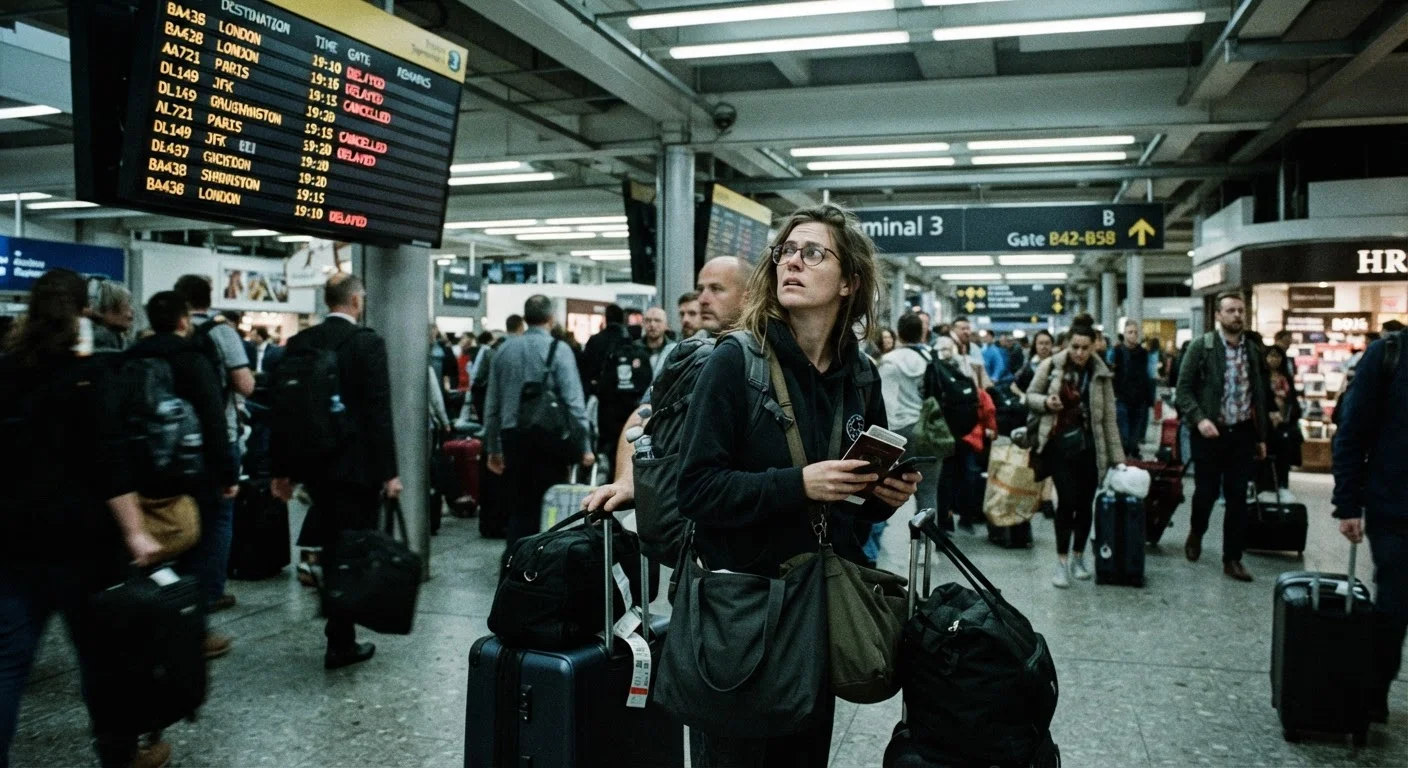
True travel flexibility means having enough structure to pivot intentionally, not scrambling because nothing is confirmed. Travelers who arrive in a city with no accommodation booked during a festival weekend, for example, often pay two to three times standard rates - or waste hours searching. Arriving without a plan works in specific contexts, but those contexts are narrower than most people assume. Structured flexibility - locking in flights and the first night, leaving activity days open - gives you the best of both approaches.
Myth
Budgeting your trip in advance is pointless because costs always change once you're there.
Fact
A pre-trip budget doesn't need to be exact - it needs to set a ceiling and flag categories you haven't accounted for.
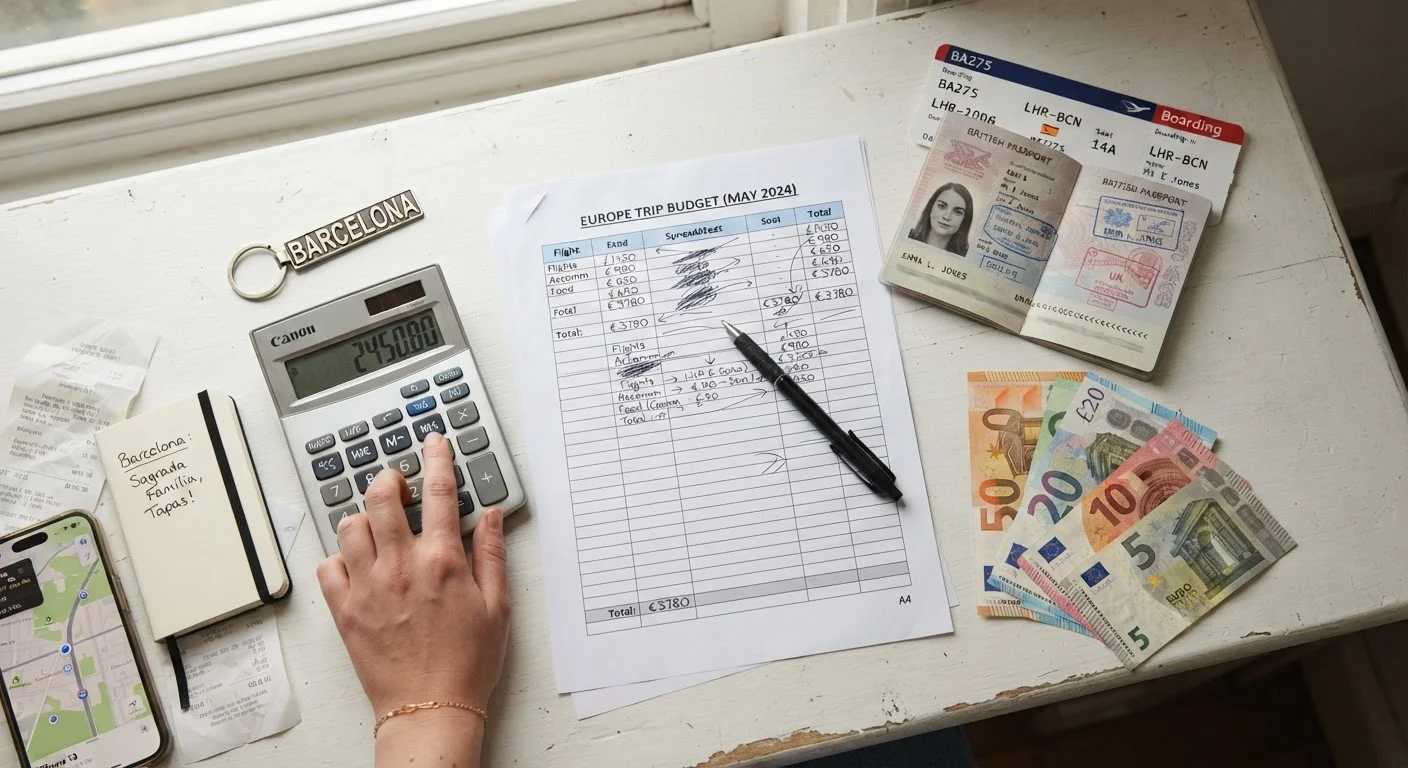
The value of a travel budget isn't precision; it's visibility. Most budget overruns happen in categories travelers forget to account for entirely - airport transfers, checked baggage fees, daily tipping norms, visa-on-arrival costs, and resort fees. These aren't unpredictable; they're just unconsidered. A full-cost travel budget includes these line items from the start, which prevents the psychological shock - and financial strain - of overspending mid-trip. Even a rough estimate by category is significantly more useful than no estimate at all.
What the Evidence Actually Shows
Travel pricing is not random. It follows demand curves, booking windows, and dynamic algorithms that systematically disadvantage late bookers on popular routes and dates. Understanding these patterns doesn't require becoming an obsessive deal-hunter - it just requires booking the structural elements of your trip (flights, first-night accommodation, airport transfers) with enough lead time to avoid surge pricing.
1-3 months
Optimal domestic flight booking window
According to travel data compiled by Hopper, domestic US airfares tend to be lowest when purchased one to three months before departure, not in the final days.
~40%
Travelers who exceed their travel budget
Surveys by the American Express Global Travel Trends report consistently find a substantial share of travelers spend more than planned, with unbudgeted costs as the leading cause.
2-3x
Accommodation price premium during peak demand
Travelers booking accommodation during high-demand periods with little lead time commonly face rates two to three times the standard price, based on hospitality industry pricing research.
The true price of a budget airline ticket is a useful parallel: what looks cheap at the headline price often carries hidden add-on costs that only appear at checkout. Last-minute travel has the same structure - the convenience of not planning is priced in, just not transparently.
Planning Doesn't Kill Spontaneity
A common fear is that planning a trip makes it feel rigid or joyless. In practice, a clear framework - knowing where you'll sleep, how you'll get there, and what your budget ceiling is - actually creates the mental space to be spontaneous with your time on the ground. Constraint at the structural level enables freedom at the experiential level.
For travelers weighing pace and cost together, the slow travel vs. country-hopping cost comparison offers a useful lens: itinerary structure has compounding effects on total trip cost that go well beyond the price of any single booking.