Why Container Gardening Demands Its Own Approach
Container gardening isn't simply in-ground gardening moved into a pot. When you confine roots to a finite volume of soil, you take on responsibility for everything the surrounding earth would otherwise regulate - moisture, nutrients, aeration, and temperature. That shift is both the challenge and the opportunity.
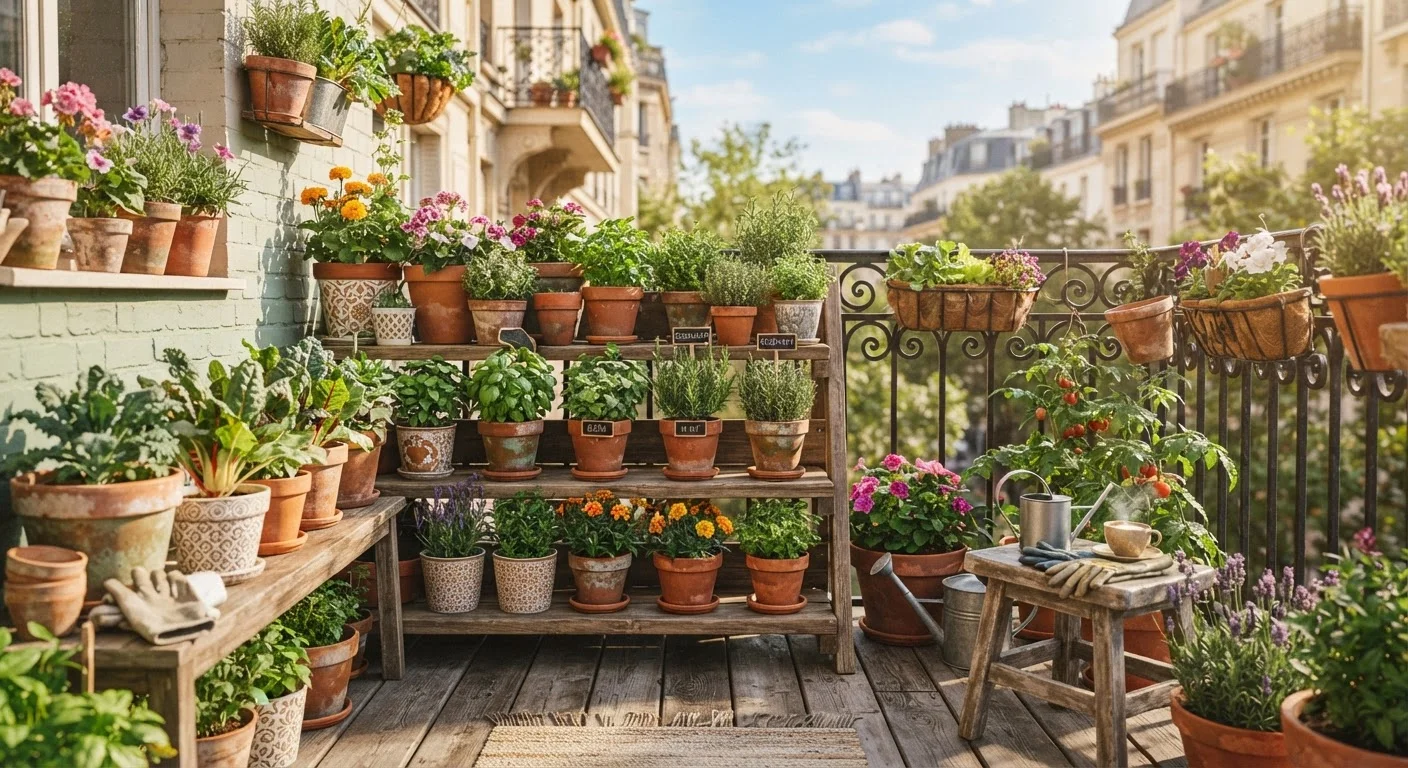
Done thoughtfully, containers let you grow herbs on a fifth-floor apartment windowsill, harvest tomatoes from a small balcony, or bring structure and greenery to a rented space you can't permanently alter. For a broader look at growing in tight urban spaces, see the end-to-end urban gardening guide. Understanding what makes container growing distinct is the foundation for every habit that follows.
Always choose containers with adequate drainage holes - and use them.
Roots need oxygen as much as they need water. When water pools at the bottom of a pot with no outlet, roots sit in anaerobic conditions and begin to rot within days. Even moisture-loving plants cannot tolerate permanently waterlogged soil.
Use potting mix, not garden soil, in every container.
Garden soil compacts under repeated watering in a closed container, reducing the air pockets roots depend on. Purpose-formulated potting mixes are engineered to stay loose, drain well, and support healthy root development without compaction. For a clear explanation of what distinguishes these products, see soil, compost, and potting mix.
Match container size to the plant's root system, not its current above-ground size.
A pot that's too small restricts root growth and dries out rapidly, stressing the plant. A pot that's dramatically oversized holds more moisture than the plant can use, increasing rot risk. Upsizing gradually - one to two inches in diameter at a time - gives roots room to expand without drowning them.
Repot annually or biennially to refresh soil and prevent root binding.
Potting mix breaks down over time, losing structure and nutrient-holding capacity. Root-bound plants - those whose roots circle the pot or push out through drainage holes - can no longer access adequate water or nutrients, causing visible decline even with attentive care.
Account for light before choosing what to grow in each spot.
Container plants depend entirely on the light available in their fixed location. Placing a sun-loving plant in a shaded corner, or a shade-preferring fern on a south-facing balcony, sets the plant up for failure regardless of how well everything else is managed. Assessing your light conditions honestly is a prerequisite for plant selection. The guide to reading your garden's light walks through this skill in detail.
Core Habits That Separate Thriving Containers From Struggling Ones
The practices below address the most common failure points in container gardening. Each one is grounded in how confined growing environments actually behave - not gardening folklore.
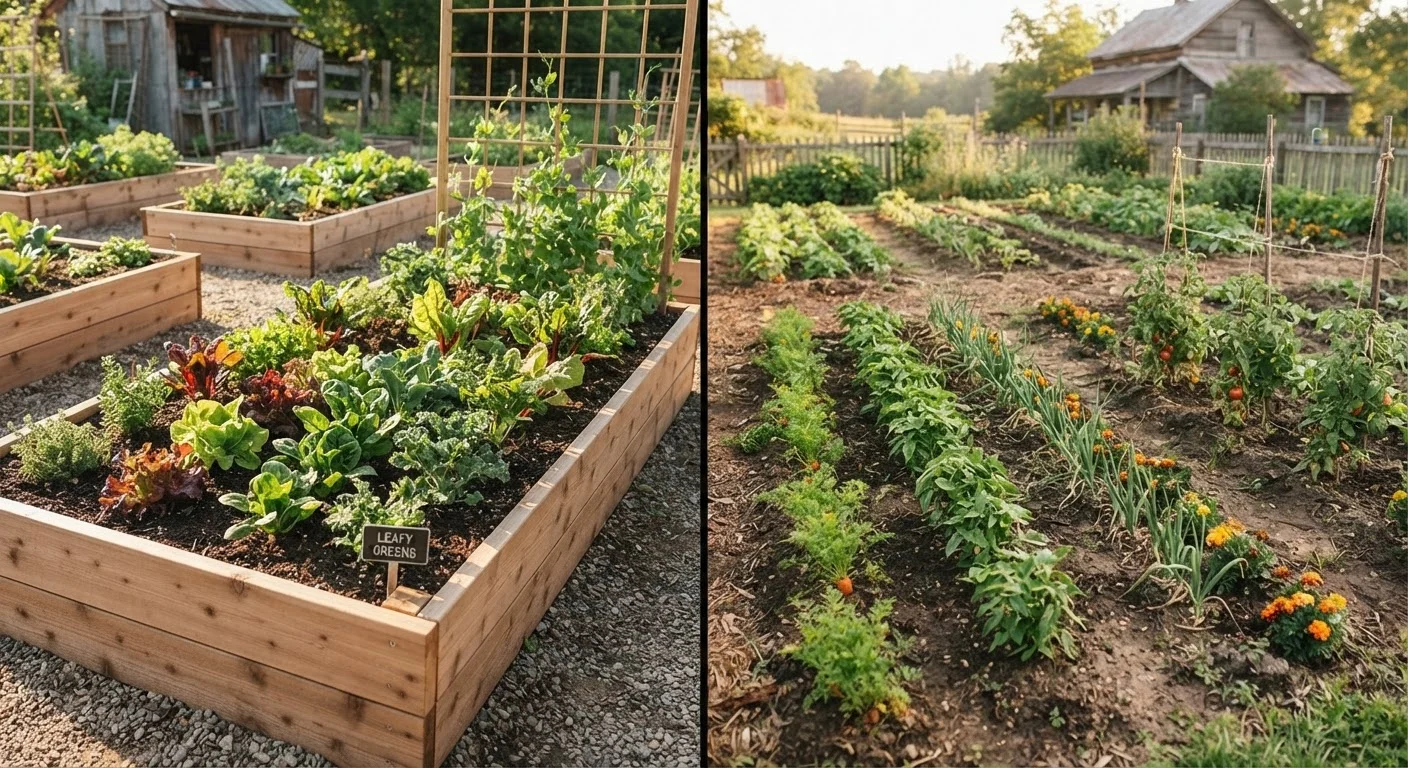
If you're considering whether containers are the right fit at all compared to raised beds, the raised beds vs. in-ground planting breakdown lays out the trade-offs clearly.
Watering, Feeding, and Seasonal Adjustments
Watering is where most container gardeners go wrong - in both directions. Containers lose moisture faster than garden beds because their soil volume is limited and many materials (especially terracotta) wick moisture away from roots. But overwatering is equally damaging, suffocating roots and inviting rot.
The Finger Test Beats Any Gadget
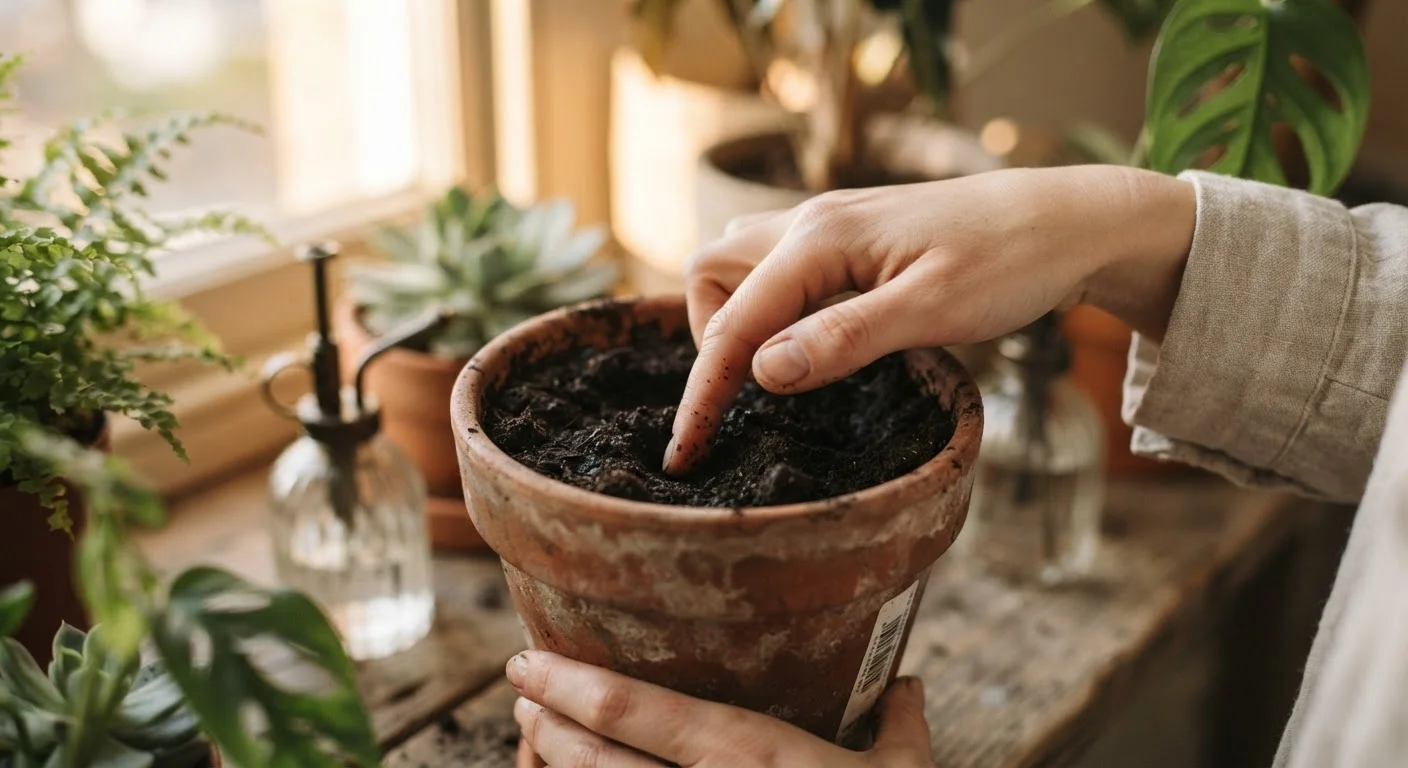
Soil moisture meters can be helpful, but your finger is a perfectly reliable tool. Push it one to two inches into the mix - if it comes out clean and dry, it's time to water. If it comes out with soil clinging to it, hold off. Consistent checking takes less than five seconds and quickly builds an accurate intuition for each plant's rhythm.
The finger-test remains the most reliable method: push your finger one to two inches into the soil. If it feels dry at that depth, water thoroughly until it drains from the bottom. For a plant-by-plant breakdown of moisture needs and seasonal rhythm, see when and how to water.
Feeding is equally time-sensitive. Nutrients leach out of containers with every watering cycle, far faster than in garden soil. A balanced, slow-release fertilizer applied at the start of the growing season, supplemented with liquid feeding every two to four weeks during active growth, keeps plants from stalling. Ease off in fall and stop feeding altogether in winter when most plants are resting. For houseplants carried through cold months, keeping houseplants alive through winter covers what to dial back and what to maintain.
~50%
Faster moisture loss in containers vs. garden beds
Horticultural educators commonly note that potted plants can dry out twice as fast as in-ground plantings during warm weather, due to limited soil volume and container material.
1-2 years
Recommended repotting interval for most container plants
General guidance from university extension programs suggests repotting most container plants every one to two years to replenish nutrients and prevent root binding.