The Core Trade-Off: Control vs. Scale
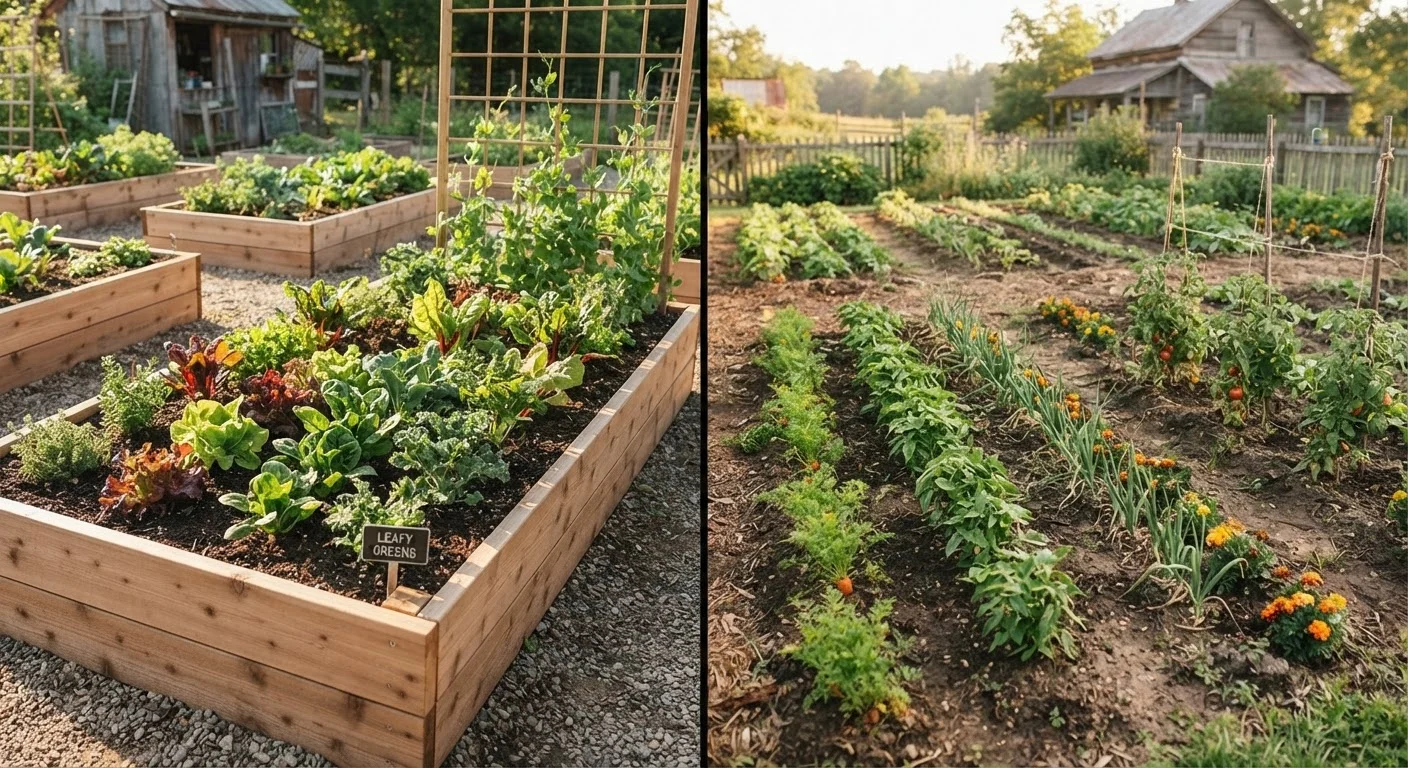
When you choose between raised beds and in-ground planting, you're essentially deciding how much control you want over your growing environment - and how much you're willing to pay for it. Raised beds let you build the exact soil profile your plants need from scratch. In-ground planting asks you to work with what you have and amend it over time.
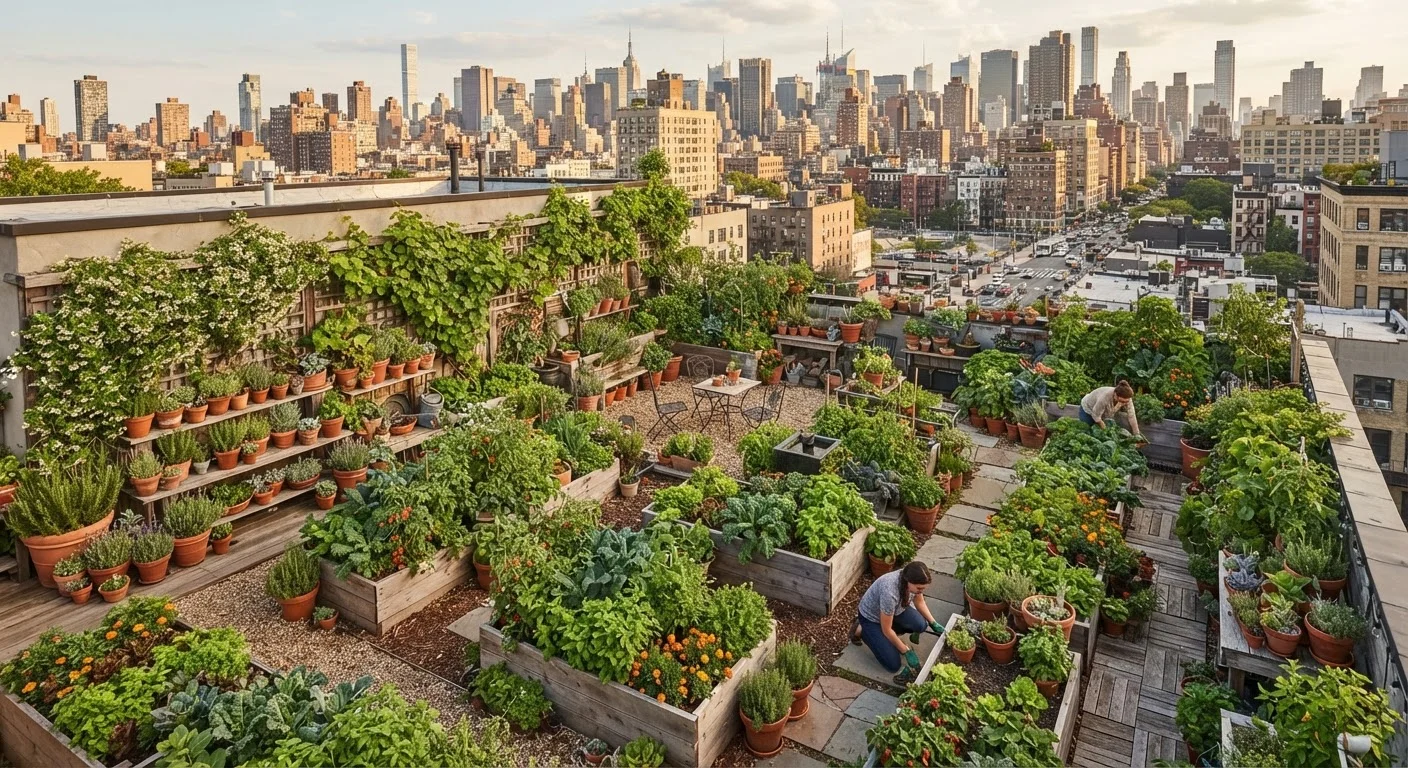
For first-time growers or anyone gardening in an urban setting, that distinction matters a lot. Native soil in many US cities and suburban lots is compacted, nutrient-depleted, or contaminated with decades of runoff. Raised beds sidestep those problems entirely. For gardeners with genuinely good soil and room to spread out, going in-ground is often the more practical and economical path. See the urban gardening guide for more on navigating space constraints.
| Raised Beds | In-Ground Planting | |
|---|---|---|
| Upfront Cost | Moderate to high (materials + fill soil) | Low (minimal materials needed) |
| Soil Control | Full control from day one | Dependent on native soil quality |
| Drainage | Excellent by design | Varies; can be poor in clay soils |
| Weed Pressure | Lower, especially early on | Higher; ongoing management needed |
| Watering Needs | Higher; dries out faster | Lower; retains moisture longer |
| Scalability | Limited by cost and space | Easily expanded at low cost |
| Accessibility | High with tall builds | Low; requires kneeling or bending |
| Long-term Soil Health | Needs regular replenishment | Builds naturally over time |
Raised Beds: What You Gain and What You Give Up
The benefits of raised beds are tangible and relatively immediate. Drainage is superior because water moves freely through a purpose-built soil mix rather than fighting compaction. Weeds are easier to manage in the early seasons, especially if you lay a weed barrier at the base. Soil temperature also rises faster in spring, giving you a modest head start on the growing season in cooler climates.
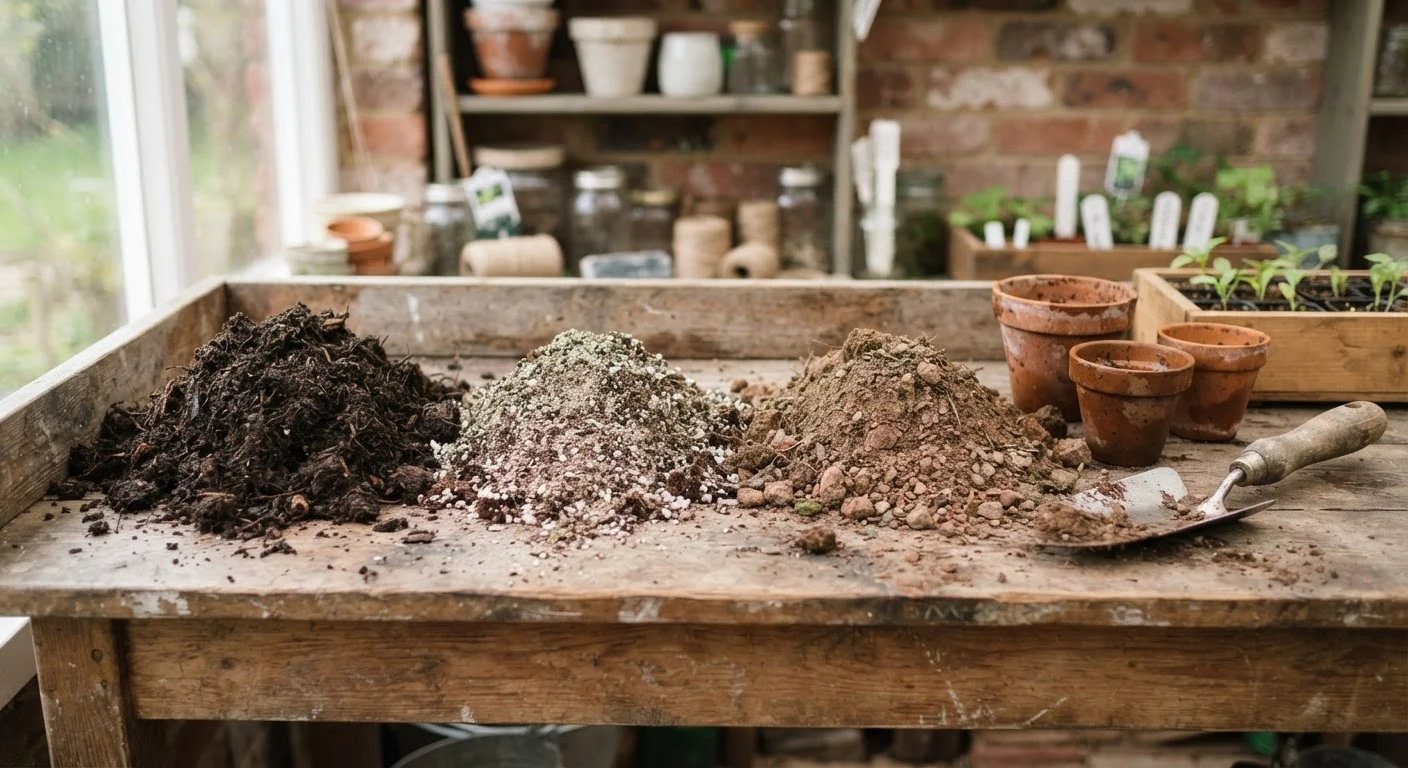
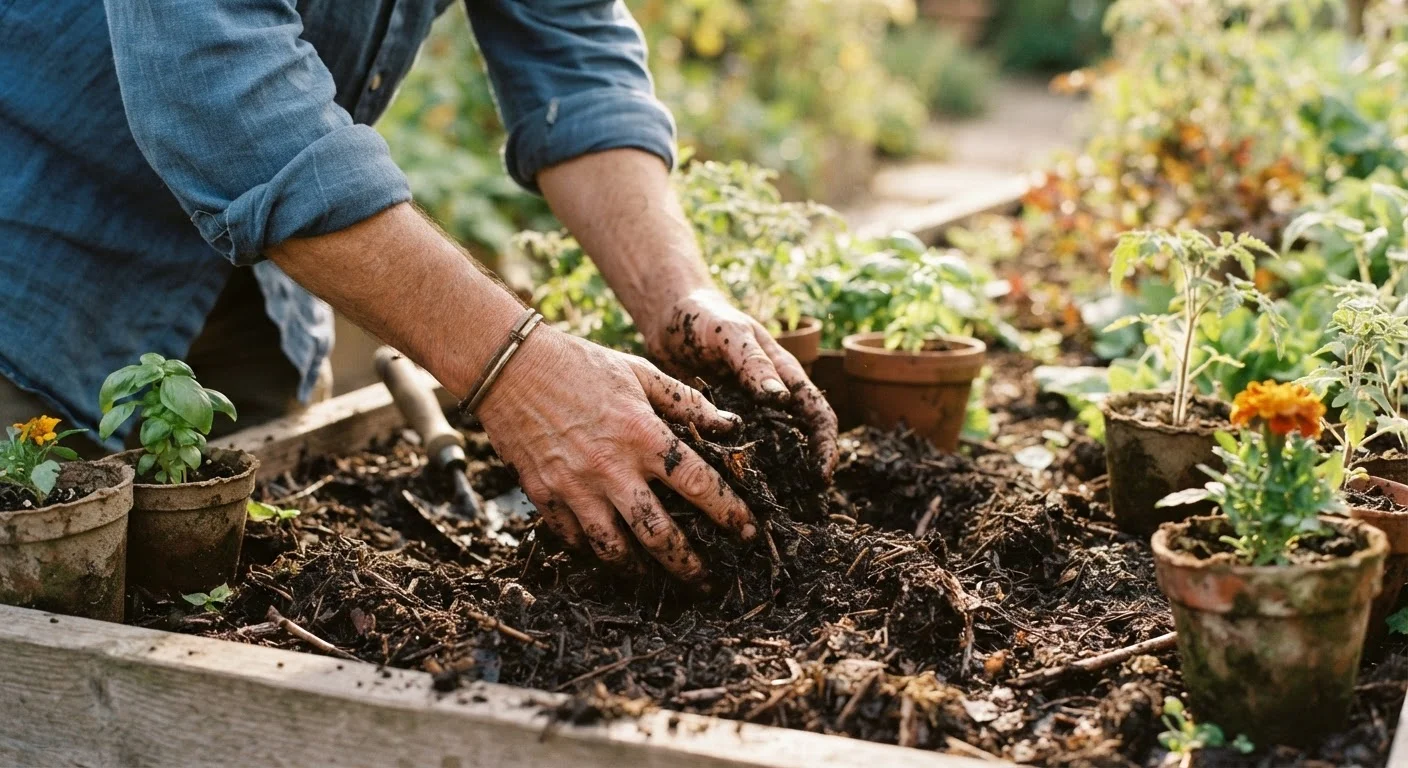
Soil quality is your biggest lever. A well-balanced mix of topsoil, compost, and aged organic matter sets your plants up well from day one. Our guide on soil, compost, and potting mix breaks down exactly how to build that foundation.
The downsides are real, though. Material costs for lumber, hardware cloth, and quality fill soil add up quickly - a standard 4×8-foot bed can run anywhere from $75 to several hundred dollars depending on materials. Raised beds also dry out faster than in-ground plots, which means more frequent watering in summer. Over time, the soil structure needs replenishing as organic matter breaks down.
Size Your Raised Bed for Easy Reach
Keep raised beds no wider than 4 feet so you can comfortably reach the center from either side without stepping on the soil. Compacting the growing medium defeats much of the drainage benefit you built in. Length can be whatever your space allows - 8 feet is a common starting point that's easy to divide into planting sections.
In-Ground Planting: Lower Cost, Higher Patience
In-ground planting rewards patience and long-term thinking. When you cultivate native soil over multiple seasons - adding compost, reducing compaction through no-till practices, and building a healthy soil ecosystem - you create a growing environment that largely sustains itself. That ecological depth is hard to replicate in a raised bed. For information on feeding that ecosystem well, see our piece on organic vs. synthetic fertilisers.
The practical barrier is soil quality. If your native soil is heavily clay-based, sandy, or potentially contaminated (common near older structures or high-traffic roads), in-ground growing requires significant remediation before results are reliable. Testing your soil before committing is worthwhile - local cooperative extension services often offer affordable testing.
Scaling is straightforward in-ground: you simply expand the planting area without additional structural cost. This makes it the preferred approach for anyone growing a meaningful volume of vegetables or flowers across a larger yard. Companion planting strategies also translate well at scale - see what companion planting is and isn't for a grounded look at the practice.
~60%
US soils that benefit from organic matter addition
USDA Natural Resources Conservation Service data suggests a significant majority of residential and agricultural soils in the US have degraded organic matter levels, underscoring why soil amendment is foundational regardless of growing method.
4-6 weeks
Earlier soil warm-up in raised beds
Cooperative extension research from several US universities indicates raised beds can reach workable soil temperatures several weeks ahead of in-ground plots in the same climate, extending the effective growing season.
How to Decide: Key Questions to Ask Yourself
The right method depends on a handful of practical realities more than personal preference. Run through these before committing:
- What's your native soil like? If it's consistently waterlogged, rocky, or potentially contaminated, raised beds are the lower-risk starting point.
- Do you rent or own? Raised beds are easier to install without permanent modification, making them more renter-friendly - though always check lease terms.
- What's your budget? In-ground planting has a much lower barrier to entry if soil conditions allow it.
- How much are you growing? Raised beds suit compact, intensive plantings. In-ground makes more sense for larger plots.
- Do you have mobility considerations? A raised bed at counter height eliminates the need to kneel or bend, which matters for long-term comfort.
There's also a hybrid path worth considering: start with one or two raised beds to grow high-value crops like herbs and salad greens, while simultaneously working to improve an in-ground area for hardier vegetables. This approach spreads both cost and learning across seasons rather than asking you to commit fully to one method before you've seen how each performs in your specific conditions. For those deciding how to start seeds in either system, the direct sowing vs. starting seeds indoors breakdown is worth reading alongside this one.