Garden Soil: The Foundation Beneath Your Feet
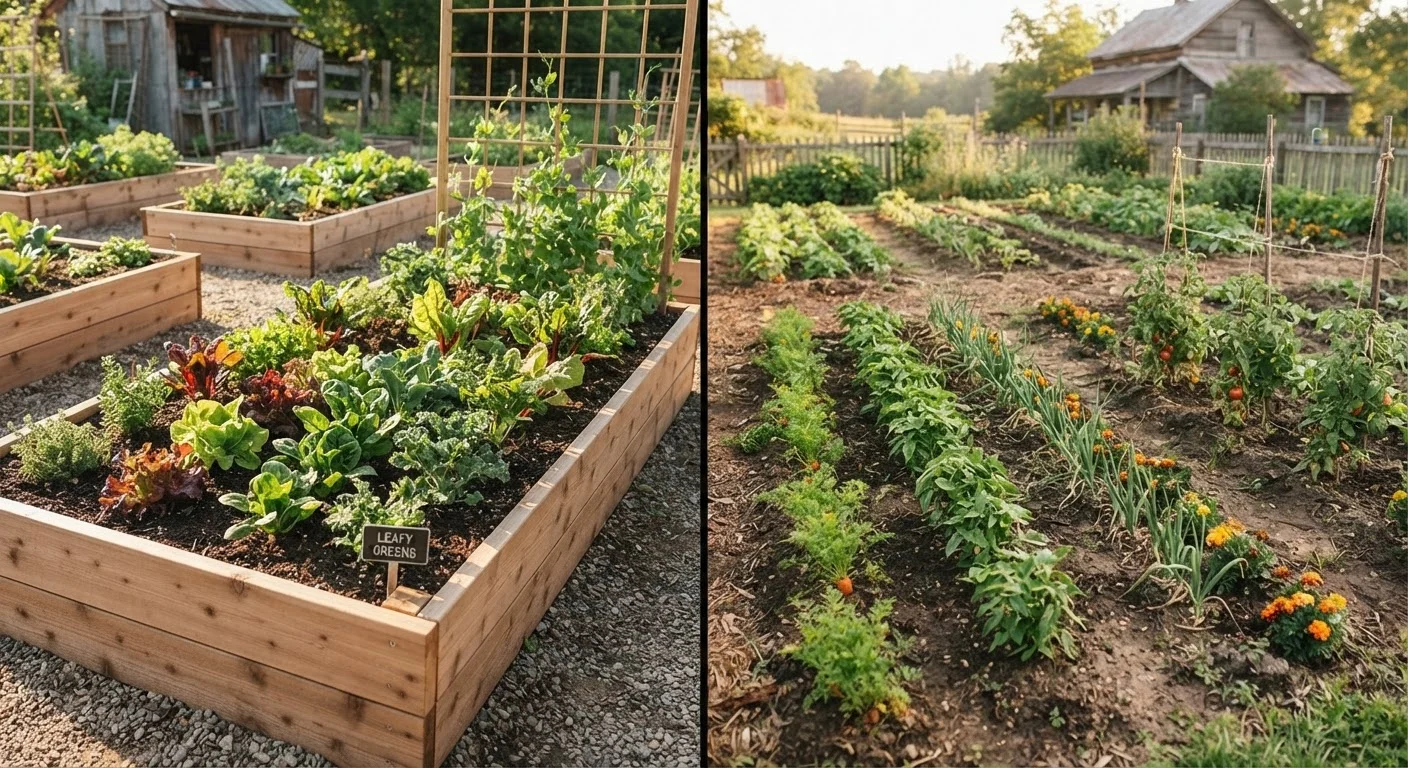
Garden soil - the material found naturally in your yard or sold in bulk bags - is the baseline growing environment for in-ground and raised-bed planting. It's a complex mixture of mineral particles, organic matter, water, air, and billions of microorganisms that collectively support plant growth.
Good garden soil is loose enough for roots to penetrate, retains moisture without staying waterlogged, and contains enough organic matter to support microbial activity. Most native soils, however, need improvement. Clay-heavy soils drain poorly; sandy soils dry out fast. This is where amendments like compost come in.
One thing to note: bagged 'garden soil' from a home improvement store is not always the same as native topsoil. It's typically a blended product intended for in-ground or raised-bed use. It's generally too dense and heavy for containers. If you're setting up a raised bed, see our guide to raised beds vs. in-ground planting for more on how soil choice affects each setup.
Test Before You Amend
Before adding anything to an in-ground bed, consider a basic soil test. Many local cooperative extension offices offer low-cost testing that tells you your soil's pH and nutrient levels. Amending without this information can sometimes create imbalances rather than fix them.
Compost: The Amendment That Does Heavy Lifting
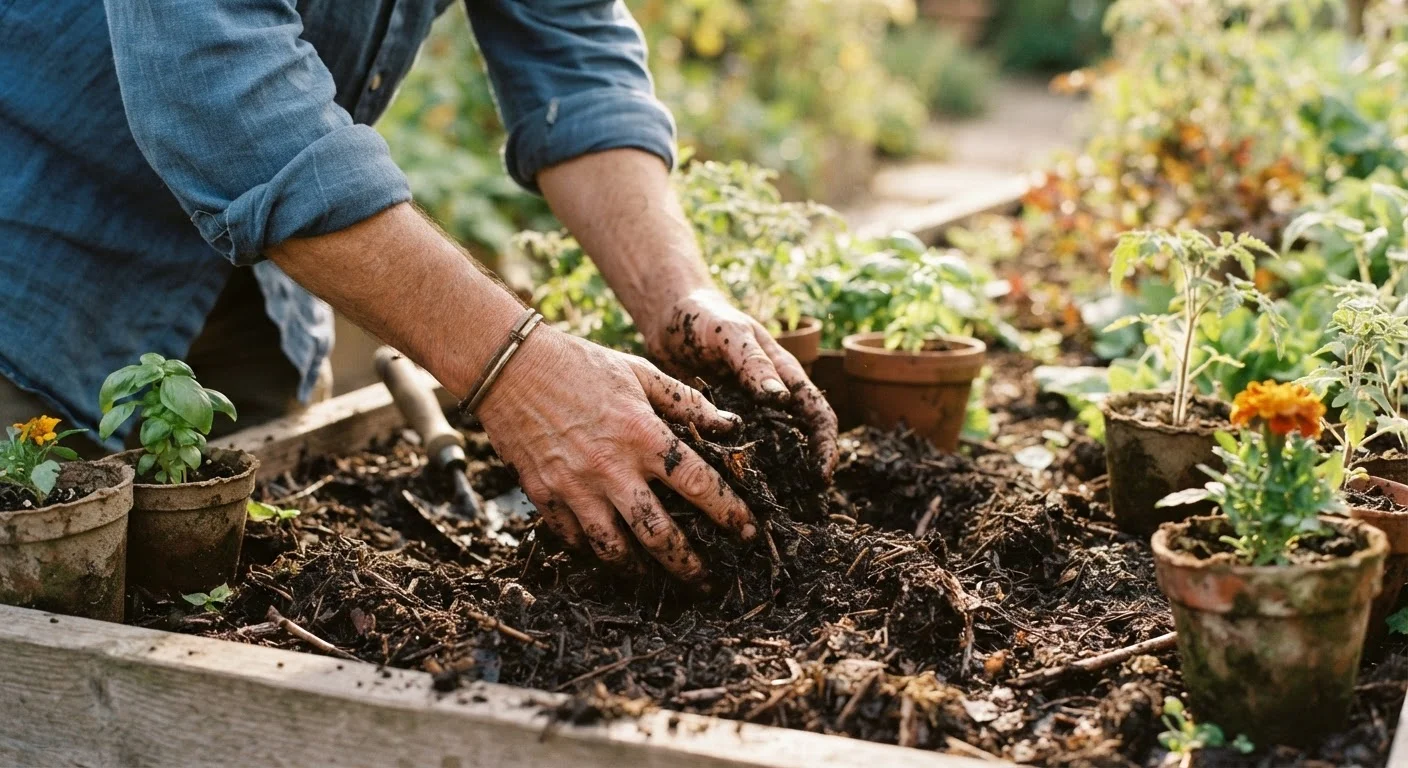
Compost is decomposed organic matter - kitchen scraps, yard waste, and plant material broken down by microbes into a dark, crumbly material that looks a little like coffee grounds. It isn't a standalone growing medium, but it may be the single most useful input any gardener can add to their soil.
What compost does is multifaceted. It improves soil structure in both directions: loosening dense clay soils and helping sandy soils hold moisture longer. It feeds soil microbes, which in turn make nutrients more available to plants. And it adds slow-release organic nutrients that support steady growth without the risk of burning plants the way some synthetic fertilizers can.
~5%
Organic matter in healthy garden soil
Soil scientists generally consider 5% organic matter a benchmark for productive garden soil, though many native soils in the US fall well below this threshold.
2-3 inches
Compost layer for new garden bed prep
University extension programs commonly recommend incorporating 2-3 inches of compost into the top 6-8 inches of soil when establishing a new planting bed.
Compost is mixed into garden beds before planting or spread as a top dressing around established plants. For a deeper look at how organic amendments compare to synthetic options, see the case for and against organic fertilizers.
Potting Mix: Engineered for Life in a Container
Potting mix is a manufactured growing medium designed specifically for containers. Unlike garden soil, it typically contains no actual field soil at all. Instead, it's built from materials like peat moss or coco coir, perlite, vermiculite, and sometimes slow-release fertilizer - ingredients chosen to stay light, drain quickly, and resist compaction.
Why does this matter? In a pot, roots can't spread outward the way they do in the ground. They depend entirely on the growing medium for air, moisture, and nutrients. A dense or compacted medium suffocates them. Potting mix solves this by maintaining a structure that drains freely while still retaining enough moisture for roots to access between waterings.
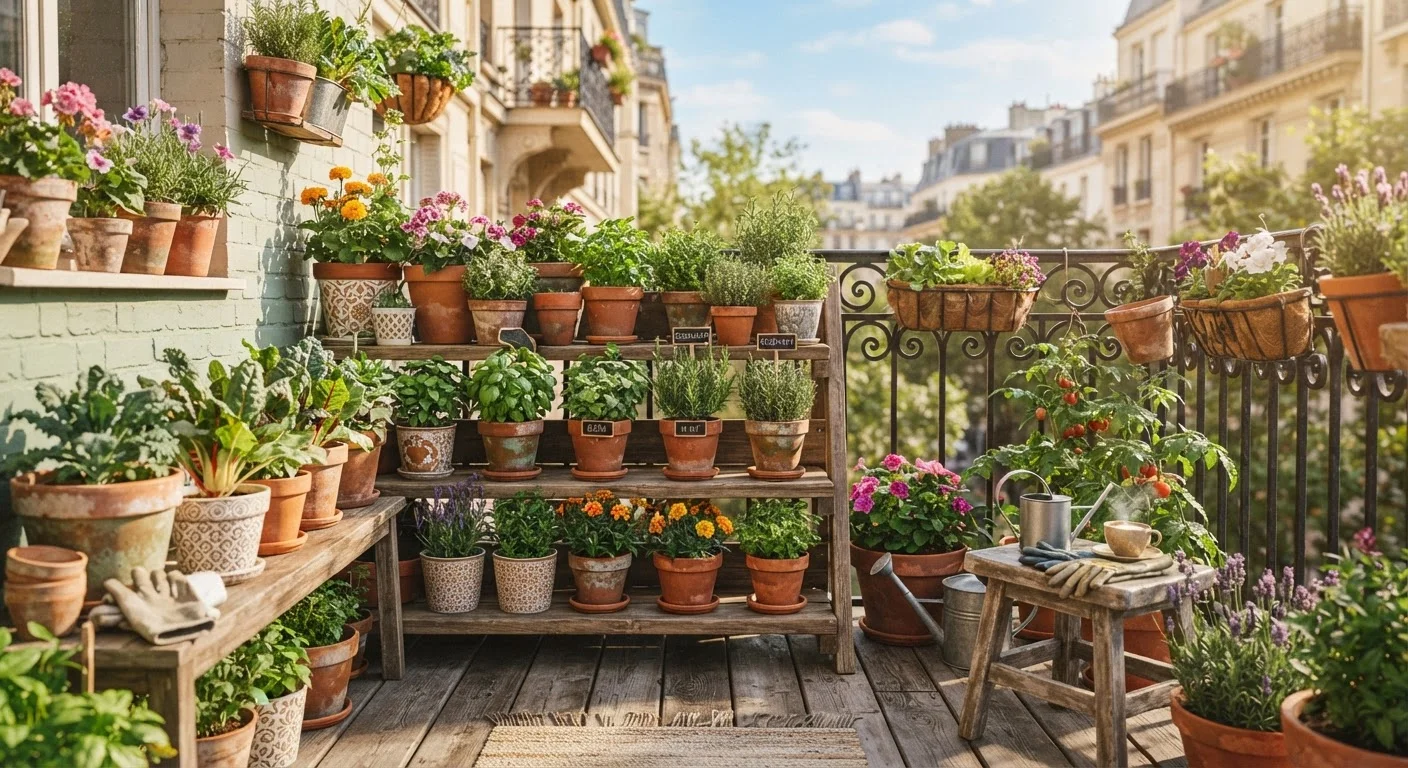
If you're growing herbs on a windowsill, vegetables in a balcony container, or anything in a raised planter, potting mix is the right choice. Container gardening done right covers how to pair the right mix with good drainage and watering habits for long-term success.
Potting Mix Ingredients Vary Widely
Not all potting mixes are formulated the same way. Some are designed for seed starting (finer texture, lower nutrients), others for succulents (extra drainage), and others for general container use. Reading the label and matching the mix to your plant type makes a meaningful difference in results.
Using All Three Together
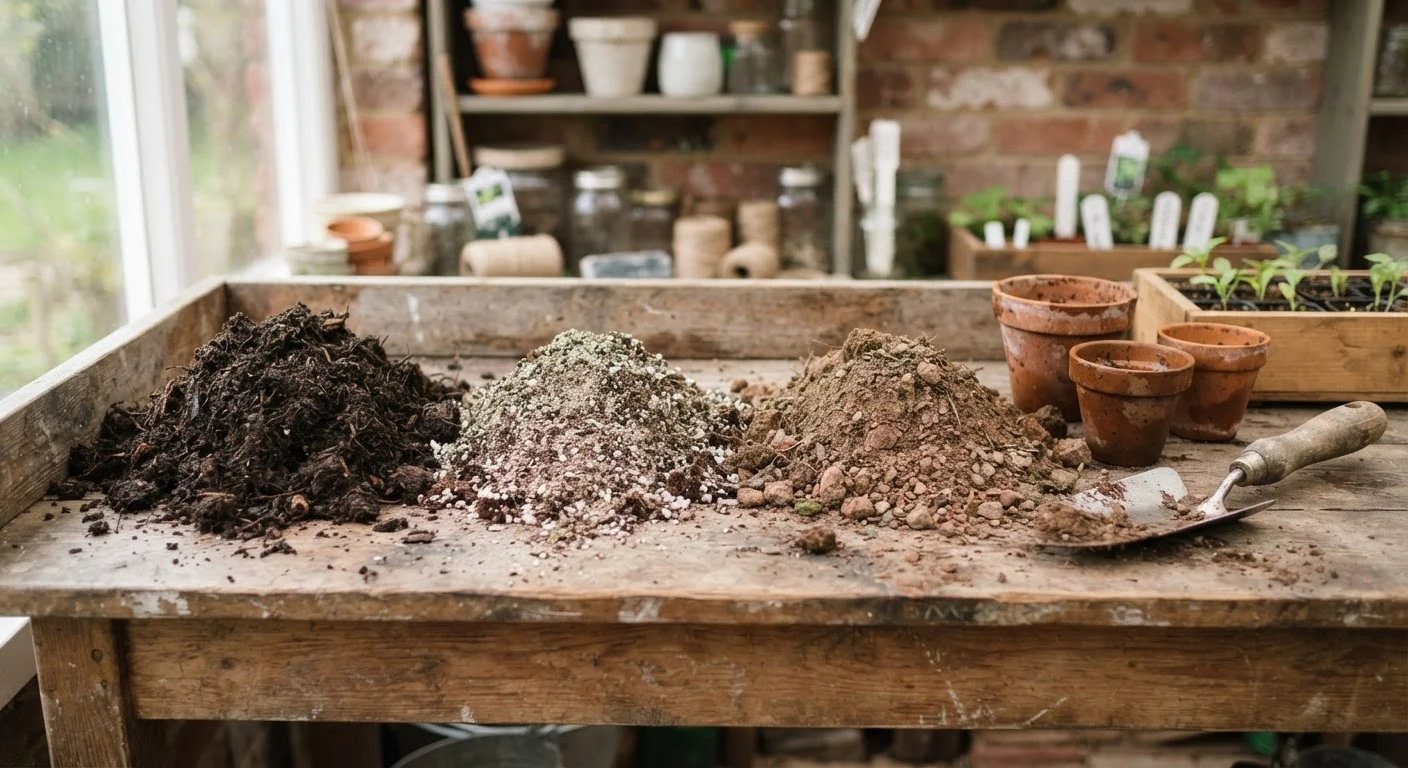
In practice, most gardeners end up using all three - just in the right contexts. A productive garden bed might start with native soil, improved with regular compost additions over seasons. A container garden relies on potting mix as its base, occasionally enriched with a small amount of compost for nutrients.
The key mental shift is to stop thinking of these as interchangeable products and start seeing them as tools with specific jobs. Getting this right reduces plant failures, saves money on replacement plants, and builds confidence fast. Before you set up your first planting space, the first garden setup checklist walks through soil testing and other essentials worth covering before a single seed goes in the ground.
“The single most important thing a beginning gardener can do is focus on the soil. Plants are almost secondary - get the growing medium right, and most other problems solve themselves.”
— Eliot Coleman, Market gardener and author of 'The New Organic Grower'