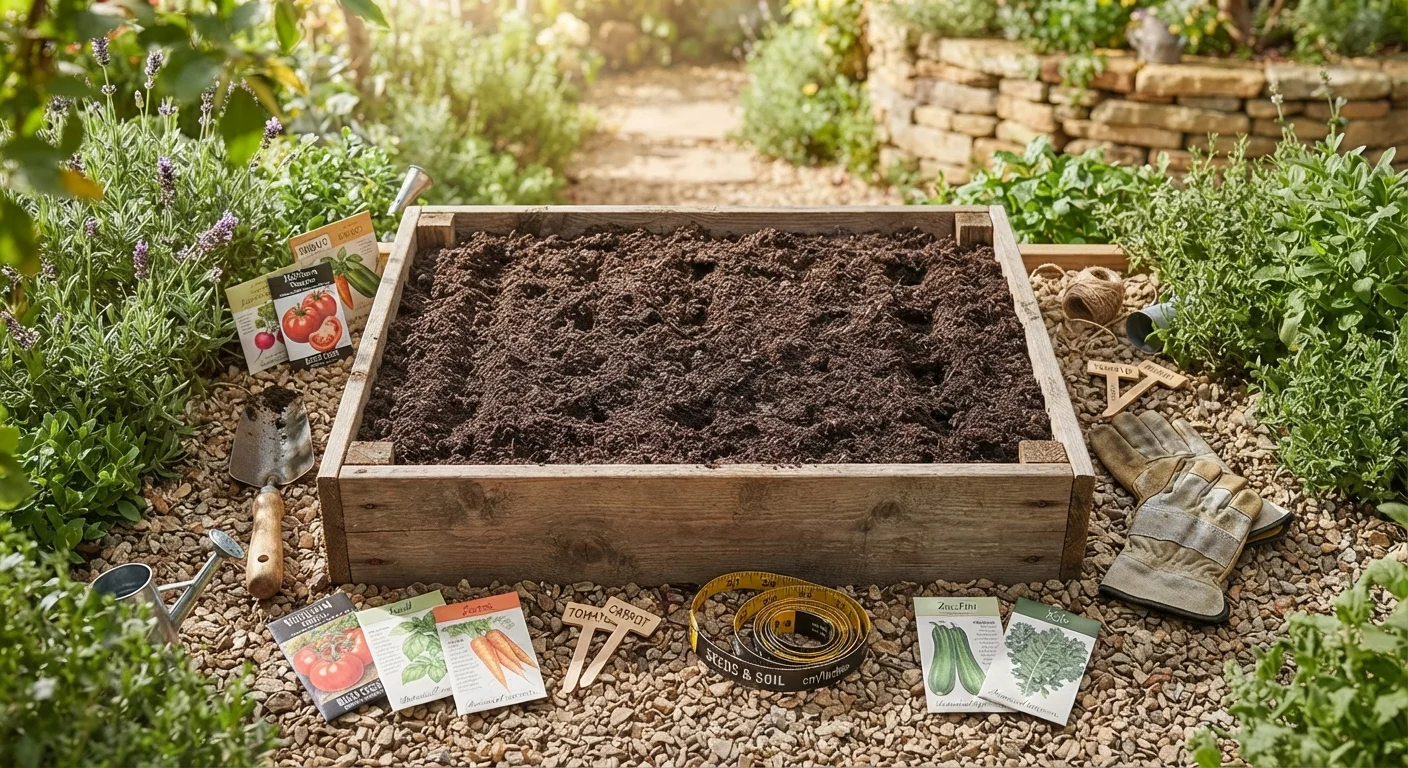
From soil testing to tool selection and spacing plans, cover the essentials before a single seed goes in the ground.
Key Takeaways
Soil health is the single most important factor before any seed goes in the ground.
Understanding your site's light conditions prevents mismatched plant choices from the start.
A simple spacing and layout plan saves significant rework mid-season.
A short, purposeful tool kit is all a beginner needs - resist over-buying.
Matching plants to your local climate zone avoids the most common first-season failures.
Why Setup Work Determines Your Season
Most first-time gardening frustrations - wilting plants, patchy germination, pest overruns - trace back to skipped preparation rather than bad luck or a missing green thumb. Spending an afternoon on the steps in this checklist gives every seed you plant a genuinely fair chance.
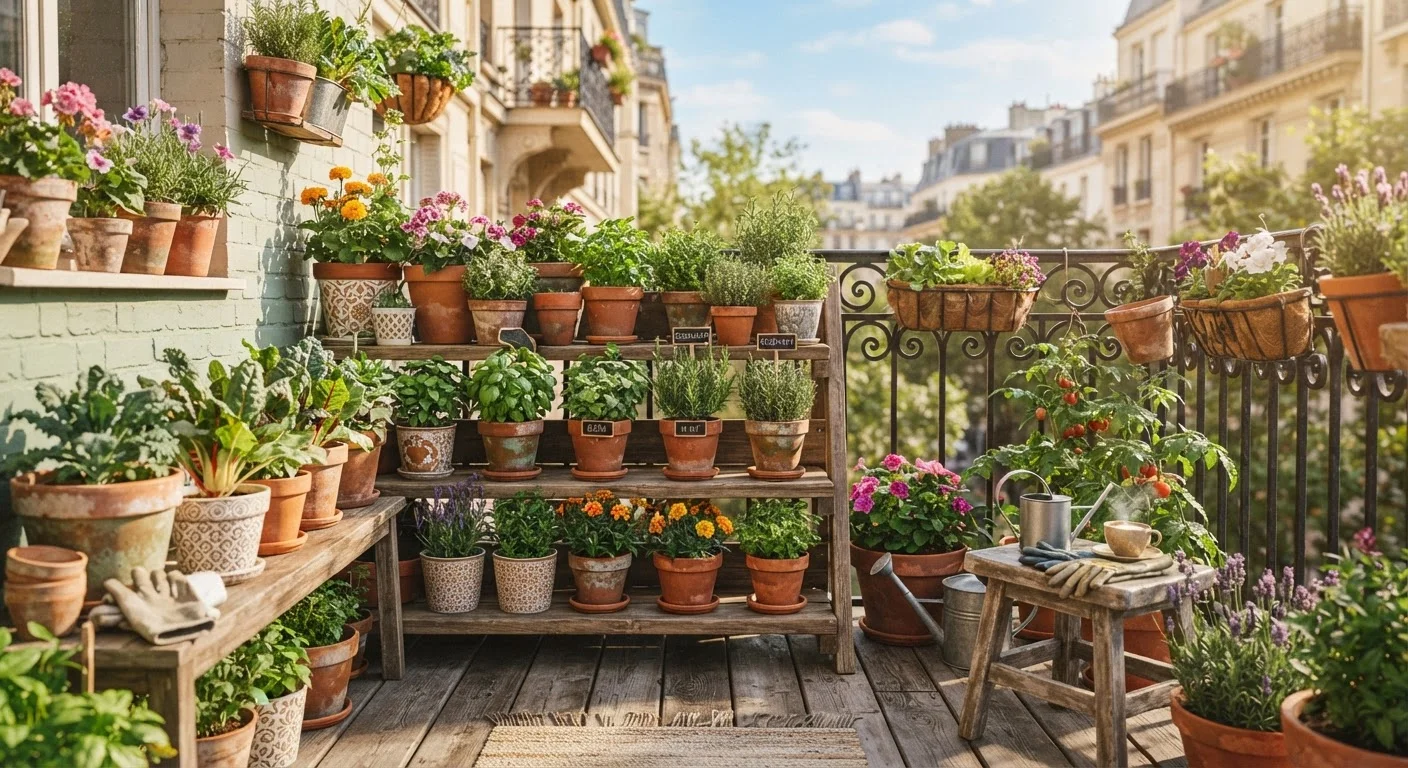
This checklist is designed for in-ground and small raised-bed gardens. If you're growing entirely in pots, the principles still apply - but see our guide on container gardening habits for soil and drainage specifics that differ from ground planting.
Work through each group in order. The categories build on each other: knowing your site informs your soil choices, your soil choices inform your plant list, and your plant list determines what tools and spacing you actually need.
Site Assessment
Track sunlight across your chosen spot for a full day, noting morning, midday, and afternoon coverage. Most vegetables need at least six hours of direct sun.Must
Identify any shade sources - structures, fences, or trees - that will shift with the seasons as foliage fills in.Must
Check for drainage by watering the area and observing whether water pools or drains within an hour. Consistently waterlogged soil requires amendment or a raised-bed solution.Must
Note prevailing wind direction; strong winds stress seedlings and dry out soil faster. Consider a simple windbreak if your site is exposed.Should
Soil Preparation
Purchase an inexpensive home soil test kit to determine your pH and basic nutrient levels before adding any amendments.Must
Amend soil based on test results - lime to raise pH, sulfur to lower it - rather than applying generic fertilizer without data.Must
Work 2-3 inches of compost into the top 8-10 inches of soil to improve structure, drainage, and microbial activity simultaneously.Must
Check for compaction by pushing a pencil or finger 6 inches into the soil; significant resistance means roots will struggle and the area needs loosening.Should
Plant Selection and Layout
Look up your USDA Hardiness Zone and last frost date for your zip code to anchor every planting timing decision you make this season.Must
Choose plants rated for your light conditions - check seed packets or plant tags carefully. Full-sun crops planted in partial shade underperform regardless of soil quality. Our guide on reading your garden's light explains how to assess this accurately.Must
Sketch a simple top-down layout to scale, respecting final mature spacing listed on each seed packet so plants don't shade or crowd each other.Must
Group plants with similar water needs together to simplify irrigation and avoid over- or under-watering adjacent beds.Should
Plan a companion planting pairing - such as basil near tomatoes or marigolds at bed edges - to naturally deter common pests.Nice to have
Tools and Infrastructure
Confirm you have a reliable water source within hose reach of your bed; carrying watering cans across a yard is unsustainable for daily summer watering.Must
Source your core hand tools (trowel, cultivator, pruners) before planting day - waiting until seedlings are in the ground creates unnecessary stress.Must
Install any physical supports - tomato cages, trellises, or stakes - before transplanting so you don't disturb roots later.Should
Lay a 2-inch layer of mulch between planned plant rows to suppress weeds and conserve moisture from the first week onward.Should
Set up a simple garden journal or notes app entry to log planting dates, varieties, and observations - patterns you notice in year one are invaluable in year two.Nice to have
Tools, Resources, and What to Do Next
You don't need a full shed to start well. The tools below cover nearly every task in this checklist without unnecessary expense or storage burden.
Required
Hand trowel
Digging individual planting holes and transplanting seedlings without disturbing surrounding soil.
Required
Garden cultivator or hand fork
Breaking up compacted soil and working amendments evenly into the top layer.
Required
Soil pH and nutrient test kit
Measuring baseline soil conditions before adding amendments so you correct with precision.
Required
Garden hose with adjustable nozzle
Delivering a gentle, even watering pattern that doesn't displace seeds or damage seedlings.
Required
Bypass pruners
Clean-cutting stems for thinning, harvesting, and removing diseased growth without crushing plant tissue.
Optional
Measuring tape and plant markers
Laying out accurate spacing according to your sketch before any seeds or transplants go in.
Required
Compost
Improving soil structure, water retention, and microbial life as a universal soil amendment.
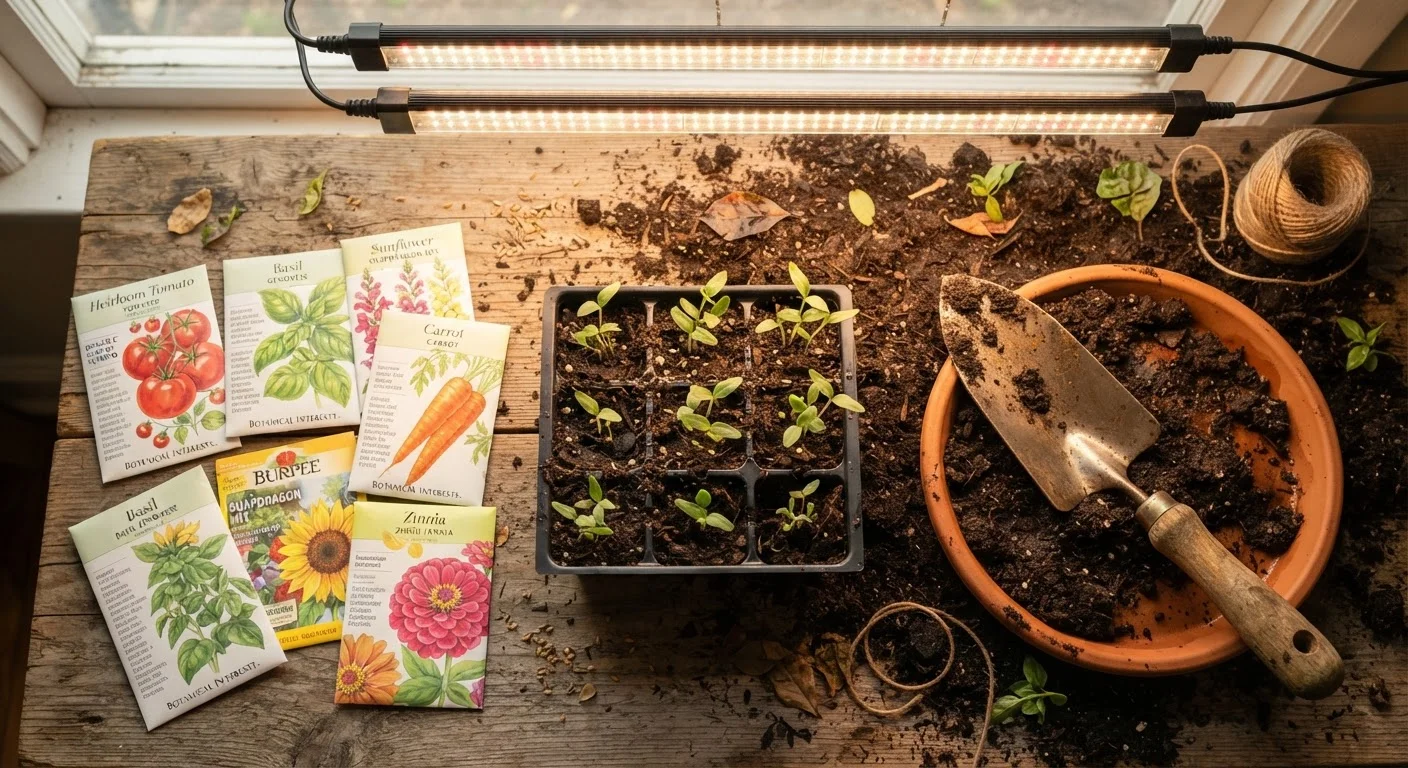
Once you've worked through this checklist, your most immediate decision is how you'll get plants in the ground. That choice - direct sowing outdoors versus starting seeds inside under lights - depends on your crop type, local frost dates, and how much lead time you have. Our article on direct sowing vs. starting seeds indoors walks through how to decide.
If you're still choosing what to grow, twelve forgiving crops for first-time growers is a practical shortlist of plants that tolerate imperfect conditions - the right starting point when you're still calibrating your space.
Don't Skip the Soil Test
Applying amendments before testing is the most common setup mistake beginners make. Adding fertilizer to already-high-nitrogen soil, for example, can burn seedlings and create nutrient imbalances that take a full season to correct. A basic home test kit takes about 30 minutes and removes all guesswork from your amendment decisions.
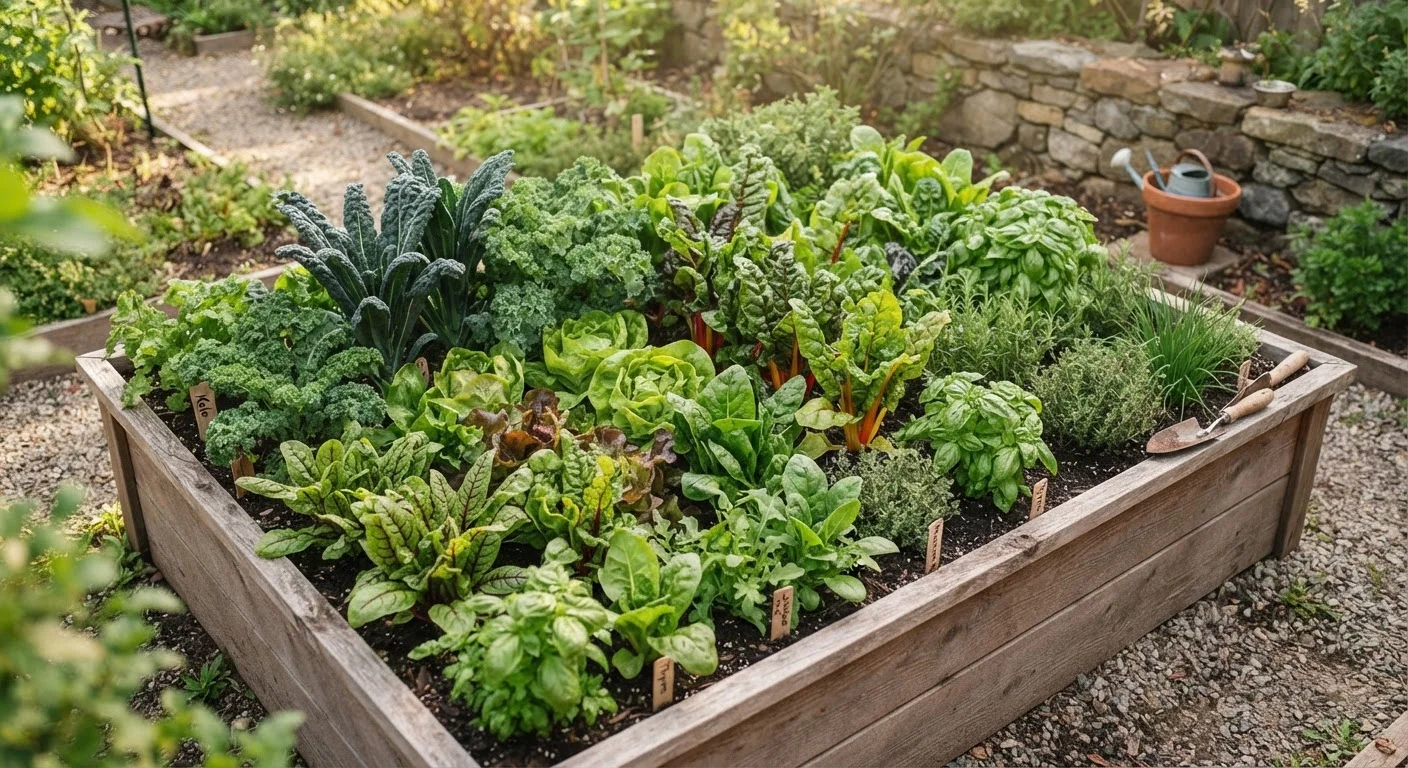
Finally, if you're weighing whether a raised bed makes more sense than planting directly into your yard, the trade-offs are worth understanding before you build anything. See raised beds vs. in-ground planting for a clear breakdown.
Home & Living Editorial Team is the collective byline for our editorial team and contributor network. Articles published under this byline or an editorial pen name are researched, written, and reviewed according to our editorial standards for clarity, consistency, and independence before publication.
The content provided on our blog site traverses numerous categories, offering readers valuable and practical information. Readers can use the editorial team’s research and data to gain more insights into their topics of interest. However, they are requested not to treat the articles as conclusive. The website team cannot be held responsible for differences in data or inaccuracies found across other platforms. Please also note that the site might also miss out on various schemes and offers available that the readers may find more beneficial than the ones we cover.