What Each Method Actually Involves
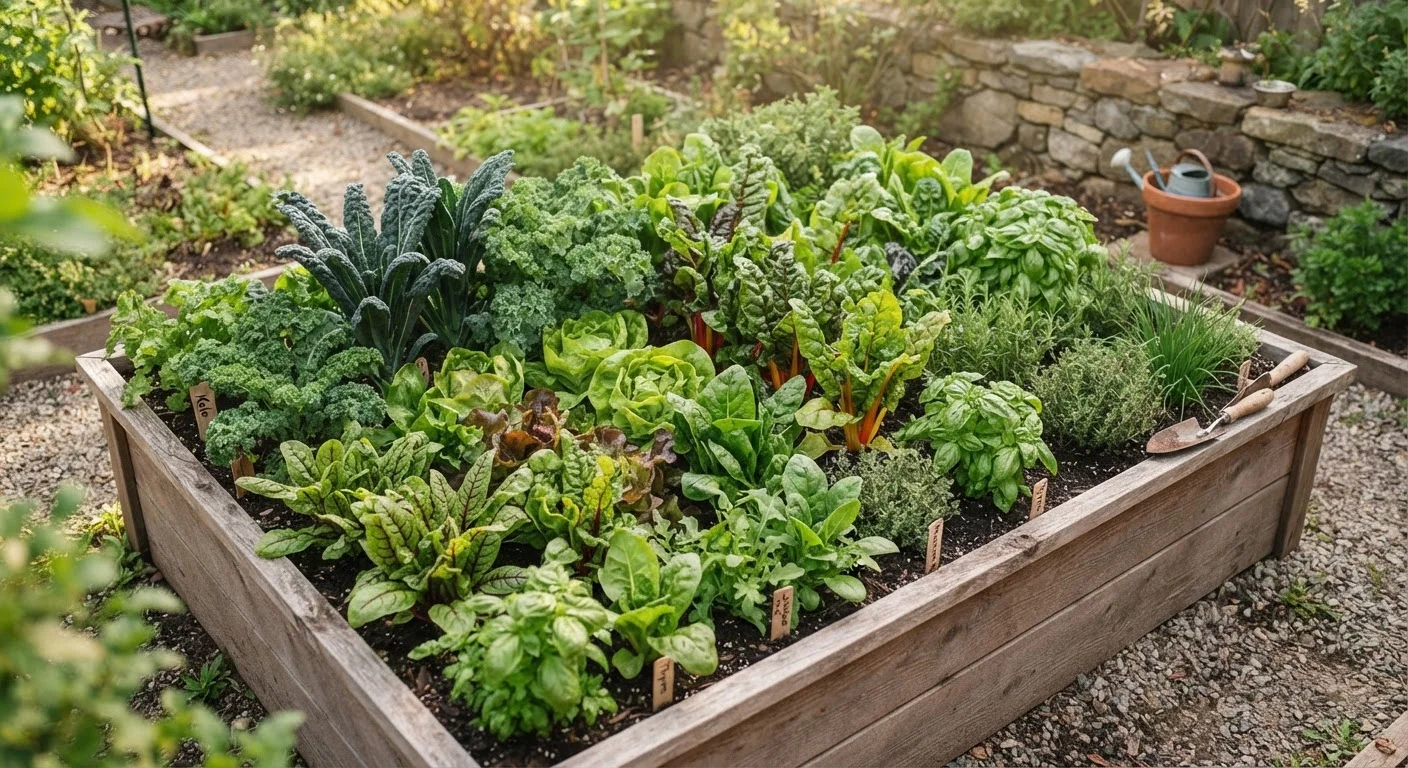
Direct sowing means placing seeds straight into outdoor soil - your garden bed, raised bed, or container - at the appropriate time for your climate. The seed germinates in place, and the plant grows without ever being moved. It is simple, inexpensive, and mimics how most plants grow in nature.
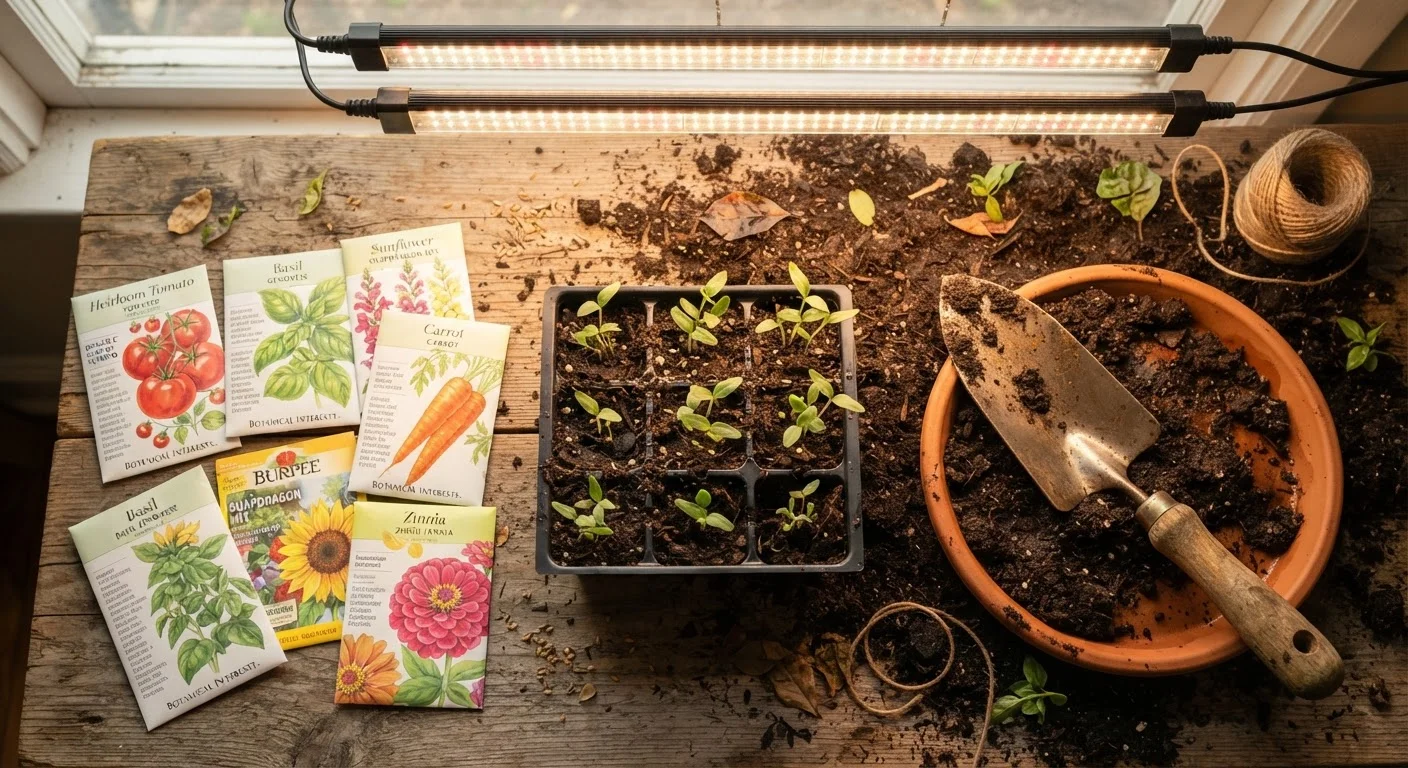
Starting seeds indoors means germinating seeds in a controlled environment - typically 4 to 10 weeks before your last expected frost date - and then transplanting the young seedlings outside once conditions are safe. This requires more materials (seed trays, a sterile starting mix, a light source, and often a heat mat) but gives you a meaningful head start on the season.
Before committing to either method, it helps to understand your garden's conditions. Our guide on reading your garden's light covers how to assess your space before planting anything - a foundational step regardless of which sowing method you choose.
| Criterion | Direct Sowing | Starting Seeds Indoors |
|---|---|---|
| Setup cost | Very low - seeds and soil only | Moderate - trays, lights, heat mat |
| Transplant stress risk | None | Present; minimized by hardening off |
| Season extension | Limited by last frost date | Extends effective season by weeks |
| Best crop types | Roots, legumes, fast greens | Tomatoes, peppers, brassicas |
| Beginner friendliness | High | Moderate - more variables to manage |
| Space required | Garden bed or container | Indoor space with adequate light |
Which Crops Belong in Which Category
Crop type is the single clearest signal for which method to use. Some plants genuinely do not care; others have strong preferences.
Crops that prefer direct sowing
- Root vegetables (carrots, parsnips, beets, radishes) - transplanting disturbs their taproots
- Legumes (beans, peas) - they germinate quickly and do not transplant well
- Fast-maturing greens (arugula, spinach, lettuce) - they reach harvest in 30-45 days anyway
- Squash and cucumbers - they germinate fast and grow rapidly once in warm soil
Crops that benefit from starting indoors
- Tomatoes and peppers - need 6-10 weeks of growth before they can handle outdoor conditions
- Eggplant and tomatillos - long-season crops that rarely reach maturity if direct sown in most US climates
- Brassicas (broccoli, cabbage, cauliflower) - starting indoors helps you time them for a spring or fall window, avoiding summer heat
- Celery and celeriac - notoriously slow; direct sowing in most regions is impractical
If you are deciding what to grow first, twelve crops that forgive first-time growers includes a mix of both direct-sown and transplant-friendly varieties worth starting with.
6-10 weeks
Typical indoor head start for tomatoes
Most cooperative extension programs recommend starting tomatoes 6-10 weeks before the last expected frost date in your region.
50°F+
Minimum soil temperature for most seeds
Soil temperature - not air temperature - is the reliable trigger for germination; many warm-season crops require 60-70°F or higher to sprout reliably.
Common Mistakes - and How to Avoid Them
Both methods carry predictable failure points. Knowing them upfront saves a lot of frustration.
Direct sowing mistakes
- Sowing too early: Cold, wet soil inhibits germination and can rot seeds before they sprout. Wait until soil temperature - not just air temperature - reaches the threshold your crop needs.
- Sowing too deep: Most seeds need to be planted at a depth roughly equal to twice their diameter. Tiny seeds like carrots and lettuce often need little more than a light press into the surface.
- Neglecting thinning: Crowded seedlings compete for light, water, and nutrients. Thinning feels counterintuitive but is essential to strong plants.
Indoor starting mistakes
- Starting too early: Seedlings outgrow their trays before it is safe to transplant, becoming root-bound and stressed.
- Insufficient light: A bright window rarely provides enough intensity. Weak, leggy seedlings struggle after transplanting.
- Skipping hardening off: Moving seedlings directly from indoors to full outdoor sun causes leaf scorch and transplant shock. Gradually acclimate them over 7-10 days.
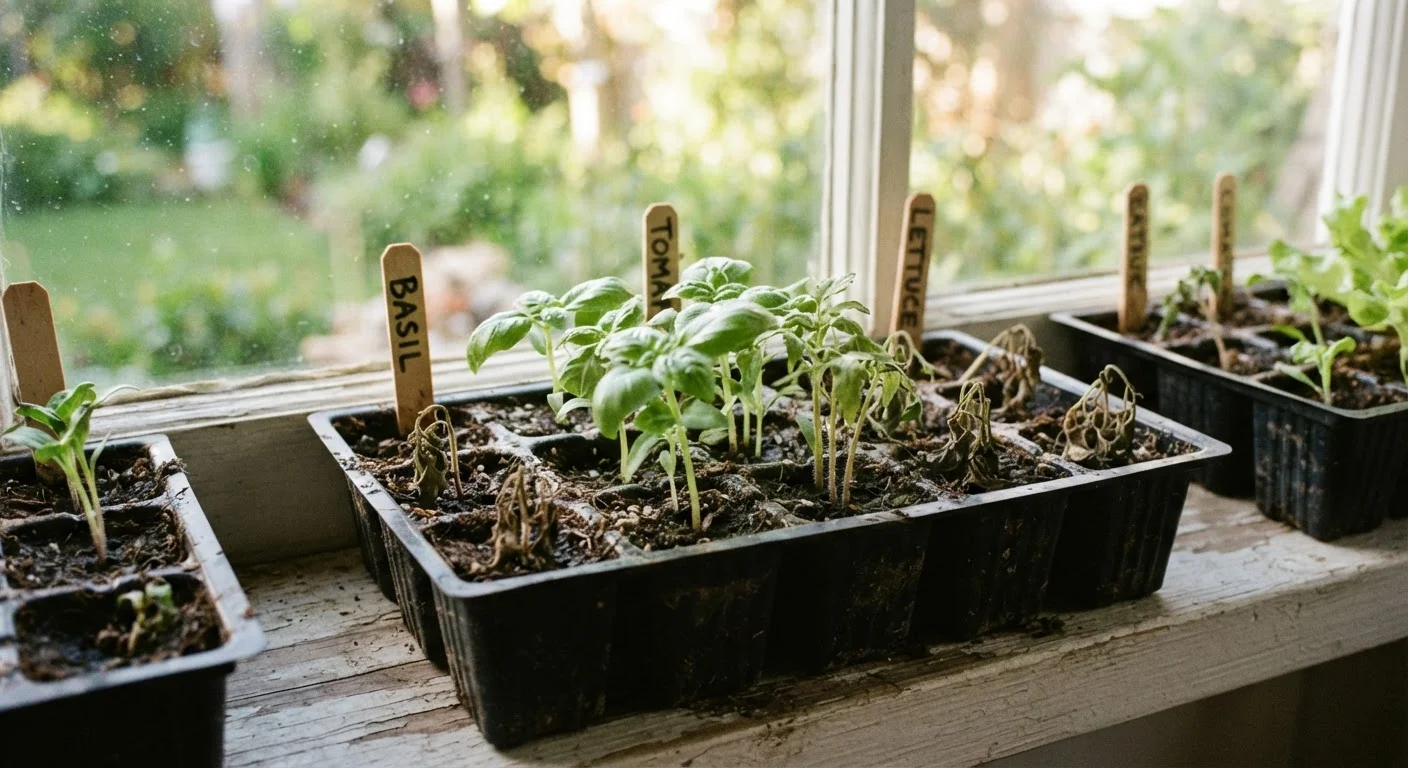
Transplant failure after germination is one of the most discouraging experiences for new growers. Our article on why seedlings keep dying after germination breaks down the most common culprits and how to address them.
Your Last Frost Date Is the Anchor
Almost every sowing decision - indoors or out - is calculated relative to your area's average last spring frost date. The USDA Plant Hardiness Zone Map and local cooperative extension offices are reliable sources for this figure. Treating that date as your fixed reference point makes planning both methods significantly more straightforward.
Making the Decision for Your Garden
Most experienced gardeners do not choose one method over the other - they use both strategically within the same season. A typical spring garden might involve direct-sown peas and radishes in early April, transplanted tomato and pepper seedlings after the last frost, and a succession of direct-sown lettuce every two weeks through May.
If you are working with a raised bed or a small urban plot, the decision also intersects with how you manage space. Raised beds vs. in-ground planting explores how your bed setup can influence timing and which method makes the most sense for your layout.
The most practical approach: start with direct sowing for quick crops and anything root-related, and invest in the indoor setup only once you are ready to grow long-season crops like tomatoes and peppers. Build the habit, then build the system around it.