Why Food Rewards Have Limits
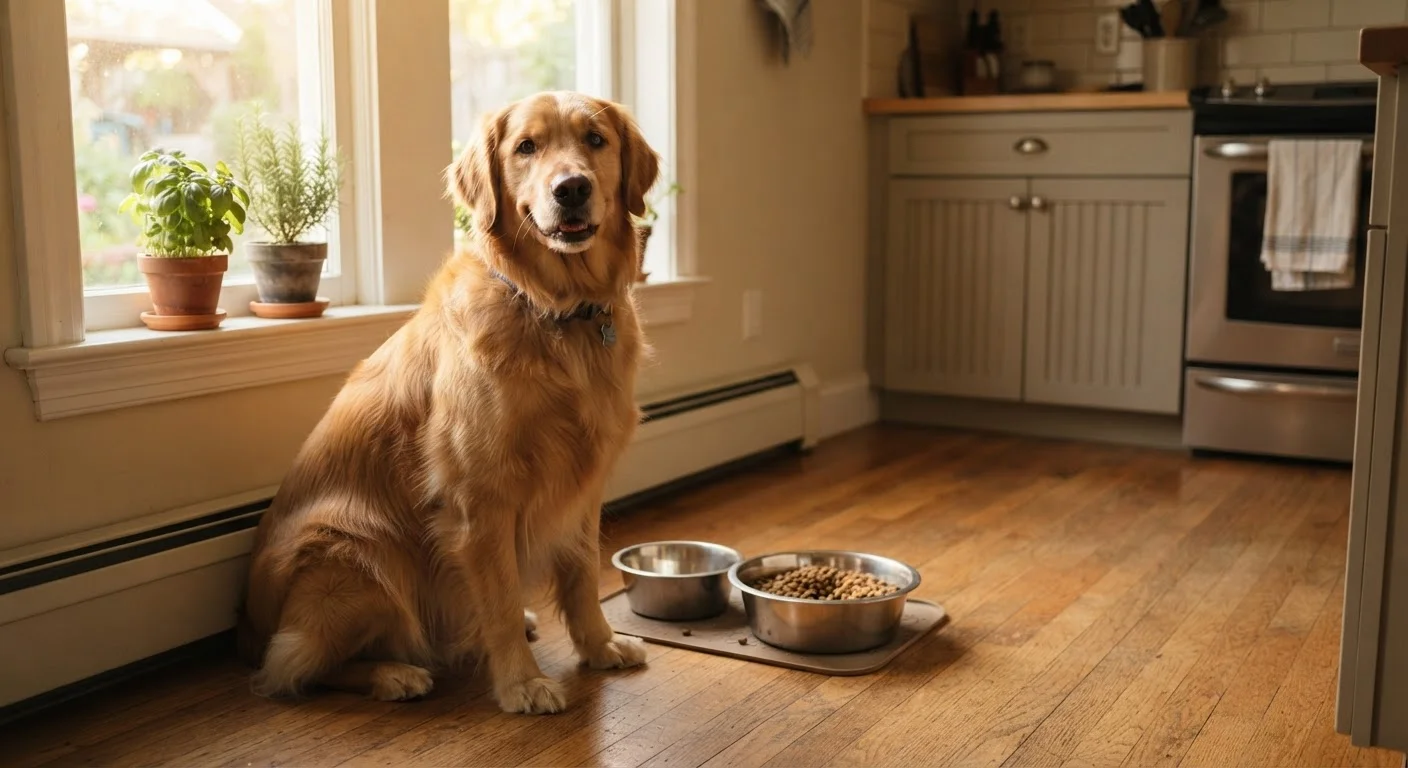
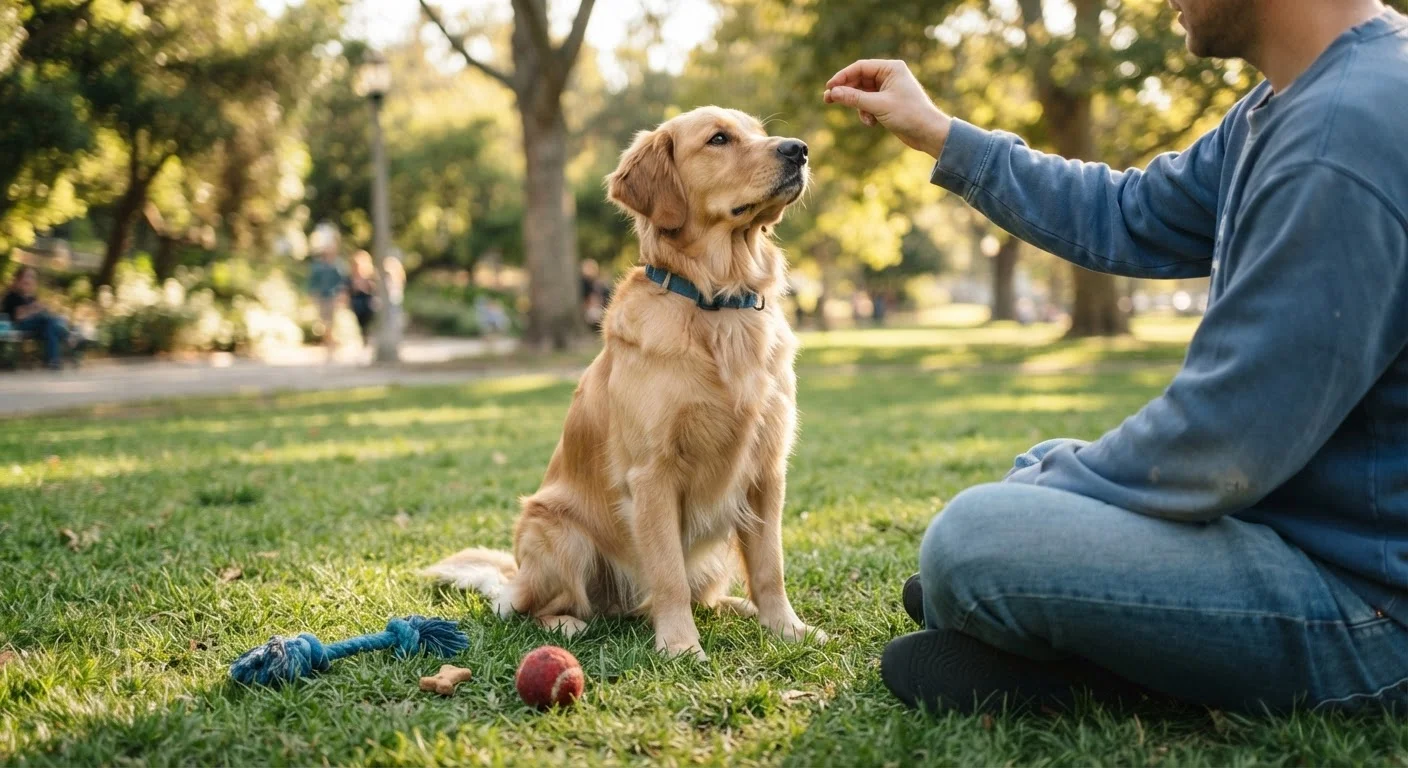
Food is the most commonly used training reward - and for good reason. It's easy to carry, quick to deliver, and reliably motivating for most animals. But over-reliance on treats introduces real constraints that many owners don't anticipate.
First, there's the caloric problem. Training sessions that rely entirely on food can add meaningfully to a pet's daily intake, especially for smaller animals. This is worth taking seriously - see how treat habits connect to pet weight gain for a fuller picture of how routine feeding patterns accumulate.
Second, food loses its power once a pet approaches satiation. A dog halfway through a 20-minute session who has already eaten a dozen small treats will show noticeably reduced motivation. The reinforcer has not changed - the animal's motivational state has.
Third, some environments make food irrelevant. A highly distracted dog near other dogs or wildlife may not accept food at all, because competing motivators outrank it. This is a signal that the trainer needs a different tool, not a louder cue.
Reinforcer Value Is Always Relative
A reinforcer's power is not fixed - it depends on the animal's current motivational state, recent history with that reward, and competing stimuli in the environment. What works perfectly in a quiet kitchen may be irrelevant at a noisy training class. Reassessing what's working in real time is a core training skill, not an exception.
The Full Spectrum: What Else Qualifies as a Reinforcer
Reinforcement is defined by its effect, not its form. Anything that reliably increases the future frequency of a behavior qualifies. That opens the door to a surprisingly wide category of rewards.
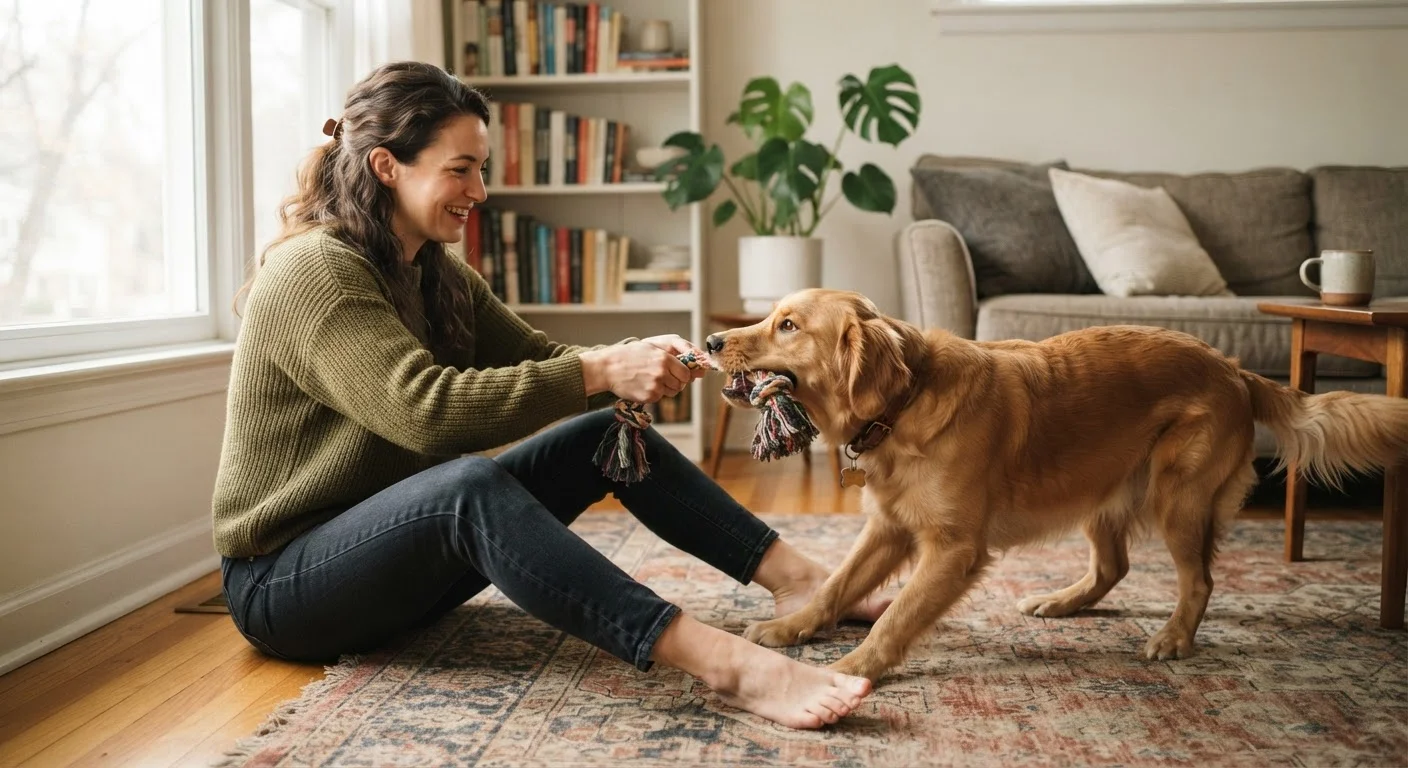
Play and toy-based rewards are highly effective for high-drive dogs. A brief game of tug following a successful recall can be more motivating than any food treat, particularly for working breeds. For a thorough look at when play reinforcement excels and where it runs into limits, see training pets through play.
Social and attention-based rewards - enthusiastic praise, brief petting, or even eye contact from a trusted handler - carry genuine value for socially bonded animals. The key qualifier is that the animal must actually value the interaction. Flat, repetitive praise loses meaning quickly.
Environmental access rewards use naturally occurring desires as reinforcers. Allowing a dog to sniff a post after sitting calmly, or letting a cat jump onto a favored perch after coming when called, turns everyday life into a training opportunity. These are also called "life rewards" and are central to maintaining trained behaviors outside formal sessions.
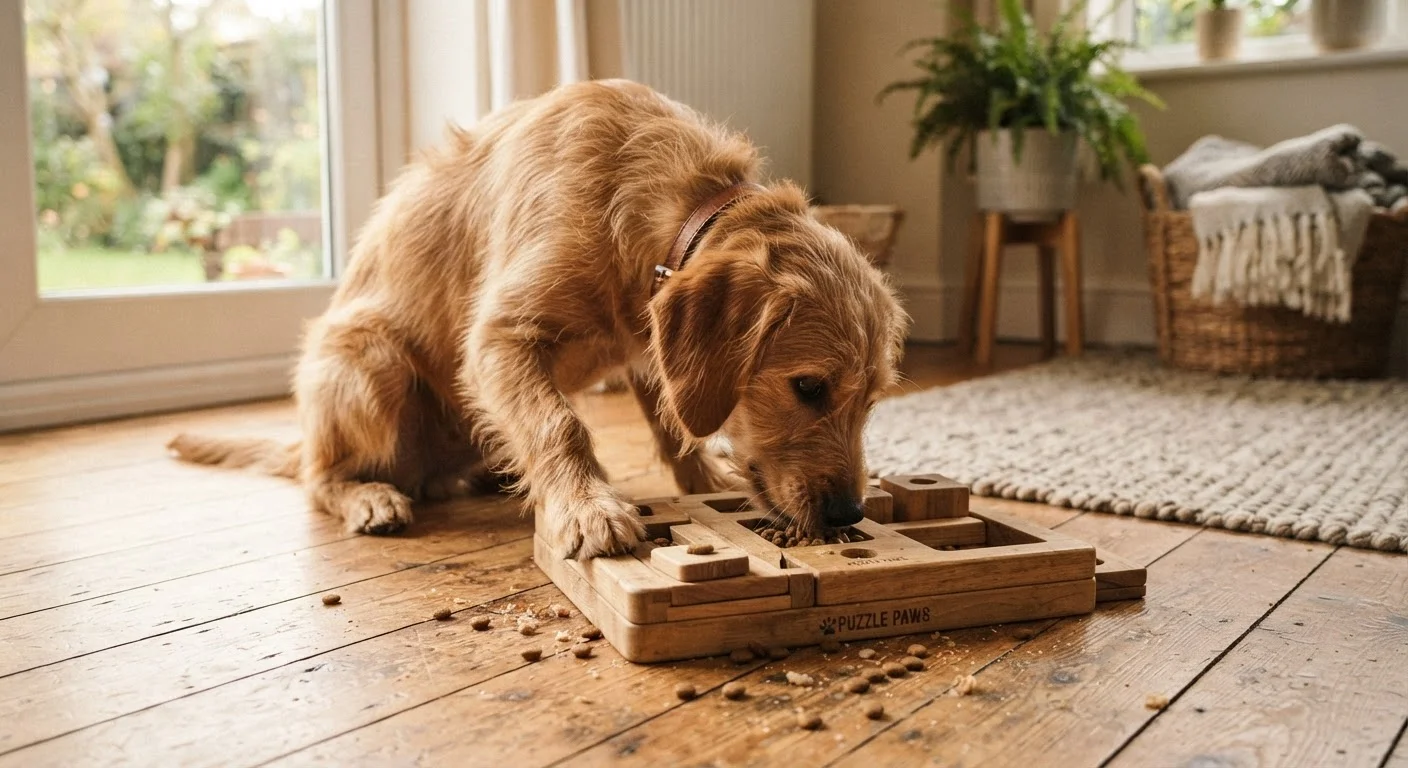
Sensory stimulation - certain sounds, smells, or tactile experiences - can serve as reinforcers for specific animals, particularly in enrichment-heavy training. Enrichment activities matched to species-specific behavior provides context for how these sensory preferences are rooted in natural behavior.
~40%
Dogs showing reduced food motivation under high distraction
Behavioral research consistently demonstrates that food reinforcers lose effectiveness when competing environmental stimuli are present, underscoring the need for alternative reward types.
3-5x
Increase in session engagement with varied reinforcers
Applied behavior analysis literature suggests that variability in reward delivery and type can substantially increase behavioral enthusiasm compared to a single repeated reward.
Matching Reinforcer to Individual, Context, and Goal
The most effective reinforcer is not the one that works for most pets - it's the one that works for this pet, in this context, right now. Motivational hierarchies shift. A dog who is food-driven at home may be play-driven in the yard and environmentally driven on a trail.
Experienced trainers often conduct informal preference assessments before a session: offering several options and noting what the animal pursues first or most persistently. This information shapes which reinforcers to lead with and which to hold in reserve for high-difficulty tasks.
Varying reward types across and within sessions also prevents habituation - the natural reduction in response to a repeated stimulus. Mixing food, play, and life rewards keeps the animal engaged and somewhat unpredictable about what's coming next, which itself can heighten engagement.
Build a Reinforcer Menu Before You Train
Before each session, mentally list three to four things your pet finds rewarding that day - food, a favorite toy, access to something they want, or social play. Having this menu ready lets you pivot quickly when one reinforcer stops working rather than pushing through with diminishing returns.
Understanding the broader science of why reward-based methods produce durable results is covered in detail in the science behind positive reinforcement. And if you're newer to training frameworks, an introduction to operant conditioning gives the conceptual grounding that makes everything here click into place.
Practical Integration: Building a Multi-Reinforcer Toolkit
Moving beyond treats doesn't mean eliminating them - it means contextualizing them. A practical multi-reinforcer approach might look like this: use food for precise, quick repetitions (teaching a new cue, shaping small behaviors); use play for high-energy recalls or as an end-of-session jackpot; use life rewards to maintain behavior in everyday interactions.
For owners who want to expand their technical toolkit, shaping, luring, and capturing techniques pair naturally with a broader reinforcer repertoire - different delivery methods suit different reward types. The combination of varied techniques and varied rewards produces the most flexible, resilient training outcomes.
The underlying principle is straightforward: a pet trained with a rich variety of reinforcers is more adaptable, more engaged, and less dependent on any single reward being available. That flexibility serves both training goals and the broader relationship between owner and animal.
“The best reinforcer is the one the animal would work for right now. Understanding that is the difference between a trainer who manages behavior and one who genuinely understands their animal.”
— Dr. Susan Friedman, Behavioral psychologist and applied behavior analysis educator specializing in animal training