The Context Problem: Why Location Is Part of the Cue
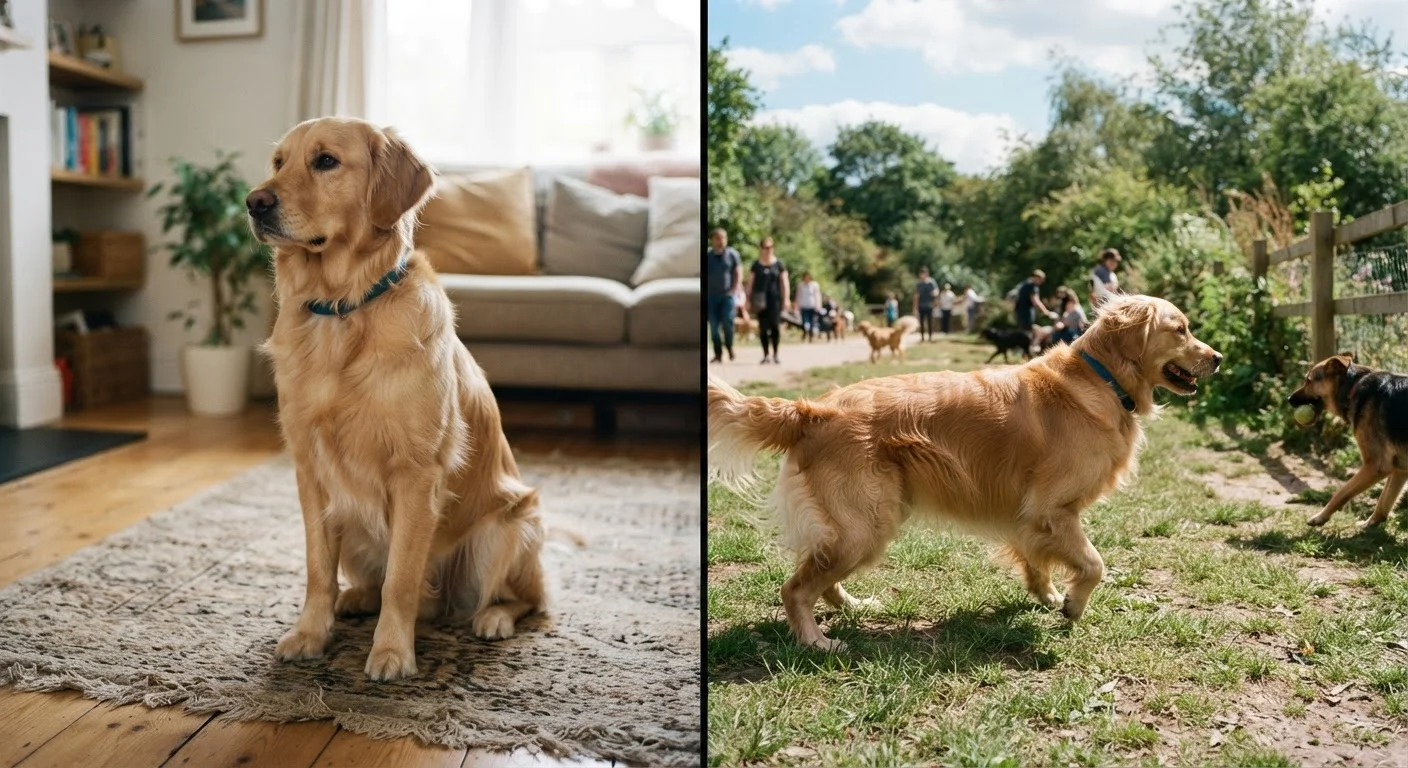
When you teach your dog to sit in your kitchen, the kitchen itself becomes part of what the dog learns. The particular lighting, the smell of familiar furniture, your usual stance, and the absence of outside noise are all part of the context the dog associates with performing that behavior. From the animal's perspective, the cue and the environment are bundled together.
This is not stubbornness or selective listening - it reflects how associative learning actually works. Animals are exquisitely attuned to contextual cues because in the natural world, context carries survival-relevant information. A behavior that was rewarded in one setting hasn't yet been shown to pay off in another.
Understanding this reframes the common frustration: your pet isn't defying you at the dog park. It genuinely hasn't fully learned that "sit" means "sit" everywhere. That gap is the generalization problem, and closing it is a training task, not a discipline task. For a broader look at how animal behavior shapes what pets do and why, explore the science behind their everyday actions.
Generalization Is Not the Same as Stubbornness
Owners often interpret a pet's failure to respond outside the home as willful disobedience or dominance. Current animal behavior science does not support that interpretation. The animal is responding to a genuinely different learning situation - the correct response is more training, not more correction. For more on how dominance-based explanations often misread animal behavior, see our article on pack mentality.
How to Train for Generalization Deliberately
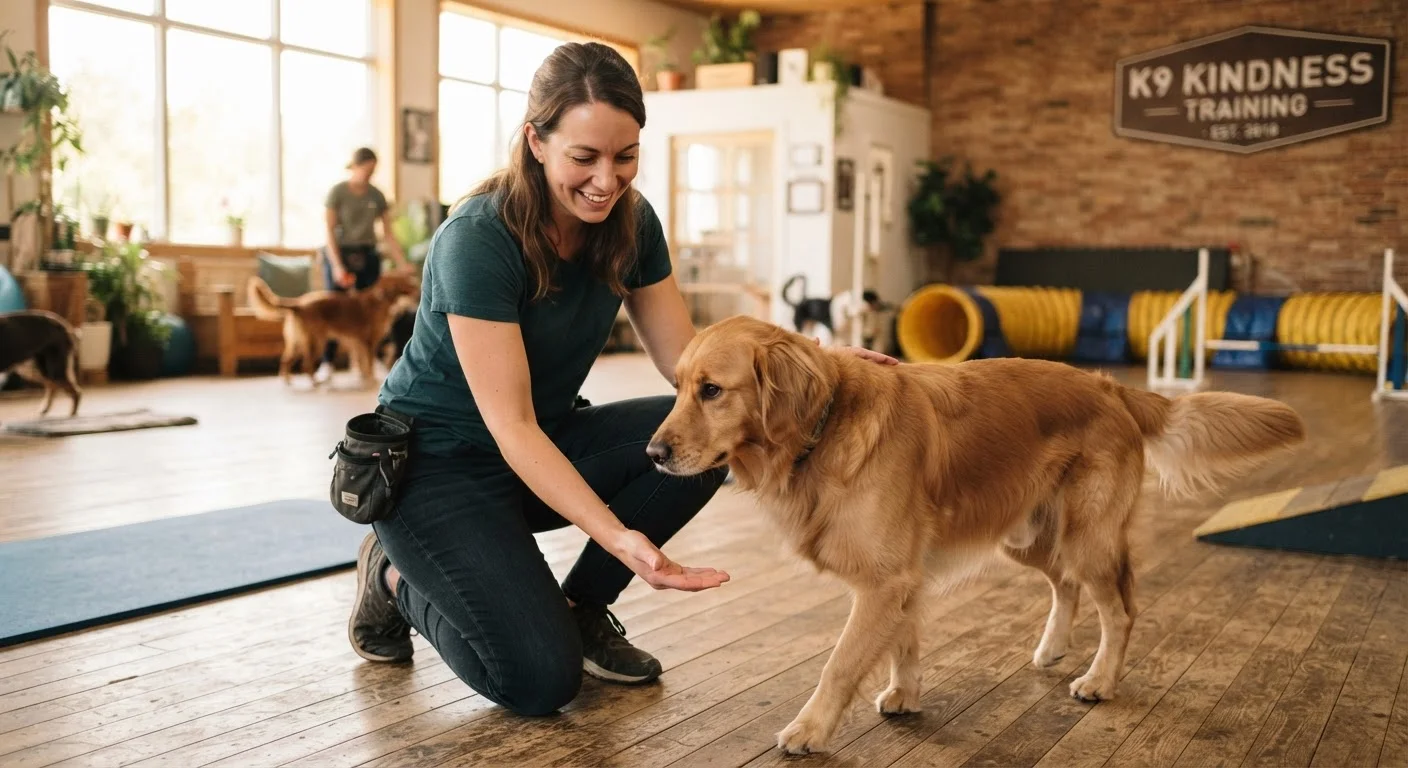
The most effective approach is to systematically vary the conditions under which a behavior is practiced - one variable at a time. Trainers and behaviorists often call this proofing. The three primary variables to manipulate are:
- Location: Practice the behavior in multiple distinct environments - backyard, front sidewalk, a friend's house, a quiet park, eventually a busier park.
- Distraction level: Gradually introduce competing stimuli - other people, dogs, sounds - only after the behavior is solid in a low-distraction version of the new setting.
- Handler: Have different family members or trusted people give the same cue, so the behavior isn't tied to one person's voice or body language.
The key is a low-to-high difficulty progression. Dropping your dog into a busy farmers market before they've generalized to your quiet backyard sets them up to fail. Each successful repetition in a new context builds the neural pattern that the cue is context-independent.
This approach pairs naturally with the techniques described in our guide to shaping, luring, and capturing - the same method you used to teach the behavior can be redeployed to strengthen it across contexts.
Start Easy, Build Up Gradually
When introducing a new environment, begin the session with easy, well-known behaviors to build momentum and confidence before asking for the behavior you're actively proofing. This sets a positive tone and reminds your pet that working with you is rewarding, even when the surroundings feel unfamiliar.
Reinforcement Rate and the Distraction Equation
A common mistake during generalization training is holding reinforcement standards too high too soon. If a dog performs a reliable "down" at home 19 out of 20 times, owners often expect similar precision immediately in a new environment. That expectation skips the learning curve.
When you introduce a new context, temporarily treat the behavior as if it's being learned for the first time. Increase your rate of reinforcement, use higher-value rewards, and shorten the session. As performance stabilizes, you can fade reinforcement back to your usual schedule.
~70%
Pet owners who report obedience problems outside the home
Survey data from applied animal behavior practitioners consistently show context-specific compliance as one of the most commonly reported training challenges among dog owners.
5-10
Distinct environments recommended for solid generalization
Applied animal behaviorists commonly recommend practicing in at least five to ten varied settings before considering a behavior reliably generalized across contexts.
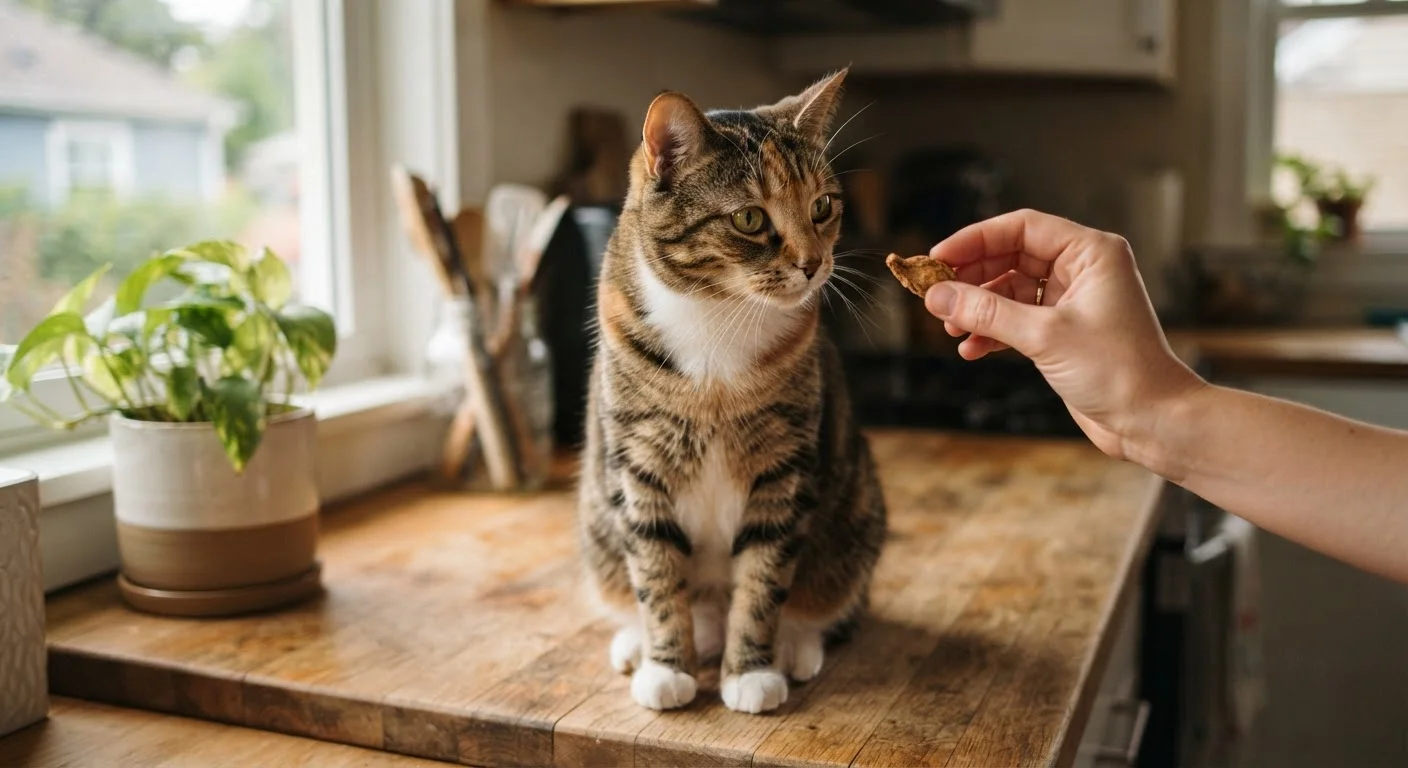
This principle applies equally to cats, rabbits, and other trainable animals. The differences between training cats and dogs are real, but the generalization challenge is universal. If anything, cats may require even smaller incremental steps because environmental novelty can trigger avoidance rather than curiosity.
It's also worth considering how the physical environment itself shapes behavior. Our article on building a behavior-aware environment covers how sensory stimuli and spatial layout influence what your pet does - context that directly informs generalization strategy.
“A behavior isn't truly learned until it works everywhere. Generalization is not a bonus step - it's the final, essential stage of training that most owners accidentally skip.”
— Dr. Karen Overall, Veterinary behaviorist and author of works on clinical behavioral medicine in animals
If your pet's training is also evolving with age, note that generalization strategies may need to be adjusted. Learning changes across a lifetime, and what works at eight months may need recalibration at eight years.