What Each Approach Actually Means
The distinction between defensive and reactive driving is not about driving slowly or being overly cautious. It is about when your brain engages with a potential hazard.
Defensive driving is the practice of continuously scanning the road environment - traffic flow, pedestrian behaviour, road surface, weather - and adjusting your speed, position, and following distance in response to what might happen next. You are managing risk before it becomes an emergency.
Reactive driving is the opposite sequence: a hazard appears, and only then do you respond. This is not recklessness - it is how most drivers handle unexpected events. The problem is that reaction time, braking distance, and the physics of momentum leave very little room for error once a hazard has already materialised.
Understanding how stopping distance works makes the gap between these two approaches concrete: at 60 mph, a vehicle can travel over 240 feet before coming to a complete stop under good conditions. A defensive driver creates space for that reality; a reactive driver is often already inside it when the hazard appears.
| Criterion | Defensive Driving | Reactive Driving |
|---|---|---|
| Timing of hazard awareness | Before hazard fully develops | After hazard appears |
| Reliance on reaction time | Low - space and time already created | High - everything depends on it |
| Following distance required | 3-4 seconds minimum | Often insufficient when relied upon |
| Effect of distraction | Reduces effectiveness significantly | Can be catastrophic |
| Skill level required | Learnable through deliberate practice | Partially instinctive, but limited by biology |
| Performance in adverse conditions | Adapts - adjusts speed and space early | Degrades sharply - less margin available |
| Overall collision risk | Lower with consistent application | Higher when used as primary strategy |
The Mechanics of Reaction Time - and Why It Limits Reactive Driving
Human reaction time for an unexpected event averages around 1.5 seconds, though this figure rises sharply with fatigue, distraction, or unfamiliarity with the vehicle. In that window alone - before braking even begins - a car travelling at 55 mph covers roughly 120 feet.
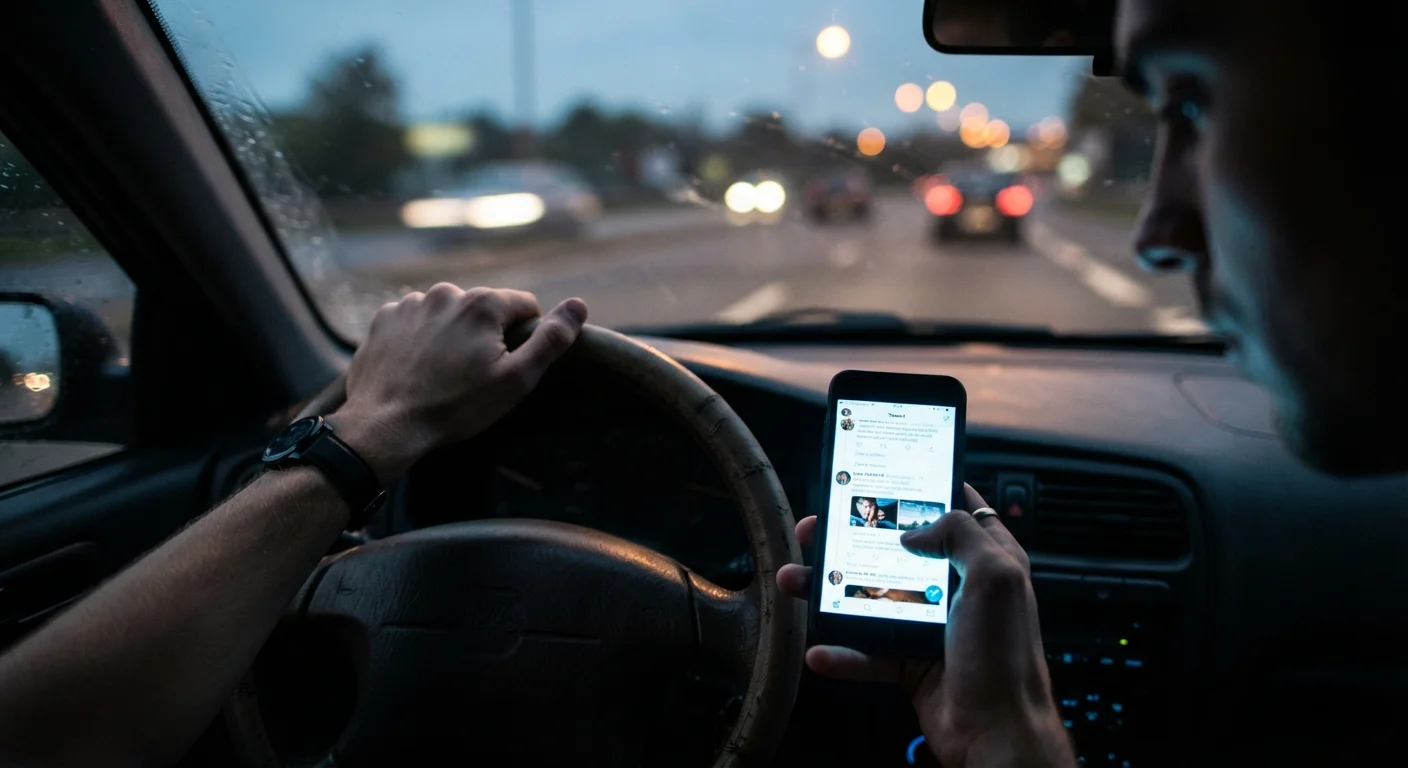
This is why phone use at the wheel is so consequential: even a brief glance at a screen can push effective reaction time to three seconds or more, erasing any margin that might otherwise exist. Reactive driving is essentially a bet that enough margin will exist once a hazard appears - and that bet gets riskier with every distraction or mph added.
Defensive driving sidesteps much of this limitation by front-loading the cognitive work. A driver who has already identified a pedestrian likely to step off the kerb, or noticed brake lights clustering ahead, has effectively given themselves an extra two to three seconds of decision time - which translates directly into shorter stopping distances needed.
~1.5 sec
Average driver reaction time to unexpected hazards
Reaction time estimates are widely cited in road safety literature and increase with fatigue, distraction, and impairment.
90%
Of crashes involving human error as a factor
The NHTSA has estimated that human choice or error is a contributing factor in the vast majority of road traffic crashes in the US.
240+ ft
Total stopping distance at 60 mph in good conditions
This figure combines reaction distance and braking distance and grows non-linearly as speed increases.
Core Defensive Driving Habits That Make a Real Difference
Defensive driving is not a single action - it is a set of interconnected habits that build on each other:
- Scanning ahead 12-15 seconds: Look well beyond the vehicle directly in front of you. This gives early warning of slowing traffic, road hazards, and merging vehicles.
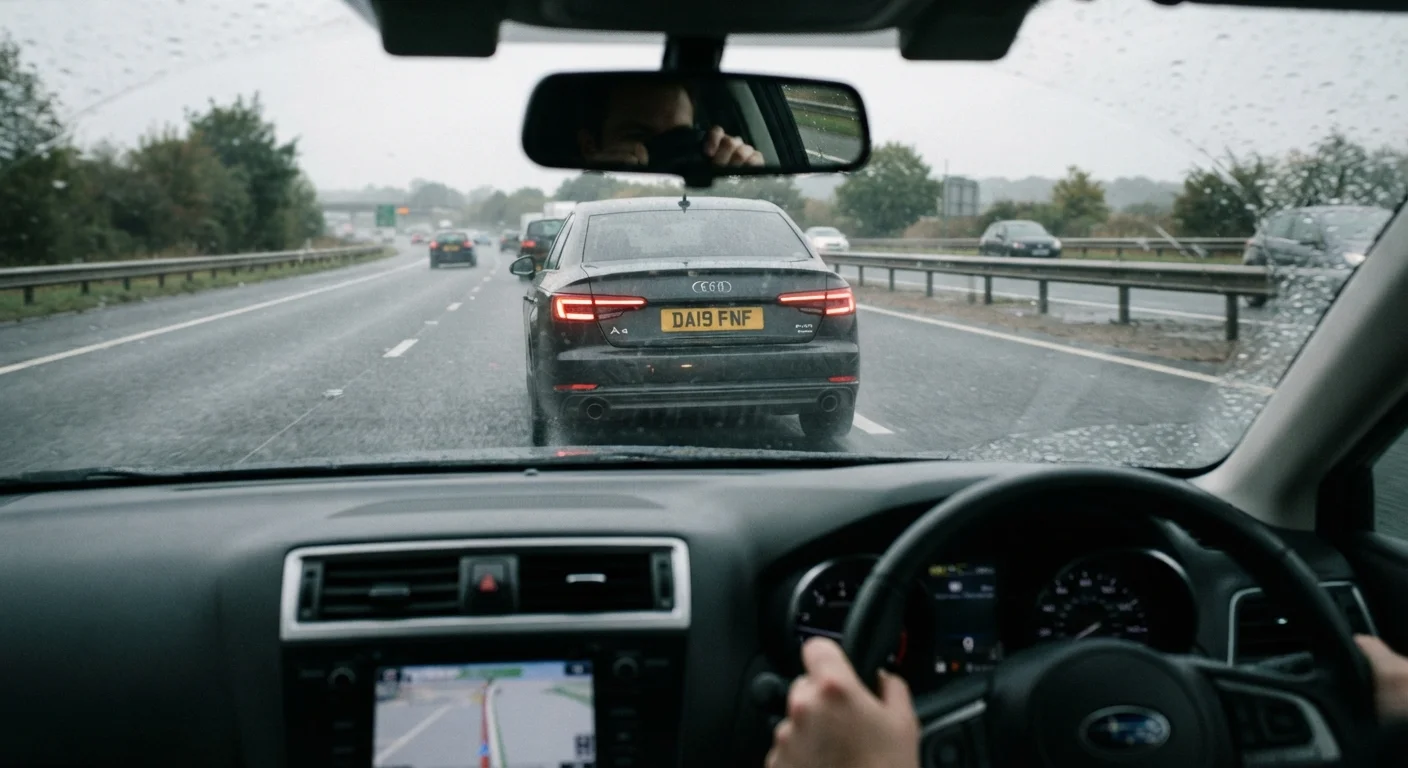
- Maintaining a following distance of at least 3-4 seconds: The two-second rule taught in driver education is a minimum in good conditions. Tailgating significantly increases rear-end collision risk, particularly at higher speeds.
- Checking mirrors every 5-8 seconds: Knowing what is behind and beside you is as important as knowing what is ahead.
- Adjusting for conditions: Speed limits are set for ideal conditions. In heavy rain or at night, responsible drivers adapt. See our guide on driving in heavy rain for condition-specific adjustments.
These habits compound. A driver scanning far ahead, with a generous following distance and aware of surrounding traffic, has multiple overlapping layers of protection. The habits that separate safe drivers from lucky ones are almost always defensive in nature.
Defensive Driving Courses in the US
Many US states recognise completed defensive driving courses for insurance discounts or point reduction on driving records. The National Safety Council and AAA both offer programs, though course quality and recognition vary by state. Always verify whether a specific course is accepted by your state's DMV or insurer before enrolling.
When Reactive Responses Are Unavoidable - and How to Make Them Better
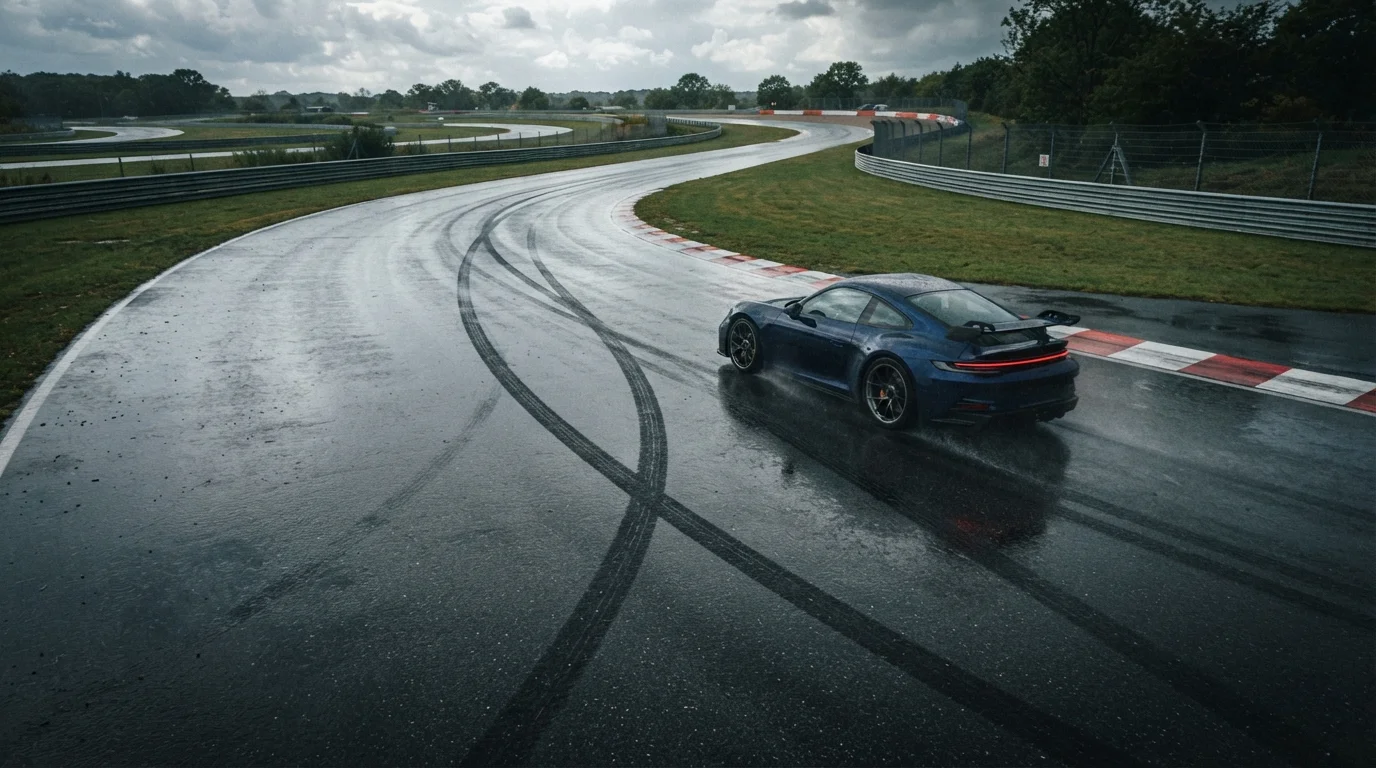
Reactive responses cannot be eliminated entirely. Even highly skilled defensive drivers encounter genuine surprises - a tyre blowout, an animal darting across the road, a vehicle running a red light. The goal is not to never react, but to be in a position where reaction has a realistic chance of working.
Defensive positioning maximises that chance. A driver already travelling at an appropriate speed with adequate following distance requires less of their reaction response when a surprise occurs. The heightened demands of night driving illustrate this well: reduced visibility shrinks the time available for any response, making the defensive habit of slowing down and increasing following distance after dark especially valuable.
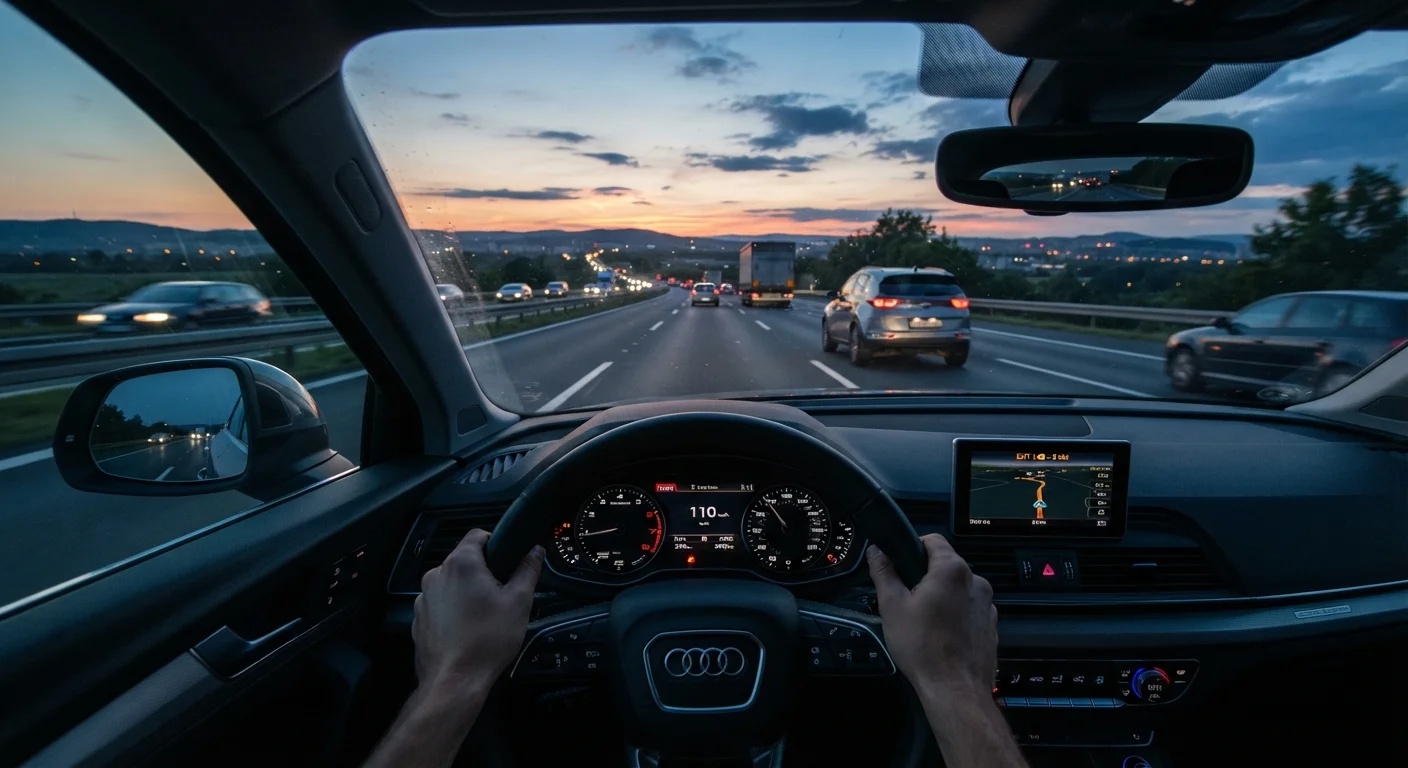
High-speed environments demand the same logic. Motorway driving rewards drivers who read lane behaviour and traffic patterns ahead of time - by the time a reactive response is needed at 70 mph, the margin is already dangerously thin.
This article is for general driving education purposes only. Always follow the traffic laws applicable in your state and consult qualified driving instruction for personalised guidance.