Two Forces, One Number
Every time you stop a car, two separate physical processes determine how much road you need. The first is reaction distance - the ground covered while your brain registers a hazard and your foot moves to the brake pedal. The second is braking distance - the distance traveled once your brakes are actually applying force. Add these together and you get total stopping distance.
Most drivers significantly underestimate the reaction component. The average alert driver takes roughly 1.5 seconds to perceive a danger and respond. At 60 mph, that's approximately 132 feet - nearly half a football field - before the brakes even engage. Factors like fatigue, distraction, and alcohol or medication use stretch this window substantially.
Stopping Distance Isn't Just a Driving Test Formula
Many drivers learn the two-second rule or basic stopping distance figures for their driving test and then treat them as theoretical. In practice, these numbers reflect real physics that applies every time you drive. Conditions - road surface, tire health, driver alertness - constantly shift those numbers, sometimes dramatically.
Understanding both components explains why safe following distance isn't a vague suggestion - it's a calculated minimum based on real physics.
Why Speed Is Not a Linear Factor
Many drivers assume that going twice as fast means needing twice the stopping distance. The physics says otherwise. Braking distance is governed by kinetic energy, which grows with the square of velocity. A vehicle traveling at 60 mph carries four times the kinetic energy of the same vehicle at 30 mph - so it takes roughly four times the braking distance to shed that energy, not twice.
4×
Braking distance increase when speed doubles
Because kinetic energy scales with the square of velocity, doubling speed quadruples the energy your brakes must dissipate before stopping.
~132 ft
Distance traveled during reaction at 60 mph
Assuming an average alert reaction time of 1.5 seconds, a vehicle covers roughly 132 feet before the driver's foot even reaches the brake pedal.
2×
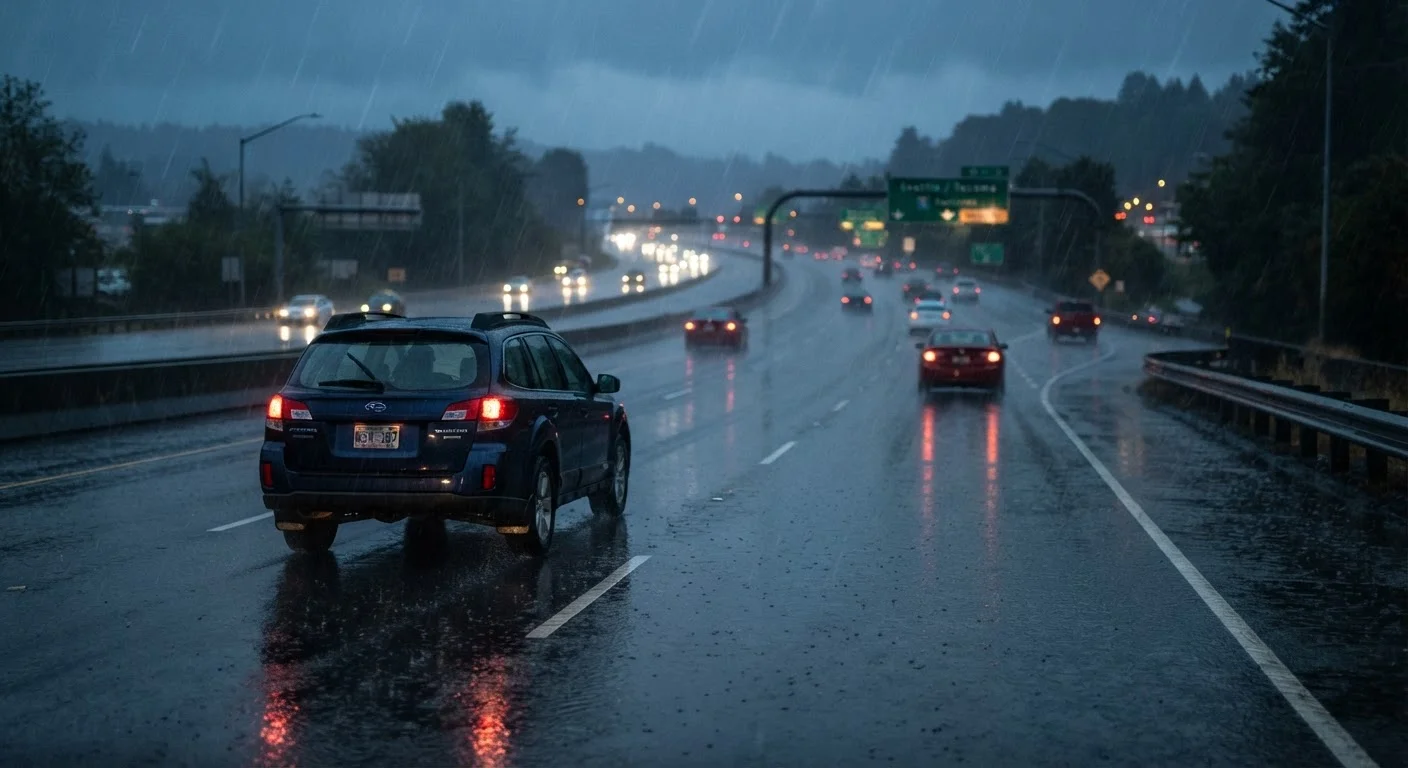
Approximate stopping distance increase on wet roads
Wet asphalt significantly reduces tire-to-road friction, and stopping distances on wet surfaces are commonly estimated to be roughly double those on dry pavement.
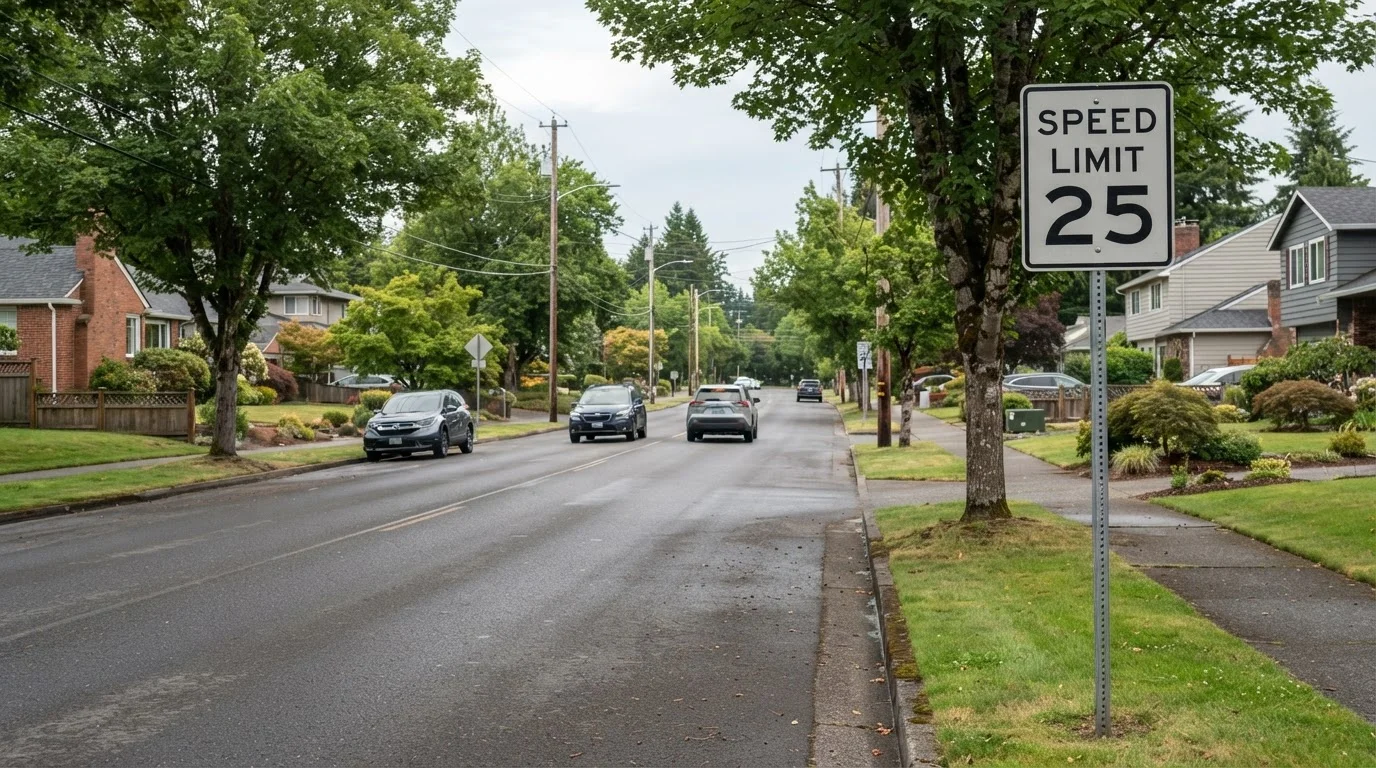
This exponential relationship is why speed management is so central to road safety. A 10 mph reduction at highway speeds can meaningfully shrink stopping distances and expand your margin for error. For a deeper look at how speed limits interact with road design and driver risk, see our guide to speed limits and road types.
Road Surface, Tires, and Friction
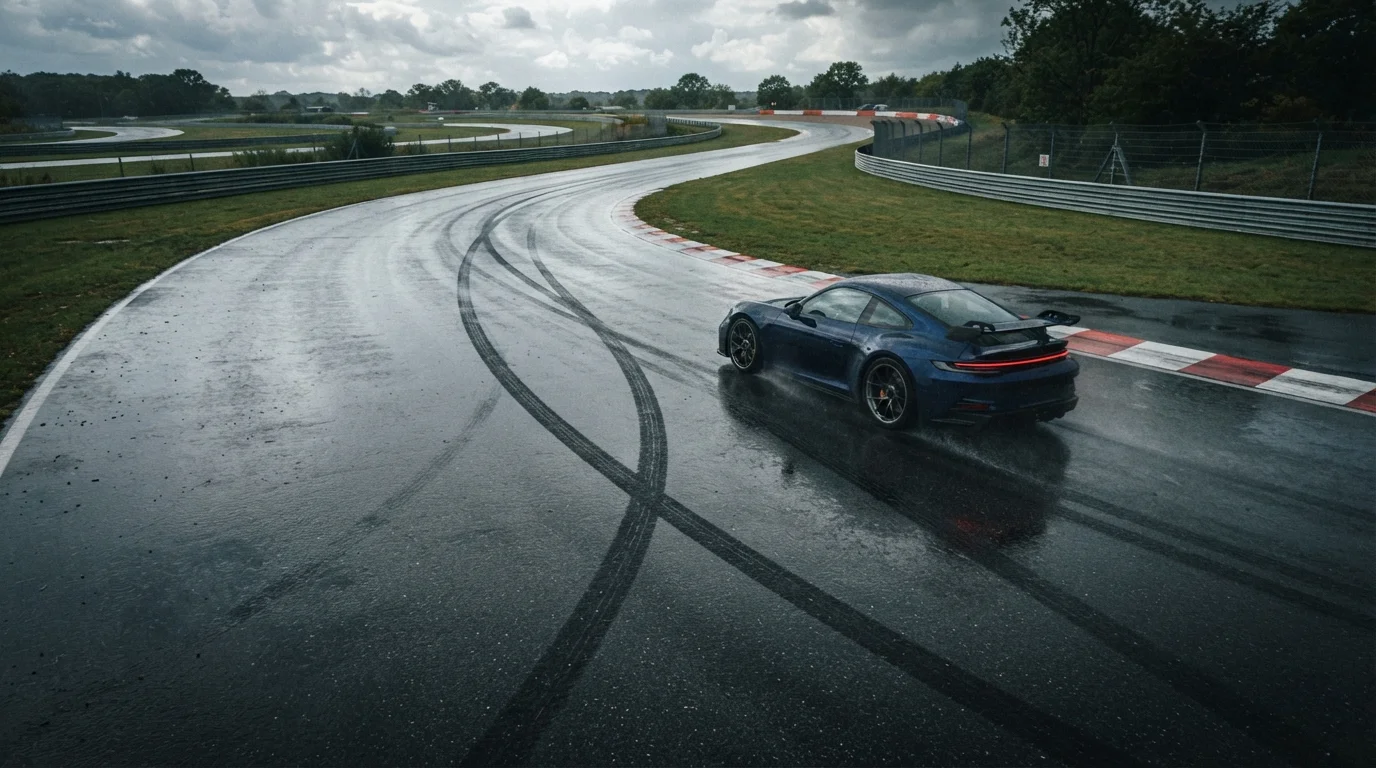
The braking distance formula depends heavily on the coefficient of friction between your tires and the road. On dry asphalt, this is relatively high. On wet pavement it drops significantly - effectively doubling stopping distances in many conditions. Ice and packed snow can reduce friction to a fraction of dry-road values, making controlled stops at highway speeds extremely difficult.
Tire condition is equally important. Tread depth channels water away from the contact patch; worn tires lose this ability, dramatically reducing wet-weather grip. Tire pressure also matters - underinflation reduces the effective contact patch and braking efficiency.
Driving in heavy rain adds a further complication: aquaplaning, where a layer of water lifts the tires off the road surface entirely, rendering braking temporarily ineffective. Slowing down before heavy rain sets in - not during - is the safest approach.
Increase Your Following Distance Before You Need It
The best time to create more stopping space is before a hazard appears, not during one. In rain or at night, extend your following distance beyond the standard three-second gap. If your tires are due for replacement or the weather is deteriorating, err further on the side of distance - your braking system can only work with the grip that's available.
Human Factors That Extend Your Stopping Window
Braking systems and road physics get a lot of attention, but the human element is just as significant. Reaction time is not fixed - it varies based on alertness, distraction, visibility, and cognitive load. A driver glancing at a navigation app for two seconds at 60 mph travels nearly 176 feet without processing what's ahead.
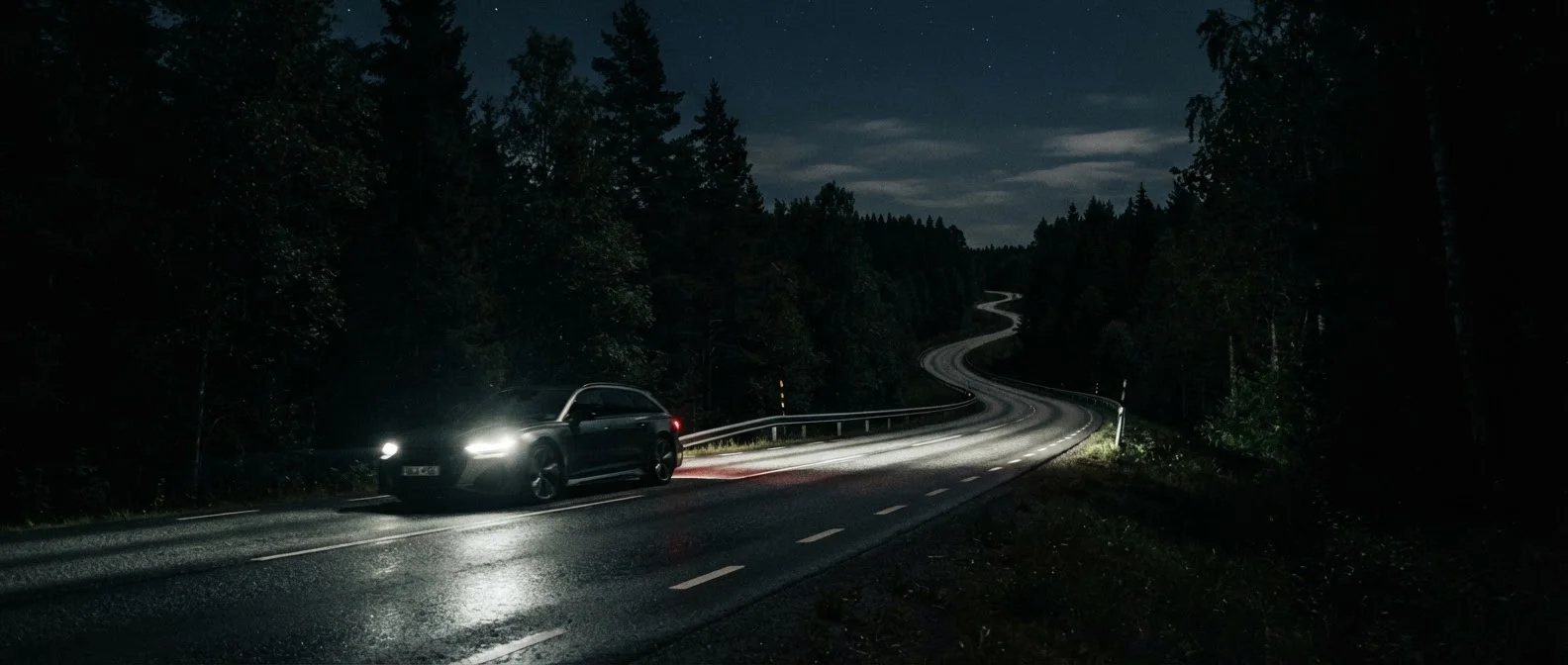
Nighttime driving compounds this. Reduced visibility means hazards enter your perception range later, effectively compressing the time available to react. Night driving introduces unique challenges that extend the effective reaction distance even when speed stays constant.
The practical counter to all of these variables is a consistent, generous following distance - one that accounts not just for your braking system's capability, but for the full stopping distance including the reaction phase. Defensive driving principles are built around exactly this kind of proactive distance management.