Why Some Cities Don't Deliver on Short Visits
Travel content has a flattery problem. Cities get photographed at golden hour, described through their best neighborhoods, and sold as endlessly walkable when they're frequently not. First-timers absorb this, build expectations around it, and then spend three days battling the gap between the image and the reality.
The result isn't always a bad city - it's often a poorly matched trip. Some destinations genuinely require context, familiarity, or a slower pace to reveal their value. Others have infrastructural or geographic quirks that no Instagram reel will warn you about. Understanding the pattern helps you either prepare more realistically or redirect your itinerary toward somewhere that plays to a short-visit format.
See our trip planning framework for a structured approach to setting expectations before you even book a flight.
Treating every city as equally 'walkable' without checking the actual geography.
Why it happens: Travel content heavily favors walkability as a selling point, and most photography collapses actual distances between landmarks.
Scheduling a two-day visit to a city that requires at least four days to make sense.
Why it happens: Flight deals and long weekends push people toward short stops, and city marketing rarely tells you that their destination requires time to unfold.
Staying in or near the tourist core and assuming that's representative of the city.
Why it happens: Booking platforms and travel guides default to the most-visited neighborhoods, which are often the most sanitized and least interesting.
Arriving without understanding the local rhythm of daily life - opening hours, meal times, siesta culture, or public holiday closures.
Why it happens: English-language content rarely emphasizes schedules that differ from American norms, so travelers get caught off-guard when everything shuts down at 2pm or doesn't open until noon.
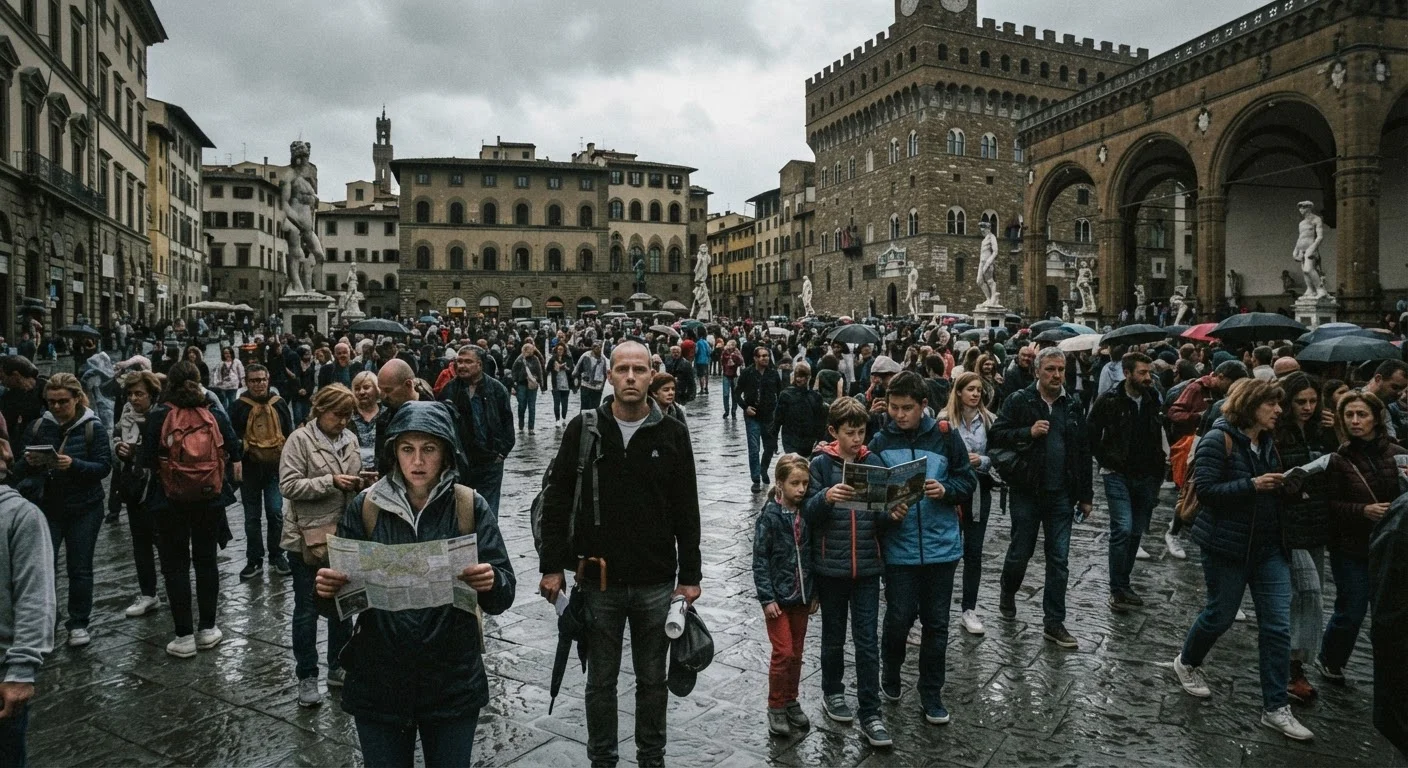
Overpacking the itinerary with must-see sights, leaving no room to encounter the city spontaneously.
Why it happens: Anxiety about 'wasting' a limited trip budget and fear of missing out push travelers toward back-to-back scheduling.
The Structural Reasons Disappointment Happens
Beyond individual city quirks, most first-timer letdowns share a common structural cause: the mismatch between how long you stay and how long a destination needs to unfold. A city like Marrakech - where the medina's logic only becomes legible after you've been lost in it twice - will feel chaotic and exhausting on day one and genuinely magical by day four. Compressing that arc into 48 hours cuts the story off before the good part.
2-3x
More likely to report satisfaction with longer stays
Travel behavior research consistently suggests that travelers who stay four or more nights report significantly higher destination satisfaction than those on two-night city breaks.
60%
Of travelers cite unmet expectations as top complaint
Industry surveys on post-trip sentiment frequently find that a gap between pre-trip expectations and on-the-ground experience is the leading driver of negative reviews for city destinations.
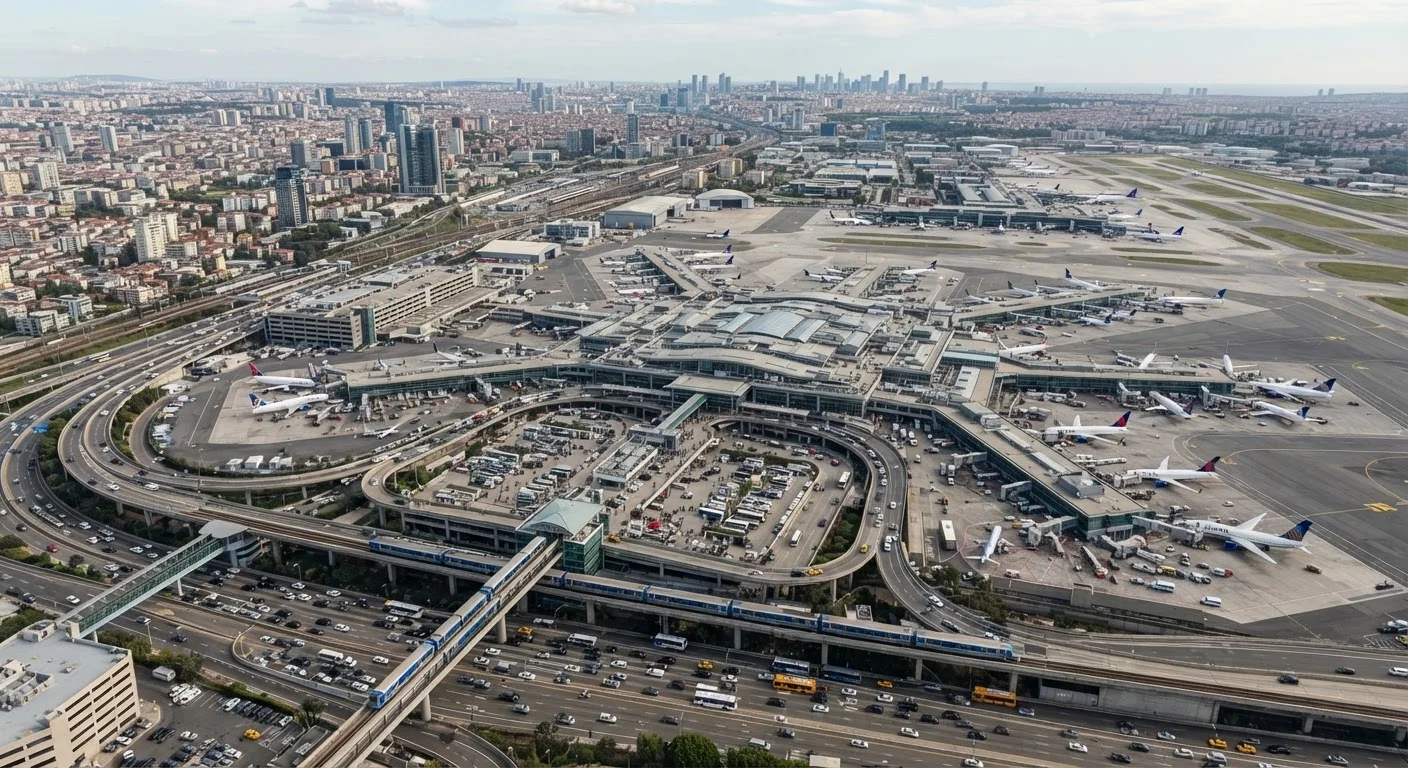
Geography compounds the problem. Many highly-photographed districts are far from transport hubs, or separated by infrastructure that tourist guides gloss over. Assessing a destination's transport links and layout before you book is one of the most practical things you can do - and one of the most frequently skipped steps.
Social media reinforces this by surfacing only what photographs well: the iconic viewpoint, the photogenic street, the one restaurant everyone visits. The neighborhoods where a city actually lives - where the rhythm is slower and more interesting - rarely trend. That's a navigational problem as much as a perception one. Arriving without a plan can occasionally work, but only in cities with forgiving infrastructure and a dense tourist-facing core.
Hype Is Not a Trip-Planning Tool
A destination trending on social media tells you nothing about whether it suits a short visit, your travel style, or your budget. High-visibility cities often attract disproportionate infrastructure strain - longer queues, inflated local prices near major sights, and accommodation clustered in the least-authentic areas. Use hype as a starting point for research, not as a reason to book.
The cities that consistently disappoint aren't bad - they're just misunderstood formats. Buenos Aires rewards wanderers who settle into a barrio for five days; it punishes people trying to checklist it in a long weekend. Knowing which neighborhoods actually suit your interests changes the entire experience. The same principle applies to Tokyo: what the city rewards in repeat visitors is substantially different from what it offers someone rushing a 72-hour pass. That distinction is worth understanding before you go.
The fix is usually structural: build an itinerary that accounts for travel time, neighborhood logic, and recovery, not just a checklist of sights. A city break that covers less ground but moves at the right speed will outperform a frantic circuit of highlights almost every time.