Why Pets Hide Pain - and Why It Matters
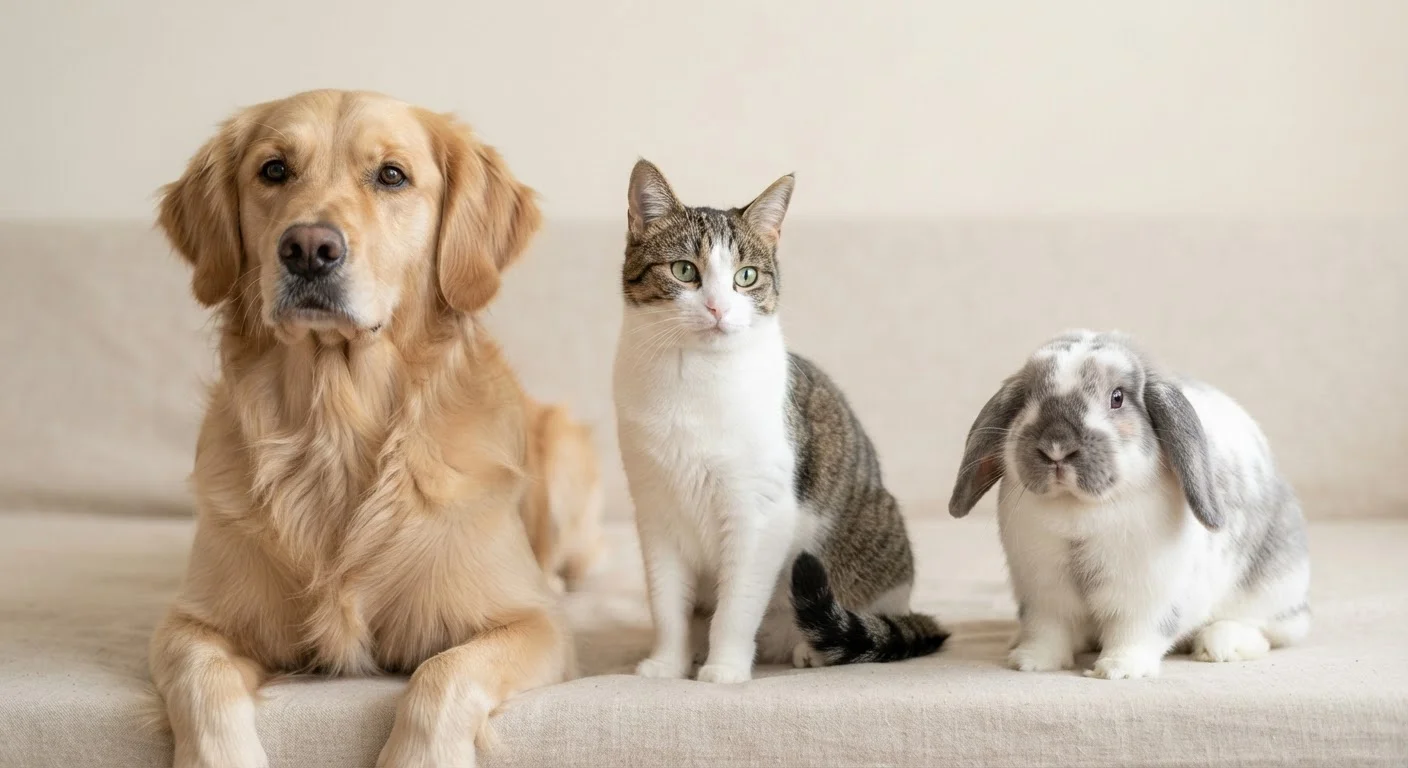
Most animals evolved to mask vulnerability. In the wild, displaying weakness invites predation, so suppressing visible signs of pain is a deep-seated survival strategy. Domestication hasn't erased this instinct. The result: by the time a pet shows obvious distress, the problem may already be well-advanced.
This makes baseline knowledge essential. Knowing your individual pet's normal - their resting posture, appetite rhythms, social engagement level - gives you a meaningful reference point. Deviations from that baseline are far more informative than any single symptom in isolation. For a broader framework on reading what animals signal physically and behaviourally, see our species-by-species body language reference.
| Most reliable early indicator | Behavioural change from individual baseline |
| Species most prone to masking pain | Cats, rabbits, and prey animals generally (Veterinary consensus, multiple published pain assessment studies) |
| Validated pain assessment tools | Grimace Scales available for cats, dogs, rabbits, horses, mice, rats (Peer-reviewed veterinary literature) |
| Human analgesics safe for pets | None without veterinary prescription (ASPCA Animal Poison Control guidance) |
| When to seek emergency care | Inability to stand, severe vocalisation, collapse, difficulty breathing |
Behavioural Red Flags Across Species
Pain almost always alters behaviour before it produces visible physical signs. The following patterns are consistently associated with underlying discomfort across veterinary literature:
- Social withdrawal: A normally sociable pet retreating to isolated spots, resisting handling, or becoming uncharacteristically quiet.
- Appetite and drinking changes: Reduced interest in food or water, or conversely, excessive thirst (which can signal metabolic distress).
- Sleep disruption: Restlessness at night, difficulty settling, or - in contrast - sleeping far more than usual.
- Altered movement: Reluctance to jump, climb stairs, or shift position; visible stiffness after rest; an uneven gait.
- Excessive grooming or self-directed attention: Licking, biting, or scratching a specific area repeatedly may indicate localised pain or irritation rather than a skin condition.
- Vocalisation changes: Increased whimpering, growling when touched, or uncharacteristic yowling in cats - though absence of vocalisation does not rule pain out.
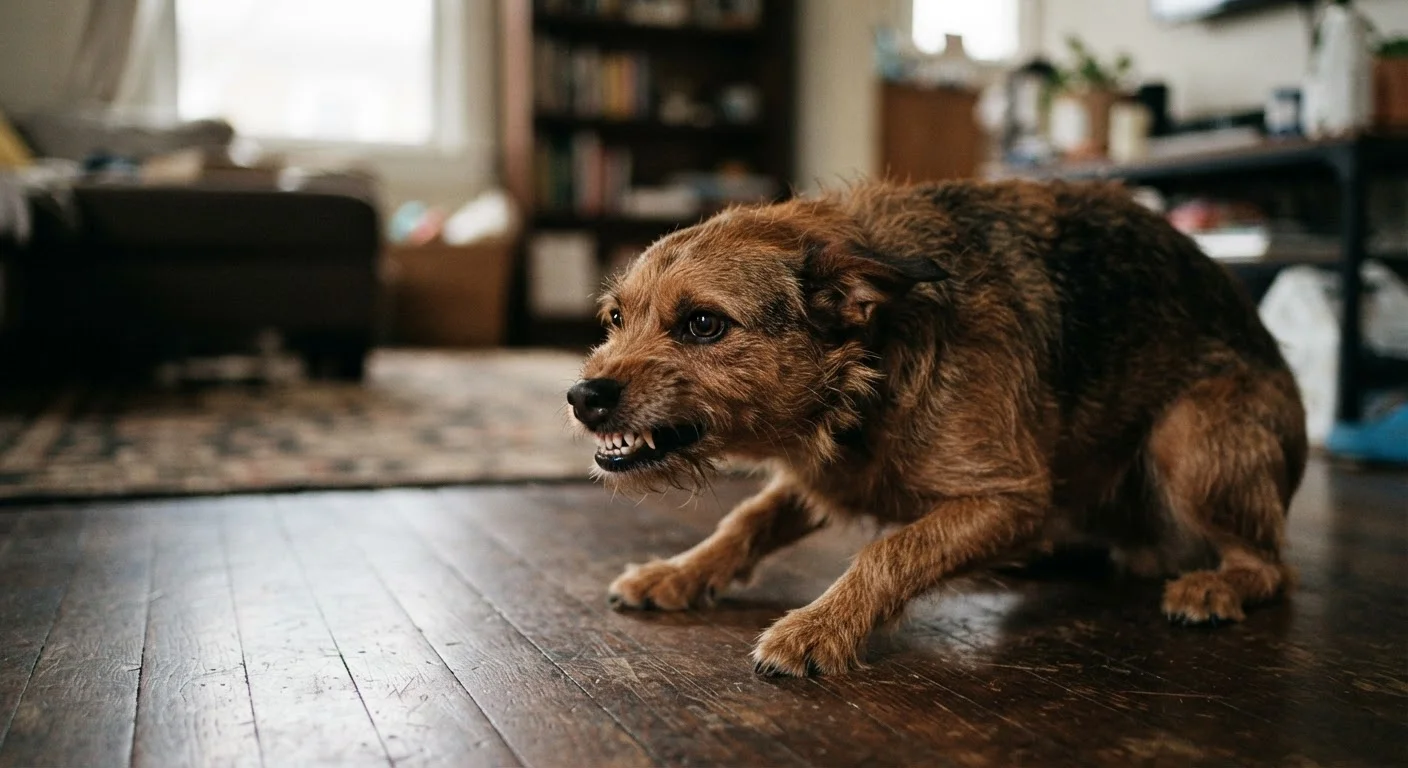
- Aggression or irritability: Pain-induced aggression is common and often misread as a personality change. If a previously calm pet snaps when handled, pain is a leading differential. Our guide to interpreting aggression in pets explores this in detail.
It's also worth noting that some behaviours owners assume are benign - like yawning or lip-licking - carry real communicative weight. See common signals owners consistently misread for context.
Pain grimace scale
A species-validated observational tool used by veterinarians to assess pain in animals based on facial muscle changes. Scales have been developed and peer-reviewed for multiple species including cats, rabbits, and horses.
Allodynia
A condition in which normally non-painful stimuli - such as gentle touch - produce a pain response. It can explain why a pet in chronic pain reacts defensively to routine handling.
Stoic pain response
The tendency of many animals to suppress outward signs of pain, rooted in evolutionary survival behaviour. It means absence of vocalisation or obvious distress should not be interpreted as absence of pain.
Chronic vs. acute pain
Acute pain arises suddenly and is typically linked to injury or illness. Chronic pain persists over weeks or months, often from conditions like arthritis, and may produce subtler, harder-to-detect behavioural changes.
Physical Indicators to Monitor
Alongside behavioural shifts, certain physical changes warrant prompt attention:
- Posture changes: Hunching, tucking the abdomen, or a reluctance to bear weight on a limb.
- Facial expression: Veterinary pain scales - including the Grimace Scales validated for mice, rats, rabbits, cats, horses, and dogs - identify orbital tightening, flattened ears, and a tense muzzle as reliable pain indicators.
- Respiratory changes: Rapid, shallow breathing or panting in cats (which rarely pant normally) can signal significant pain or distress.
- Changes to eyes: Squinting, partially closed eyes, or increased ocular discharge may reflect pain - particularly head, dental, or eye-related pain.
- Coat and skin condition: A pet in chronic pain often neglects grooming, resulting in a dull or unkempt coat.
These physical cues pair closely with behavioural signals and are most meaningful when assessed together. For a comprehensive lookup of what specific signals mean across dogs, cats, rabbits, and birds, our animal communication signals field reference is a practical companion resource.
~80%
Of cats with arthritis show few or no obvious lameness signs
Supported by studies published in veterinary feline medicine journals highlighting how well cats mask musculoskeletal pain.
1 in 5
Dogs estimated to suffer from chronic pain at some point
Frequently cited in veterinary pain management literature, though exact prevalence varies by breed and age group.
6+ species
With validated grimace pain scales in clinical use
Including mice, rats, rabbits, cats, horses, and dogs - tools developed through peer-reviewed animal welfare research.
What to Do When You Suspect Pain
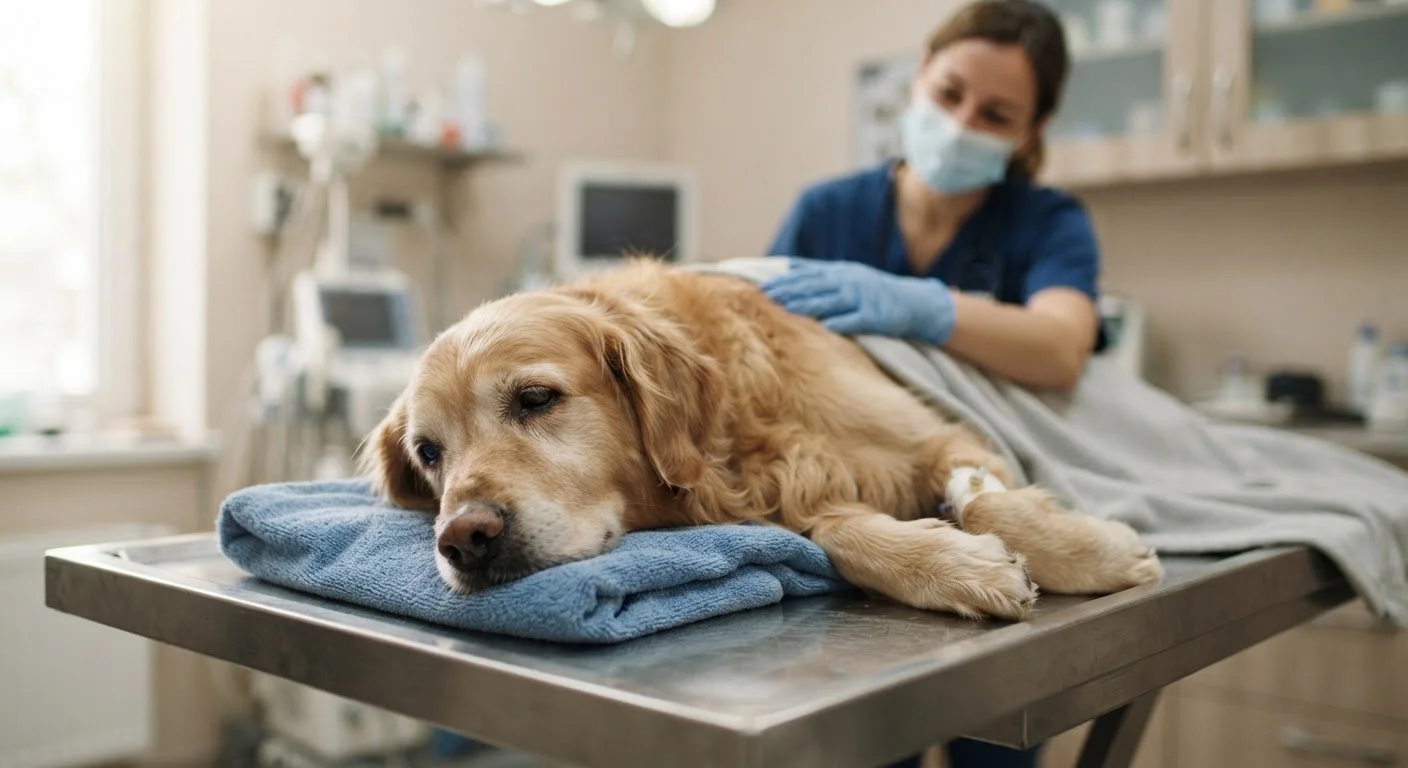
If you observe two or more of the signs above - especially in combination or representing a change from your pet's norm - the appropriate first step is veterinary consultation. Pain assessment in animals requires clinical examination and, often, diagnostic tools (imaging, bloodwork) that go well beyond what home observation can determine.
Do not administer human pain medications. Common over-the-counter analgesics - including ibuprofen, acetaminophen, and aspirin - are toxic to dogs and cats at doses that may seem modest. Only use medications that have been explicitly prescribed by a licensed veterinarian for your specific animal.
While awaiting a veterinary appointment, minimise handling of the suspected painful area, provide a quiet and comfortable resting space, and keep notes on when signs appeared and how they've changed - this information is genuinely useful to your vet. Your home environment also plays a role: a behaviour-aware home setup can reduce unnecessary physical stress on a pet experiencing discomfort.
This article provides general educational information about animal health and is not a substitute for professional veterinary advice, diagnosis, or treatment. Always consult a licensed veterinarian regarding your pet's specific health needs.