
Why Early Mistakes Have Outsized Consequences
The errors that hurt new investors most aren't usually dramatic blunders. They're quiet habits - chasing last year's winners, overlooking a fee line, checking the portfolio too often - that compound negatively over years. Because investing returns themselves compound, so do the costs of getting it wrong early.
If you've moved past the basics and want to invest with more intention, the place to start is identifying which of these patterns you may already be running. For a grounding in the core vocabulary, see our guide to key investing terms before going further.
Investing Without an Emergency Fund First
Putting money into markets before building a cash buffer means any unexpected expense - a job loss, a medical bill, a car repair - could force you to sell investments at exactly the wrong moment. Liquidating during a downturn locks in losses that time would otherwise have recovered. Build a liquid emergency reserve before committing significant sums to long-term accounts. See our savings and emergency fund hub for guidance on how much to set aside.
The Most Common Early Investing Errors
The mistakes below are documented patterns - not personal failings. Understanding why they happen is as important as knowing how to correct them.
Chasing recent performance when selecting funds or assets.
Why it happens: Last year's top-performing fund is highly visible and emotionally compelling - it feels like evidence of quality rather than the product of a favorable cycle.
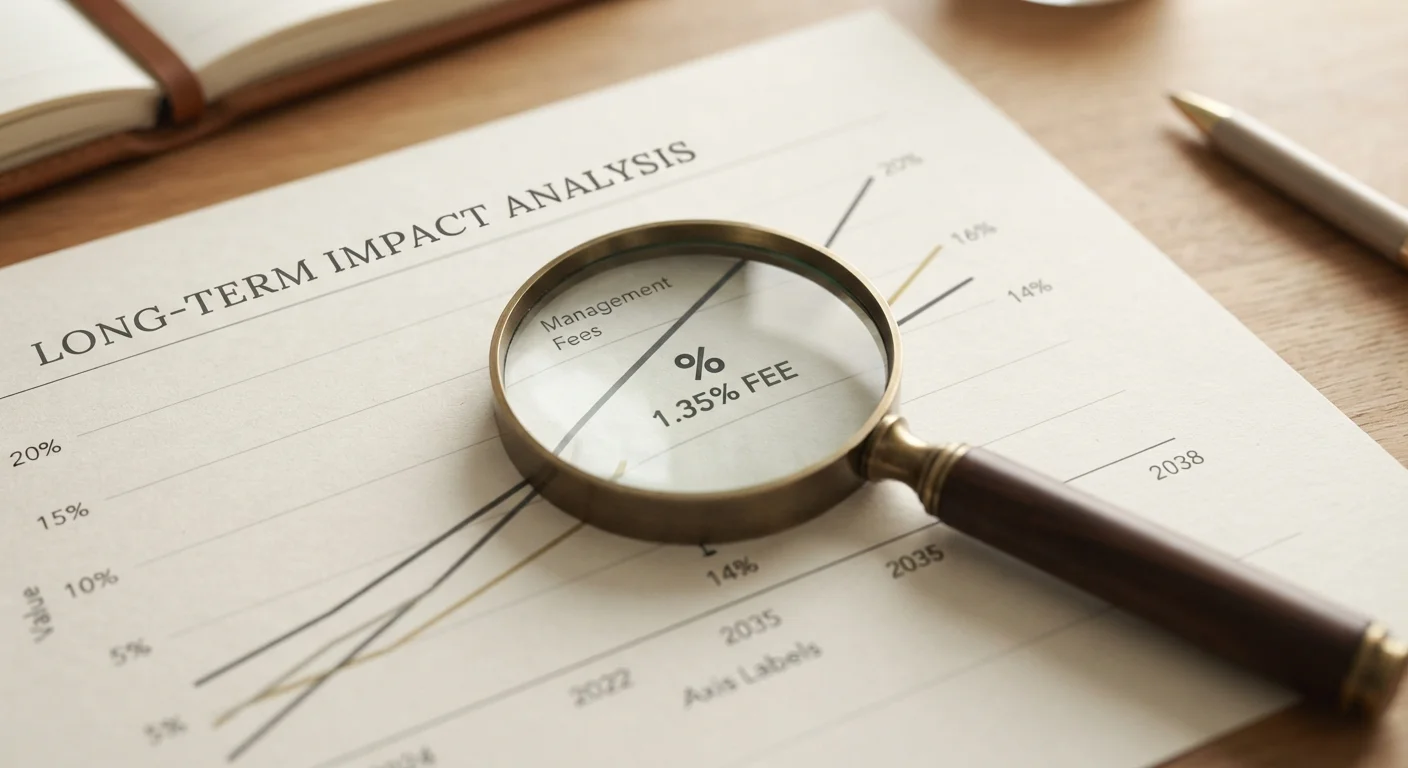
Ignoring fees because the percentages look small.
Why it happens: A 1% annual expense ratio seems trivial in isolation, but most new investors haven't done the math on how fees compound alongside - and against - their returns over decades.
Mistaking portfolio activity for productive investing.
Why it happens: Frequent trading can feel like engagement and control, especially when markets are volatile. But research consistently shows that retail investors who trade more frequently tend to underperform those who trade less.
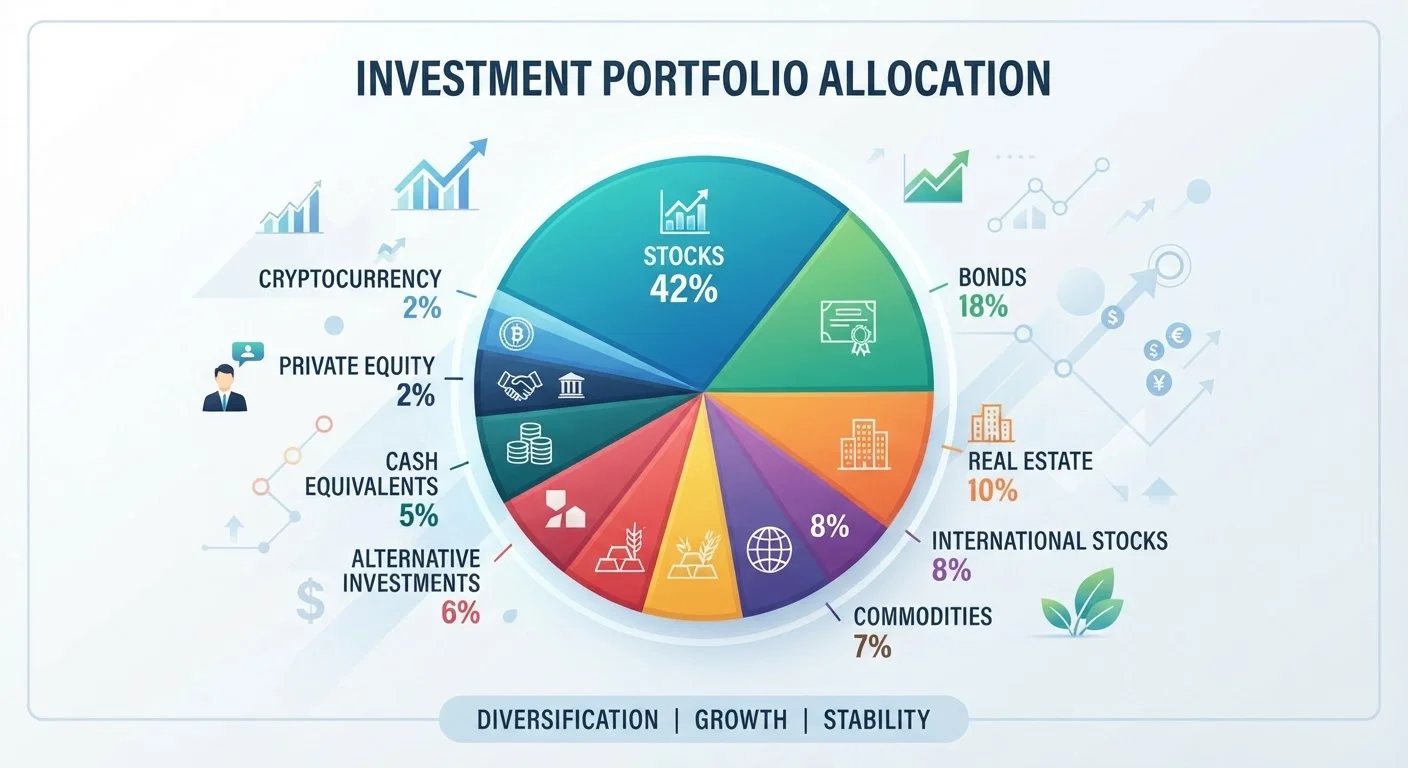
Concentrating too heavily in familiar assets or a single sector.
Why it happens: Investors naturally gravitate toward what they know - their employer's stock, their home country's market, or industries they follow closely. This familiarity can mask the concentration risk being taken on.
Waiting for the 'right moment' to start investing.
Why it happens: Market volatility and media coverage of economic uncertainty make new investors feel they should wait for stability - a moment that never reliably arrives.
1.5%
Average annual drag from high expense ratios
Research from Morningstar has consistently found that expense ratios are among the strongest predictors of fund performance - lower costs correlate with better net returns over time.
20+ years
Time for compounding to significantly multiply wealth
Financial educators widely cite two decades as the threshold at which compounding effects become dramatic, underscoring why early errors have outsized long-term consequences.
A note on fund evaluation: once you're ready to compare specific options, knowing how to read a fund factsheet will help you make sense of performance data, fee structures, and risk metrics without getting lost in the jargon.
Building Habits That Work Against These Patterns
Avoiding these mistakes isn't primarily about knowledge - it's about process. A few structural habits reduce the chance that emotion or inattention derails a sound plan.
- Automate contributions. Regular, automatic investing removes the temptation to time entries and makes consistency the default rather than an act of willpower.
- Write down your investment rationale. Before making any change to your portfolio, note why you're doing it and what would need to be true for it to be wrong. This simple step catches reactive decisions before they happen.
- Review, don't react. Set calendar reminders for quarterly reviews. Between those dates, resist the urge to log in after market-moving headlines.
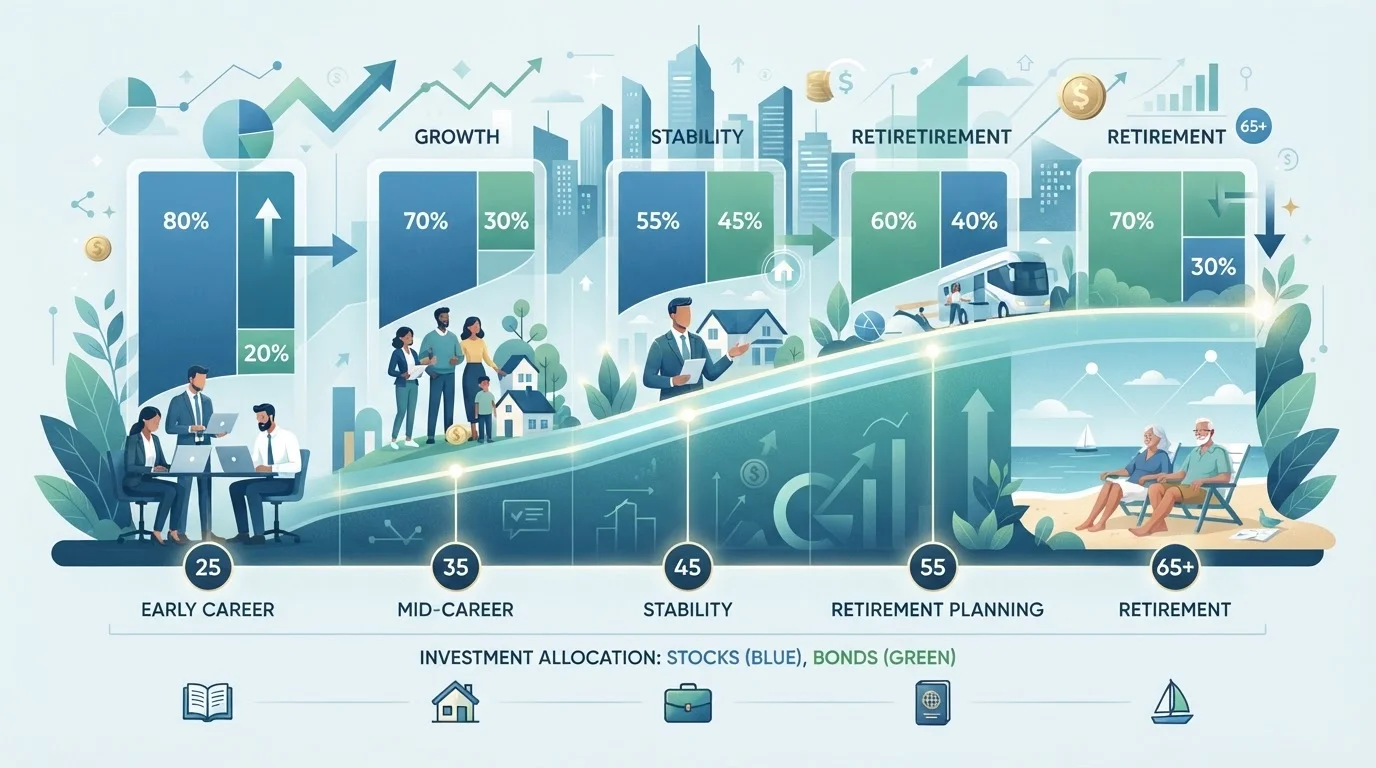
Your approach will also need to evolve as life changes. What shifts between your twenties and thirties - and what stays the same - is worth understanding before your circumstances change.
If you're still working through foundational assumptions about markets and risk, common investing myths may be holding you back more than any technical gap.
This Is Education, Not Personal Advice
This article provides general financial information for educational purposes only. It is not personalized investment, tax, or legal advice. Every investor's situation is different - consult a licensed financial adviser before making decisions about your own money.
This article is for general informational purposes only and does not constitute personalized financial, investment, or tax advice. Consult a qualified financial adviser for guidance specific to your circumstances.