Why Fund Factsheets Require Active Reading
A fund factsheet is a regulated document, but it's also a marketing tool. Fund managers are required to disclose specific information - costs, risk levels, past performance - but they have latitude in how prominently that information is presented. Charts start at convenient baselines. Time periods are selected to flatter. That doesn't make factsheets useless; it means you need a framework for what to look for rather than reading passively from top to bottom.
The sections that matter most are rarely the ones given the most visual real estate. Understanding the structure before you open a factsheet gives you a significant advantage.
What you will need
The fund's factsheet (PDF)
The primary document you'll be reading - typically downloadable from the fund manager's website or your investment platform.
Fund's Key Investor Information Document (KIID) or KID
A standardised regulatory summary that accompanies most funds and provides a second, independent view of costs and risk rating.
Benchmark index reference
Knowing the fund's stated benchmark (e.g., S&P 500, FTSE All-World) lets you evaluate whether performance is genuinely impressive or just tracking the market.
Investment platform or broker account
Needed to access fund factsheets, compare similar funds, and eventually execute a trade if you decide to invest.
How to Read a Fund Factsheet Step by Step
Work through the following steps each time you evaluate a new fund. The process takes 10-20 minutes once you know what you're looking for - and it compounds in value as you build a habit of consistent evaluation.
Factsheets Are Not Financial Advice
A fund factsheet is produced by the fund manager - it presents information in a favorable light by design. Nothing in a factsheet constitutes personalised financial advice. Before making investment decisions based on your own circumstances, consult a qualified, licensed financial adviser.
Identify the fund's objective and asset class
The fund objective - usually a short paragraph near the top - tells you what the fund is trying to do: track an index, outperform a benchmark, generate income, or preserve capital. Read it carefully; vague language like "seeks to provide growth" without specifying how is a yellow flag.
Directly below or alongside, you'll usually find the asset allocation breakdown - a pie chart or table showing the split between equities, bonds, cash, and other asset classes. This tells you what you're actually holding, which is the foundation of any risk assessment.
Locate and interpret the Ongoing Charges Figure (OCF)
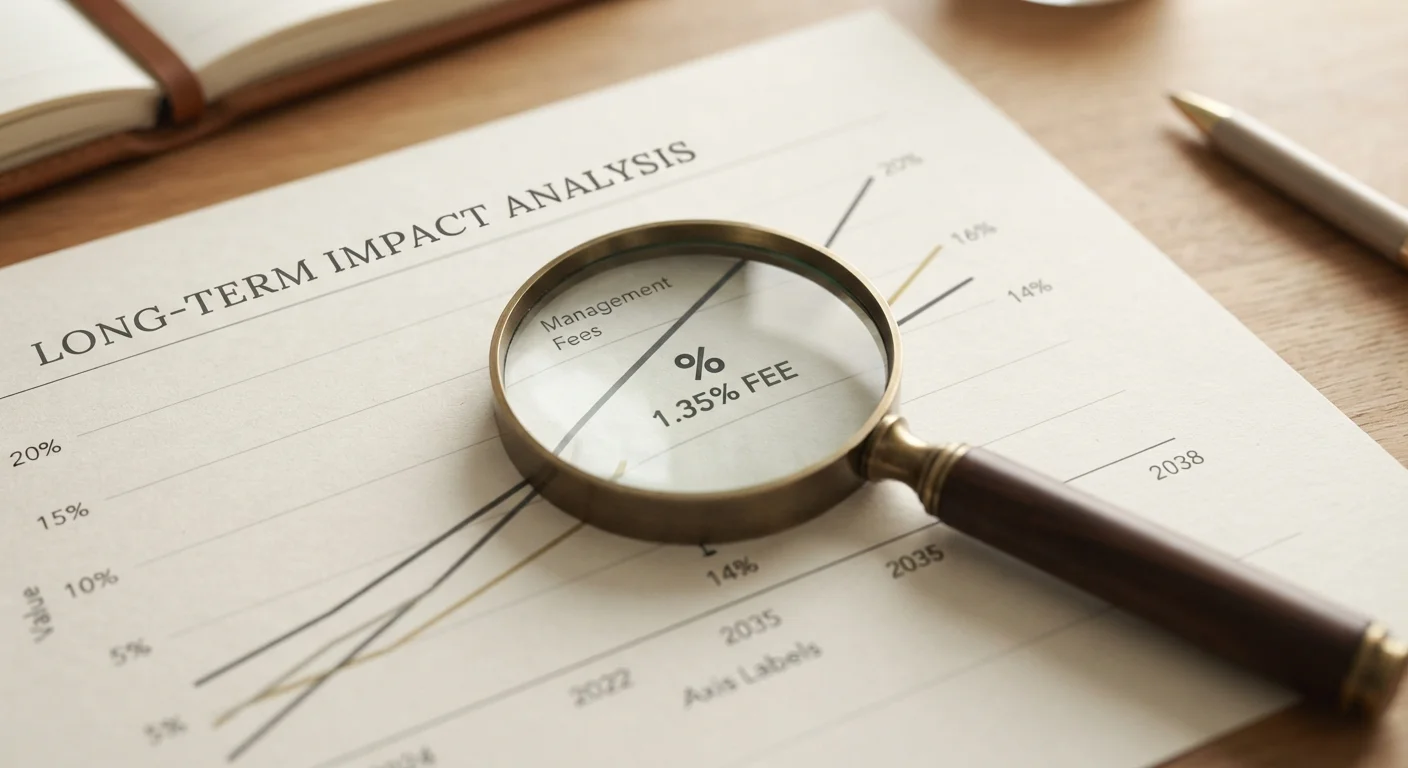
The Ongoing Charges Figure (OCF) - sometimes called the Total Expense Ratio (TER) or expense ratio - is the annual percentage deducted from your investment to cover fund management and operating costs. It compounds silently every year.
Find this number in the charges or costs section. A passively managed index fund will typically show an OCF well below 0.5%. An actively managed fund may charge 0.75%-1.5% or more. Neither figure is automatically right or wrong - but it sets the performance hurdle the fund must clear just to break even against a cheaper alternative.
Assess the risk indicator
Most factsheets include a Summary Risk Indicator (SRI) or a numbered scale (commonly 1-7), derived from the fund's historical price volatility. A higher number signals greater potential for both gains and losses.
This number alone isn't sufficient - it doesn't capture liquidity risk, concentration risk, or currency risk. Treat it as a starting point, then look at the geographic and sector breakdown to understand where that risk is coming from. A fund rated 5 concentrated entirely in a single sector carries different risks than a diversified fund with the same score.
Read the performance data against the benchmark
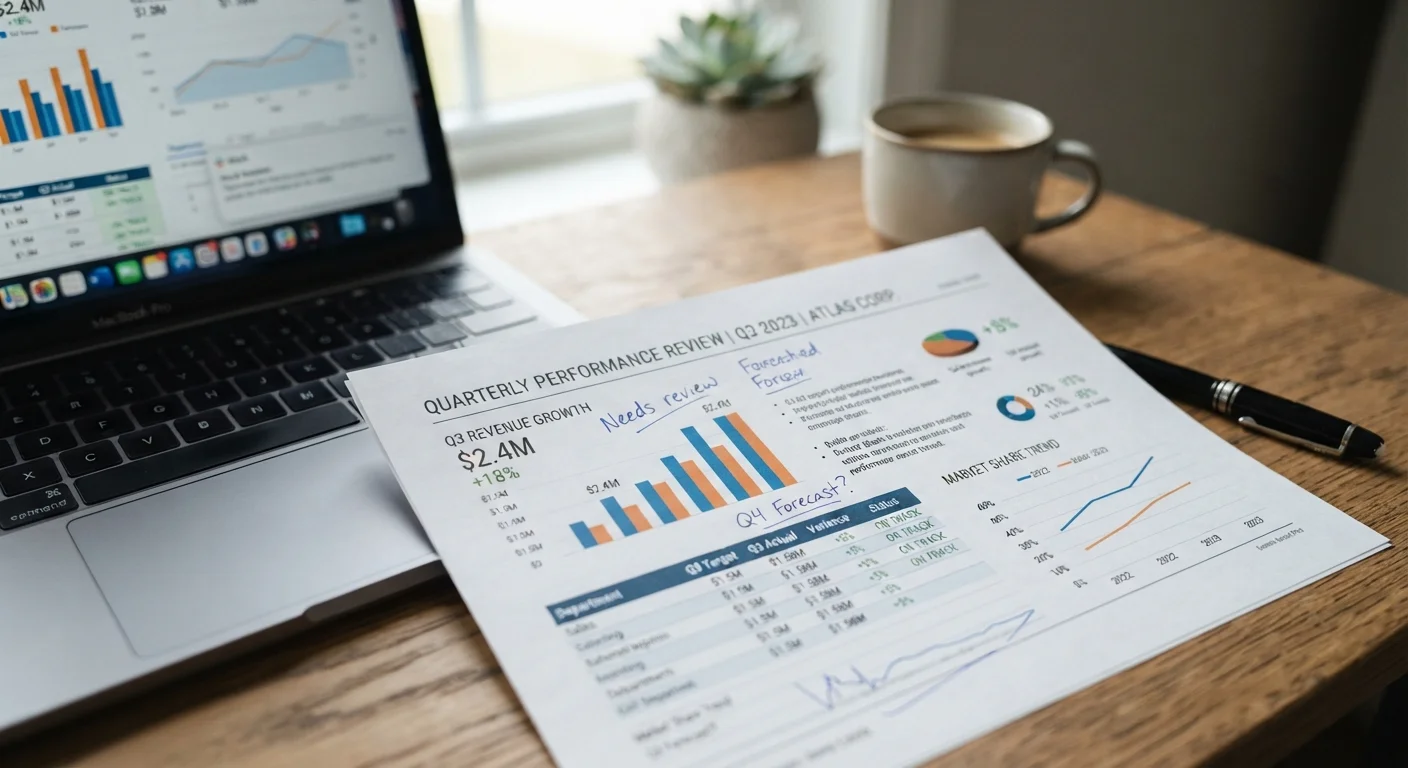
Performance tables typically show 1-year, 3-year, and 5-year returns. The critical step most readers skip: compare those returns to the fund's benchmark index, which should appear in the same table or directly below it.
If a fund returned 9% over five years but its benchmark returned 11%, the fund underperformed - and you paid fees for the privilege. Consistent underperformance relative to benchmark, after costs, is the core argument for considering passive index alternatives. For a structured comparison of both approaches, see index funds vs. actively managed funds.
Review the top holdings and concentration
The top 10 holdings section reveals concentration risk - how much of the fund is riding on a small number of positions. If the top five holdings account for 50% or more of the fund's assets, a bad quarter for those companies will heavily impact your returns.
Also check for unintentional overlap if you hold multiple funds. Two funds that both list the same mega-cap stocks in their top 10 are less diversified together than they appear separately. This matters more than most new investors realise.
Note the fund manager and track record context
For actively managed funds, the fund manager's tenure matters. A 10-year performance record is far less meaningful if the manager who generated it left three years ago. Look for the manager's start date, which may appear in the factsheet's management section or accompanying literature.
This is also a good moment to consider whether past outperformance reflects repeatable skill or favorable market conditions. Chasing recent performance is one of the most common - and costly - early investor mistakes.
Past Performance Is Not a Reliable Indicator
Regulators require factsheets to include this disclaimer for good reason. Studies consistently show that top-performing funds in one period frequently underperform in the next. Use historical return data to understand a fund's behavior through different market conditions - not to predict future results.
Compare OCF Across Similar Funds
When evaluating fees, compare funds within the same category - equity funds carry higher costs than bond funds by convention. A meaningful cost comparison is always like-for-like. For a deeper look at how fees compound over time, see our guide on what investment fees are really costing you.
What a Factsheet Cannot Tell You
Even a thorough factsheet review has limits. A factsheet captures a snapshot of a fund at a point in time - it doesn't tell you whether the fund fits your specific financial goals, tax situation, or time horizon. It also can't tell you whether the current market environment makes the fund's strategy more or less appropriate going forward.
For context on account structures that affect how a fund is taxed in your hands, see ISAs, SIPPs, and General Investment Accounts. And if you're building foundational knowledge alongside this skill, our overview of stocks, bonds, and cash explains the building blocks underlying every fund you'll encounter.
This article is for general informational and educational purposes only and does not constitute personalised financial, investment, or tax advice. Always consult a qualified financial adviser before making investment decisions based on your individual circumstances.