Why Renter-Friendly Upgrades Are Worth the Effort
Living in a rental doesn't have to mean tolerating beige walls, harsh lighting, and a kitchen that feels like it belongs to someone else. The challenge is making meaningful improvements without violating your lease - a document that typically prohibits permanent alterations and holds you liable for damage via your security deposit.
Fortunately, a growing category of home products and techniques makes it possible to personalise a rental substantially without leaving a mark. The key distinction is reversibility: anything you install, hang, or apply should be returnable to its original state before you hand back the keys.
Before you start, take two important steps. First, photograph every room thoroughly so you have a documented baseline. Second, read your lease carefully - some agreements restrict even minor changes like hanging pictures. If anything is unclear, a quick email to your landlord creates a written record and avoids misunderstandings later. With those foundations in place, here are the most effective renter-friendly upgrades to consider.
Removable Wallpaper and Peel-and-Stick Tiles
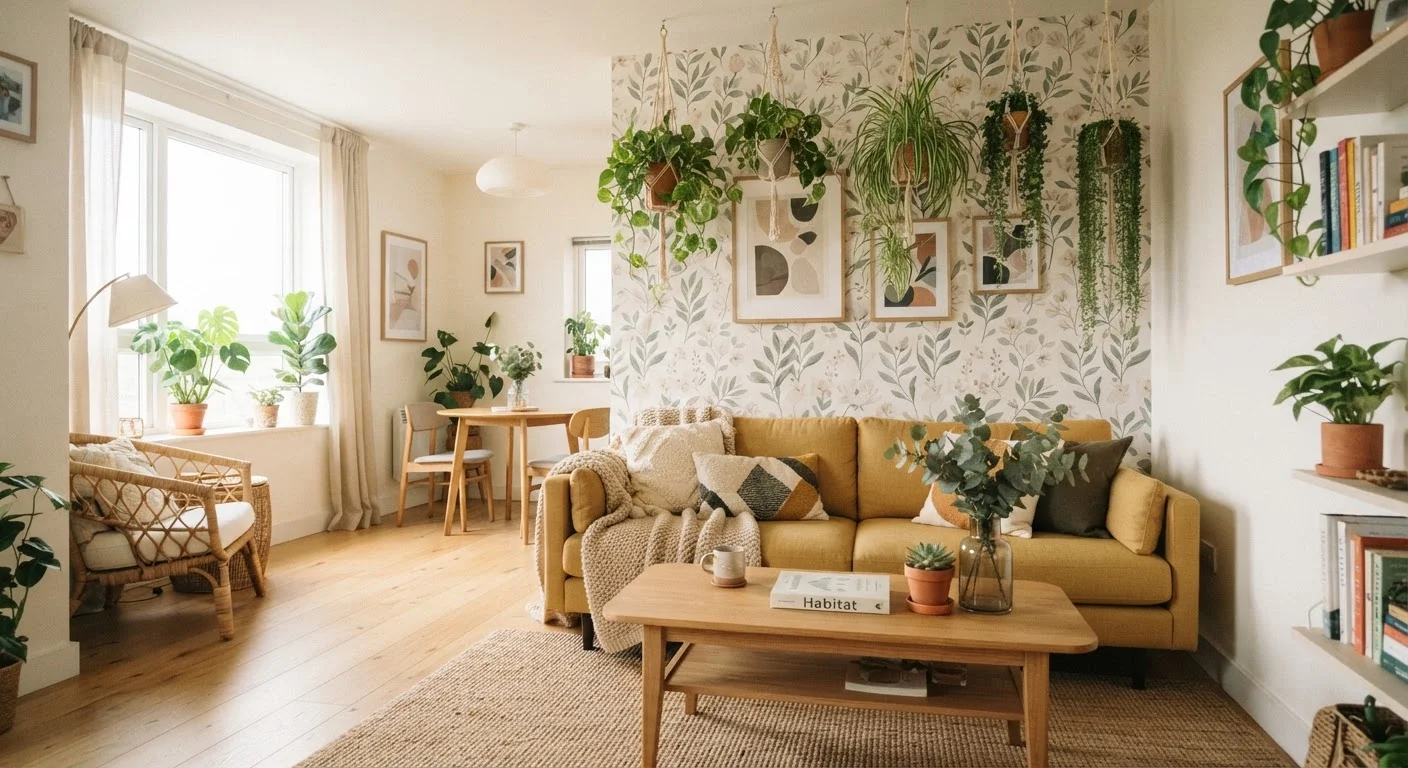
Removable wallpaper - also called peel-and-stick wallpaper - uses a pressure-sensitive adhesive that comes away cleanly from most painted surfaces without pulling off paint or leaving residue. Applied to a single accent wall, it's one of the highest-impact changes available to renters. Geometric patterns, botanicals, and faux textures like linen or concrete are all widely available.
The same technology applies to backsplash tiles in kitchens and bathrooms. Peel-and-stick tile panels can cover dated or discoloured grout lines and create a completely different atmosphere in a room that landlords rarely upgrade. When removing them, use a hairdryer on a low setting to warm the adhesive slightly - it releases more cleanly and reduces the chance of residue.
Important: Test a small hidden patch first. On some flat or matte paint finishes, even removable adhesives can cause peeling. Document the wall condition before and after.
A single removable wallpaper accent wall is one of the highest-impact changes available to renters.
Swap Out Light Fixtures - Then Swap Them Back
Overhead lighting in rentals is often functional at best and unflattering at worst. Most standard ceiling fixtures connect to a simple mounting bracket and can be swapped in under thirty minutes by someone comfortable working with basic electrical connections. Store the original fixture carefully - you'll need to reinstall it when you leave.
Replacing a bare bulb fitting with a pendant light or a dated flush mount with a modern semi-flush fixture changes how the entire room feels. Stick to fixtures designed for standard junction boxes to keep the swap genuinely reversible.
Safety note: Always turn off the circuit breaker before touching any wiring. If you're not confident working with electrical connections, hire a licensed electrician - this is not a task to rush. Check your lease, too, as some agreements require landlord approval for any electrical work.
Swapping a rental's overhead fixture takes under thirty minutes - and restoring the original takes the same.
Use Command Strips and Adhesive Hooks Strategically
Adhesive hanging systems - most commonly associated with the Command brand, though other products exist - allow you to hang framed art, mirrors, shelves, and organisers without drilling. Used correctly and within the stated weight limits, they remove cleanly and leave no damage.
The most common mistake renters make is overloading them. Always check the weight rating on the packaging and add a margin - if the strip is rated for five pounds, hang no more than three to four. On textured walls, painted brick, or wallpapered surfaces, adhesive strips are far less reliable; in those cases, freestanding alternatives are a safer choice.
For gallery walls, plan the layout on the floor first before committing to placement. Repositioning strips repeatedly weakens their hold, and every removal and reapplication creates more adhesive contact that's harder to clean up later.
Always stay well under the stated weight limit - adhesive strips fail silently and without warning.
Layer Rugs to Define Zones and Cover Floors
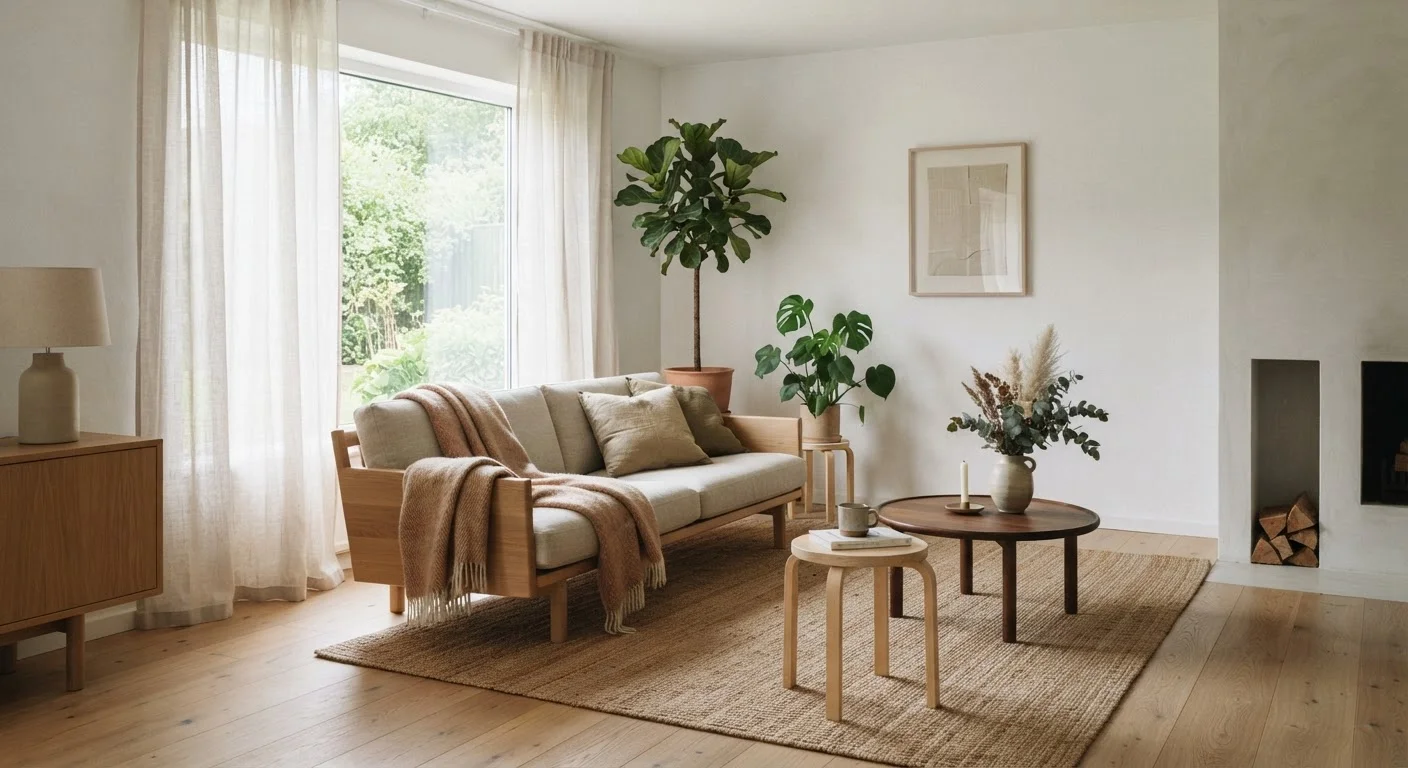
Rental flooring ranges from worn hardwood to aggressively patterned carpet, and rarely matches what you'd choose yourself. A large area rug is one of the most cost-effective ways to reframe a room - it anchors furniture groupings, absorbs sound, and adds warmth that bare floors simply can't provide.
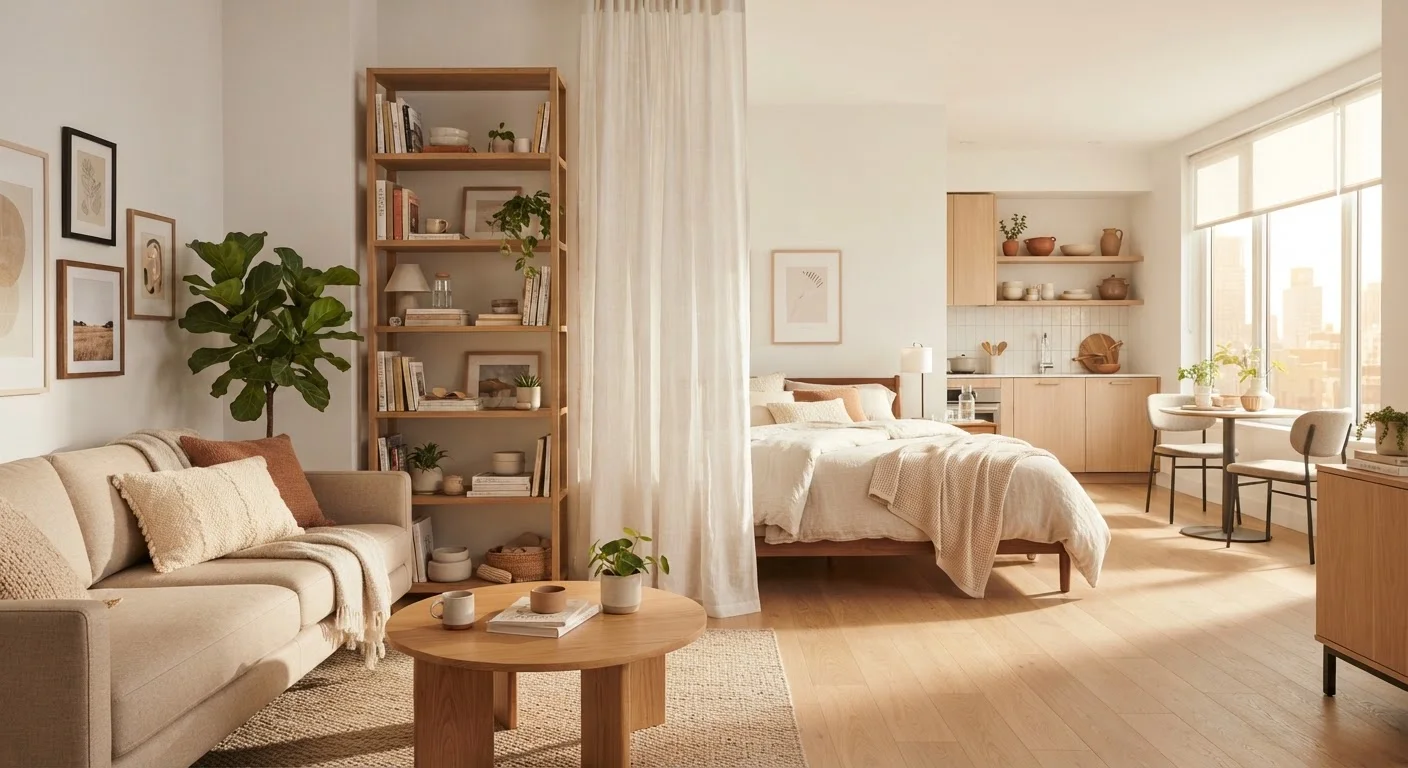
In open-plan spaces, rugs act as invisible walls, defining a living area from a dining zone without any structural intervention. Layering a smaller, more decorative rug over a neutral larger one adds texture and visual interest without commitment. When you move out, both rugs come with you.
Rug pads are worth the investment: they prevent slipping on hard floors, protect both the rug and the floor beneath, and extend the rug's life. Choose a pad designed for your floor type - rubber-backed pads can occasionally stain certain hardwood finishes over time.
A well-placed area rug reframes an entire room and comes with you when you leave.
Freestanding and Tension-Based Storage Solutions
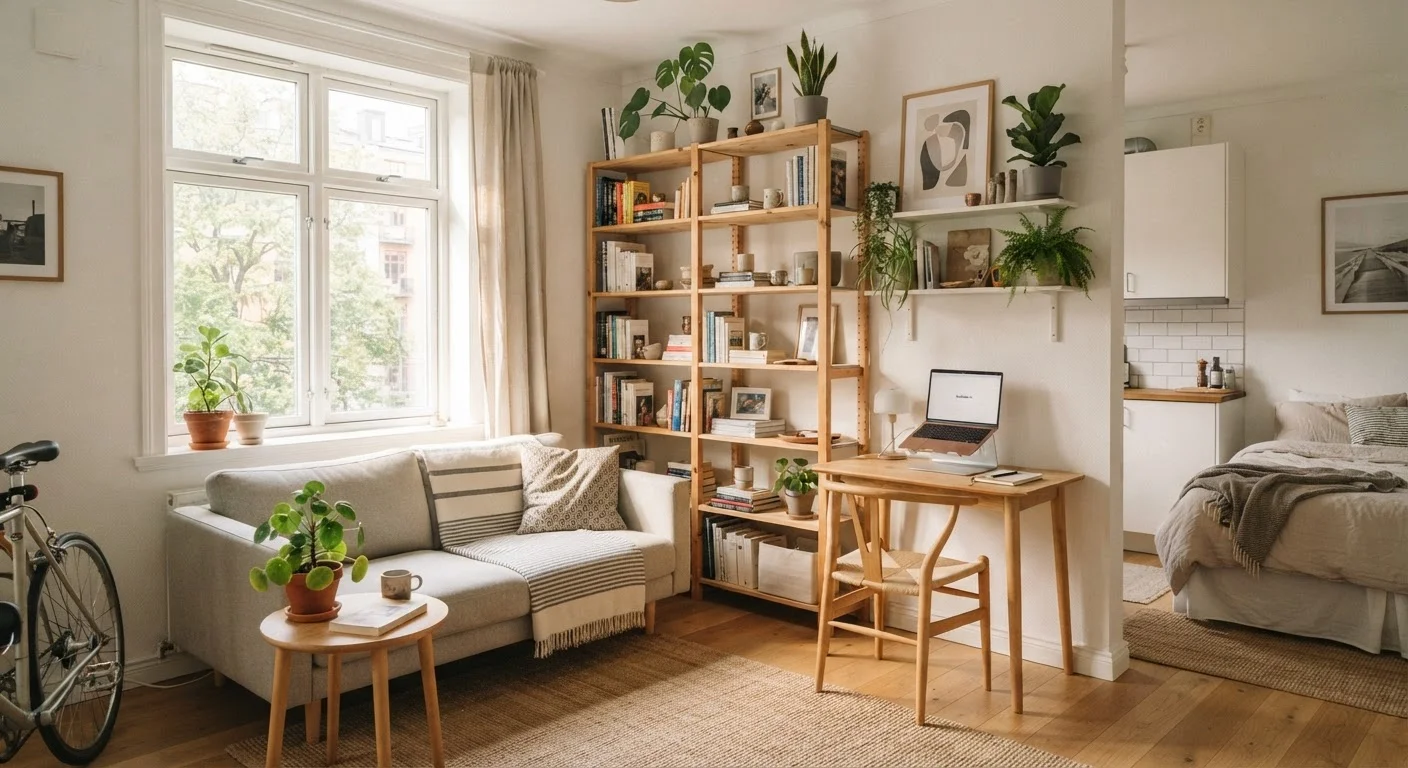
Rentals often have inadequate storage, and drilling shelving into walls isn't always an option. Freestanding bookcases, ladder shelves, and modular cube units provide substantial storage without touching the walls. Tension rod shelving - which braces between two walls or inside a cabinet - is another strong option for bathrooms, pantries, and under-sink areas.
Inside closets, tension rods can add a second hanging rail at no cost to the walls. Over-door organisers with hook-based mounting don't require any drilling and work on most standard interior doors. In kitchens, freestanding trolleys add counter space and storage simultaneously.
The principle here is to work with the architecture rather than into it. Corners, doorframes, and the space between cabinet units all offer structural support that doesn't require permanent fixings.
Tension rods and freestanding units solve storage problems without touching a single wall.
Update Hardware on Cabinets and Doors
Cabinet handles and drawer pulls are among the easiest swaps in a rental - they're typically held on by one or two screws, and replacing them takes minutes. Swapping dated brass handles for brushed nickel or matte black alternatives can modernise a kitchen or bathroom noticeably.
The critical step is storing every original piece of hardware in a labelled bag or box from day one. When you move out, reinstall the originals exactly as you found them. Keep your replacement hardware in good condition too - some renters choose to take theirs to the next place, making the swap genuinely portable.
Check that replacement hardware matches the existing screw hole spacing (measured centre-to-centre) before purchasing. Mismatched spacing means new holes, which crosses the line from reversible to permanent.
Store every original piece of hardware from day one - reinstallation is what keeps the swap reversible.
Making It All Work Together
The most successful rental transformations treat the space as a whole rather than a collection of isolated fixes. Anchor one or two statement changes - a removable wallpaper feature wall, a well-chosen rug - then let smaller upgrades like better lighting and organised storage complement them.
Document Everything Twice
Take timestamped photos before any upgrade and again after you've reversed it at move-out. This two-stage record gives you clear evidence that your changes caused no damage, which is often the difference between a full and partial deposit return. Store the photos in cloud backup so they can't be lost or disputed.
If you share an open-plan space that needs better zoning, our guide on rental-friendly ways to divide an open-plan room covers temporary partitioning without drilling. For broader decorating strategies on a limited budget, decorating on a tight budget goes deeper on colour, focal points, and material choices. And if you're just starting out, making a first flat feel like home is a solid starting point for layout and storage from scratch.
When you're ready to move on, reversible upgrades also mean a smoother exit. A space returned to its original condition - deposit intact - is one less financial stress to manage. Building that kind of buffer connects directly to broader habits around saving and emergency funds, because protecting your deposit is, in effect, protecting your savings.
This article is for general informational purposes only. Always review your individual lease agreement and consult your landlord before making any changes to a rented property. Local regulations and tenancy laws vary.