
How Depreciation Works in Practice
Every vehicle depreciates - the question is how fast and how steeply. When a new car sells, its price reflects the manufacturer's suggested retail price (MSRP), dealer markup, and the premium of being brand new. The instant it is titled in a buyer's name, it becomes a used vehicle, and its market value drops to reflect that.
In the first year alone, most passenger vehicles lose between 15% and 20% of their original value. By the end of year three, total depreciation commonly reaches 40-50% of the purchase price. After that, the rate of decline typically flattens - which is why a six-year-old car may not be worth much less than a five-year-old version of the same model.
This curve is not uniform. Factors that accelerate depreciation include high mileage, accident history, outdated technology, poor reliability reputation, and weak consumer demand for that particular segment. Factors that slow it include strong brand equity, low supply, high utility (trucks used for towing, for instance), and excellent maintenance records.
~20%
Average first-year value loss for a new car
Industry valuation data consistently shows new vehicles lose roughly 15-20% of their purchase price within the first 12 months.
~50%
Cumulative depreciation by year five
Many passenger vehicles retain only around half their original value after five years, depending on make, model, and usage patterns.
$4,000+
Annual depreciation cost for average new car
For a typical new vehicle purchase, annual depreciation in the first few years commonly exceeds $4,000, making it the largest single ownership cost.
Why Depreciation Shapes Used Car Pricing
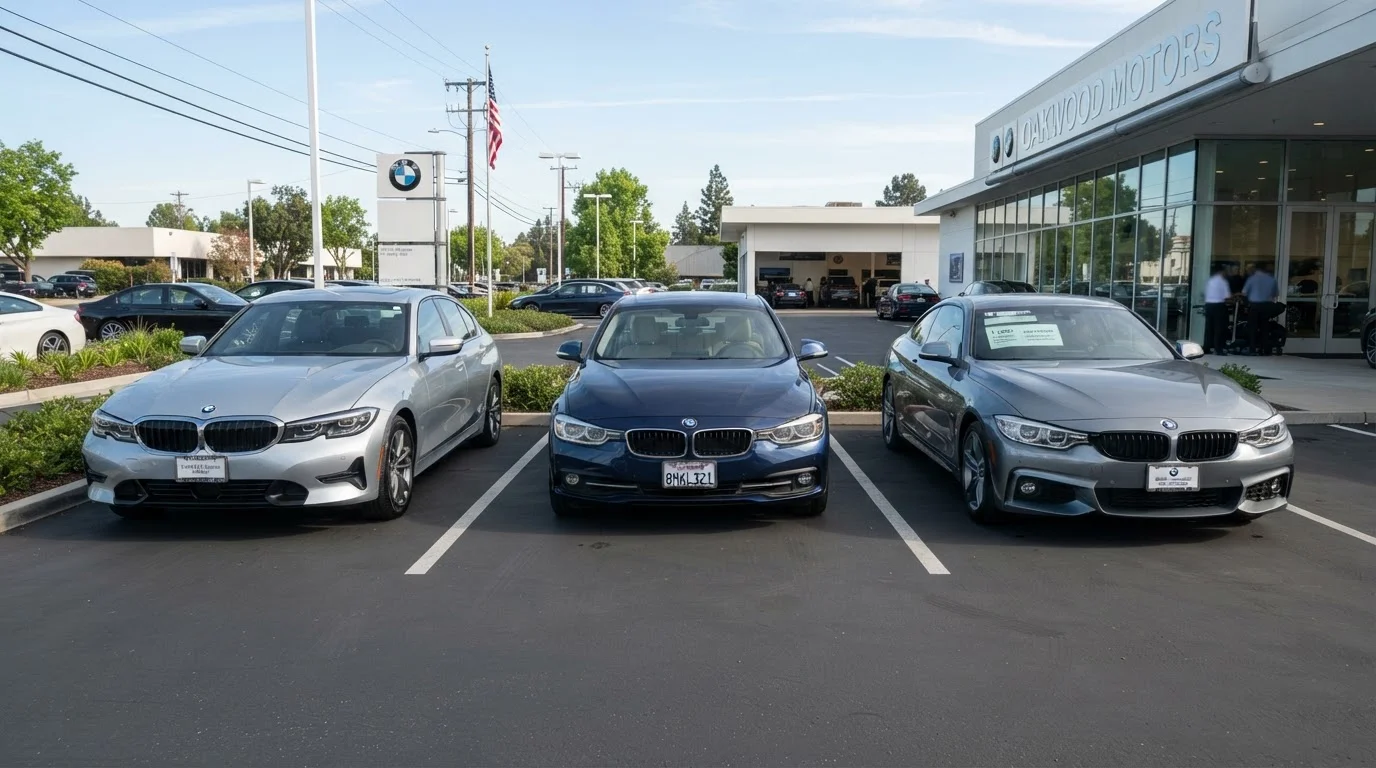
The used car market is, in essence, a marketplace for depreciation at various stages. When you see a three-year-old sedan listed at 55% of its original MSRP, that price reflects accumulated depreciation, current market demand, and condition adjustments. Sellers - whether dealers or private parties - benchmark against published valuation guides to arrive at asking prices.
This is why understanding depreciation gives buyers a real advantage. A car priced above where it sits on its depreciation curve may be overpriced for its age and mileage. A car priced below it might indicate hidden problems - or simply a motivated seller. Neither conclusion is automatic; both warrant investigation.
Depreciation also explains the appeal of buying vehicles that are two to three years old. You absorb none of the steepest first-year loss, yet the car typically retains full functionality, may still carry a portion of its original warranty, and has a verifiable service history. See our guide to new, used, and certified pre-owned differences for a fuller comparison of what each ownership tier actually offers.
Depreciation as a Cost of Ownership
Many first-time buyers focus on loan payments and insurance when calculating affordability, overlooking depreciation entirely. Yet for the average driver, depreciation represents the single largest annual ownership cost - exceeding fuel, maintenance, and insurance in the early years of a vehicle's life.
If you purchase a $32,000 vehicle and sell it three years later for $19,000, you have absorbed $13,000 in depreciation - roughly $4,300 per year before you factor in a single tank of gas or oil change. That figure belongs in any honest budget conversation. Our article on car ownership costs that first-time buyers consistently underestimate breaks down the full picture.
Check Your Equity Position Regularly
If you financed a vehicle purchase, it is worth comparing your remaining loan balance to current market valuations every year. If the balance exceeds what the car would sell for, you are in negative equity. Knowing this early gives you more options - including adjusting your payoff strategy before a trade-in or sale becomes necessary.
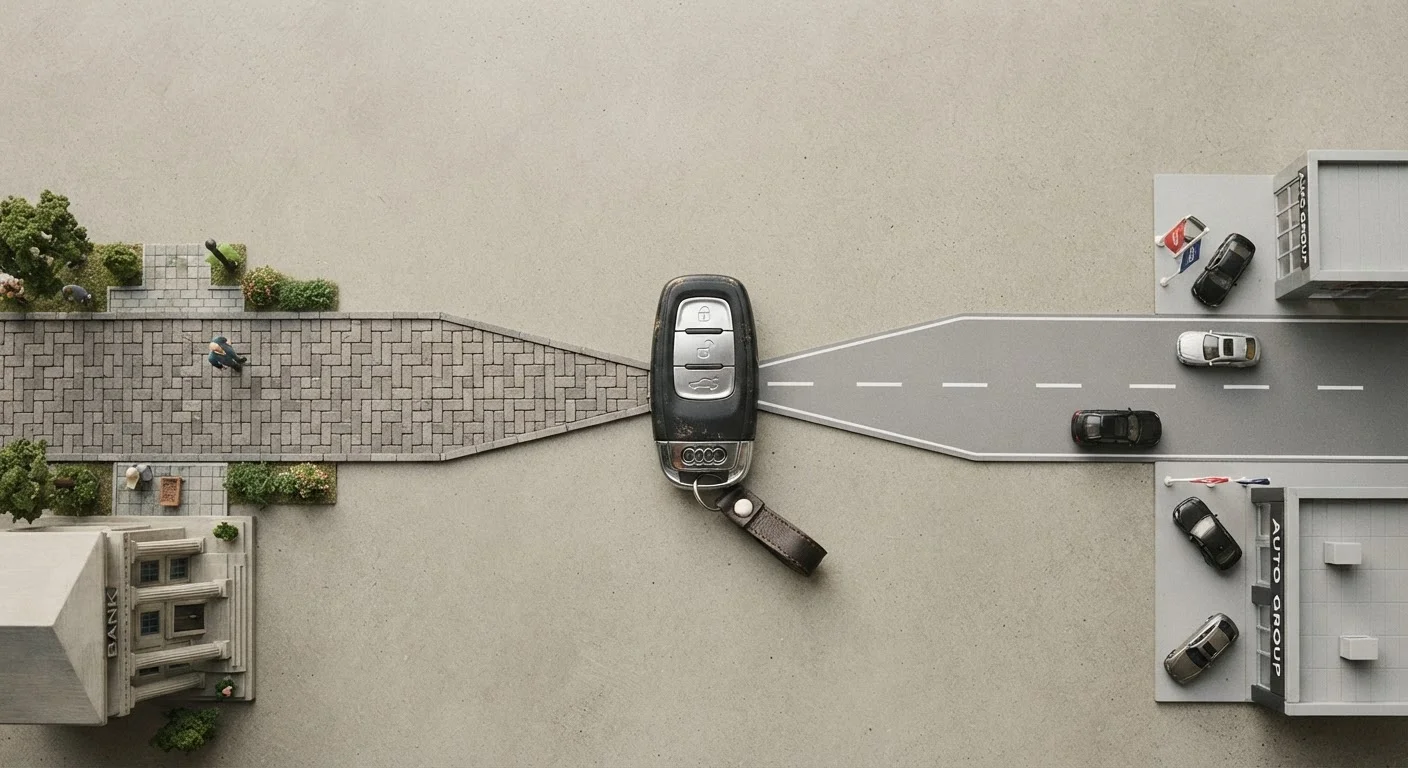
Depreciation also intersects with financing. If you borrow to purchase a vehicle that depreciates faster than you pay down the loan, you can end up in a negative equity position - owing more than the car is worth. This situation, sometimes called being "underwater" on a loan, limits your options if you need to sell or trade in early. For context on how financing structures affect this dynamic, see dealership financing vs. bank or credit union loans.
Putting Depreciation to Work When You Buy
Armed with an understanding of depreciation curves, buyers can make more deliberate choices. Before making an offer on a used vehicle, look up its estimated current market value using a reputable automotive valuation tool and compare that to the asking price. A significant gap - either above or below - is worth understanding before you proceed.
Condition and history matter enormously when assessing whether a price aligns with a vehicle's position in its depreciation cycle. A car with accident history, deferred maintenance, or high mileage relative to its age depreciates faster than average, and its price should reflect that. Once you have assessed value, a thorough physical inspection is the natural next step - our pre-purchase inspection checklist covers what to look for before signing anything.
Valuation Tools Are Estimates, Not Guarantees
Published market valuations - from tools such as industry pricing guides and auction-based estimates - reflect average transaction data, not a guaranteed sale price. Regional supply and demand, seasonal patterns, and individual vehicle condition all cause real-world prices to vary. Use valuations as a starting reference, not a fixed number.
Depreciation is not something to fear - it is a mechanism to understand. When you know where a vehicle sits on its value curve, you can evaluate pricing with confidence, negotiate from a position of knowledge, and avoid absorbing costs that belong to someone else's ownership chapter.