How Each Financing Route Actually Works
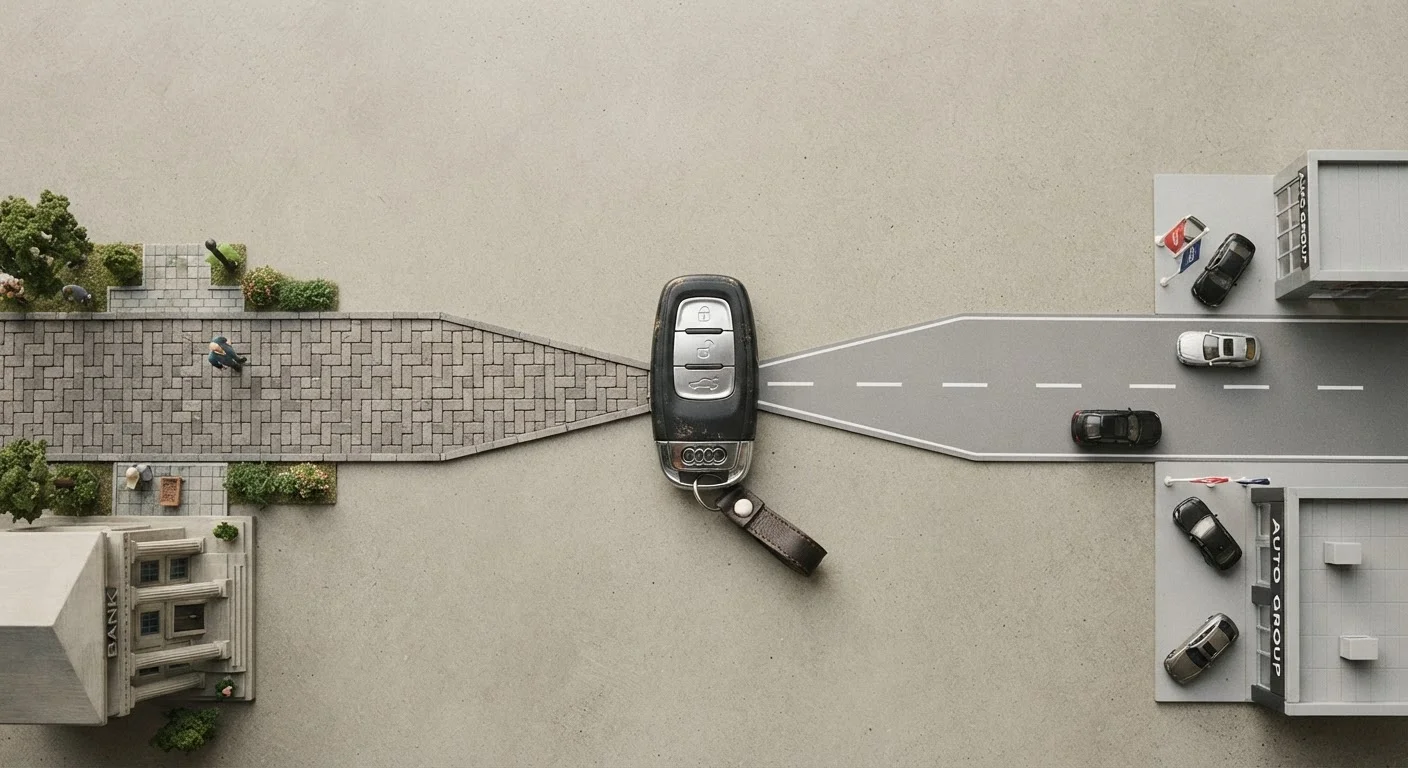
When you finance a car at a dealership, the dealer acts as a middleman between you and a network of lenders - banks, finance companies, and the automaker's own lending arm (called a captive finance company). The dealer submits your credit application to multiple lenders, selects an offer, and often adds a markup - sometimes called a dealer reserve - to the interest rate before presenting it to you. That spread is how the finance office earns revenue on the deal.
A bank or credit union loan works differently. You apply directly with the institution, receive a pre-approval with a specific APR and loan ceiling, and then walk into the dealership effectively as a cash buyer. The lender pays the dealer directly; you repay the lender on agreed terms. Because there's no middleman earning a spread, the rate you're quoted is the rate you pay.
Neither structure is inherently bad - but understanding the mechanics prevents you from comparing a dealership quote to a direct-lender quote without accounting for that potential markup. See our guide to car finance terminology for definitions of APR, dealer reserve, and related terms.
| Criterion | Dealership Financing | Bank or Credit Union Loan |
|---|---|---|
| Who sets the rate | Lender, plus possible dealer markup | Lender directly - no markup |
| Convenience | Single-visit, all paperwork on site | Requires separate application step |
| Rate competitiveness | Variable; promo rates can be strong | Generally lower on average |
| Negotiating position | Rate revealed after credit is run | Arrive knowing your ceiling and rate |
| Promotional offers | 0% or low-APR deals available | Not typically available |
| Lender relationship | Managed through dealer | Direct with your chosen institution |
Rate, Flexibility, and the Real Cost Difference
Interest rate is the most consequential variable in any auto loan, because even a one-percentage-point difference compounds meaningfully over a four- or five-year term. According to the National Credit Union Administration, credit unions have historically offered lower average auto loan rates than banks, and banks have generally offered lower rates than dealership finance channels on a like-for-like credit basis - though this varies by lender and market conditions.
~1-2%
Typical APR gap between credit unions and dealership financing
Industry data from the NCUA and consumer finance research has consistently shown credit union auto rates running below dealership-channel averages for comparable credit profiles.
$1,000+
Potential extra cost from a 2% rate markup on a $25,000 loan
On a 60-month, $25,000 loan, a two-percentage-point rate difference adds over $1,300 in total interest - illustrating why rate comparison matters.
Promotional financing at dealerships - often advertised as 0% or low-APR for qualified buyers - can genuinely undercut direct lenders. The catch: these rates typically require excellent credit, apply only to specific models or trim levels, and may conflict with other incentives like cash-back rebates. Before accepting a promotional rate, calculate whether the rebate alternative plus a direct loan would result in lower total repayment. Our article on what a car loan actually costs you walks through exactly that kind of calculation.
Loan term flexibility also differs. Direct lenders give you full control over term length before you arrive. Dealerships may steer toward longer terms to lower the monthly payment figure - which often increases total interest paid. Always evaluate the total cost of the loan, not just the monthly amount.
Monthly Payment vs. Total Cost
A lower monthly payment achieved by extending the loan term often means more total interest paid over the life of the loan. Always ask for the total repayment figure - not just the monthly amount - before comparing offers. A longer term can also mean you owe more than the car is worth (negative equity) for a larger portion of the loan period.
What to Do Before You Commit
The most effective strategy is to arrive at the dealership with a pre-approval already in hand. This accomplishes three things: it gives you a firm spending ceiling, it provides a concrete rate benchmark to test any dealership offer against, and it removes time pressure from the finance conversation.
Getting pre-approved doesn't lock you in. If the dealership presents a legitimately better rate, you can take it. If it doesn't, you already have financing ready. Most pre-approvals from banks and credit unions involve a hard credit inquiry, but multiple auto-loan inquiries within a short window - typically 14 to 45 days depending on the credit scoring model - are usually treated as a single inquiry for scoring purposes.
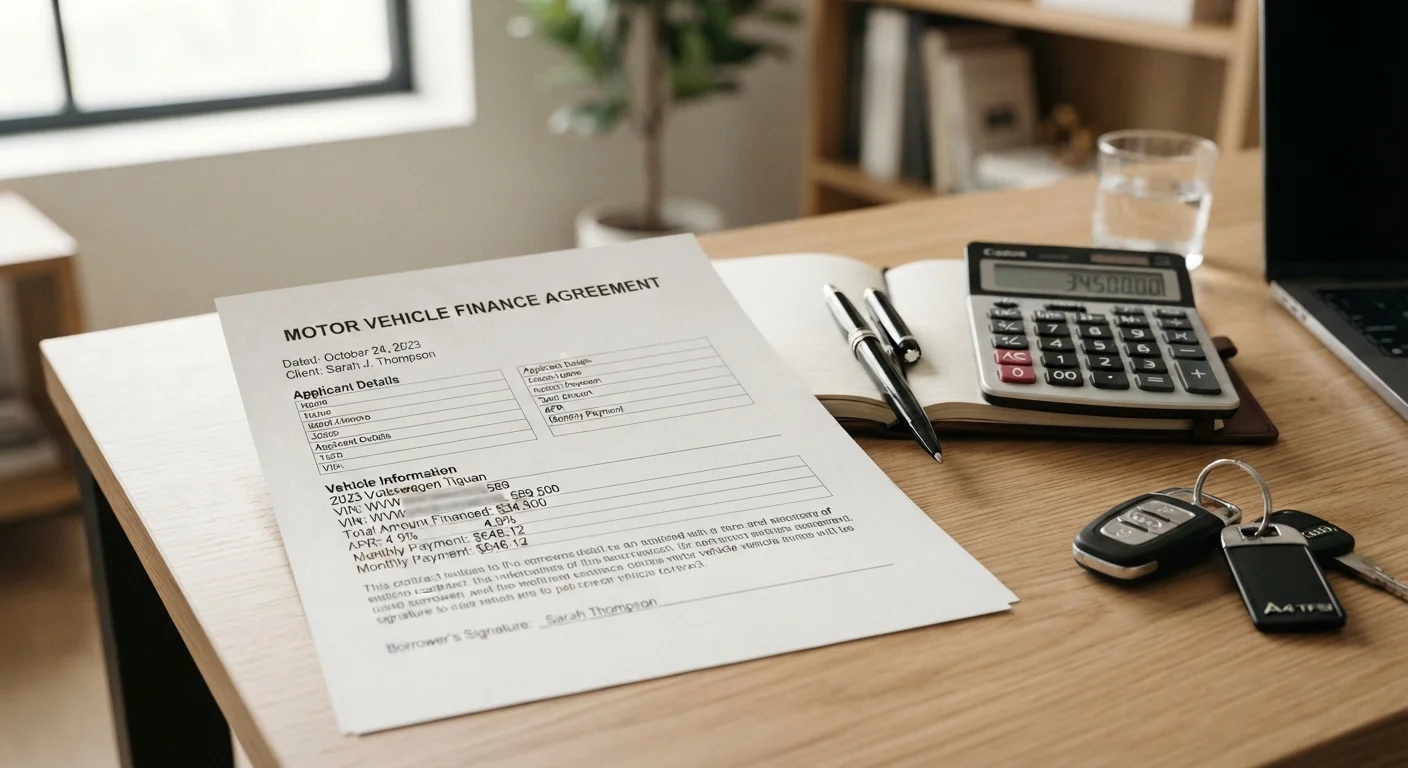
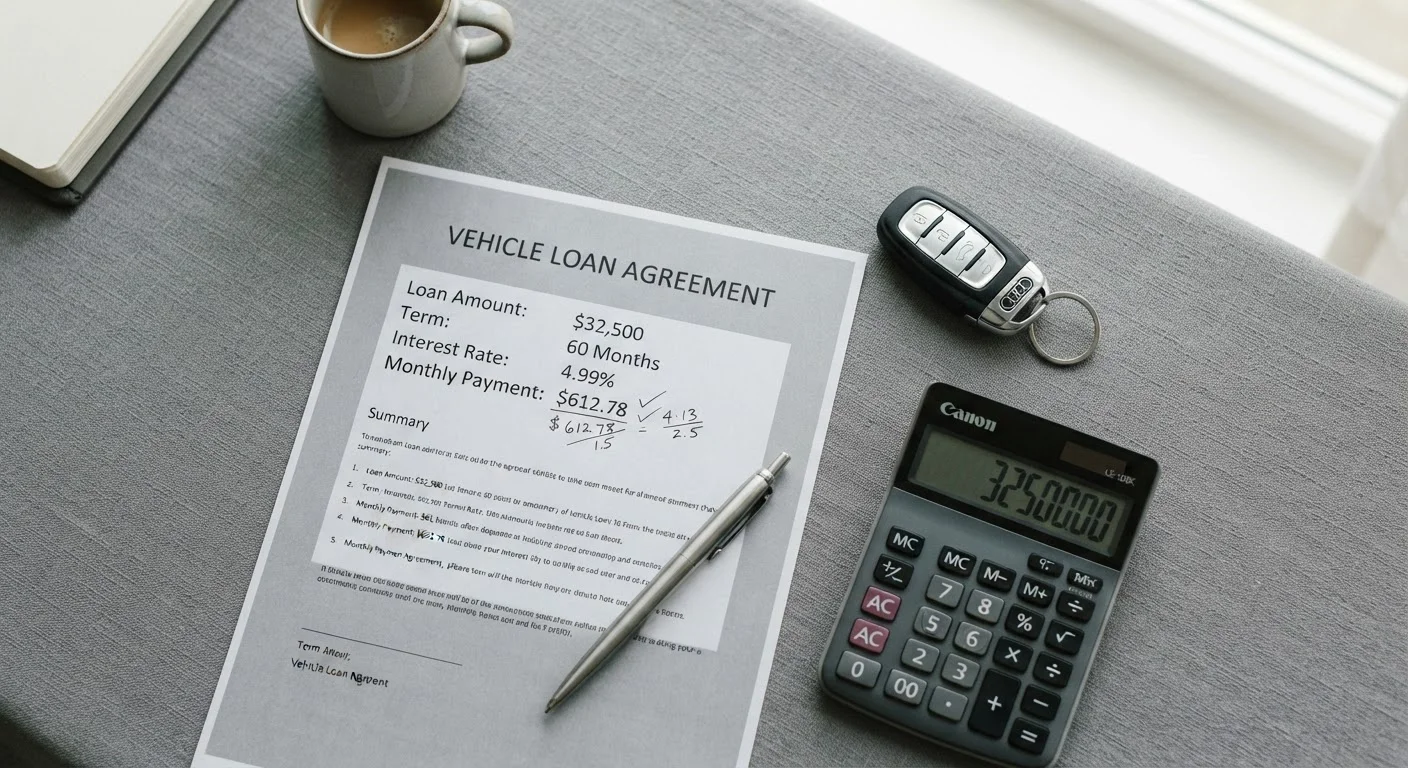
Before finalising anything, review the complete loan agreement: the APR, total amount financed, total repayment figure, any prepayment penalties, and any add-on products the finance office has folded in. This preparation is part of the broader financial groundwork covered in our article on getting your finances ready before you set foot in a showroom. For a complete view of the entire car-buying process, see the full car-buying journey from research to keys in hand.
This article is for general informational purposes only and does not constitute financial or legal advice. Consult a qualified financial professional for guidance specific to your circumstances.