How Each Category Is Actually Defined
The labels sound simple, but the definitions carry meaningful distinctions that affect everything from price to legal protections.
New vehicles are sold directly from manufacturer production - no prior registered owner. They come with the full factory warranty, typically covering the powertrain for 5 years or 60,000 miles and bumper-to-bumper coverage for 3 years or 36,000 miles, though this varies by manufacturer.
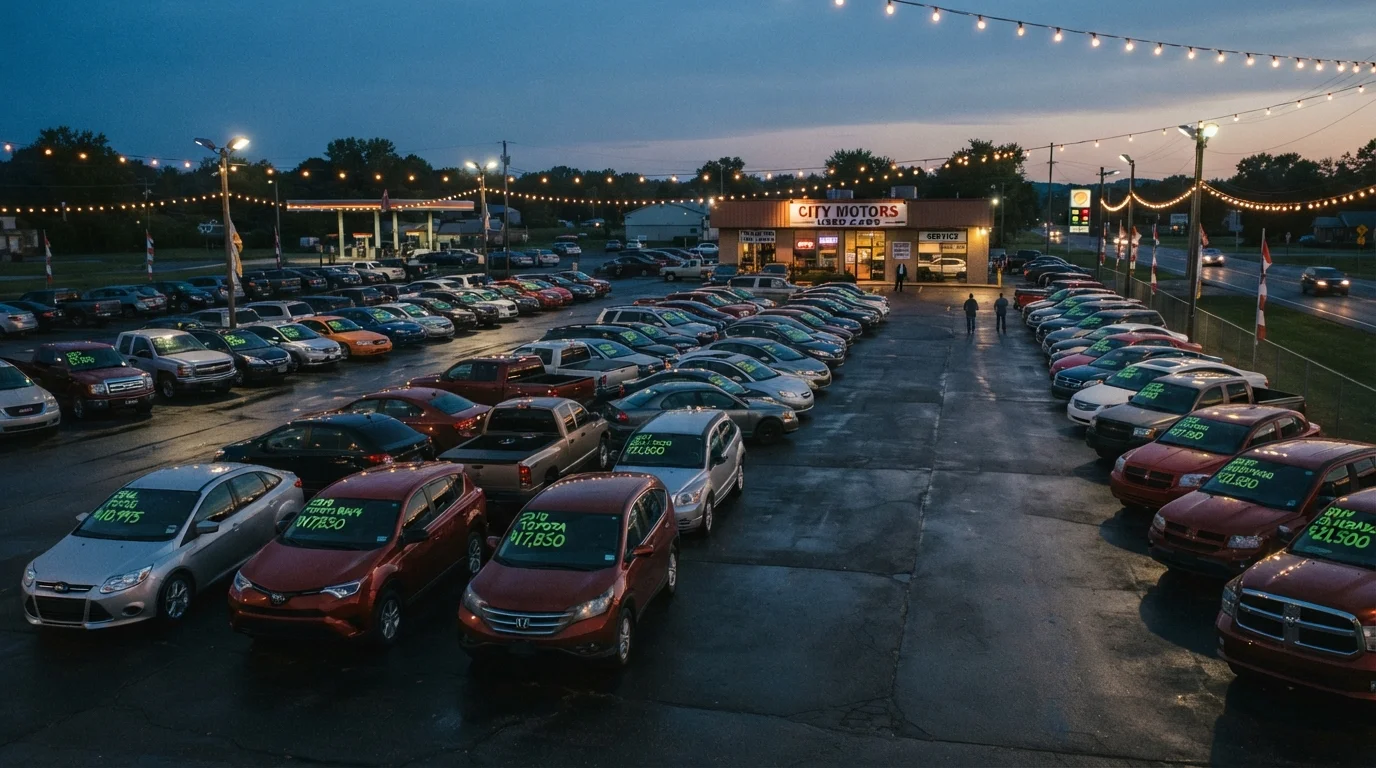
Used vehicles are any car that has been previously titled - even a demo model with 500 miles qualifies. They're sold as-is unless a dealer explicitly provides a warranty. Prices vary enormously based on mileage, condition, age, and market demand. See our explanation of how depreciation shapes used car pricing for why values shift so significantly.
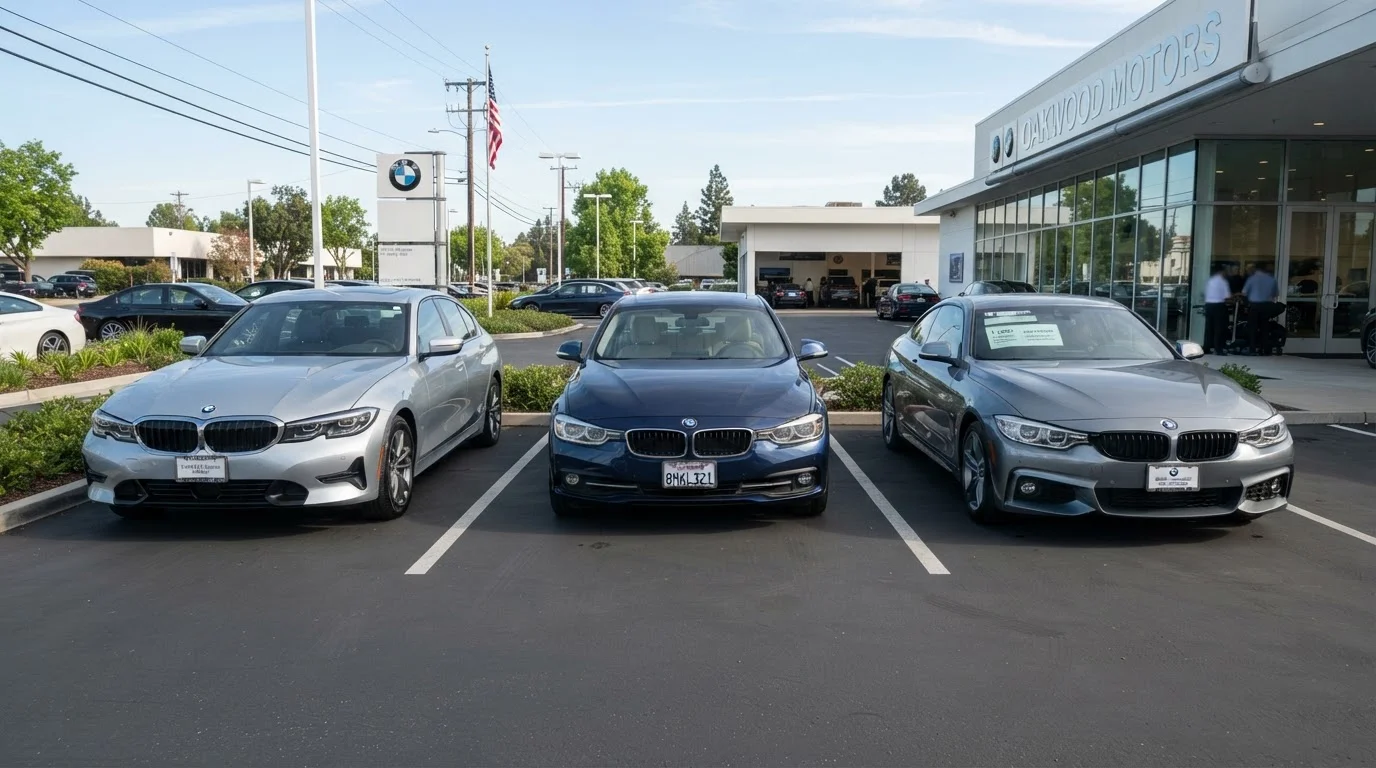
Certified Pre-Owned (CPO) is a manufacturer-defined program - not a generic dealership term. To qualify, a vehicle must meet specific age and mileage thresholds (commonly under 6 years old, under 80,000 miles), pass a multi-point inspection, and be sold through a franchised dealer. In return, the manufacturer extends a warranty on top of whatever factory coverage remains.
| New Car | Certified Pre-Owned | Used Car | |
|---|---|---|---|
| Typical price point | Highest | Mid-range | Lowest |
| Depreciation exposure | Highest (first 1-3 years) | Moderate (curve already passed) | Lowest upfront impact |
| Warranty coverage | Full factory warranty | Extended manufacturer CPO warranty | None (as-is) unless dealer adds one |
| Inspection requirement | Not applicable | Mandatory multi-point inspection | Varies - buyer's responsibility |
| Financing interest rates | Typically lowest | Often competitive | Often higher |
| Lemon law protection | Yes, in most states | Limited or none | None |
| Availability of latest tech | Full access | Depends on model year | Limited |
Warranty and Risk: Where the Real Difference Lives
Warranty coverage is arguably the most consequential difference between the three categories - not just in what's covered, but in what recourse you have when something goes wrong.
With a new car, every mechanical failure during the warranty period is handled by the manufacturer's network. You're also protected under federal lemon laws in most states, which require manufacturers to replace or refund a vehicle with persistent, unresolved defects.
A CPO vehicle carries a warranty extension - often an additional year or powertrain coverage beyond the original factory terms. Critically, this is a manufacturer-backed warranty, not a third-party service contract (which is what dealers sometimes call an "extended warranty" on standard used cars). That distinction matters because manufacturer programs are more tightly regulated and harder to deny.
A standard used car sold "as-is" offers no seller warranty at all. If the transmission fails the week after purchase, the cost is entirely yours unless fraud or misrepresentation can be proven. Before buying any used vehicle, review our pre-purchase inspection checklist to reduce the chance of an unpleasant surprise.
Dealer 'Certified' Is Not the Same as Manufacturer CPO
Some dealerships use terms like "dealer certified" or "pre-inspected" on vehicles that do not qualify for any manufacturer CPO program. These labels carry no standardized guarantee and should not be treated as equivalent to a manufacturer-backed certification. Always confirm whether the CPO designation comes from the vehicle's original manufacturer and is backed by a written warranty document.
Pricing Logic and Total Cost of Ownership
Sticker price is only one part of the financial picture. Depreciation, insurance rates, and financing terms all vary by vehicle category.
New cars depreciate most aggressively - estimates commonly put the first-year loss at around 15-25% of purchase price, with the steepest drop occurring in the first few years of ownership. That said, buying new means you absorb the depreciation curve rather than paying someone else's inflated retail price.
CPO vehicles have already passed through the steepest part of the depreciation curve, which is part of their appeal. However, CPO pricing carries a premium over comparable non-certified used cars - buyers pay for the inspection process, the warranty extension, and the peace of mind. Whether that premium is worth it depends on how risk-tolerant you are.
Used cars command the lowest purchase price, but repair exposure can erode that advantage quickly on higher-mileage vehicles. Insurance costs also tend to track vehicle value, so newer cars typically carry higher comprehensive and collision premiums. Financing is another variable: lenders often offer lower interest rates on new and CPO vehicles than on older used cars, which affects your monthly payment and total interest paid. Our guide on dealership financing versus bank or credit union loans explains how to evaluate your options before signing anything.
Always Verify CPO Program Terms Directly
Not all CPO programs are equal - coverage length, deductibles, and what's excluded can vary significantly between manufacturers. Before treating a CPO sticker as a blanket assurance, ask the dealer for the actual written warranty terms and read them carefully. Pay particular attention to what's covered under powertrain versus bumper-to-bumper clauses, and confirm whether the warranty is transferable if you sell the car.
Who Each Option Actually Suits
There's no universally correct answer - but there are genuinely better fits depending on your situation.
New cars make the most sense for buyers who intend to keep the vehicle for many years (spreading out the depreciation hit), want the latest safety technology and driver-assistance features, or have financing access that makes monthly payments manageable. They also suit buyers who simply don't want the uncertainty that comes with any prior-owner vehicle.
CPO vehicles are well-suited to buyers who want a recent-model vehicle at a lower price point than new, value the structured protection of a manufacturer warranty, and are buying through a franchised dealership where the program is legitimate. If you're comparing a CPO vehicle to a private-sale used car, our guide to private car sales outlines what you'd be giving up in protections.
Standard used cars suit buyers with a tight upfront budget, those who have mechanical knowledge or can access a trusted independent inspection, or buyers targeting a specific older model that isn't available in CPO programs. The trade-off is clear: maximum savings, minimum protection. If you're new to the entire buying process, our first-time buyer's guide covers the full process from budgeting through to finalizing the purchase.
This article is for general informational purposes only and does not constitute financial or legal advice. Vehicle pricing, warranty terms, and program eligibility vary by manufacturer, dealer, and state. Consult a qualified professional for guidance specific to your circumstances.