
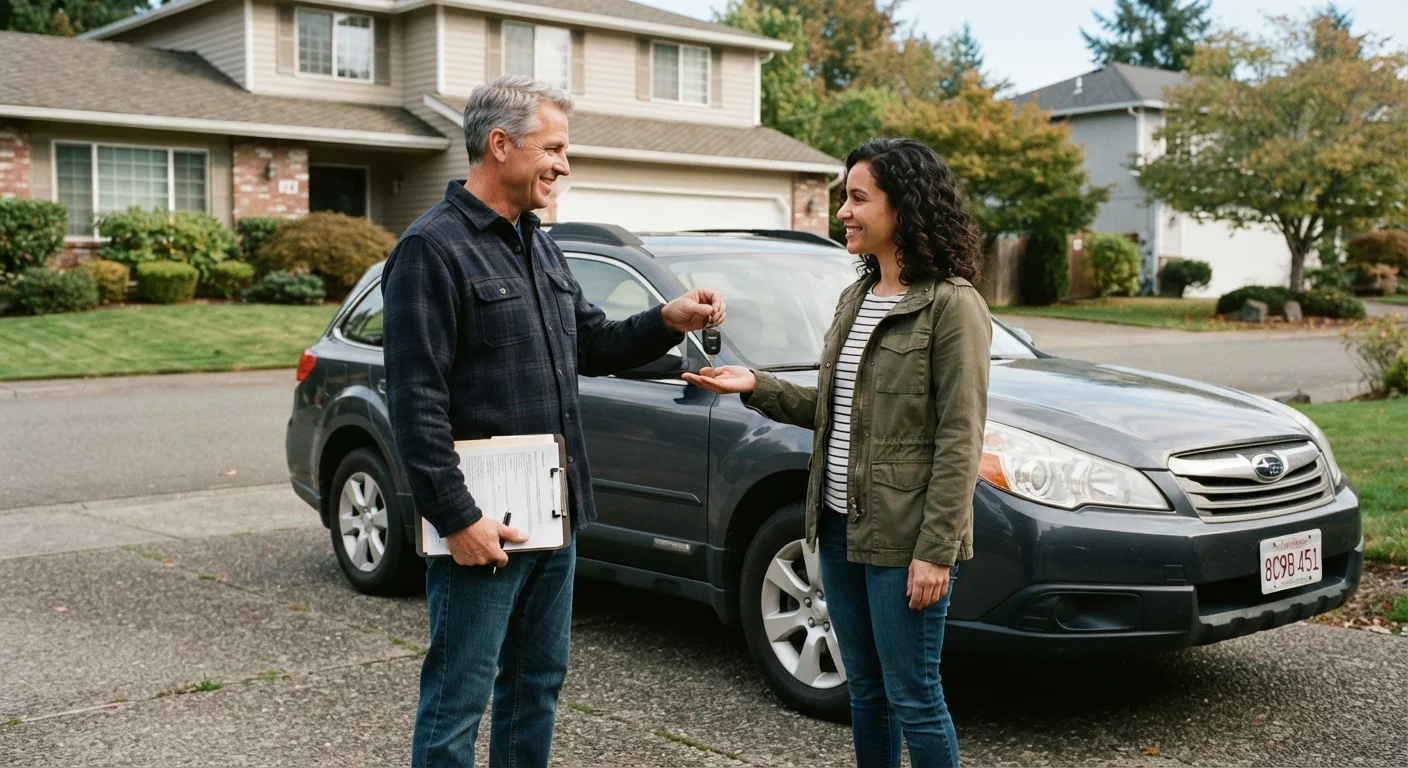
How Private Sales Differ From Dealership Purchases
Buying a car from a private individual rather than a dealership means trading convenience and consumer protections for the possibility of a lower purchase price. There is no sales team, no finance office, and no service department involved - just two parties agreeing on a transaction. That simplicity also means every safeguard is your responsibility.
Dealerships are regulated businesses subject to federal and state consumer protection laws, licensing requirements, and disclosure obligations. Private sellers generally are not. You cannot rely on implied warranties, return policies, or arbitration processes that may exist in dealer transactions. For a broader look at how these options compare, see our comparison of new, used, and CPO vehicles.
Financing also works differently. Private sellers cannot offer in-house loans. If you need to borrow to buy, you must arrange a pre-approved auto loan through a bank or credit union before completing the transaction. Our guide to financing options explains how that process works.
No Warranty, No Returns in Private Sales
Unlike certified pre-owned or dealership purchases, private vehicle sales in the US are almost always sold 'as-is.' This means once the transaction is complete, the seller bears no legal obligation for mechanical problems that emerge afterward. There is no cooling-off period for vehicle sales in most states. Conduct all inspections before signing anything.
What You Need Before You Start
Preparation before you contact any seller significantly reduces risk. Set a firm budget that accounts for the purchase price plus registration fees, taxes, insurance changes, and any immediate maintenance identified in an inspection. If you're newer to the process, our first-time buyer guide covers the foundational steps in plain language.
What you will need
Vehicle History Report Service (e.g., NMVTIS-authorized provider)
Reveals accident history, title status, odometer readings, and salvage or flood designations.
Independent Pre-Purchase Inspection (PPI)
A licensed mechanic evaluates the vehicle's mechanical condition before you commit to buying.
Bill of Sale Template
Documents the agreed price, vehicle details, and both parties' information for legal record-keeping.
Pre-Approved Auto Loan
Secures financing before the transaction since private sellers cannot offer dealer financing.
Step-by-Step: The Private Sale Process
Follow these steps in order. Skipping verification steps - even when a seller seems trustworthy - is how buyers end up with vehicles that have hidden problems, outstanding liens, or fraudulent titles.
Research the Vehicle and Confirm the Listing is Legitimate
Before contacting the seller, cross-reference the vehicle identification number (VIN) - a 17-character code on the dashboard and door jamb - against public databases. Verify that the listed price is consistent with published market valuations for that make, model, year, mileage, and condition. If a price seems unusually low with no explanation, treat it as a warning sign rather than a bargain.
Confirm the seller's identity matches the name on the title before arranging a meeting. Conduct initial communications through the listing platform's messaging system where possible.
Obtain a Full Vehicle History Report
A vehicle history report uses the VIN to surface records including prior accidents, insurance claims, odometer rollback flags, lien status, number of previous owners, and whether the title is clean, salvage, or rebuilt. This is a non-negotiable step - do not rely on the seller's verbal account of the car's history.
Reports do not capture every incident (unreported accidents won't appear), so treat them as one layer of due diligence, not a complete picture.
Conduct a Thorough Physical Inspection
Arrange to see the vehicle in daylight at a neutral location. Walk around the exterior looking for paint mismatches, panel gaps, rust, or signs of prior body repair. Inspect the interior for water damage, unusual odors, and wear inconsistent with the stated mileage. Check all controls, lights, and the HVAC system.
For a comprehensive checklist covering exterior, interior, mechanical, and documentation checks, see our pre-purchase inspection guide.
Arrange an Independent Mechanic Inspection
A pre-purchase inspection (PPI) by a mechanic you select - not one recommended by the seller - is the single most effective way to uncover hidden mechanical problems. The mechanic should inspect the engine, transmission, brakes, suspension, exhaust system, and look for signs of fluid leaks or deferred maintenance. Budget roughly $100-$200 for a thorough PPI depending on your area.
If the seller refuses to allow an independent inspection, consider that a significant red flag and reconsider the purchase.
Negotiate the Price Based on Findings
Use documented findings - the history report, mechanic's notes, and comparable market prices - as the basis for any price negotiation. Identified maintenance needs, upcoming service items, or minor damage provide specific, factual grounds for requesting a lower price. Avoid emotional pressure tactics; private sellers are not obligated to negotiate.
Review the Title and Complete Paperwork
The seller must provide the original, physical title (also called the certificate of title or pink slip in some states). Confirm the VIN on the title matches the vehicle, that the seller's name matches their photo ID, and that no lienholder is listed - or that lien release documentation is provided. Both parties sign the title according to your state's DMV instructions.
Complete a bill of sale recording the agreed price, date, odometer reading, and both parties' details. Keep a copy. Submit the signed title and applicable fees to your state DMV within the required timeframe to complete the ownership transfer and register the vehicle in your name.
Handle Payment and Collect the Keys
Exchange payment only after all paperwork is reviewed and signed. Never hand over money before physically holding the signed title. Arrange your chosen payment method in advance and confirm with the seller how funds will be exchanged. Once payment clears and the title is signed over, collect all keys, any available service records, owner's manuals, and spare parts.
[tip_callout]After the Sale: Registration and Insurance
Once you have the signed title and bill of sale, contact your insurance provider to add the vehicle to your policy before driving it. Most states require proof of insurance to register a vehicle. Submit your title transfer paperwork and registration fees to your state DMV within the window specified by your state - typically 10 to 30 days. Driving on an unregistered or uninsured vehicle exposes you to fines and liability.
Keep copies of all transaction documents - the bill of sale, title transfer receipt, vehicle history report, and inspection notes - in a secure location. If any title or registration issues surface later, these records will be essential.
Watch for Title Red Flags
A salvage title, rebuilt title, or title that doesn't match the seller's ID are all serious red flags that can affect insurability, resale value, and road legality. Never hand over payment before physically reviewing the title and confirming it is clean and lien-free. If the seller claims the title is 'on the way,' walk away.