
Why First-Time Buyers Consistently Miss the Real Number
The car-buying process is designed around one figure: the purchase price. Every listing, ad, and financing offer anchors to it. But the purchase price, whether paid in full or financed, is only the entry point. The actual cost of owning and operating a vehicle is substantially higher - and for first-time buyers who haven't lived with these expenses before, the gap between expectation and reality can seriously strain a budget.
If you're preparing to buy your first car, our primer for first-time car buyers covers the full landscape of what to consider before you start shopping. This article focuses specifically on the recurring and often-overlooked costs that tend to catch new owners off guard.
$12,000+
Estimated average annual car ownership cost in the U.S.
AAA's annual 'Your Driving Costs' study consistently finds total ownership costs - including depreciation, fuel, insurance, and maintenance - exceed $10,000-$12,000 per year for many vehicle categories.
~15-25%
Typical value lost in first year of new car ownership
Automotive industry analysts broadly estimate new vehicles lose between 15% and 25% of their value in the first year, with the steepest depreciation front-loaded in the ownership period.
6-7 years
Average U.S. auto loan term length today
According to Experian's State of the Automotive Finance Market reports, the average new-vehicle loan term in the U.S. has extended to roughly 69 months in recent years, increasing total interest paid.
The Six Mistakes That Blow First-Time Buyers' Budgets
Each of the errors below has the same root cause: the focus stays on acquiring the car rather than on the full financial picture of owning it. Working through these systematically before you commit to a purchase gives you a realistic monthly and annual ownership figure - which is the number that actually matters for your financial wellbeing.
Treating the sticker price as the total budget without accounting for taxes, title, and registration fees.
Why it happens: Advertising and online listings almost always display the pre-tax price, making the final out-the-door number a surprise for unprepared buyers.
Underestimating how fast depreciation erodes a vehicle's value, especially in the first three years.
Why it happens: Depreciation is an invisible cost - it doesn't appear as a bill, so it's easy to overlook when building a monthly budget.
Assuming insurance costs will be modest without getting actual quotes for the specific vehicle.
Why it happens: Young drivers tend to base insurance expectations on general estimates or what family members pay, without accounting for age surcharges and vehicle-specific rating factors.
Budgeting only for fuel without factoring in maintenance schedules, tires, and unexpected repairs.
Why it happens: When a car is new or newly purchased, it feels reliable - scheduled maintenance feels distant, and repair costs feel hypothetical.
Ignoring the annual cost of registration renewals and state-mandated inspections.
Why it happens: These costs are paid infrequently and rarely mentioned during the buying process, so they disappear from a buyer's mental budget.
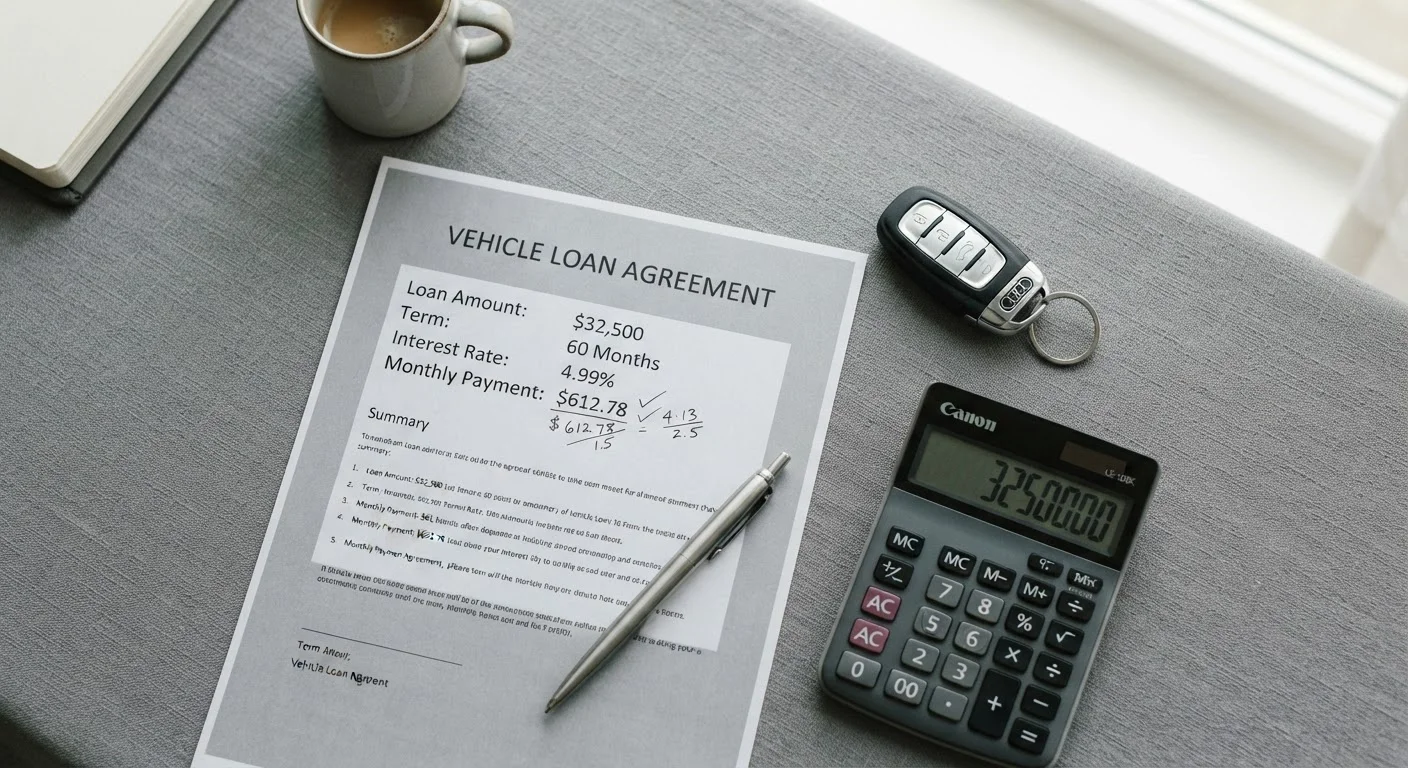
Choosing a vehicle based on the monthly payment alone, without evaluating the loan's total interest cost.
Why it happens: Stretching a loan term lowers the monthly figure, which can make an unaffordable vehicle appear affordable on paper.
Don't Skip the Insurance Quote Step
Many buyers research a car thoroughly but only check insurance rates after purchase - when it's too late to walk away easily. Insurance premiums depend on your age, driving history, ZIP code, and the specific vehicle's safety and theft ratings. A car with a low sticker price can carry surprisingly high premiums. Always get insurance quotes for any car you're seriously considering before committing to a purchase.
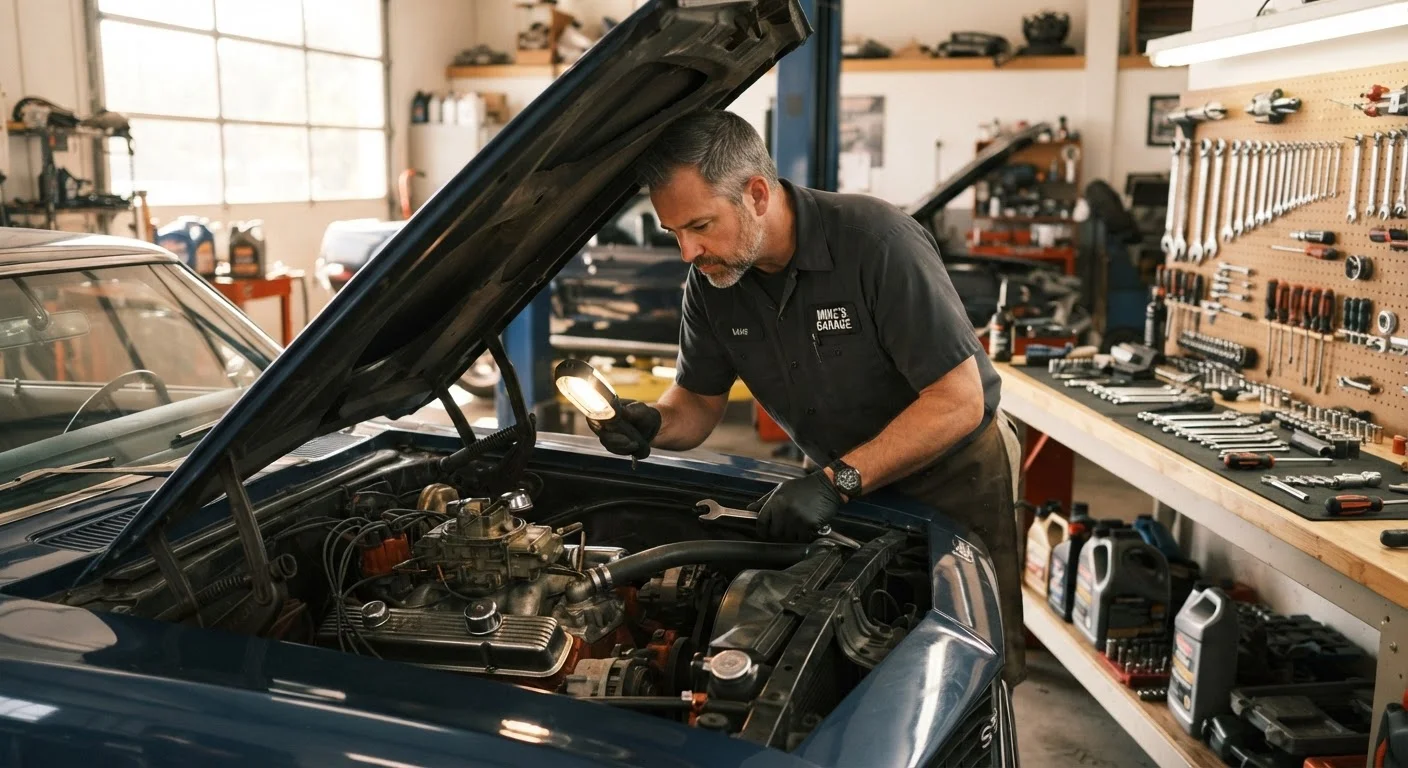
Driving behaviors also affect costs in ways that aren't immediately obvious. Everyday habits that accelerate vehicle wear can quietly compress service intervals and reduce the lifespan of tires, brakes, and other components - raising your true annual maintenance cost beyond what the manufacturer's schedule alone would suggest.
Building a Realistic Ownership Budget Before You Buy
The most effective approach is to build a complete monthly ownership estimate for any vehicle you're seriously considering. Include the following line items:
- Loan payment or opportunity cost of capital (what financing actually costs over the full term)
- Insurance premium (based on real quotes for that specific vehicle)
- Fuel (estimated from the vehicle's EPA rating and your actual expected mileage)
- Routine maintenance reserve (oil changes, filters, scheduled inspections amortized monthly)
- Tire replacement reserve (tires have finite lifespans; spread the replacement cost across months of use)
- Registration and inspection fees (annualized and divided by 12)
- Depreciation awareness (especially relevant if you plan to sell or trade within a few years)
Adding these together produces a true monthly cost of ownership - a much more useful number than the payment figure alone. For a complete walkthrough of the buying process from research through signing, see The Full Car-Buying Journey.
Budget the Full Cost, Not Just the Payment
Industry estimates suggest the average annual cost of car ownership in the U.S. - factoring in fuel, insurance, maintenance, depreciation, and financing - consistently runs well above $10,000 per year for many drivers. Focusing only on the monthly loan payment is one of the most financially damaging mistakes a first-time buyer can make. Before signing anything, calculate every recurring cost to confirm the vehicle genuinely fits your income.
Car ownership is a long-term financial commitment. Entering it with a complete picture of recurring costs - not just the excitement of the purchase - puts you in a genuinely stronger position from day one.