Why Everyday Habits Do More Damage Than Road Conditions
Most drivers associate mechanical wear with big events - a pothole strike, a fender bender, or a missed service. In practice, the highest cumulative damage often comes from small, repeated behaviours that seem completely harmless in isolation. The problem is that wear caused by habits compounds quietly over tens of thousands of miles, showing up as an unexpected repair bill rather than an obvious warning.
Understanding which habits matter - and why - means you can protect your vehicle without overhauling how you drive. The fixes are almost always simple once you know what to look for. For a broader foundation, see our guide to maintenance habits for new drivers.
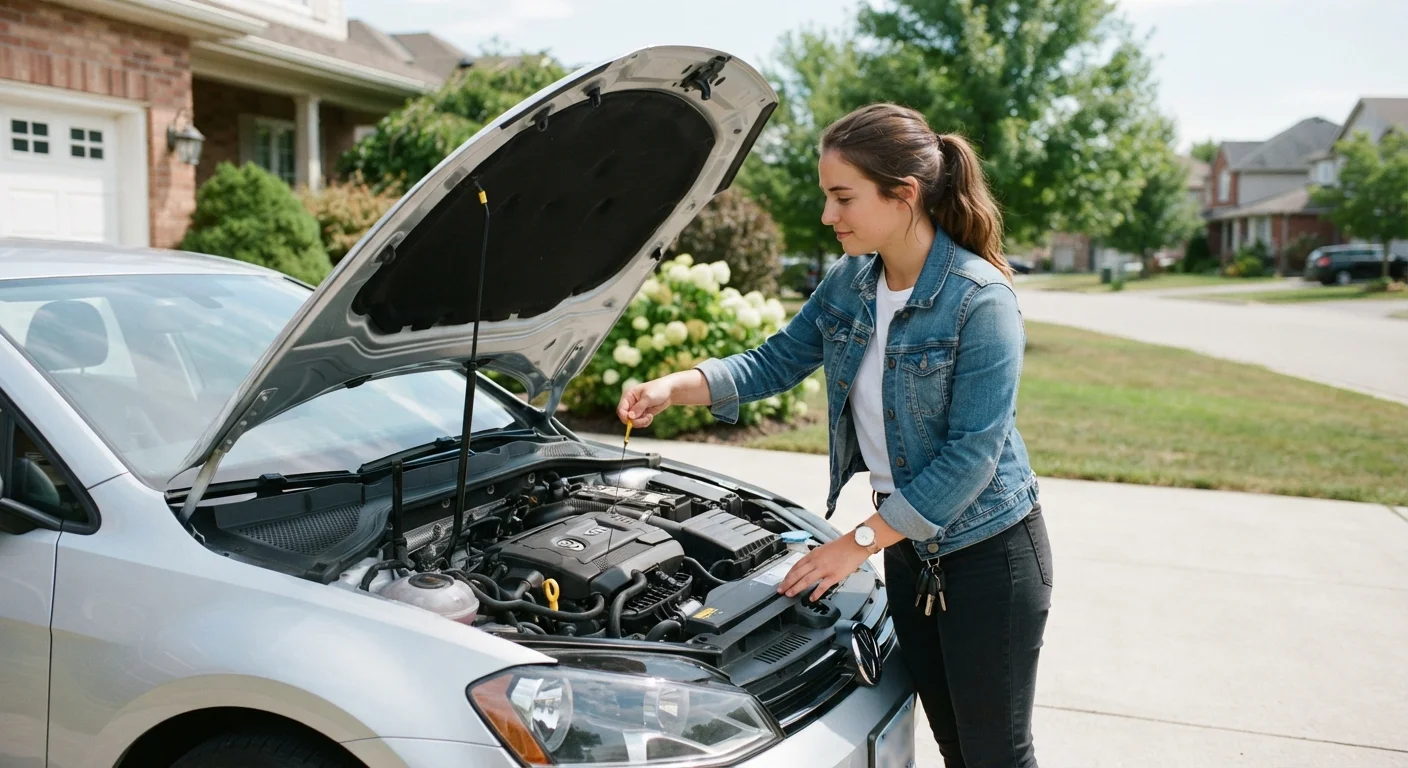
Taking frequent short trips that never allow the engine to fully warm up.
Why it happens: Urban commuters often drive under five miles each way, especially for errands. It feels trivial, but the engine never reaches the temperature needed for oil to flow efficiently or for combustion byproducts to burn off.
Resting your hand on the gear shifter while driving.
Why it happens: It feels like a natural, relaxed driving posture - and in older driving instruction it was sometimes modelled without comment. In reality, the shifter is mechanically connected to the selector fork inside the transmission, and even light hand pressure pushes it against the rotating collar.
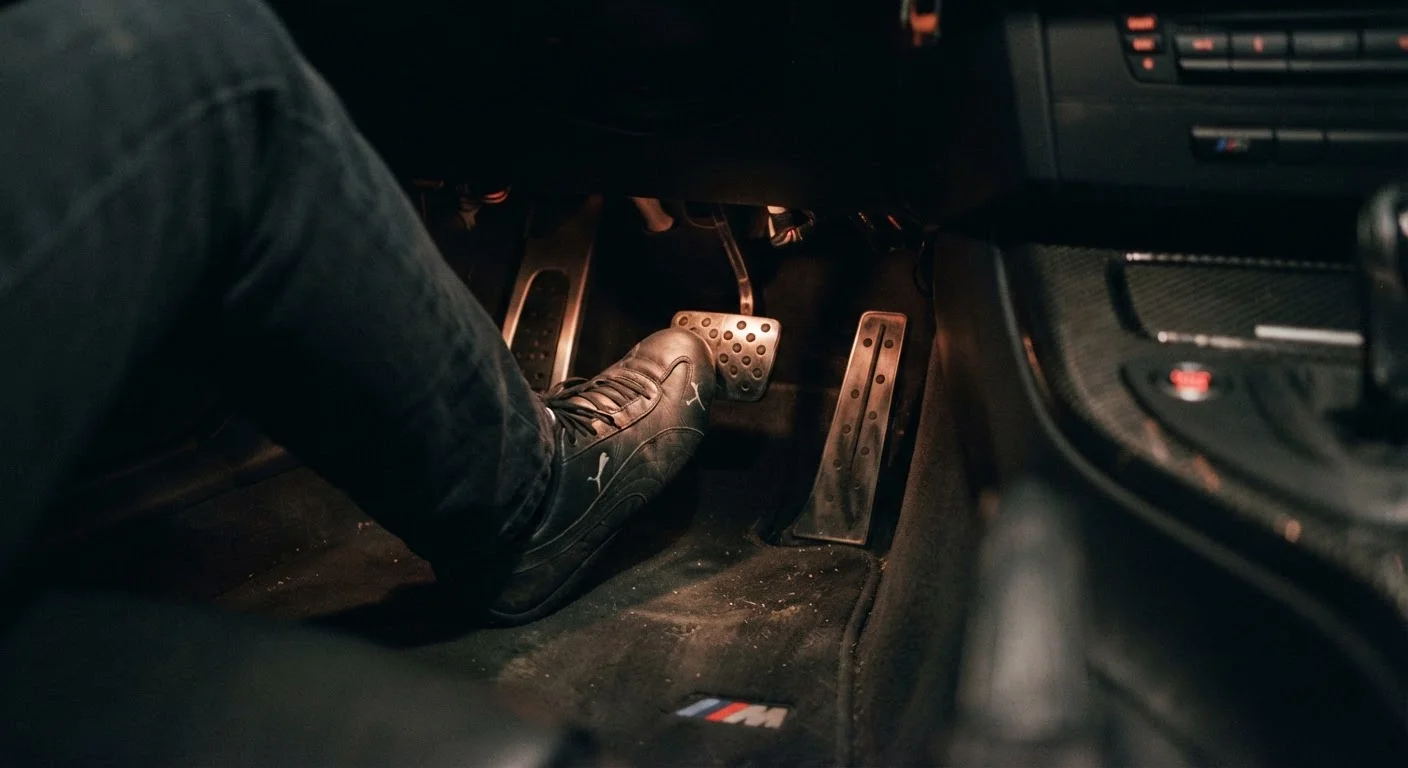
Riding the brake pedal continuously on downhill roads rather than using engine braking.
Why it happens: Drivers instinctively keep their foot covering the brake for reassurance on steep descents, applying light but sustained pressure. This generates sustained heat in the rotors and pads without allowing them to cool.
Overloading the vehicle beyond its rated payload capacity.
Why it happens: Most drivers have never checked their vehicle's Gross Vehicle Weight Rating (GVWR) - the maximum total weight the manufacturer deems safe. Heavy loads from moving furniture, tools, or camping gear can quietly exceed this limit.
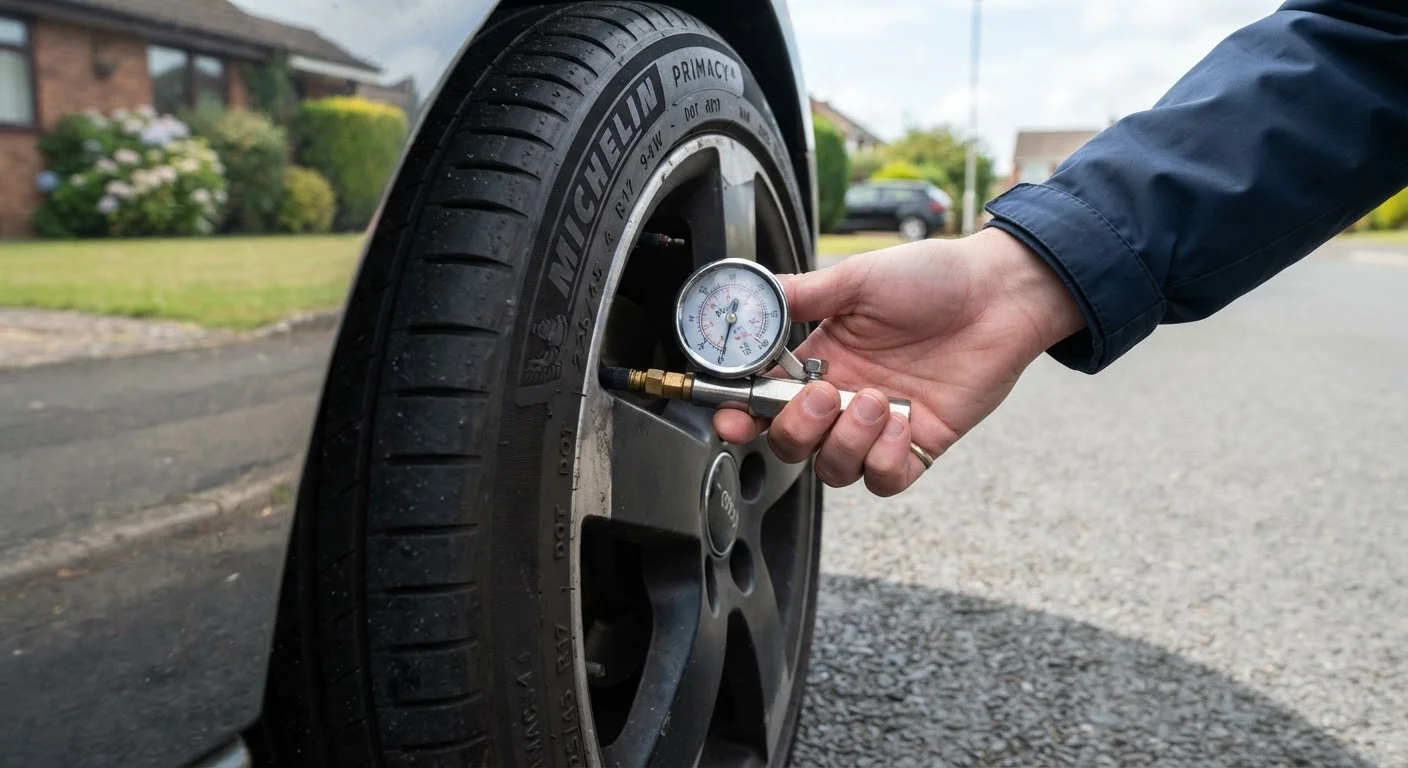
Ignoring tyre pressure until a warning light appears.
Why it happens: Tyres lose pressure gradually - typically around one PSI per month under normal conditions - and the change is barely visible to the eye until under-inflation is significant. Many drivers only check pressure reactively.
Accelerating or braking harshly as a default driving style.
Why it happens: Aggressive driving feels efficient and is often reinforced by city traffic patterns where assertiveness seems necessary to keep pace. But hard acceleration stresses the drivetrain, and late, heavy braking wears pads and rotors far faster than smooth, progressive stopping.
The Habits Worth Breaking Now
Cold Engine Damage Happens Fast
In the first few minutes after a cold start, engine oil hasn't fully circulated and metal components haven't expanded to their designed tolerances. Driving hard immediately - high revs, fast acceleration - causes measurably more wear than the same distance driven once the engine is warm. Give your engine a gentle first mile whenever temperatures have dropped overnight.
The six habits covered in this article sit at the intersection of extremely common and genuinely damaging. Several are linked to how the car is driven rather than what maintenance is performed - which means they fall outside the scope of a standard service schedule entirely.
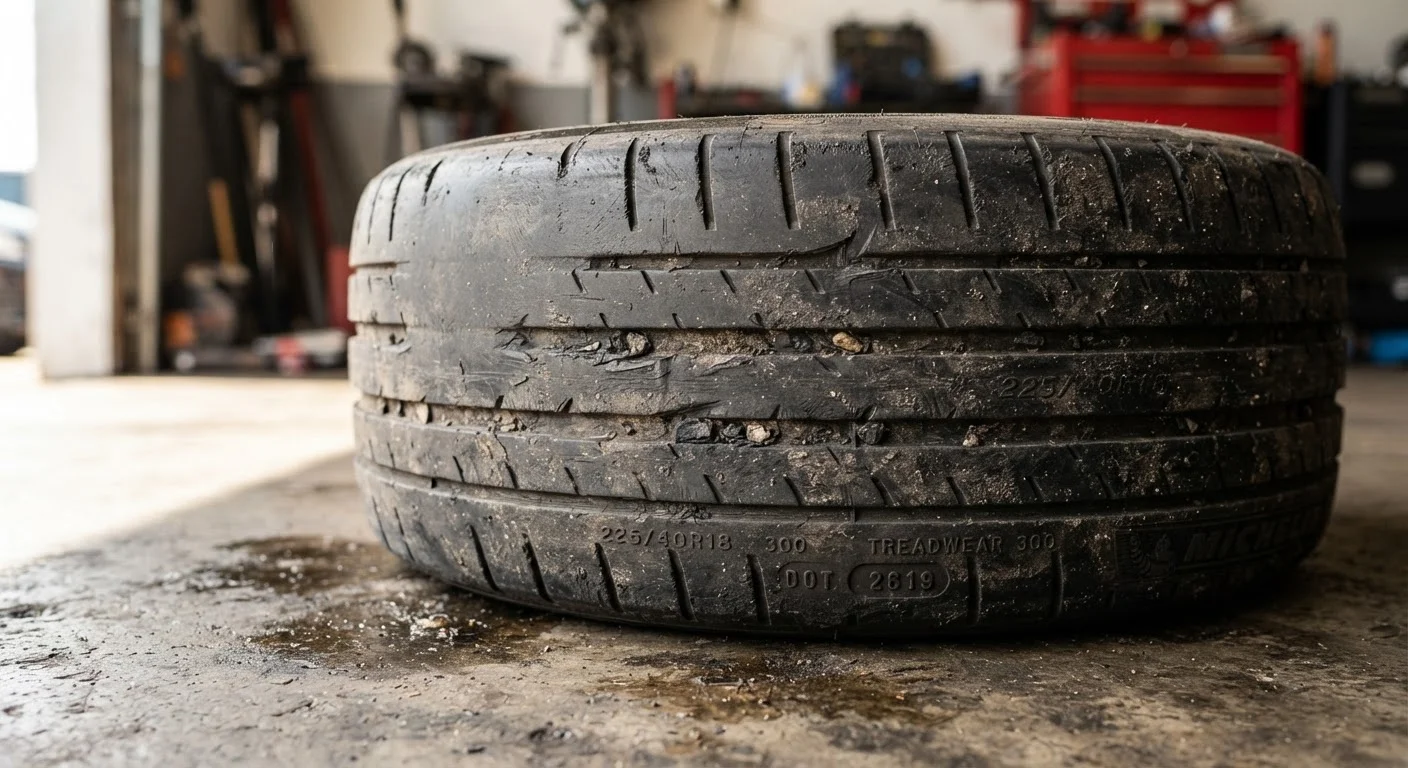
Tyre-related habits deserve particular attention. Under-inflated tyres don't just wear unevenly - they generate excess heat that degrades the rubber structure and reduces braking performance. Our article on why tyre pressure errors cost more than you think covers the numbers in detail. For understanding what uneven wear patterns are actually telling you mechanically, see reading your tyres' wear patterns.
~1 PSI
Monthly tyre pressure loss under normal conditions
Industry guidance consistently notes that tyres naturally lose around one PSI per month, making routine checks essential rather than optional.
Up to 80%
Of engine wear occurring during cold starts
Automotive engineering research indicates the majority of total engine wear occurs during the warm-up phase before oil fully circulates, underlining the cost of repeated cold short trips.
Braking habits are similarly underappreciated. The driver's guide to brake maintenance explains in depth how pad and rotor wear accumulates - and how driving style affects the timeline far more than most owners realise.
Brake Fade Is a Real Safety Risk
Sustained brake application on long descents causes brake fade - a condition where overheated pads and rotors lose friction efficiency. In severe cases, stopping distance increases dramatically. Use engine braking (downshift to a lower gear) to control speed on steep hills, applying the brakes in firm, brief intervals rather than holding them continuously.
If any of these habits have already put wear on your consumables sooner than expected, the real lifespan of your car's consumables is a practical reference for understanding what's genuinely due for replacement versus what still has life left.