Why Consumable Lifespans Vary More Than You'd Expect
Every car's owner manual lists replacement intervals, but those numbers assume average driving conditions - moderate climate, mixed urban and highway use, no unusual loads. Real-world driving rarely matches that baseline. City stop-and-go traffic, extreme heat or cold, dusty environments, and driving habits all shift the actual replacement timeline significantly.
The parts below - often called consumables - wear down through normal use and must be replaced periodically. Unlike a failed alternator or blown head gasket, these aren't surprises. With a basic reference, you can budget for them and catch deterioration early, before it causes collateral damage.
See our guide to driving habits that accelerate wear for a fuller look at how everyday behaviour shortens these intervals.
Part-by-Part Lifespan Reference
Wiper Blades
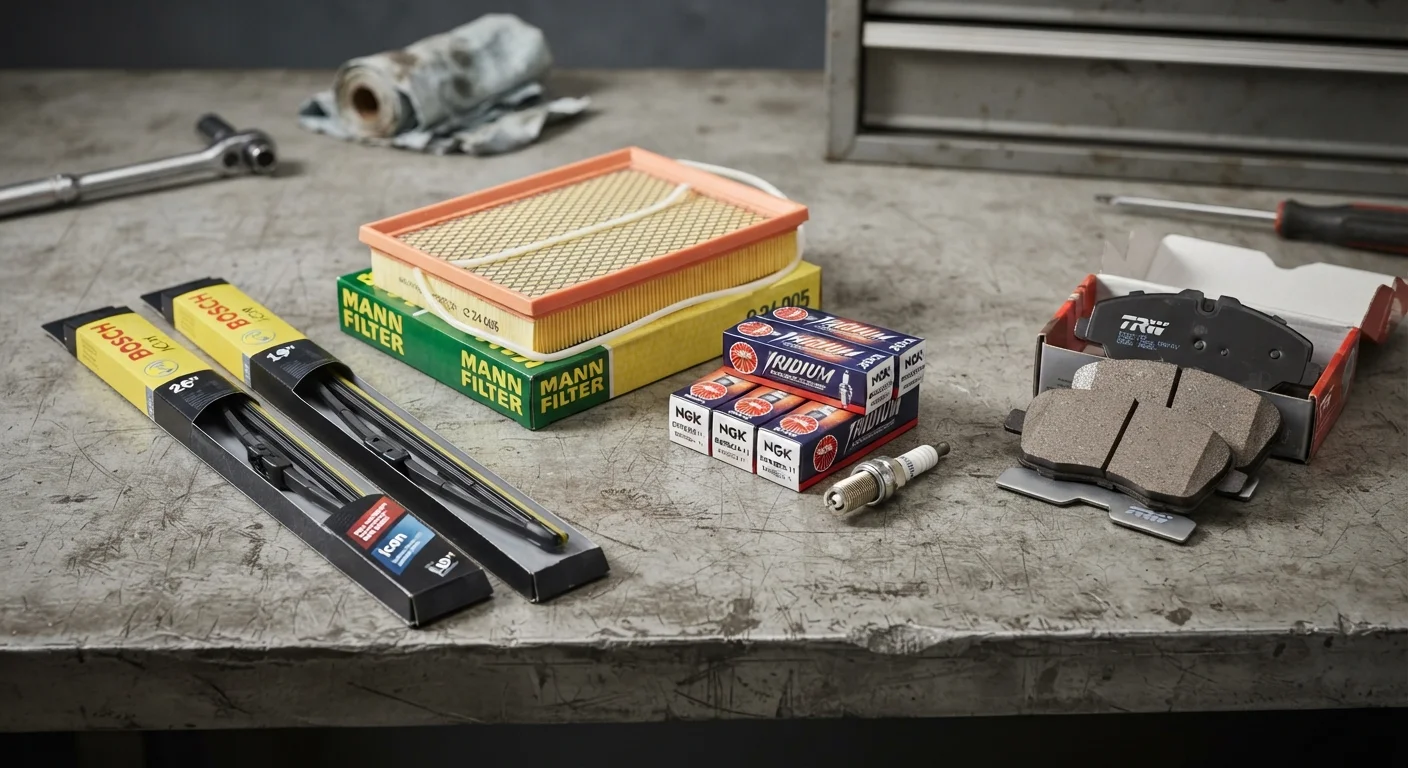
Typical interval: 6-12 months. Rubber degrades from UV exposure and temperature swings regardless of use. Replace sooner if blades streak, skip, or chatter across the glass. Drivers in sun-belt states or areas with heavy winter road salt often replace them annually or even more frequently. This is one of the simplest DIY maintenance tasks you can do yourself in minutes.
Engine Air Filter
Typical interval: 15,000-30,000 miles. A clogged air filter restricts airflow to the engine, reducing efficiency and potentially increasing fuel consumption. Drivers on unpaved roads or in dusty regions should check theirs closer to the 15,000-mile mark.
Cabin Air Filter
Typical interval: 12,000-15,000 miles or once per year. This filter cleans air entering the passenger compartment through the HVAC system. A blocked cabin filter reduces airflow from vents and can strain the blower motor. It also becomes relevant for allergy sufferers - a visibly grey, debris-laden filter is past due.
Spark Plugs
Typical interval: 30,000-100,000 miles depending on plug type. Standard copper plugs wear fastest; iridium and platinum plugs last significantly longer. Worn plugs cause misfires, rough idle, and reduced fuel economy. Your owner manual specifies the type your engine uses - don't substitute a shorter-lived plug and expect the same interval.
Brake Pads
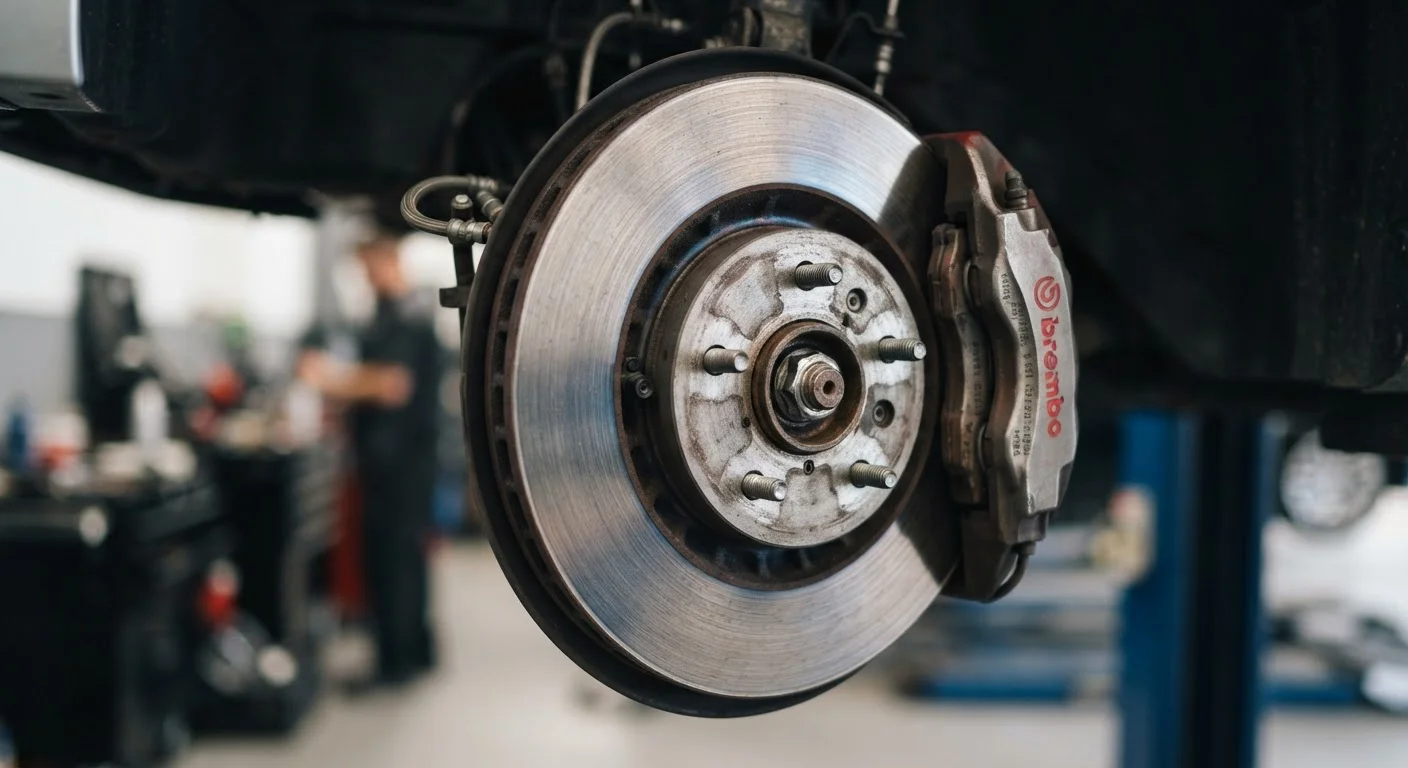
Typical interval: 25,000-65,000 miles. Aggressive braking, heavy loads, and hilly terrain all accelerate wear. Most pads include a metal wear indicator that produces a high-pitched squeal when friction material runs low - that sound is a service signal, not a suggestion. For a detailed breakdown of brake system maintenance, see our brake maintenance guide.
Engine Oil
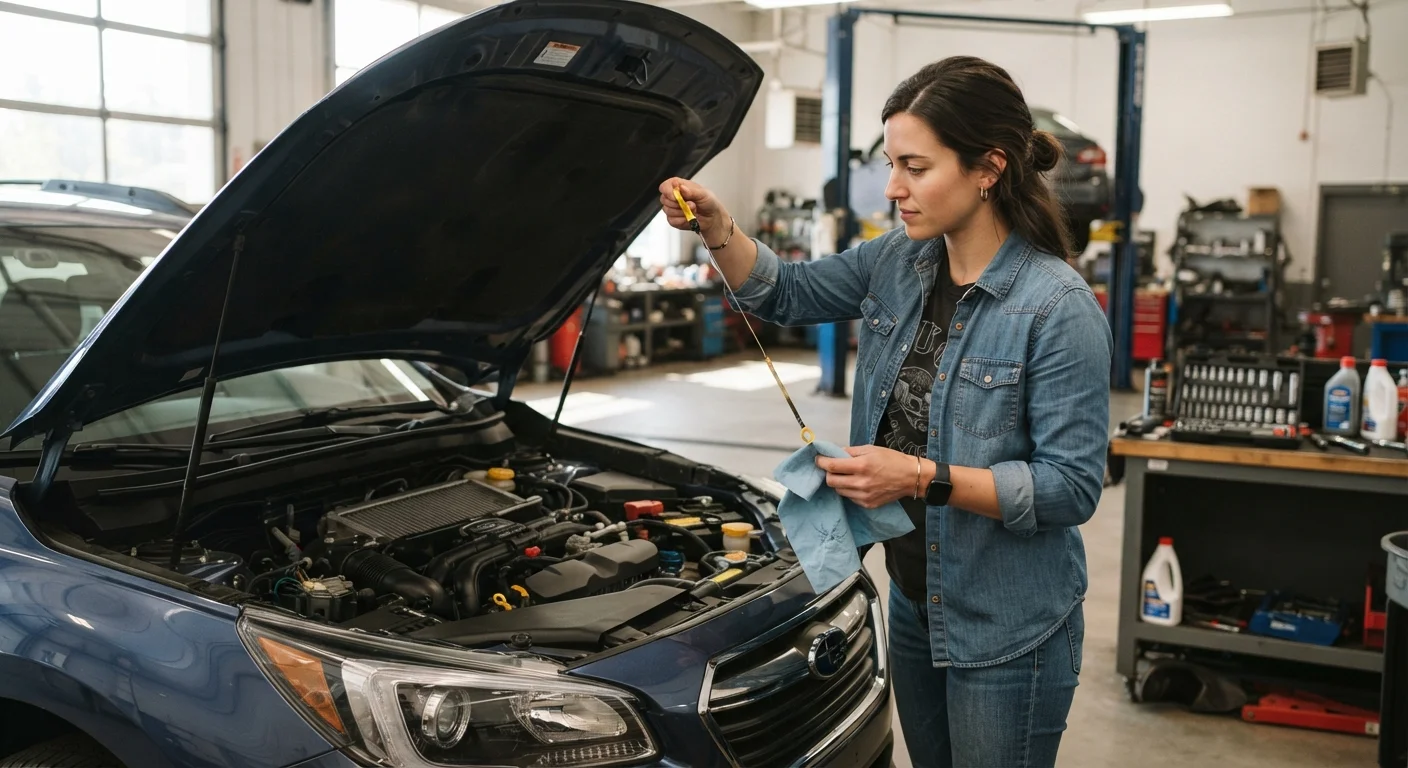
Typical interval: 5,000-10,000 miles for conventional oil; up to 15,000 miles for full synthetic, depending on vehicle and use. Short trips that never fully warm the engine are especially hard on oil quality. The real signals behind oil change intervals are worth understanding before you default to the old every-3,000-miles rule. For a deeper look at oil types, see our article on synthetic vs conventional engine oil.
Consumable
A vehicle component designed to wear down through normal use and be replaced periodically, such as brake pads, filters, or wiper blades.
Friction material
The compound layer on a brake pad that contacts the rotor to create stopping force. As it wears thin, braking performance degrades.
Wear indicator
A small metal tab built into brake pads that contacts the rotor and emits a squealing sound when the pad reaches its minimum safe thickness.
HVAC system
Heating, Ventilation, and Air Conditioning - the system that controls cabin temperature and airflow. The cabin air filter sits in this system's intake path.
Misfire
A failure of the spark plug to ignite the air-fuel mixture in one or more cylinders, causing rough running, vibration, or reduced power.
What Shortens Lifespan and How to Stay Ahead
Three factors consistently pull replacement intervals earlier than the manual suggests:
- Climate extremes: Prolonged heat degrades rubber components (wiper blades, belts, hoses) faster. Cold starts without a warm-up period put extra stress on engine oil and spark plugs.
- Driving style: Hard braking compresses brake pad life significantly. Frequent short trips prevent the engine from reaching optimal operating temperature, accelerating oil degradation.
- Environment: Dusty or heavily polluted air clogs both engine and cabin filters well ahead of mileage-based schedules.
The most practical approach is a visual check at every oil change - inspect wipers, check the air filter against the light, and ask a mechanic to eyeball pad thickness. Seasonal transitions are also a natural checkpoint; our seasonal car maintenance guide outlines what to inspect before summer and winter.
When in Doubt, Check the Owner Manual First
Every vehicle model has its own manufacturer-specified maintenance schedule, and intervals can differ substantially between engine types, trim levels, and model years. The ranges in this article are general industry guidance, not a replacement for your specific manual. If you've lost your manual, most automakers post digital versions on their official websites.
This article provides general vehicle maintenance information for educational purposes. Always consult your vehicle's owner manual and a qualified mechanic for guidance specific to your car's make, model, and condition.