Why Seasonal Shifts Matter More Than You Think
Most drivers maintain their cars on a mileage schedule - oil every 5,000 miles, tyres rotated every 7,500. That approach misses a critical variable: temperature. Extreme heat and cold affect fluids, rubber, metal, and electrical components in ways that mileage alone doesn't predict. A battery that performs adequately in July can fail to start your car in January. Tyre pressure that was correct last month may be dangerously low today.
Seasonal maintenance isn't about adding more tasks to your calendar. It's about making the right checks at the right time, so small degradation doesn't compound into an expensive or dangerous failure. This checklist walks through the systems most vulnerable to seasonal change, what to inspect, and when to call in a professional.
For a broader foundation on keeping up with your car's wear items, see the practical lifespan guide for consumables - it adds useful context to several items on this list.
Battery & Electrical
Tyres
Fluids
Wipers, Belts & Brakes
What You'll Need to Work Through This Checklist
You don't need a full garage setup to complete most of these checks. The items below cover the basics for a thorough seasonal audit. Some tasks - particularly battery load testing and brake inspections - are best handled by a qualified mechanic if you're not confident doing them yourself.
Tyre pressure gauge
Accurately measures tyre pressure cold so you can compare against the door-jamb specification.
Antifreeze/coolant tester
Measures the freeze-protection level of your coolant mix - a hydrometer or refractometer type both work.
Tread depth gauge
Gives a precise measurement of remaining tread depth in 32nds of an inch across the tyre width.
Multimeter or battery tester
Checks resting battery voltage; a full load test requires shop equipment but resting voltage provides a basic starting point.
Terminal cleaning brush
Removes corrosion from battery terminals to ensure a clean electrical connection.
Torch/flashlight
Essential for inspecting tyres, belts, hoses, and fluid reservoirs in low-light engine bays.
If you're unsure which tasks fall within DIY territory, the DIY vs. professional maintenance guide provides a clear breakdown of where the line sits.
Don't mix coolant types or dilute with tap water
Different coolant formulations - OAT, HOAT, and conventional - are not universally compatible, and mixing them can cause silicate dropout that clogs your cooling system. Always use distilled water when topping up, and confirm the coolant type specified in your owner's manual before adding anything.
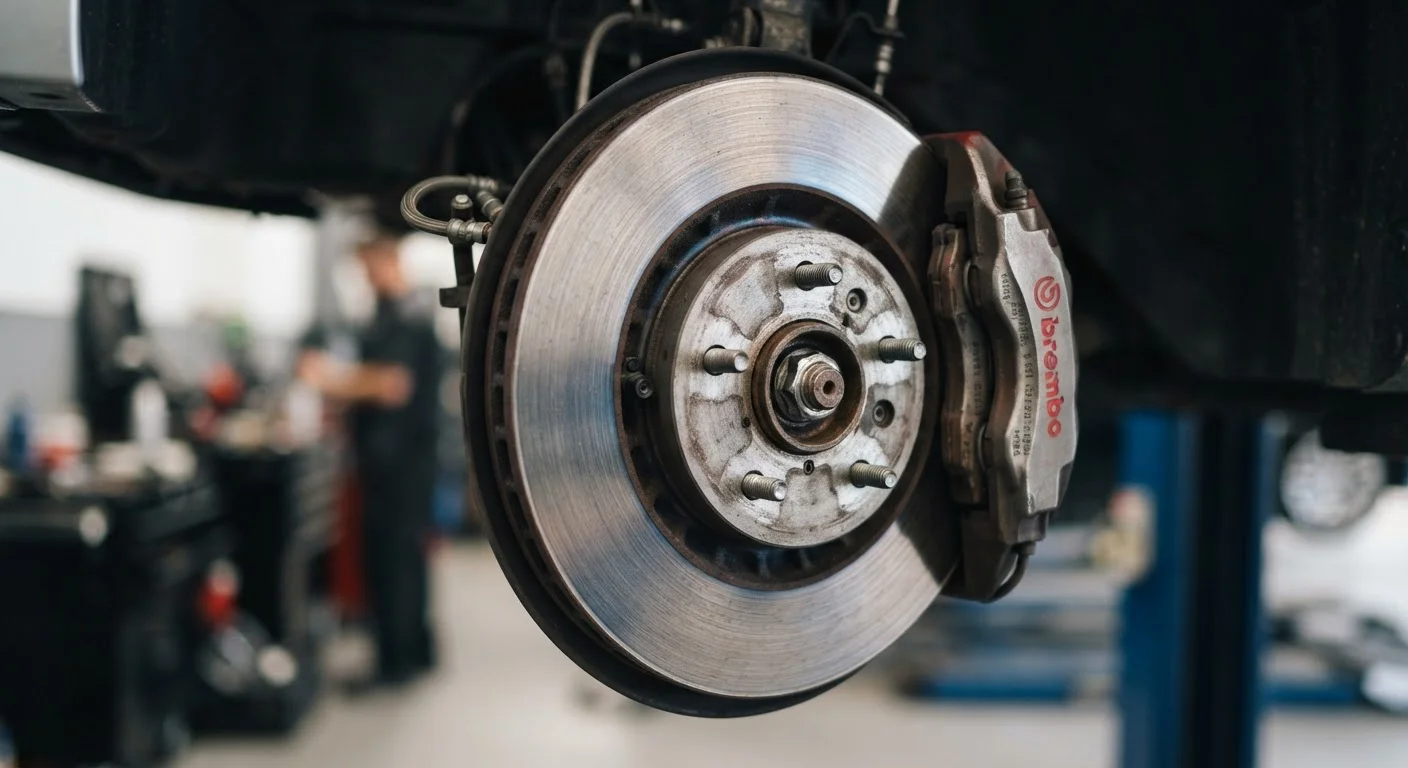
Brake inspections are not optional guesswork
If your brake pedal feels soft, pulsates, or you hear metal-on-metal grinding, do not delay inspection until your next scheduled service. These symptoms indicate components that may already be beyond safe operating limits. Have the vehicle assessed by a qualified mechanic before your next significant drive.
After the Checklist: Building It Into Your Routine
Work through this list at each major seasonal transition - ideally before the temperature extremes arrive, not after the first cold snap or heat wave. Tie it to something predictable: daylight saving time changes are a convenient twice-yearly trigger used by many safety organisations for battery and tyre checks.
For any brake-related findings, don't delay. The brake maintenance guide explains exactly what degraded pads and low fluid mean for stopping distance and when the issue becomes urgent. Similarly, fluid checks every driver should know is a practical reference for locating and reading each reservoir safely between services.
Unplanned repairs are one of the more common financial shocks for vehicle owners. Staying ahead of seasonal degradation is one of the more reliable ways to reduce that risk - and worth factoring into any emergency fund planning you're doing.
Cold weather reveals pre-existing problems
A battery, tyre, or belt that is borderline adequate in mild temperatures will often fail outright when temperatures drop. Seasonal checks are most valuable when done before the season changes - not after the first cold morning reveals a problem. Build the habit of running through this list in early autumn and again in early spring.