The Number on the Door Jamb Is the One That Matters
Most drivers have glanced at the large numbers stamped on their tyre sidewalls - often something like Max. Press. 51 PSI - and assumed that's where to aim. It isn't. That figure is the maximum pressure the tyre casing can safely hold, not the operating target for your vehicle.
The correct pressure is on your door placard: a sticker on the inside edge of the driver's door, or sometimes in the glove box or fuel filler flap. It's set by the vehicle manufacturer to balance load capacity, handling, fuel efficiency, and tyre life for that specific car. Front and rear pressures are sometimes different, so check both.
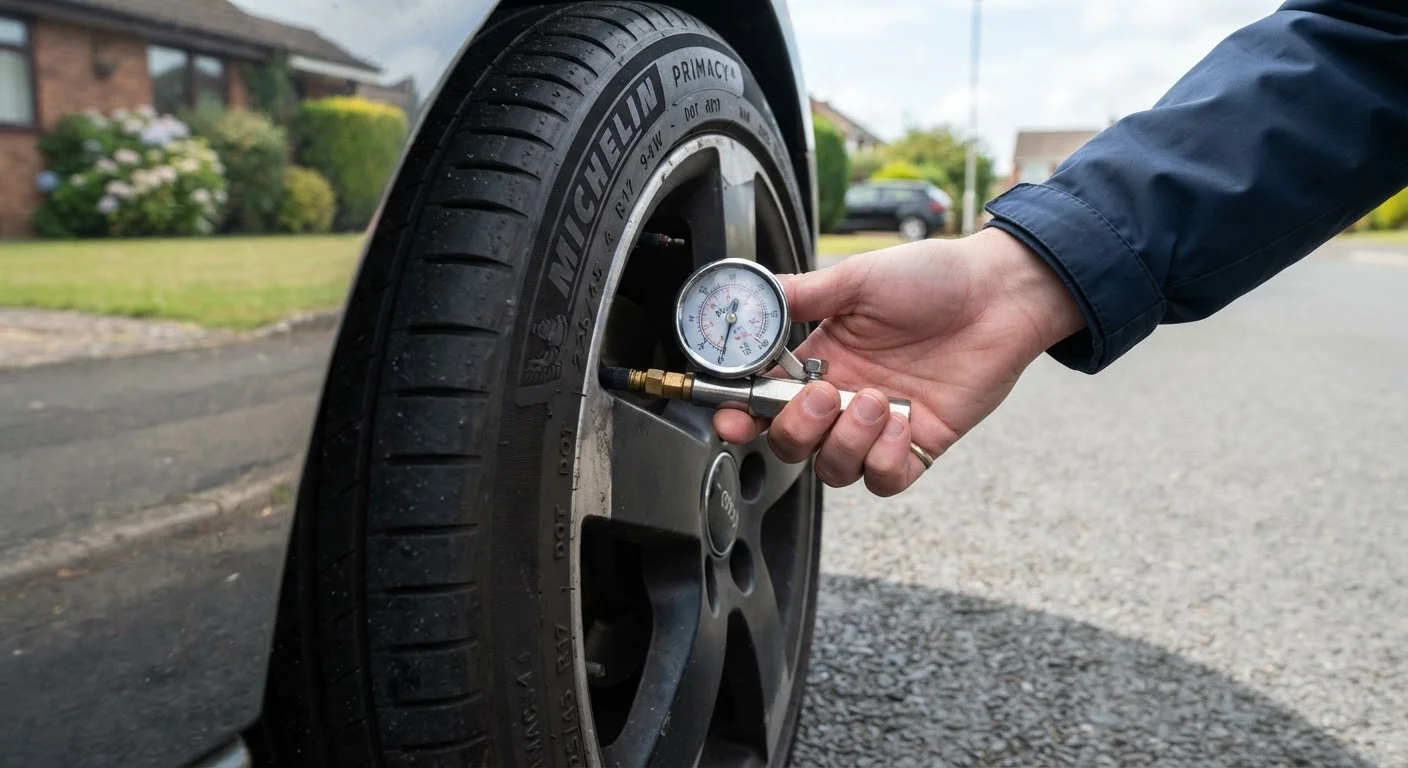
Checking tyre pressure is one of the simplest self-maintenance tasks you can do - it requires only a quality gauge and two minutes - but only if you know which number you're aiming for.
What Under-Inflation Actually Does to Your Tyres and Wallet
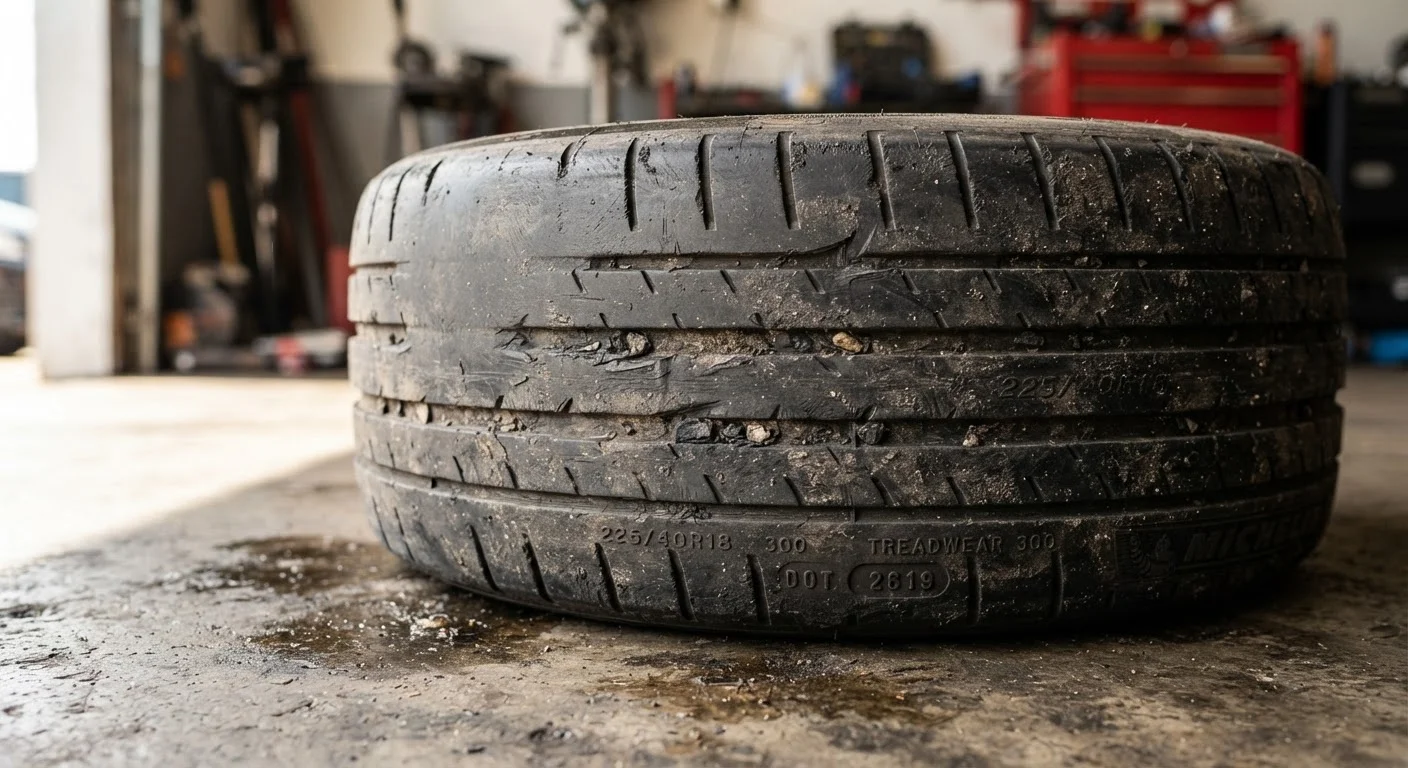
Under-inflation is the more common and more costly problem. When a tyre is soft, it flexes more than it should with each rotation. That excess flexing generates heat, which degrades the rubber compound and internal structure over time. The practical consequences are significant:
- Accelerated shoulder wear: The tyre's edges bear disproportionate load, wearing faster than the centre. Wear patterns like this are a reliable signal of chronic low pressure.
- Reduced fuel economy: A softer tyre creates more rolling resistance. The US Department of Energy has noted that under-inflated tyres can lower fuel economy measurably - fractions of a mile per gallon add up over tens of thousands of miles.
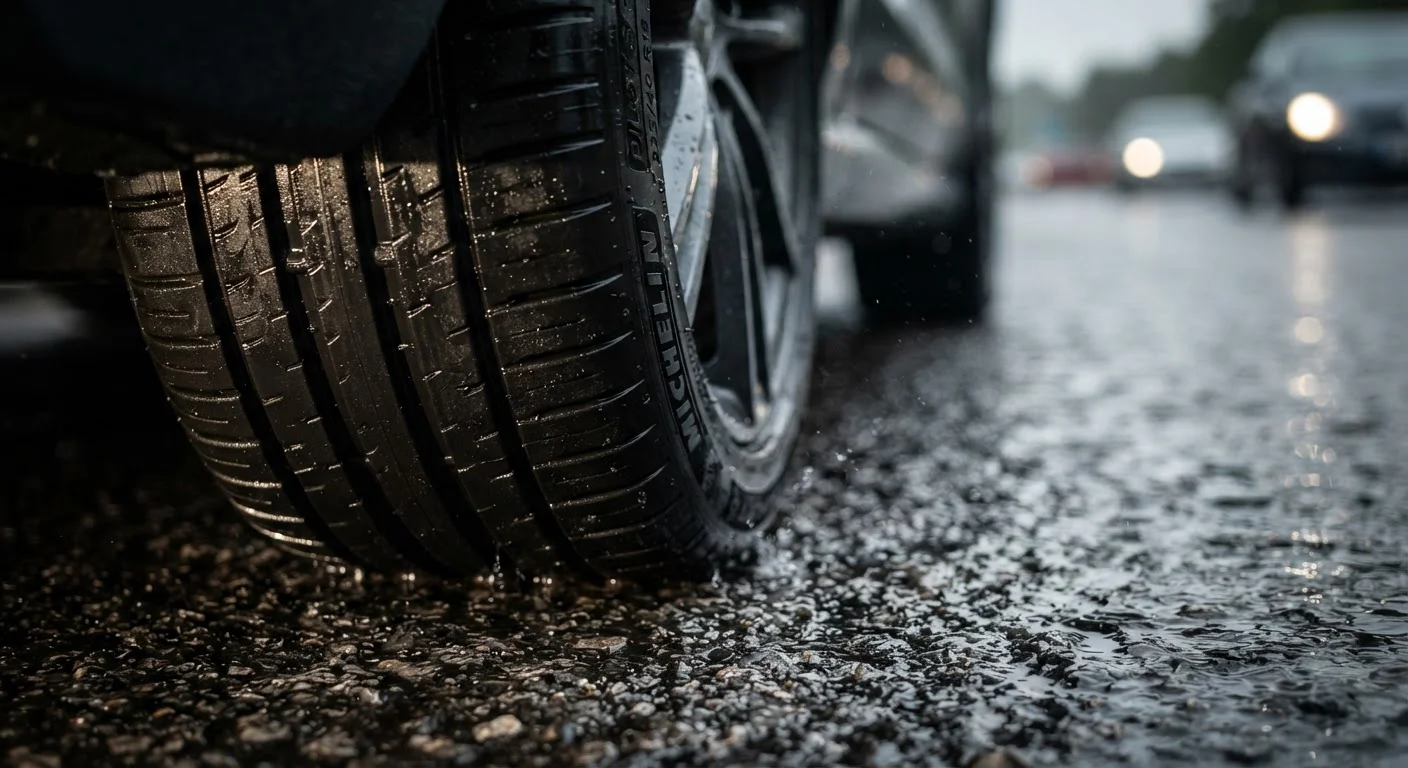
- Longer braking distances: An under-inflated tyre distorts under braking load, reducing the consistency of the contact patch. Tyre condition and inflation pressure together are among the most influential variables in real-world braking performance.
~1 PSI
Pressure lost per 10°F temperature drop
A consistent relationship between ambient temperature and tyre inflation, widely cited by tyre manufacturers and the US Department of Energy.
25%
Below recommended pressure before TPMS activates
Federal Motor Vehicle Safety Standard 138 requires TPMS to warn when any tyre reaches 25% below the placard pressure - a meaningful deficit already.
1-2 PSI
Typical monthly pressure loss without a puncture
Natural permeation through the tyre rubber and valve means pressure drops gradually even in a perfectly undamaged tyre.
Over-Inflation: Fewer Problems, But Still Problems
An over-inflated tyre is too rigid. The contact patch - the footprint of rubber that actually touches the road - shrinks toward the centre, causing the centre tread to wear faster while the shoulders remain relatively fresh. You'll also notice a harsher, bouncier ride, and the tyre becomes more vulnerable to impact damage from potholes or road debris because there's less air cushion to absorb the shock.
Over-inflation is more likely after a well-intentioned trip to a gas station pump that lacks a precise gauge, or when a driver incorrectly targets the sidewall maximum. It's a correctable mistake, but one worth avoiding.
Check Pressure in the Morning, Before You Drive
The most accurate readings come from cold tyres - ideally before the car has moved that day. Even a short drive warms the air inside enough to raise the gauge reading by 2-4 PSI, which can make a low tyre appear correctly inflated. Make it a monthly habit on the same morning you check your oil or fluids.
Temperature, Seasons, and the 1-PSI Rule
Air pressure changes with temperature. For every 10°F drop in ambient temperature, tyre pressure falls by approximately 1 PSI. In practical terms, a tyre that was correctly inflated in late summer at 75°F could read 3-4 PSI low on a 35°F winter morning - without any slow leak.
This is why autumn is a common time for TPMS warning lights to appear and why seasonal pressure checks are worth building into your routine. Neglecting seasonal adjustments is one of those quiet habits that quietly shortens tyre life and raises running costs over time.
Always check and adjust pressure when tyres are cold - parked for at least three hours or driven fewer than one mile. Warm tyres read higher because heat expands the air inside, which can mask a genuine pressure deficit.
Nitrogen vs. Air: Does It Matter?
Some tyre shops offer nitrogen inflation, which is drier than compressed air and expands less with temperature changes. While nitrogen can result in slightly more stable pressure over time, the real-world difference for most everyday drivers is modest. Consistent monthly checks with regular air will deliver the same practical benefits without the added cost.
Building a Simple Pressure-Check Habit
The TPMS system fitted to all US vehicles manufactured from 2008 onward is a safety net, not a maintenance tool. It activates when pressure falls roughly 25% below the placard figure - by which point the tyre is already experiencing excess stress. Relying on the light means you're always reacting rather than preventing.
A better approach: invest in a reliable digital or dial gauge (far more accurate than the pencil-type gauges at many gas stations), note your door placard pressures, and check all four tyres once a month. It takes less time than refuelling. If you consistently find one tyre losing pressure faster than the others, that's a cue to have it inspected for a slow leak - don't just keep topping it up. This kind of small, consistent attention is exactly the type of maintenance habit that separates informed drivers from those paying for avoidable repairs.