The Core Difference: Scale and Energy
Lisbon is a capital city that behaves like one. With a metropolitan population above 2 million and constant international traffic, it moves fast. The Alfama district and LX Factory offer concentrated character, but you'll work harder to escape the tourist layer. That said, the city's scale is a feature: you can take a 40-minute train to Sintra or Cascais and genuinely feel like you've left.
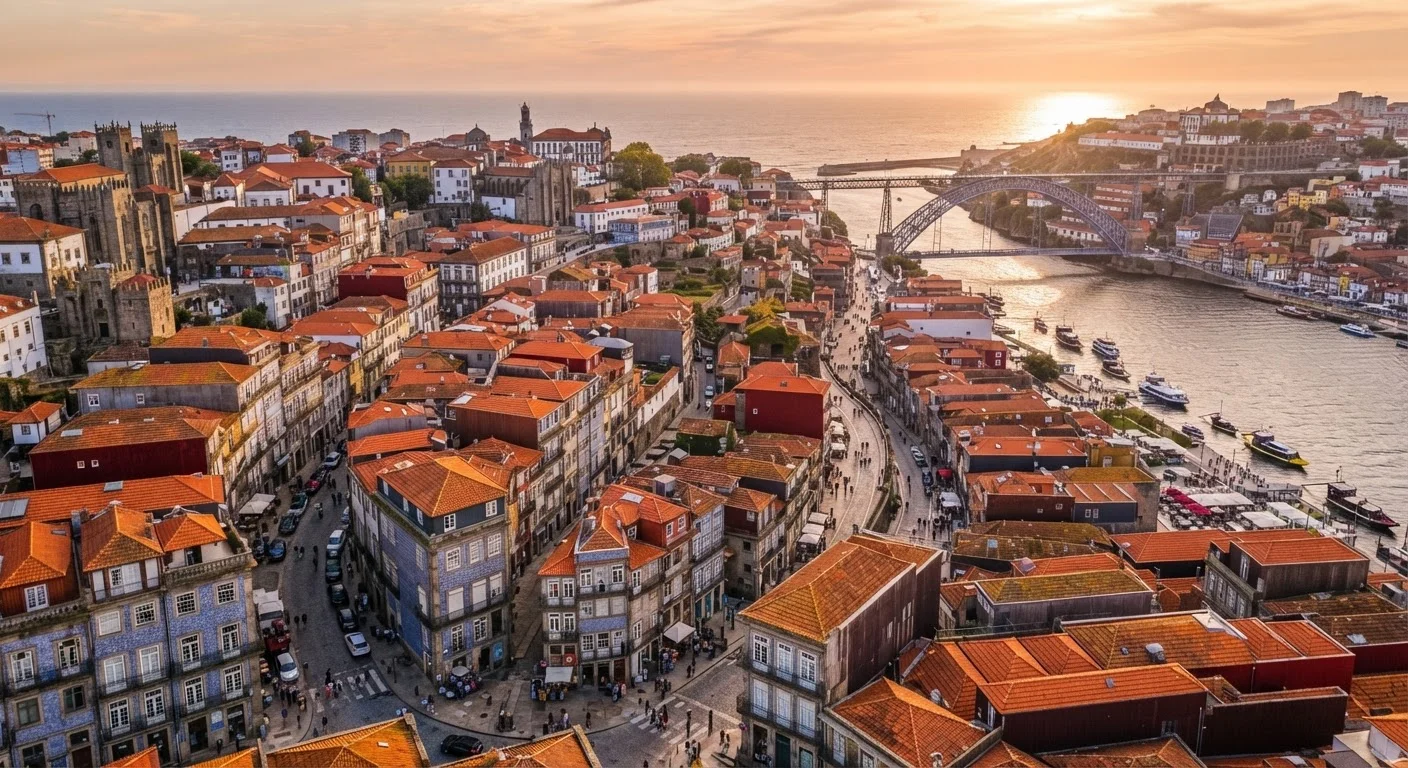
Porto runs tighter. The historic core - Ribeira, Bonfim, Cedofeita - is genuinely walkable in ways Lisbon isn't, and the city's identity feels less diluted by tourism. The Douro River cuts through dramatically, the architecture is denser and darker, and locals are markedly proud of not being Lisbon. For a 3-4 day city break, that concentration works in your favor.
If you're weighing how much structure versus flexibility your trip needs, our guide on balancing rigid itineraries with open-ended travel is worth reading before you book either city.
| Criterion | Lisbon | Porto |
|---|---|---|
| City size | Large capital, 2M+ metro | Mid-size, ~300K city proper |
| Walkability | Moderate - metro recommended | High - core is compact |
| Terrain | Hilly, manageable | Very hilly, more demanding |
| US flight access | Direct transatlantic routes | Usually via European hub |
| Average daily cost | Moderate to moderately high | Moderate - slightly lower |
| Day trip options | Sintra, Cascais, Setúbal coast | Douro Valley, Braga, Guimarães |
| Food & wine focus | Diverse, international scene | Regional, port wine-centric |
| Tourist density | High in main districts | High in Ribeira, lighter elsewhere |
Practical Logistics: Getting There and Getting Around
Lisbon's Humberto Delgado Airport handles significantly more transatlantic traffic, including direct routes from major US hubs. Porto Francisco Sá Carneiro Airport has solid European connections and occasional transatlantic service, but routing through a European hub is more common for US travelers.
Within each city, both have trams and metros - but Porto's tram network is mostly tourist-oriented, and the Metro is more useful for getting around efficiently. Lisbon's Metro is larger and more practical for covering ground quickly. Both cities are hilly enough that comfortable walking shoes aren't optional; Porto's hills are steeper and more sustained, which is worth noting if mobility is a consideration.
~3 hrs
Train journey between Lisbon and Porto
The Alfa Pendular service connects the two cities, making a split itinerary feasible on trips of 7 days or more.
4M+
Annual overnight tourists in Lisbon
Portuguese tourism data consistently places Lisbon among southern Europe's most-visited capitals, driving up accommodation pressure in peak months.
Top 3
Porto's rank among European city break destinations
Porto has appeared consistently in European travel award rankings since the mid-2010s, reflecting sustained visitor growth and international recognition.
If you're considering whether to base yourself in one city or split time between both - they're roughly three hours apart by train - our piece on slow travel versus country-hopping breaks down the cost and experience trade-offs clearly.
What Each City Actually Delivers
Lisbon delivers range. The Belém district for history, Príncipe Real for independent design shops and wine bars, Mouraria for fado, and a coastline within 30 minutes by rail. It's also where Portugal's most internationally recognized contemporary dining scene is concentrated. The downside: popular sights can feel overcrowded, and the city's rapid growth means some neighborhoods have shifted noticeably toward short-term rental saturation.
Porto delivers depth. The port wine lodges across the river in Vila Nova de Gaia offer a structured cultural experience that's genuinely interesting rather than just scenic. The Douro Valley is one of the world's most visually striking wine regions and is day-trip accessible. The Livraria Lello bookshop is overrun with queues, but the surrounding Cedofeita neighborhood is one of the most livable, interesting urban pockets in Iberia - and most visitors miss it entirely.
For context on how these two cities compare to similarly positioned European destinations, our overview of city breaks that disappoint first-timers covers why certain expectations misfire - and how to calibrate yours before you arrive.
Visiting Both Cities? Plan the Split Carefully
If your trip is 7 days or longer, splitting time between Lisbon and Porto is genuinely worthwhile - and the train connection makes it logistically straightforward. A common approach is 4 nights in Lisbon and 3 in Porto, or the reverse if arriving via Porto's airport. Avoid trying to do both on a 4-day trip; you'll experience neither city properly. For destination decision-making in a multi-city regional context, our framework for choosing a base city in a multi-destination region applies similar logic.