Why Water Intake Is Not One-Size-Fits-All
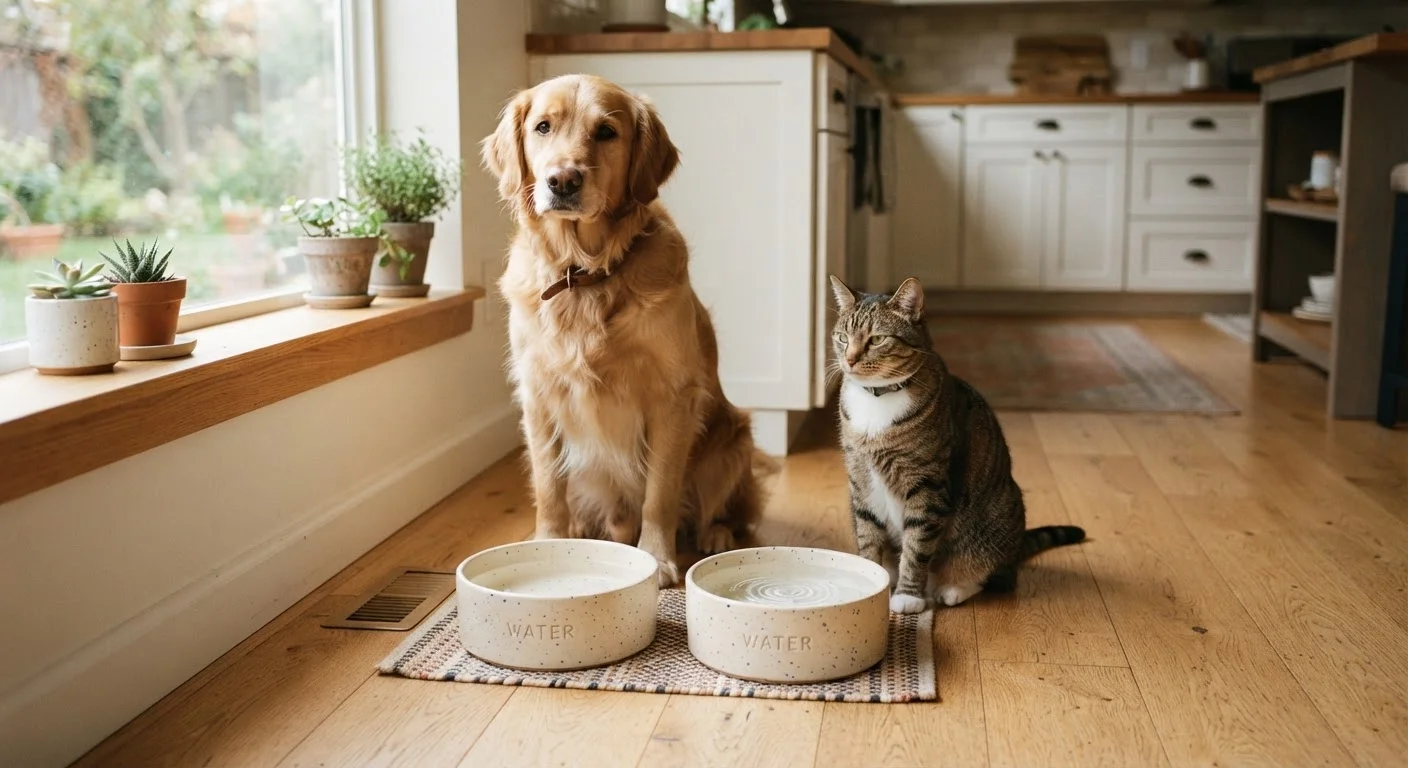
Water is the most essential nutrient in any animal's diet - yet the question of how much is often oversimplified. Species, body size, activity level, ambient temperature, reproductive status, and diet type all interact to determine an individual pet's actual fluid needs. A rough rule of thumb for dogs is 50-60 mL per kilogram of body weight per day, but a working dog in summer heat will need considerably more, while a sedentary small-breed dog on a wet-food diet may need far less from the water bowl directly.
Cats present a distinct challenge. Unlike dogs, felines evolved in arid environments and have a blunted thirst mechanism - they do not readily compensate for low dietary moisture by drinking more. This makes diet composition especially critical for cats, as a dry-kibble-only regimen can chronically underserve their hydration needs. For context, prey animals that cats would consume in the wild contain roughly 70% water.
70-80%
Moisture content in canned wet pet food
Compared to 8-12% in typical dry kibble, making diet type one of the most influential factors in total fluid intake.
50-60 mL/kg
General daily water guideline for dogs
This figure from veterinary nutrition guidelines varies based on activity, temperature, and dietary moisture content.
~70%
Water content of typical prey animals
Reflects the natural dietary moisture cats evolved to consume, explaining their low innate thirst drive.
Reading the Signs: How to Assess Your Pet's Hydration
Two simple at-home assessments can give you a quick read on hydration status - though they are not substitutes for veterinary evaluation when something seems wrong.
- Skin turgor test: Gently pinch and lift a small fold of skin at the back of the neck or between the shoulder blades. In a well-hydrated animal, the skin springs back immediately. Skin that remains tented for a second or more suggests dehydration.
- Gum check: Press a finger against your pet's gums and release. The blanched area should return to pink in under two seconds. Tacky, pale, or dry gums indicate inadequate hydration.
Behavioral cues matter too. If your pet is lethargic, producing less urine than usual, or their eyes appear sunken, these warrant a call to your veterinarian. Conversely, a dramatic increase in water intake - called polydipsia - is equally worth investigating, as it can signal diabetes mellitus, chronic kidney disease, or hormonal disorders like Cushing's syndrome.
Make Hydration Monitoring a Daily Habit
Fill your pet's water bowl to a consistent level each morning and check how much remains at the end of the day. While exact measurement isn't necessary every day, this habit helps you notice meaningful changes in intake over time. Combine it with a weekly gum check and you'll have a reliable baseline for your pet's normal hydration patterns.
Diet Composition and Its Outsized Role in Hydration
One of the most actionable levers pet owners have is diet selection. Dry kibble typically contains only 8-12% moisture, meaning pets that eat it exclusively must compensate almost entirely through drinking. Wet or canned foods, by contrast, contain 70-80% moisture - making them a dual-purpose nutrition and hydration source.
This is not just relevant for cats. Dogs with a history of urinary tract issues, kidney disease, or constipation often benefit from higher dietary moisture as well. If you're evaluating your pet's food choices, the guaranteed analysis on the label can tell you the moisture content - see our guide on decoding pet food labels for a breakdown of how to read that information accurately.
Mixing wet and dry food, or adding water or low-sodium broth directly to kibble, are practical strategies many veterinarians recommend to bridge the moisture gap without overhauling a pet's entire diet.
When to Talk to Your Vet
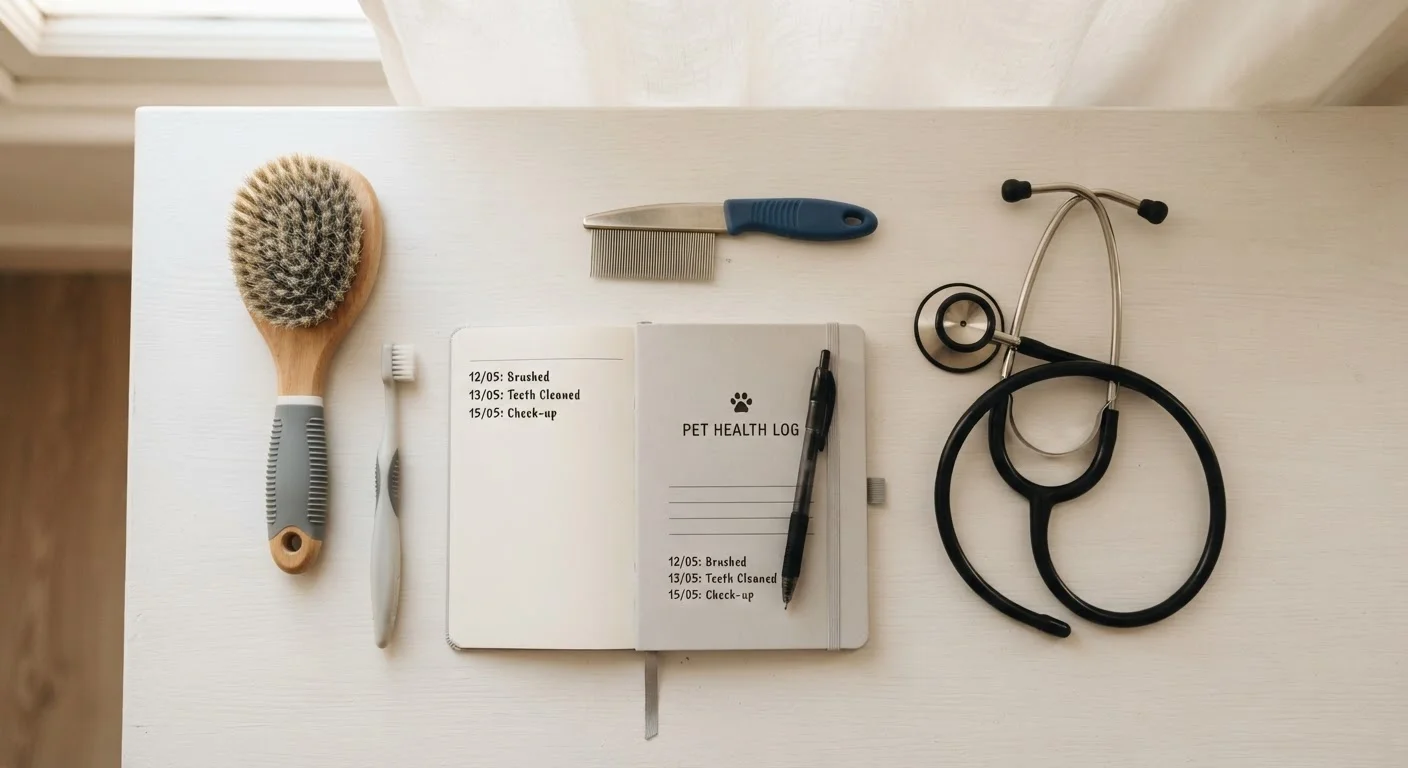
Hydration status is a window into broader health. Incorporating water intake monitoring into your regular pet care rhythm - alongside grooming, dental checks, and behavioral observation - is a practical way to catch problems early. Our monthly pet care checklist includes water intake as part of a structured routine that makes these observations easier to maintain consistently.
If you notice any of the following, schedule a veterinary appointment rather than waiting to see if things improve:
- A sudden, unexplained increase or decrease in drinking
- Skin turgor or gum tests that consistently suggest dehydration
- Changes in urination frequency or urine color
- Vomiting or diarrhea, which can cause rapid fluid loss
This article is for general informational purposes only and does not constitute veterinary advice. Always consult a licensed veterinarian regarding your individual pet's health needs.