The Lifespan Gap: What the Data Actually Shows
One of the most consistent findings in feline medicine is the lifespan difference between indoor and outdoor cats. Indoor cats typically live between 12 and 18 years, while outdoor or free-roaming cats average closer to 2 to 5 years, according to estimates cited by veterinary welfare organizations. That gap is not trivial - it reflects cumulative exposure to acute hazards like vehicle traffic and chronic risks like infectious disease.
Outdoor cats face a range of threats that are difficult to fully mitigate: feline leukemia virus (FeLV), feline immunodeficiency virus (FIV), upper respiratory infections, intestinal parasites, and injuries from wildlife encounters or fights with other cats. Regular vaccination and parasite prevention reduce but do not eliminate these risks.
12-18 yrs
Average indoor cat lifespan
Veterinary welfare organizations commonly cite this range compared to a 2-5 year average for free-roaming outdoor cats.
~40%
Estimated prevalence of feline obesity in the US
The Association for Pet Obesity Prevention has consistently estimated that a substantial proportion of US cats are overweight or obese, a condition more common among sedentary indoor cats.
The longevity argument alone causes many veterinarians to recommend indoor lifestyles by default - though they typically acknowledge that behavioral wellbeing must be part of that calculation too.
The Case for Outdoor Access: Instinct and Enrichment
Cats are obligate predators with deeply ingrained drives to stalk, hunt, climb, and patrol territory. Outdoor environments provide a level of sensory complexity - variable terrain, live prey, novel scents - that is genuinely difficult to replicate indoors. This matters because under-stimulation in cats is associated with stress, anxiety, and behavioral problems including over-grooming, redirected aggression, and destructive scratching.
Rich sensory stimulation from natural environments
Outdoor cats encounter variable scents, textures, and living prey that engage their predatory nervous system in ways static indoor environments rarely match.
Greater opportunities for natural physical activity
Climbing, sprinting, and hunting behaviors performed outdoors provide vigorous exercise that supports healthy body weight and muscle tone.
Reduced likelihood of boredom-related behavioral problems
The novelty of outdoor environments serves as ongoing mental enrichment, which can reduce stress behaviors like over-grooming or redirected aggression.
Supports territory-patrolling instincts
Cats are motivated to survey and claim territory; outdoor access allows this drive to be expressed in a biologically meaningful way.
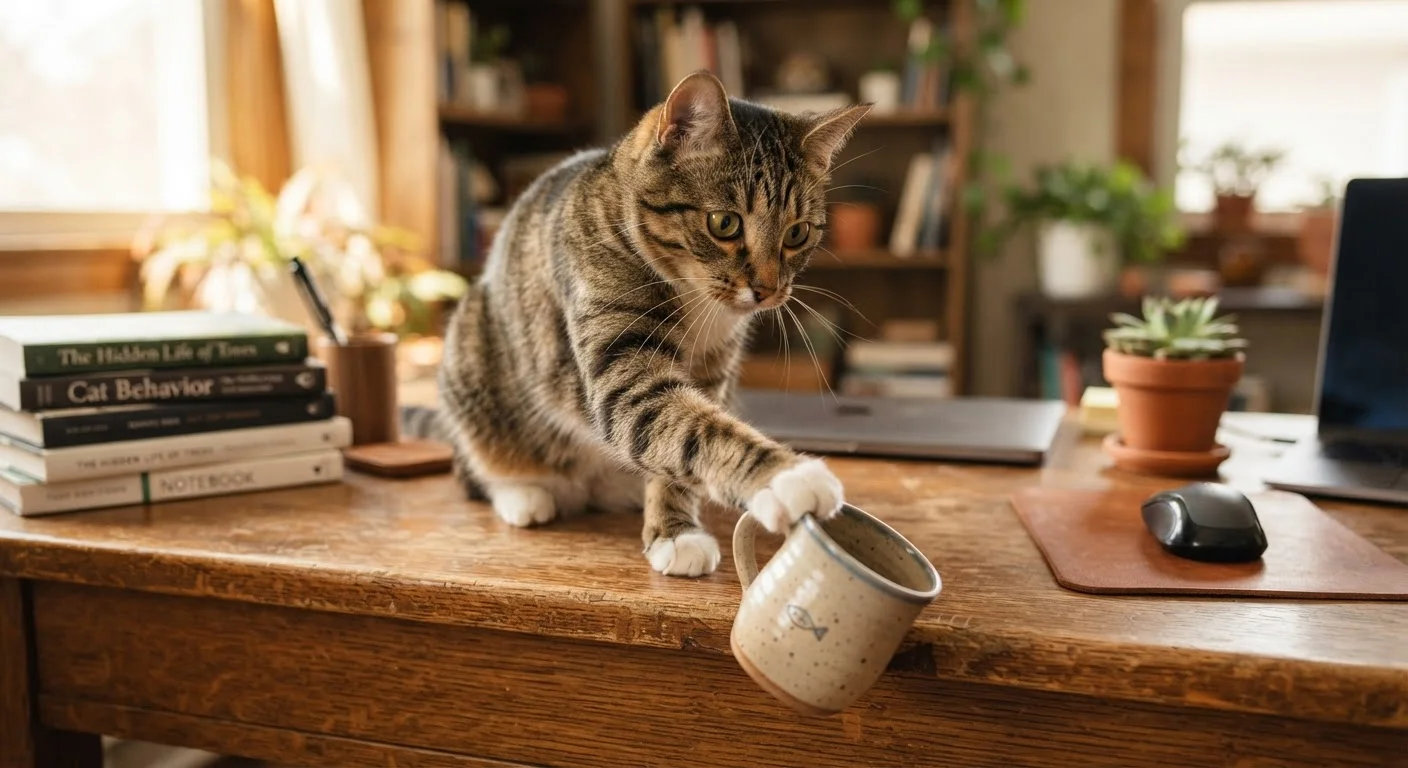
For cats with established outdoor histories or high prey drives, transitioning to a fully indoor lifestyle can itself introduce welfare challenges. Understanding these instincts is foundational - our article on what cat behaviors reveal about predatory instincts explores how even mundane behaviors reflect deep-seated drives that need an outlet.
Owners considering outdoor access should factor in their specific environment - a rural property presents different risks than a busy urban neighborhood - and invest in preventive care regardless of the access model they choose.
The Hidden Costs of Indoor Living
Indoor cats are not automatically thriving cats. Without deliberate enrichment, indoor environments can be impoverished by feline standards - limited territory, predictable stimuli, and few opportunities for the kind of vigorous physical activity cats evolved to perform daily.
Significantly shorter average lifespan
Free-roaming outdoor cats face acute hazards - vehicle traffic, predators, and cat-to-cat fights - that are cited by veterinary welfare organizations as primary drivers of the lifespan gap versus indoor cats.
Higher infectious disease exposure
Contact with other cats and wildlife increases exposure to FeLV, FIV, rabies, and parasites like Toxoplasma gondii and intestinal worms, even with routine vaccination.
Elevated risk of traumatic injury
Road traffic injuries and wounds from animal encounters are among the leading causes of emergency veterinary visits in outdoor cats.
Greater obesity risk without enrichment
Indoor confinement without deliberate activity can lead to sedentary behavior and weight gain, both of which compound into serious long-term health conditions.
Risk of stress and behavioral problems indoors
Cats kept in unstimulating indoor environments may develop anxiety-linked behaviors including repetitive grooming, inappropriate elimination, or aggression toward housemates.
Obesity is notably more prevalent among indoor cats, partly due to reduced activity and partly due to ad libitum (free-choice) feeding practices that are common in indoor households. Feline obesity is linked to diabetes, joint disease, and hepatic lipidosis - a serious liver condition. Behavioral stress indicators like repetitive pacing or excessive vocalization can also emerge when cats lack adequate mental engagement. Our guide on distinguishing stress from boredom in pets outlines how to read these signals accurately.
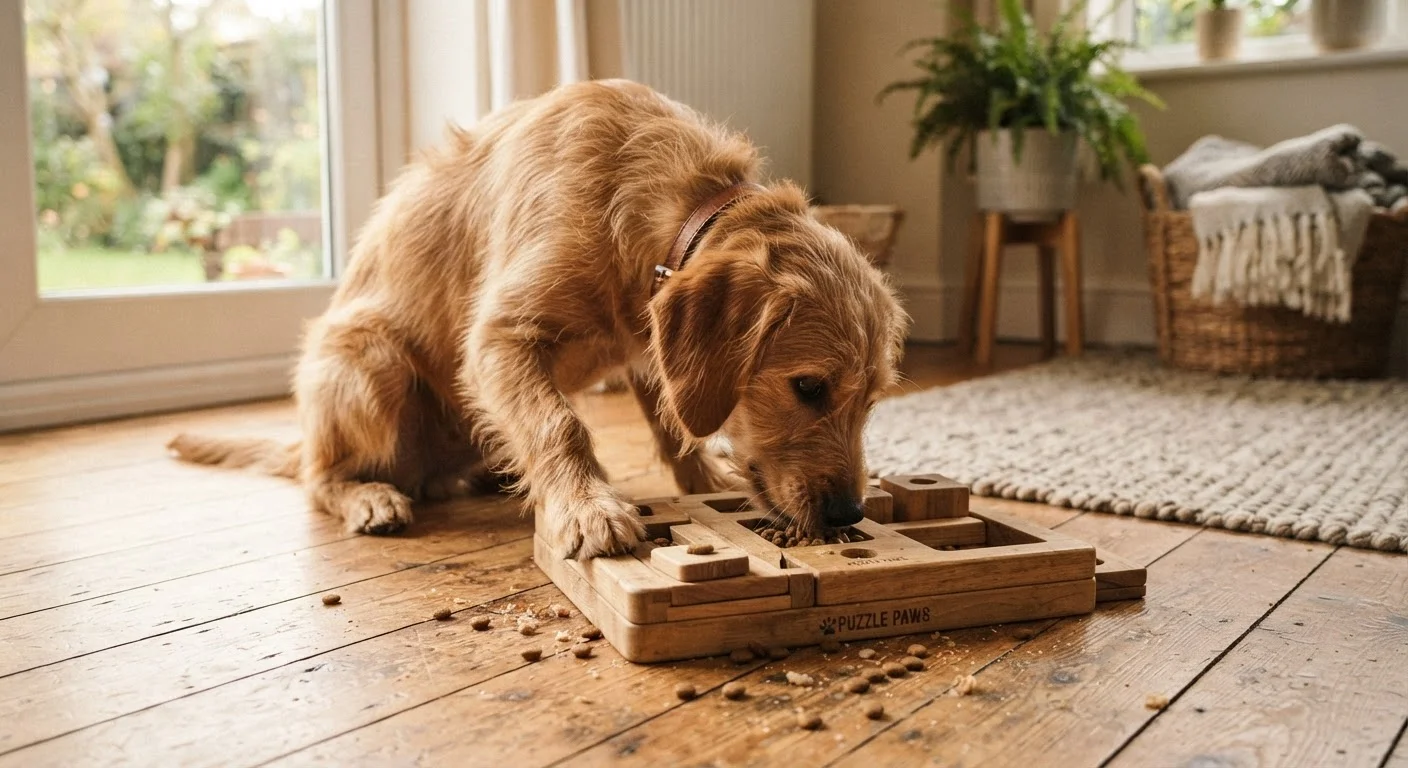
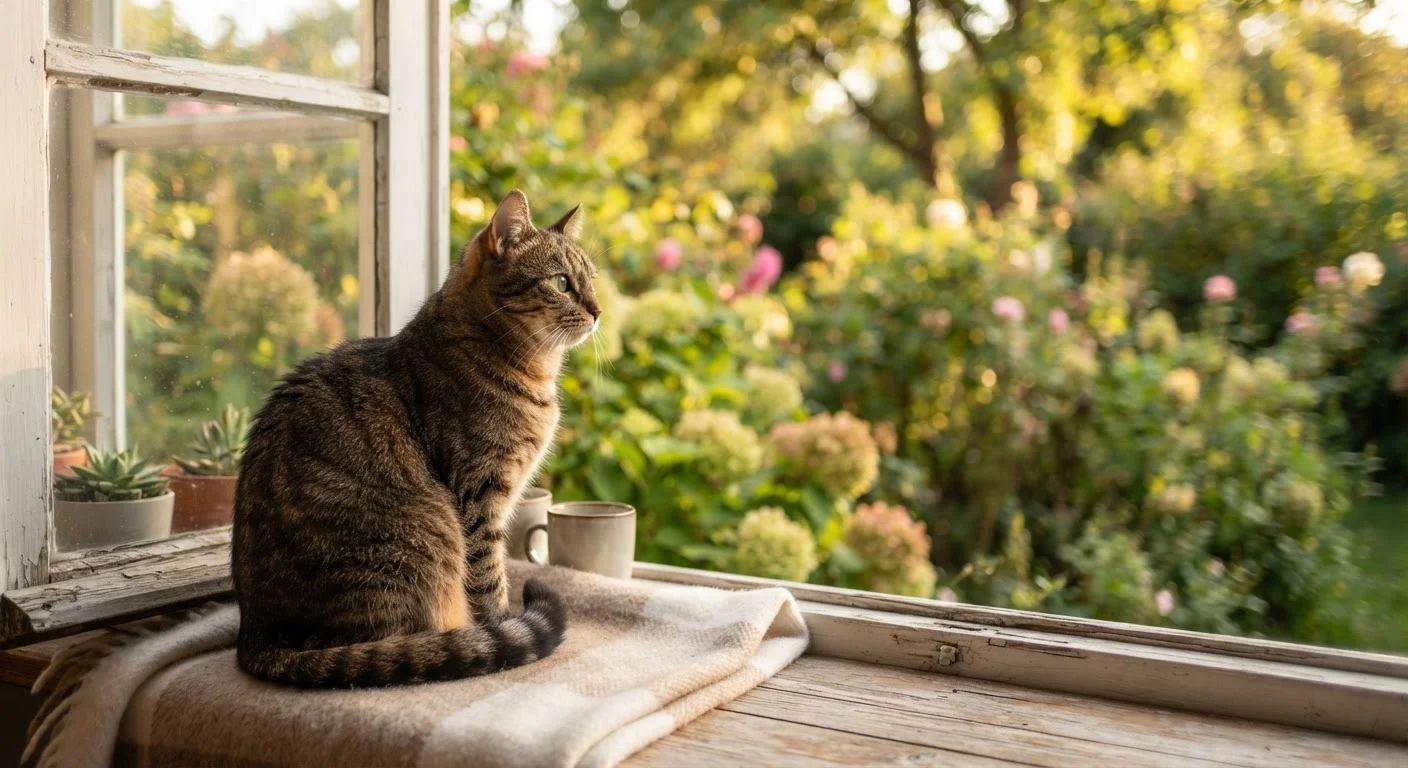
The good news is that these risks are largely manageable. Structured play sessions, puzzle feeders, vertical climbing structures, and window perches all address real behavioral needs. For a deeper framework, see our piece on enrichment activities matched to how animals think.
Middle-Ground Options: Contained Outdoor Access
For owners who want to reduce risk without eliminating outdoor experience entirely, several practical options exist. Catios - enclosed outdoor enclosures attached to the home - allow cats to experience fresh air, sunlight, and natural stimuli while remaining protected from traffic, predators, and contact with stray cats. Leash training is another option for cooperative cats, though it requires patient habituation and works better when started young.
Catios and Leash Training: What to Know
Catios range from simple window-box enclosures to large freestanding structures and can be built or purchased in modular form. Leash training works best when introduced gradually using a properly fitted harness - never a collar - and should never involve forcing a reluctant cat outdoors. Both options require an initial investment of time and resources but offer a meaningful compromise between safety and outdoor enrichment.
Whatever model you choose, the physical layout of your indoor space matters significantly. Building a behavior-aware environment can transform a flat, unstimulating apartment into a territory that satisfies a cat's need for exploration and control. Enrichment doesn't have to be expensive - it has to be varied, rotated, and matched to your individual cat's preferences and energy level.
Regular veterinary checkups remain essential in either scenario, as preventive care catches problems that lifestyle choices alone cannot prevent.