
Why Play Is More Than Just Fun
It is tempting to regard animal play as a pleasant but essentially frivolous behavior - something young animals do between the serious business of eating and sleeping. Decades of ethological research tell a very different story. Play behavior is metabolically costly, neurologically complex, and evolutionarily conserved across an enormous range of species. That alone signals it must confer meaningful advantages.
Neuroscientist Jaak Panksepp, whose work on affective neuroscience identified distinct primary emotional systems in mammals, described PLAY as one of seven core emotional systems hardwired into the mammalian brain. Play activates the brain's reward circuitry, promotes neuroplasticity, and appears to regulate the balance between excitatory and inhibitory neural activity - all of which have downstream effects on how animals learn, handle stress, and navigate social relationships.
For domestic pet owners, this reframes play from a lifestyle add-on to a genuine welfare requirement.
“Play is the primary means by which young animals learn the rules of social life. It is not preparation for something else - it is the developmental process itself.”
— Marc Bekoff, Professor Emeritus of Ecology and Evolutionary Biology, University of Colorado Boulder; author on animal emotions and behavior
Play's Role in Cognitive and Social Development
The juvenile period is when social play has its most pronounced developmental impact. Research on mammals - from rats to primates to domestic dogs - consistently shows that animals deprived of peer play during early life exhibit measurable deficits in social competence, impulse control, and emotional regulation later on.
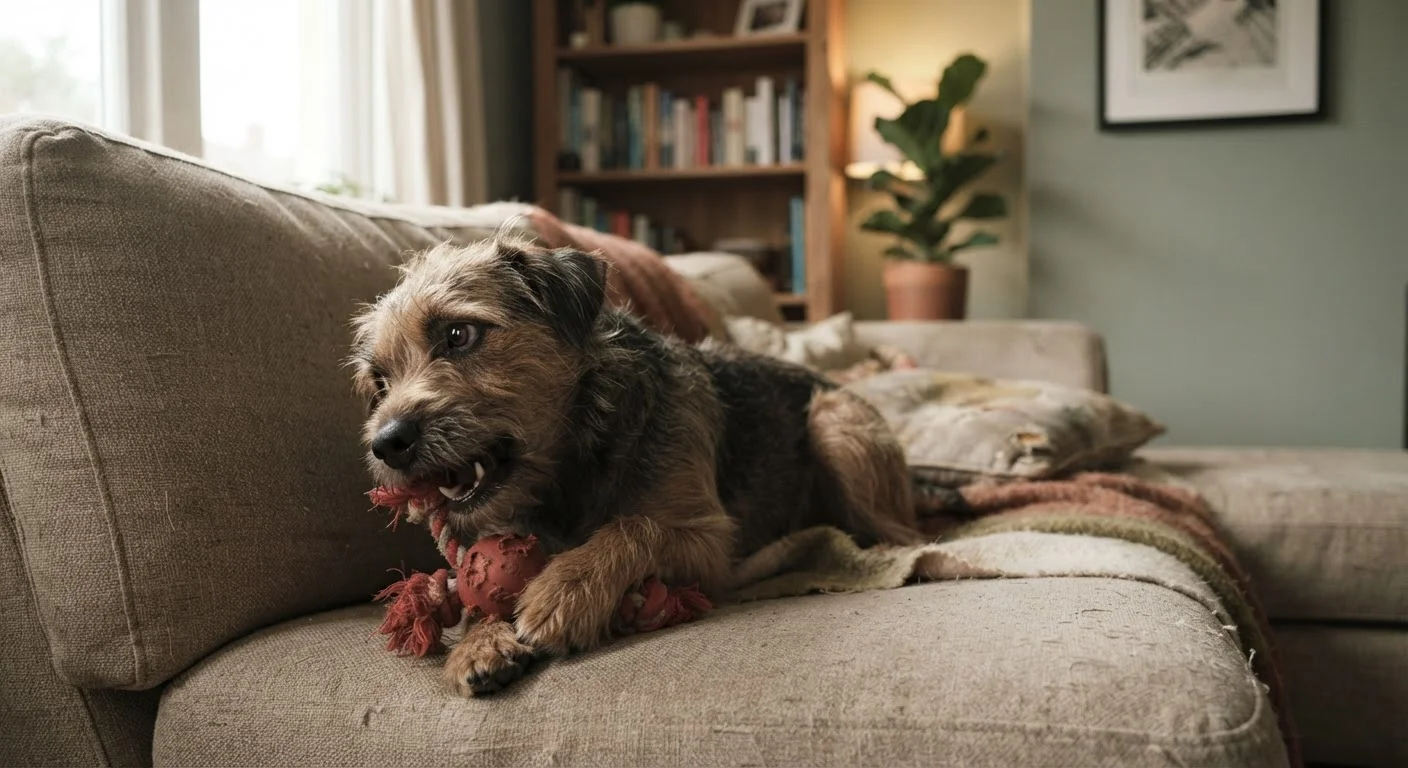
In dogs, social play involves constant negotiation: animals signal intent, read responses, and adjust behavior in real time. A puppy that bites too hard receives immediate social feedback - its play partner disengages. Over hundreds of these micro-interactions, the pup calibrates bite pressure, learns turn-taking, and develops what behavioral scientists call social referencing - the ability to interpret and respond to others' emotional states.
Object play, meanwhile, supports problem-solving and independent cognition. Cats that regularly interact with novel objects show greater behavioral flexibility when encountering environmental challenges. This is not coincidental - object manipulation activates the prefrontal cortex regions associated with planning and decision-making.
3 Categories
Main types of animal play behavior
Ethologists classify play as locomotor, object, or social play - each serving overlapping but distinct developmental functions according to established behavioral science literature.
7
Primary emotional systems identified by Panksepp
Neuroscientist Jaak Panksepp identified PLAY as one of seven core hardwired emotional systems in the mammalian brain, underscoring its neurological basis.
Measurable
Social deficits from juvenile play deprivation
Multiple controlled studies in mammals, including rodent models and canine research, show statistically measurable deficits in impulse control and social competence following early play deprivation.
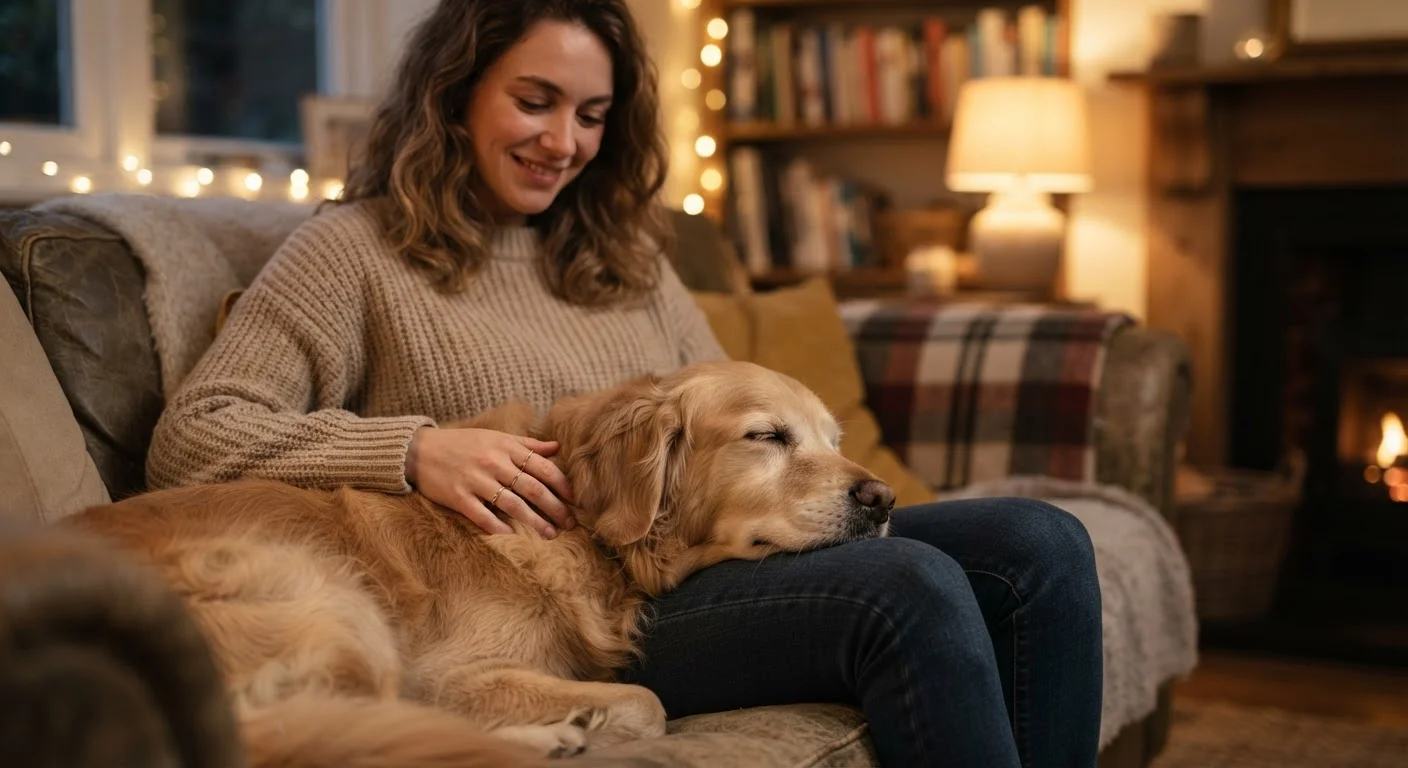
The science of attachment in pets also intersects with play: secure human-animal attachment is both a prerequisite for confident play and an outcome reinforced by it.
Play Deprivation: What the Evidence Shows
Understanding what happens in the absence of play clarifies its necessity. Studies in rodent models - among the most controlled available - demonstrate that juvenile play deprivation produces adults who are more reactive to stressors, less socially flexible, and more prone to anxiety-like behaviors. Comparable patterns appear in behaviorally deprived domestic animals.
In dogs, chronic under-stimulation and insufficient play are strongly associated with the emergence of stereotypic behaviors - repetitive, seemingly purposeless actions like tail-chasing, pacing, or compulsive licking. These behaviors are recognized as indicators of compromised welfare, not personality quirks. The distinction between stress and boredom matters here: boredom-driven play deficits and anxiety-driven suppression of play require different responses.
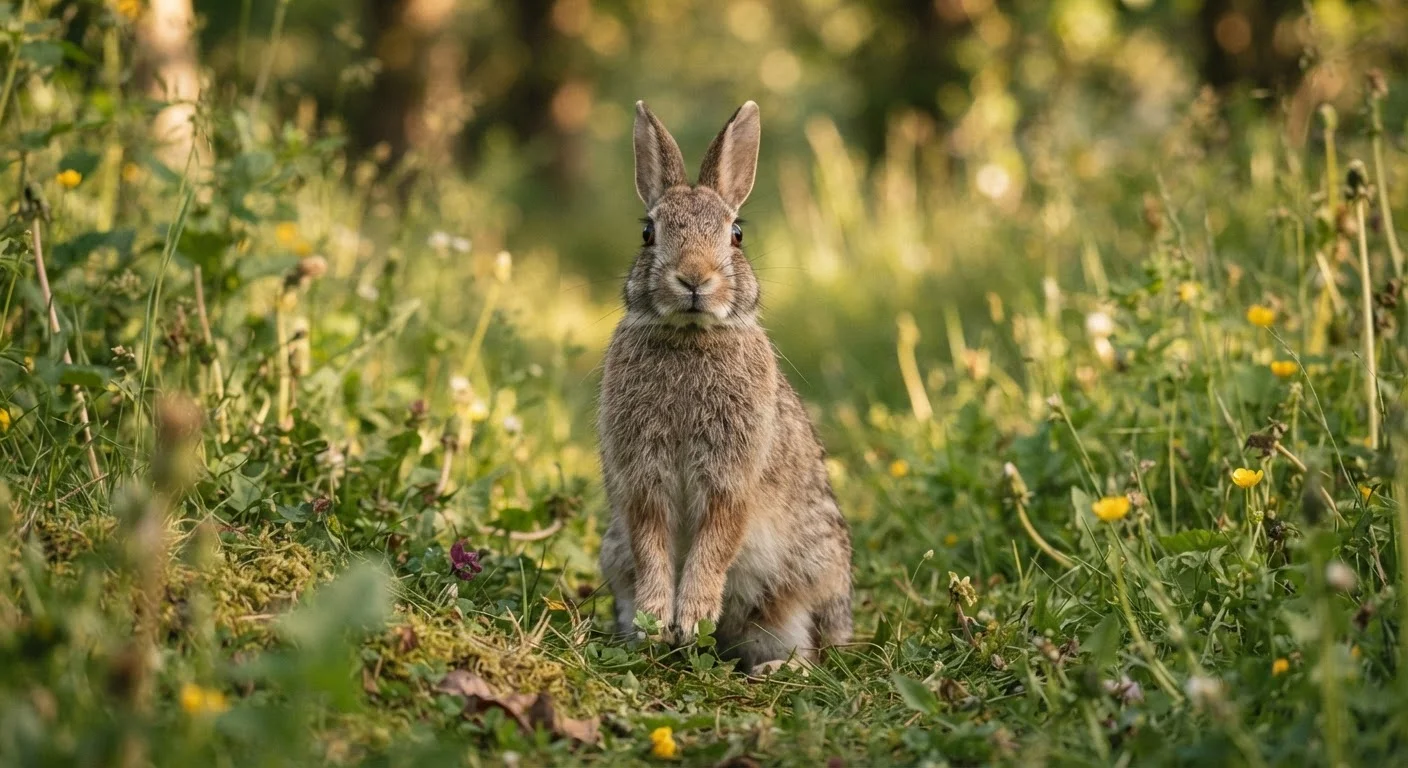
Rabbits are a frequently overlooked case. Often housed with minimal enrichment, they are nonetheless highly motivated to engage in locomotor and social play. The emotional complexity of rabbits is consistently underestimated, and play deprivation contributes meaningfully to behavioral problems in this species.
Recognize Play Signals Before Intervening
Before interrupting what looks like rough behavior between pets, look for reciprocal role-switching, relaxed facial muscles, and self-handicapping - when a larger animal deliberately limits its own advantage. These signals indicate healthy social play, not aggression. Interrupting genuine play unnecessarily can disrupt the social learning process it facilitates.
Applying This Knowledge to Daily Pet Care
Translating behavioral science into practical care requires thinking about play as a structured component of your pet's daily routine - not something that happens opportunistically. This means considering the type of play (social vs. object), the duration and frequency appropriate to your animal's life stage, and the quality of the interaction.
Humans can function as valid social play partners for domestic animals, and doing so actively reinforces the human-animal bond. However, the relationship between play and formal training is nuanced - play-based training leverages intrinsic motivation but has real limitations worth understanding.
Environmental design also shapes play opportunities. The layout and sensory properties of your home can either facilitate or inhibit natural play behavior. Providing varied textures, levels, and novel objects gives animals agency over their own enrichment - a component that is itself associated with positive emotional states in multiple species.
This article is for general informational and educational purposes only. It does not constitute veterinary or behavioral advice. Always consult a licensed veterinarian or certified animal behaviorist regarding the specific needs of your pet.