The Core Distinction: Planned vs. Unplanned
Both a sinking fund and an emergency fund are savings buckets - but confusing them is one of the most common budgeting mistakes young professionals make. The fundamental difference comes down to predictability.
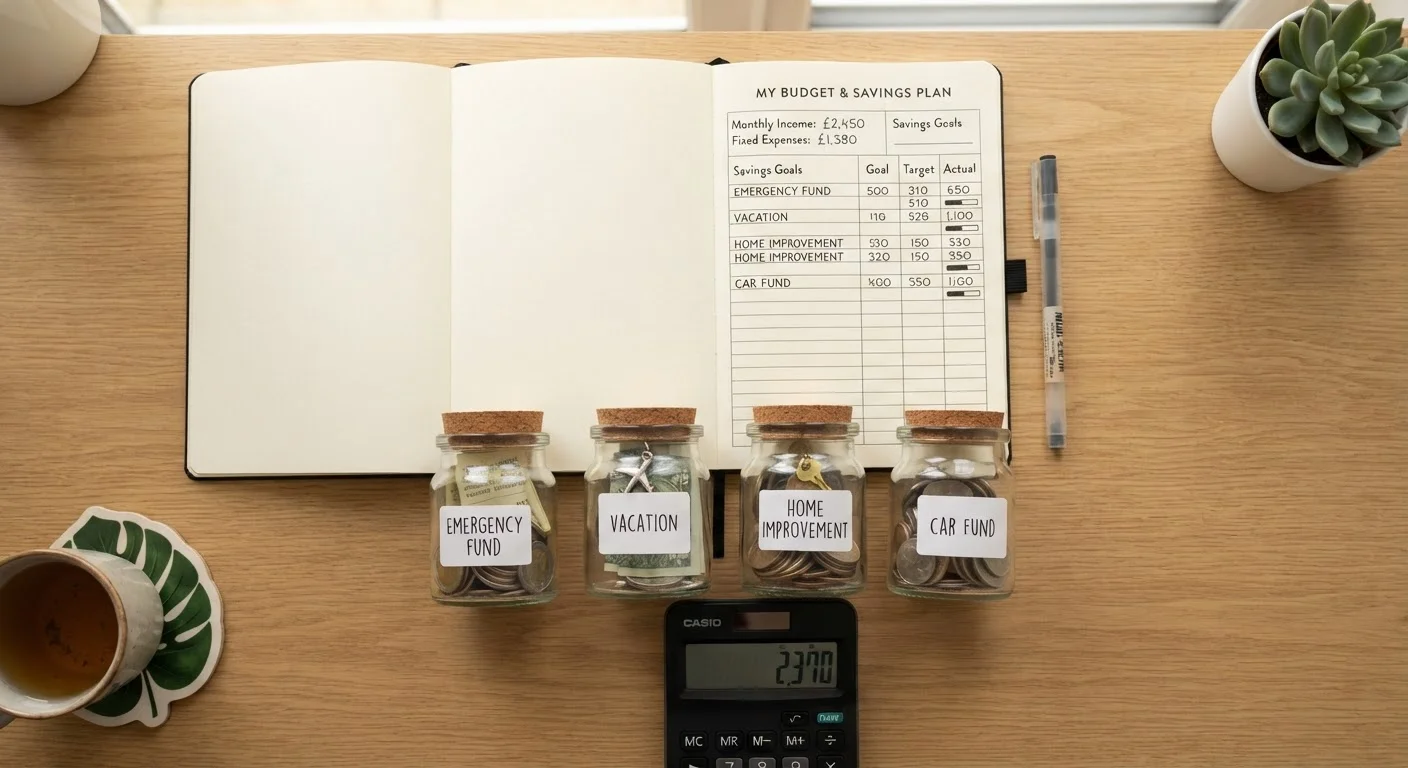
A sinking fund is money you set aside deliberately for an expense you can anticipate: a car registration renewal, holiday gifts, an annual software subscription, or a planned home improvement. You know the expense is coming, you estimate the cost, and you divide it into small monthly contributions. By the time the bill arrives, the money is already there. For a deeper look at how this concept works day-to-day, see how sinking funds prevent financial surprises.
An emergency fund, by contrast, is money held in reserve for events you cannot predict: a sudden layoff, an unexpected medical expense, a car breakdown, or an urgent home repair. Its value is not in the specific expense it covers - it's in the peace of mind and financial stability it provides when life goes sideways. Emergency funds explained covers the foundational reasoning behind why this category of savings is non-negotiable.
| Criterion | Sinking Fund | Emergency Fund |
|---|---|---|
| Purpose | Save for known future expenses | Cover unexpected financial shocks |
| Expense type | Planned and predictable | Unplanned and unpredictable |
| Target amount | Specific to each goal | 3-6 months of essential expenses |
| Timeline | Fixed - tied to the expense date | Ongoing - replenished after use |
| Number of accounts | Often multiple (one per goal) | Typically one consolidated fund |
| When you use it | At a known date or milestone | Only in a genuine emergency |
| Rebuilding after use | Start new cycle toward next goal | Replenish to target as priority |
How Much to Save - and Where to Keep It
Sizing each fund requires different logic.
For a sinking fund, the math is straightforward: estimate the total cost of the goal, then divide by the number of months until you need it. Saving for a $1,200 vacation in 10 months? Set aside $120 per month. You can maintain multiple sinking funds simultaneously - many people keep separate named buckets for car maintenance, gifts, travel, and annual subscriptions.
For an emergency fund, the common guidance is to accumulate three to six months of essential living expenses. Where you fall in that range depends on your income stability, whether you have dependants, and your overall risk tolerance. Three months vs. six months explores that tradeoff in detail.
57%
Americans unable to cover a $1,000 emergency
A Bankrate survey found that a majority of U.S. adults would struggle to pay for an unexpected $1,000 expense from savings alone.
3-6 months
Recommended emergency fund coverage
The Consumer Financial Protection Bureau (CFPB) recommends saving three to six months of essential living expenses as a general emergency fund target.
Where you house each fund also matters. Emergency funds demand high liquidity - you need to access the money quickly without penalty. A high-yield savings account or money market account typically fits that need. Comparing savings accounts and money market accounts can help you think through the tradeoffs. Sinking funds can live in the same type of account, or in a separate named savings bucket if your bank allows sub-accounts.
Keep These Funds Separate
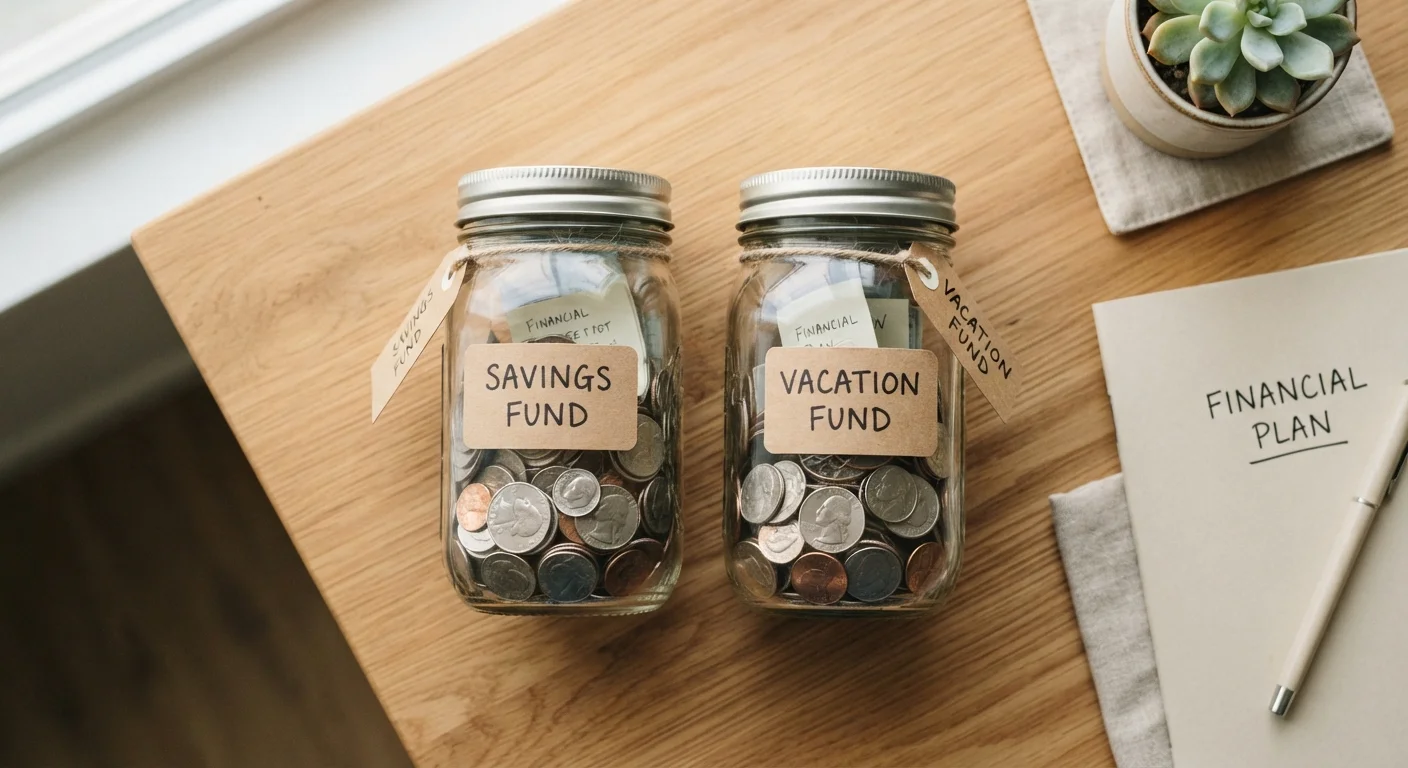
Mixing your sinking funds and emergency fund in the same account - even mentally - can lead you to spend emergency reserves on discretionary expenses like travel or gifts. Using labeled sub-accounts or entirely separate accounts makes the distinction concrete and reduces the temptation to blur the line. Many online banks offer no-fee sub-account features specifically for this purpose.
Building Both on a Tight Budget
The question most young professionals ask is: which one do I fund first? The general answer is to establish a minimum emergency fund baseline - commonly cited as $500 to $1,000 - before opening multiple sinking funds. That floor prevents one unexpected bill from immediately landing on a credit card.
Once that baseline exists, you don't have to choose between the two. Even modest parallel contributions - say, $50/month to your emergency fund and $40/month split across two sinking funds - build meaningful buffers over time. If your budget feels stretched, building an emergency fund on a tight budget offers a practical starting framework.
As your income grows or your emergency fund reaches its target, you can redirect contributions toward sinking funds - or toward investing. For context on what comes after a solid savings foundation is in place, the investing fundamentals hub is a useful next step. And if your financial picture has changed recently, it's worth checking whether your emergency fund still fits your situation.
This article is for general informational and educational purposes only. It is not personalized financial, investment, or tax advice. Consult a licensed financial professional for guidance specific to your circumstances.