
Why a Tight Budget Isn't a Reason to Wait
The most common reason young professionals delay building an emergency fund is the belief that they need to be in a better financial position first. In practice, that waiting often stretches into years. If you're unfamiliar with the fundamentals, our primer on what emergency funds are and why they matter explains the core concept - but the short version is this: an emergency fund is a dedicated cash reserve that covers unexpected expenses without forcing you into debt.
Even on a lean budget, the goal isn't to save a perfect amount from day one. It's to create a habit and a dedicated place for the money to grow. Research from the Consumer Financial Protection Bureau (CFPB) consistently finds that having even a small liquid cushion - as little as $400-$500 - meaningfully reduces the likelihood that a single financial shock derails a household's stability. Starting small is not a compromise. It is the strategy.
Progress Beats Perfection Every Time
If you can only save $15 a paycheck right now, that is still $390 in a year - a meaningful start. Don't let an ideal savings rate become an excuse to save nothing. Consistency at any amount builds both the fund and the habit.
What You'll Need Before You Begin
Before following the steps below, gather a few pieces of information and set up the right environment for success.
What you will need
If you haven't yet mapped your income and spending, building your first monthly budget from a blank spreadsheet is a practical starting point. Understanding where your money currently goes is essential before deciding how much to redirect.
Step-by-Step: Building Your Emergency Fund
Follow these steps in order. If your budget is especially tight, move through them slowly - the goal is steady progress, not a sprint.
Set a Realistic Starter Target, Not the Final Goal
The conventional guidance is to save three to six months of essential expenses - a figure that can feel paralyzing when you're starting from zero. Instead, commit to a starter target of $500 to $1,000. This amount is achievable on most budgets within a few months and provides genuine protection against the most common financial emergencies: a car repair, a medical copay, or a gap between paychecks.
Only after hitting this starter milestone should you recalibrate toward a larger, longer-term goal.
Find the Money by Auditing Your Current Spending
Look at the last 30 days of transactions and categorize every expense. You're not looking for large sacrifices - you're looking for small, painless adjustments that free up $20 to $50 per month. Common sources include:
- Unused or underused subscriptions
- Dining and delivery spending above your personal baseline
- Convenience purchases that could be batched or swapped
Even $25 per month adds up to $300 in a year without any lifestyle upheaval. The goal here is to identify what's already available, not to impose deprivation.
Open a Separate, Dedicated Savings Account
Your emergency fund should not share an account with your everyday checking balance. Keeping the money separate creates a psychological and practical barrier that reduces unintentional spending. Look for an account with no monthly fees and easy access in an emergency. Comparing high-yield savings accounts and money market accounts can help you decide where to house the fund.
Automate a Fixed Transfer on Payday
Set up an automatic transfer from your checking account to your new emergency savings account on the same day - or the day after - each paycheck arrives. Even if the amount is small, automation removes the decision entirely. You cannot spend money that has already moved.
Start with whatever amount you identified in Step 2. If that feels too steep, start with $10 per paycheck and increase it when you can. The habit matters more than the amount at this stage.
Define Clear Rules for What Counts as an Emergency
Before you need the fund, decide what qualifies as a legitimate withdrawal. A helpful test: Is the expense unexpected, necessary, and urgent? Examples that qualify include a job loss, an unplanned medical bill, or an essential appliance failure. Examples that do not qualify include a sale on something you want, a planned expense you forgot to budget for, or discretionary travel.
Clarity upfront prevents the gradual erosion of your fund through spending that feels justified in the moment but isn't a true emergency. Sinking funds are the right tool for planned, predictable costs.
Avoid Mixing Goals in One Account
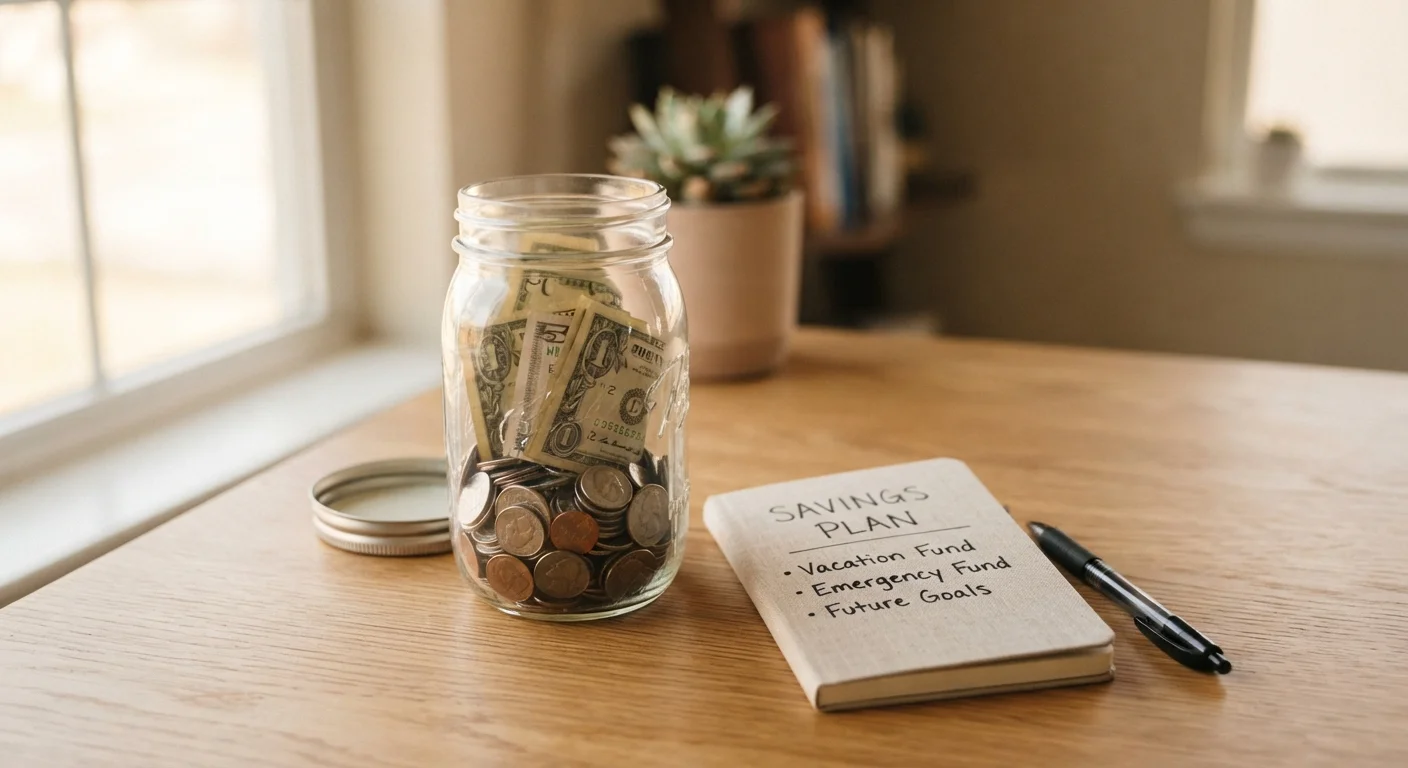
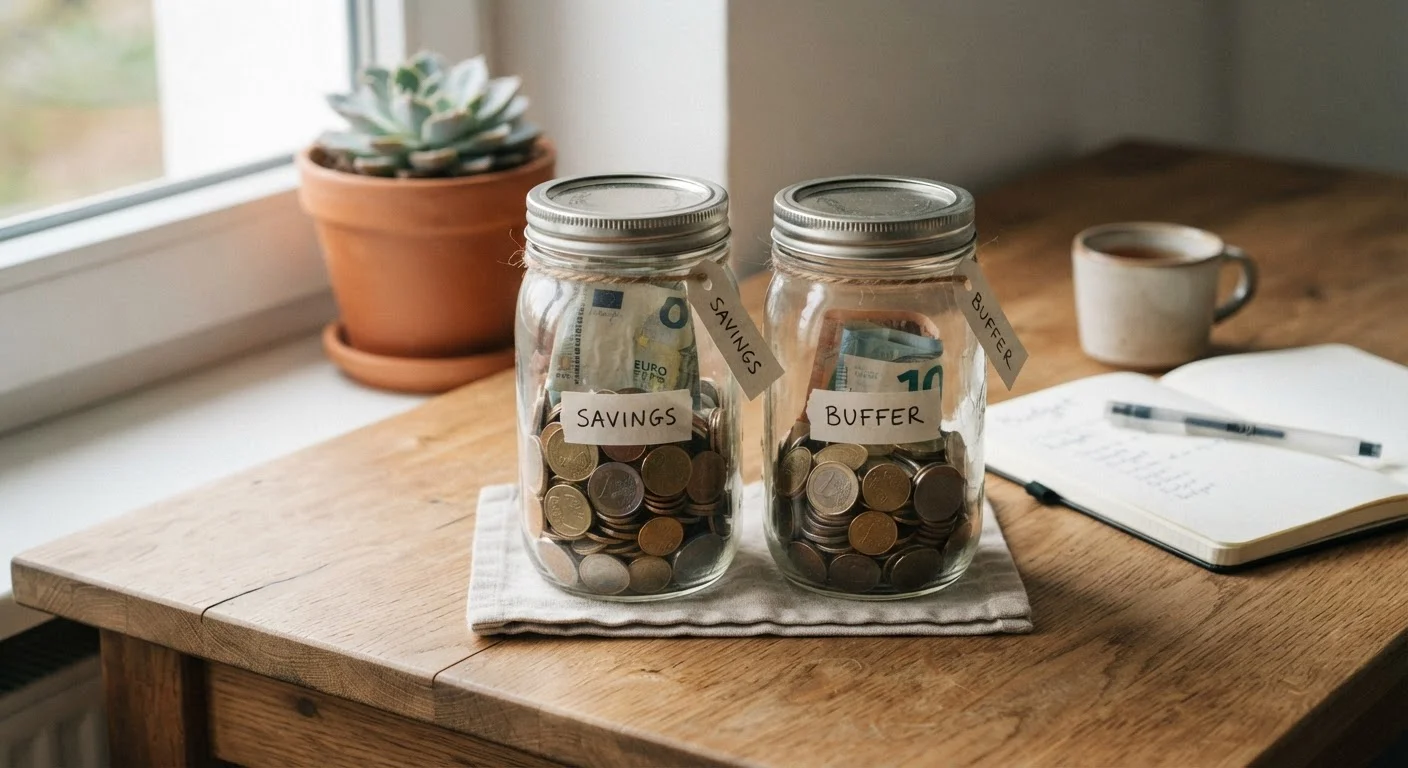
Keeping your emergency fund in the same account as a vacation fund or a down-payment fund blurs the boundary between goals and makes it easier to rationalize spending the wrong money. Separate accounts for separate purposes keep your intentions clear and your emergency cushion intact.
Once you've hit your initial target, take time to evaluate whether your cushion is appropriately sized for your situation. The three-months vs. six-months emergency fund debate can help you decide what a full target looks like for your income stability and dependants. And if your life circumstances shift, use the emergency fund rethink checklist to assess whether your current safety net still fits.
Staying on Track Over Time
Building an emergency fund from a tight budget is less about discipline and more about removing the decisions that cause you to stall. Once automation is in place and your fund has its own account, most of the work is done. A few additional habits reinforce steady growth:
- Treat windfalls as fund accelerators. Tax refunds, overtime pay, or any irregular income can make a meaningful one-time contribution without affecting your monthly budget.
- Revisit the amount quarterly. As your income grows or your expenses shift, even a small increase in your automated transfer compounds quickly.
- Don't conflate your emergency fund with other savings goals. Sinking funds and emergency funds serve very different purposes - keeping them separate maintains clarity about what the money is for.
After your emergency fund reaches its target, your budgeting energy can shift toward growth. The Budgeting Basics hub offers strategies for optimizing your monthly spending, and when you're ready to put saved money to work, Investing Fundamentals is the natural next step.
This article is for general informational and educational purposes only and does not constitute personalized financial advice. Consult a qualified financial professional for guidance specific to your situation.