Why Irregular Expenses Break Most Budgets
Most monthly budgets account for rent, utilities, and groceries without much trouble. What they routinely miss are the costs that arrive every six or twelve months - car registration, annual software subscriptions, dental work, holiday gifts, or a friend's destination wedding. When these bills land, most people either raid their emergency fund, charge the expense to a credit card, or feel a month of financial stress.
This is not a willpower problem. It is a structural problem. Monthly budgets, by design, smooth income and expenses across 30-day windows. Costs that fall outside that cycle simply don't fit. As many common budgets quietly ignore, irregular expenses are often the real reason savings feel perpetually stalled.
Sinking funds solve this by extending your planning horizon. Instead of thinking paycheck-to-paycheck, you anticipate costs months in advance and save incrementally.
Sinking Funds Are Not the Same as Savings Goals
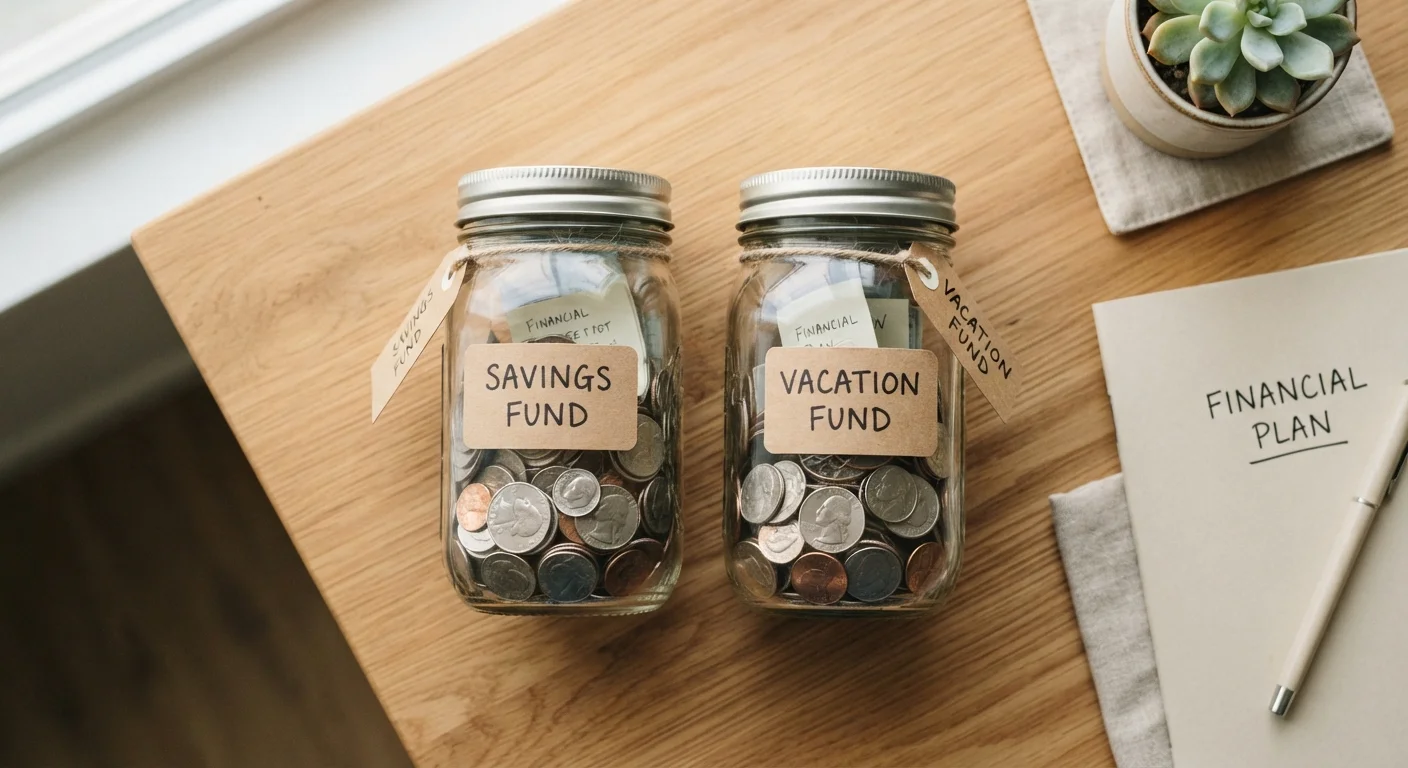
A sinking fund targets a known expense with a defined timeline and cost - you plan to spend this money. A general savings goal (like growing your net worth) is open-ended. This distinction matters because sinking fund money should be treated as already spent; it is not available for other purposes. Keeping them conceptually separate helps you avoid double-counting your financial cushion.
How to Set Up a Sinking Fund: The Core Formula
Setting up a sinking fund requires answering three questions: What is the expense? How much will it cost? When do I need the money? Once you have those answers, the math is straightforward.
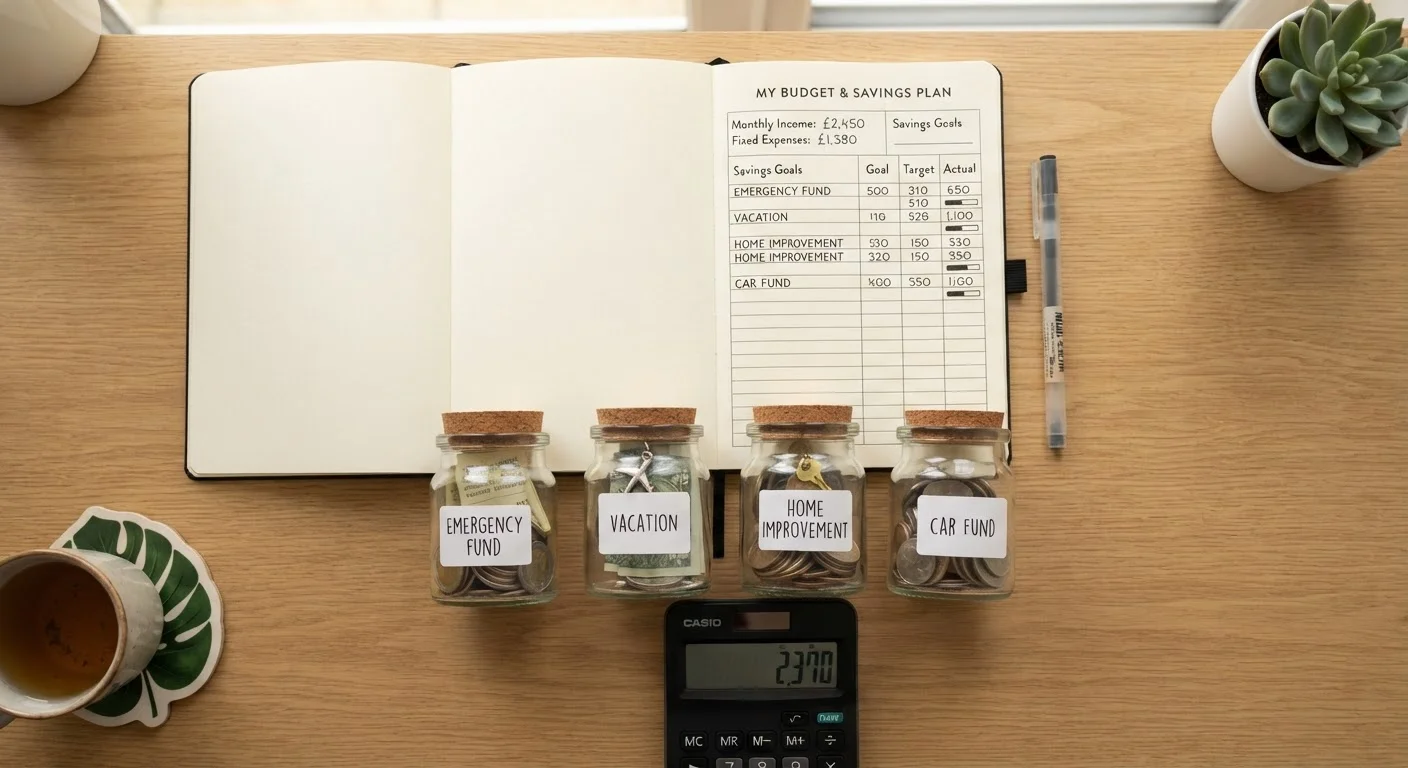
- Name the fund. Be specific - "Car Maintenance" is better than "Miscellaneous." Specificity helps you commit to the goal and track progress accurately.
- Estimate the total cost. Use past receipts, annual statements, or a reasonable estimate. For variable costs like car repairs, a common approach is to budget a percentage of your car's value annually.
- Set a timeline. Identify when you'll need the money - a registration renewal date, a holiday season, a scheduled trip.
- Divide and contribute. Divide the total cost by the number of months remaining. That figure becomes your monthly sinking fund contribution for that category.
For example, if you expect to spend $600 on holiday gifts and you start planning in July - six months out - you need to save $100 per month. When December arrives, the money is already there.
Automate Contributions to Remove Friction
Set up an automatic transfer on payday so your sinking fund contributions happen before you have a chance to spend that money elsewhere. Even a small automatic transfer - $25 or $50 per month - builds meaningful reserves over a year. Automation removes the need for monthly willpower and makes the habit stick.
Managing Multiple Sinking Funds Without Overwhelm
Young professionals often have several competing financial priorities - paying down student loans, building an emergency fund, and now adding multiple sinking funds. The key is to start small and layer in categories gradually.
Begin by identifying the two or three irregular expenses that have disrupted your budget most in the past year. Those become your first sinking funds. Once contributing to those feels automatic, add another category.
~$3,500
Average annual irregular expense burden per household
Research from the Consumer Financial Protection Bureau suggests many households face significant irregular expenses annually that fall outside their regular monthly budget.
1 in 3
Americans who can't cover a $400 emergency without borrowing
According to the Federal Reserve's Report on the Economic Well-Being of U.S. Households, a substantial share of adults lack liquid reserves for even modest unexpected costs.
Tracking doesn't need to be complicated. A simple spreadsheet with columns for fund name, target amount, monthly contribution, and running balance is sufficient. Some people use separate labeled savings accounts; others manage everything in one account with a manual ledger. Either approach works as long as you can clearly see what each dollar is earmarked for.
Variable-income earners - freelancers, consultants, gig workers - should contribute a percentage of each payment rather than a fixed dollar amount. If 5% of every paycheck goes to sinking funds in total, the contribution scales naturally with income. Building broader savings habits complements this approach by establishing a baseline safety net alongside your goal-specific funds.
Sinking Funds as a Long-Term Financial Habit
The practical benefit of sinking funds extends beyond avoiding one bad month. Over time, they change how you relate to money. Costs that once felt like surprises become anticipated line items. Your emergency fund stays intact for genuine emergencies rather than being raided for predictable bills. And the habit of looking ahead - rather than reacting - is foundational to more advanced financial planning.
“A budget is telling your money where to go instead of wondering where it went.”
— Dave Ramsey, Personal finance author and radio host
Once your irregular expenses are covered and your emergency fund is stable, the next natural step is directing additional savings toward growth. Investing fundamentals offers a starting point for putting surplus savings to work. But that stage is much easier to reach when irregular costs are no longer quietly draining your momentum.
If you've been stalled by the feeling that budgeting doesn't work for your lifestyle, it may be worth revisiting some common budgeting myths before concluding the system is broken. Often, the missing piece is a structural one - and sinking funds are a straightforward fix.
This article is for general informational and educational purposes only and does not constitute personalized financial advice. Consult a qualified financial professional for guidance specific to your situation.