The Mechanics: How Compounding Actually Works
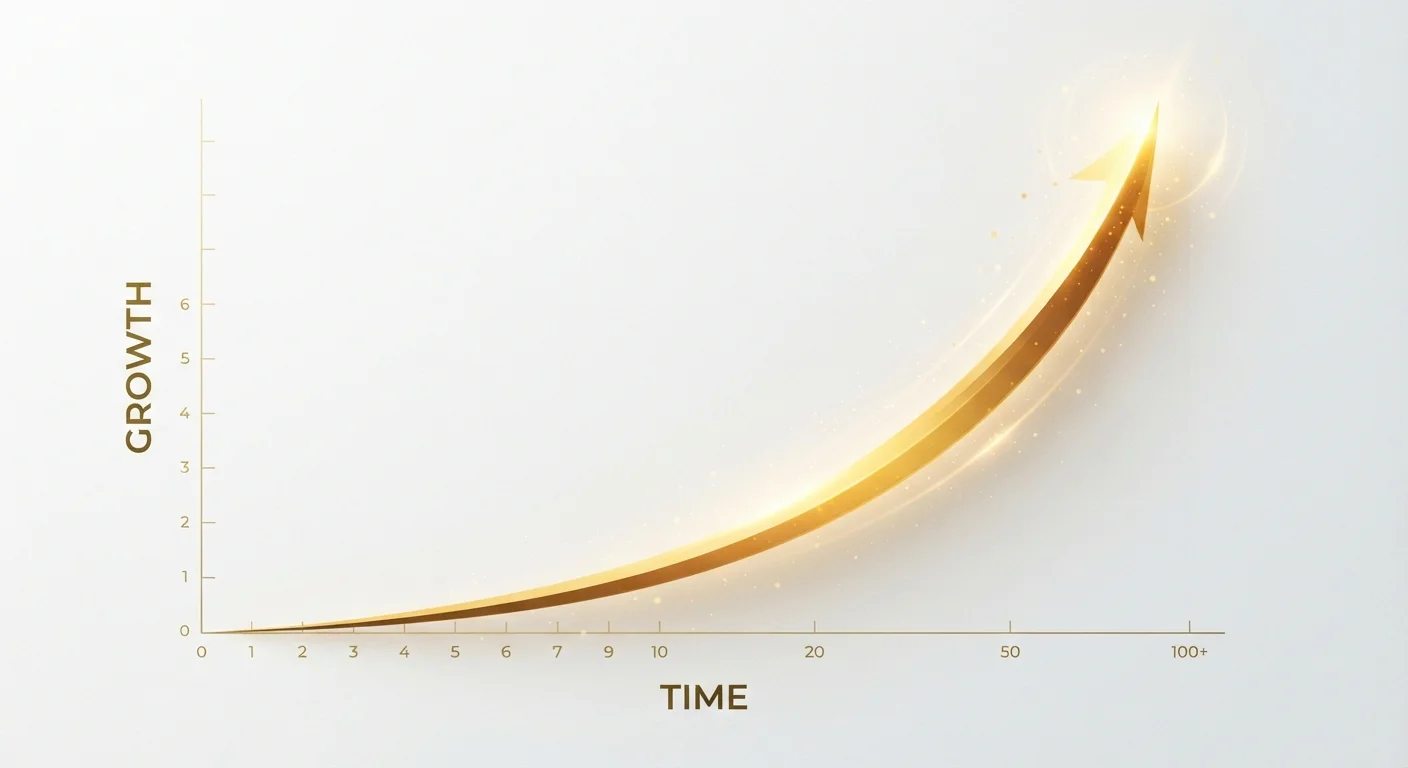
At its core, compounding is a simple idea: your earnings get added back to your balance, and then that larger balance earns the next round of returns. Repeat that cycle for years - or decades - and the numbers become striking.
Here's a concrete illustration. Suppose you invest $5,000 at a hypothetical 6% annual return. After year one, you've earned $300 in interest, bringing your balance to $5,300. In year two, you earn 6% on $5,300 - not just on the original $5,000. That extra $18 sounds trivial, but the same mechanism playing out year after year is what separates modest savers from people who retire with meaningful wealth.
This is fundamentally different from simple interest, where earnings are always calculated on the original principal only. With simple interest at 6%, you'd earn $300 every year, no more. With compounding, each year's earnings base is slightly larger than the last - and the gap widens dramatically over time.
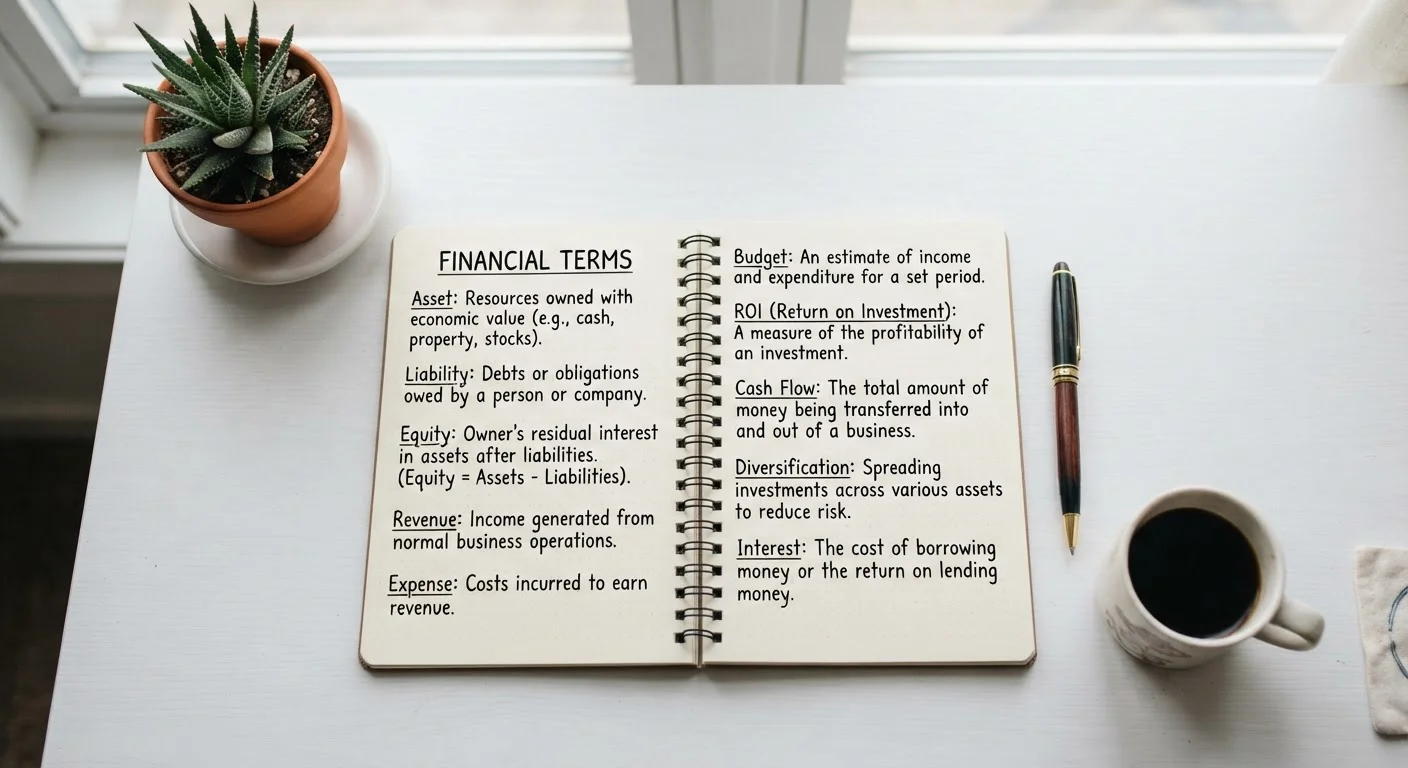
For a plain-language breakdown of key terms tied to this concept, see our savings vocabulary reference.
~$57,000
Hypothetical value of $10,000 at 6% over 30 years
Illustrative compound growth calculation assuming a consistent 6% annual return, no additional contributions, and no fees or taxes - for educational purposes only.
72 ÷ rate
Years to double money (Rule of 72)
A standard financial education shortcut: divide 72 by your annual growth rate to estimate how long it takes your balance to double.
10+ years
Typical compounding advantage of starting in your 20s vs. 30s
Based on commonly cited time-value-of-money illustrations used in financial literacy education to demonstrate the cost of delayed investing.
Why Starting Early Is the Single Most Powerful Move
Time is the engine that makes compounding extraordinary. Two investors contributing the same total dollar amount can end up with vastly different outcomes based solely on when they started.
Consider a simplified hypothetical: an investor who starts at 25 and contributes $200 a month for 10 years, then stops, versus one who starts at 35 and contributes $200 a month for 30 years straight. At a consistent hypothetical return, the earlier starter - who contributed far less total - often ends up with a comparable or larger balance. This isn't magic; it's the extra decades of compounding time doing the heavy lifting.
This is also why financial educators often describe time as a non-renewable resource in investing. You can always earn more money. You cannot recapture years of compounding you didn't use.
“Compound interest is the eighth wonder of the world. He who understands it, earns it; he who doesn't, pays it.”
— Widely attributed to Albert Einstein, This quote, though its precise origin is debated by historians, has long been used in financial education to illustrate the transformative power of compounding over time.
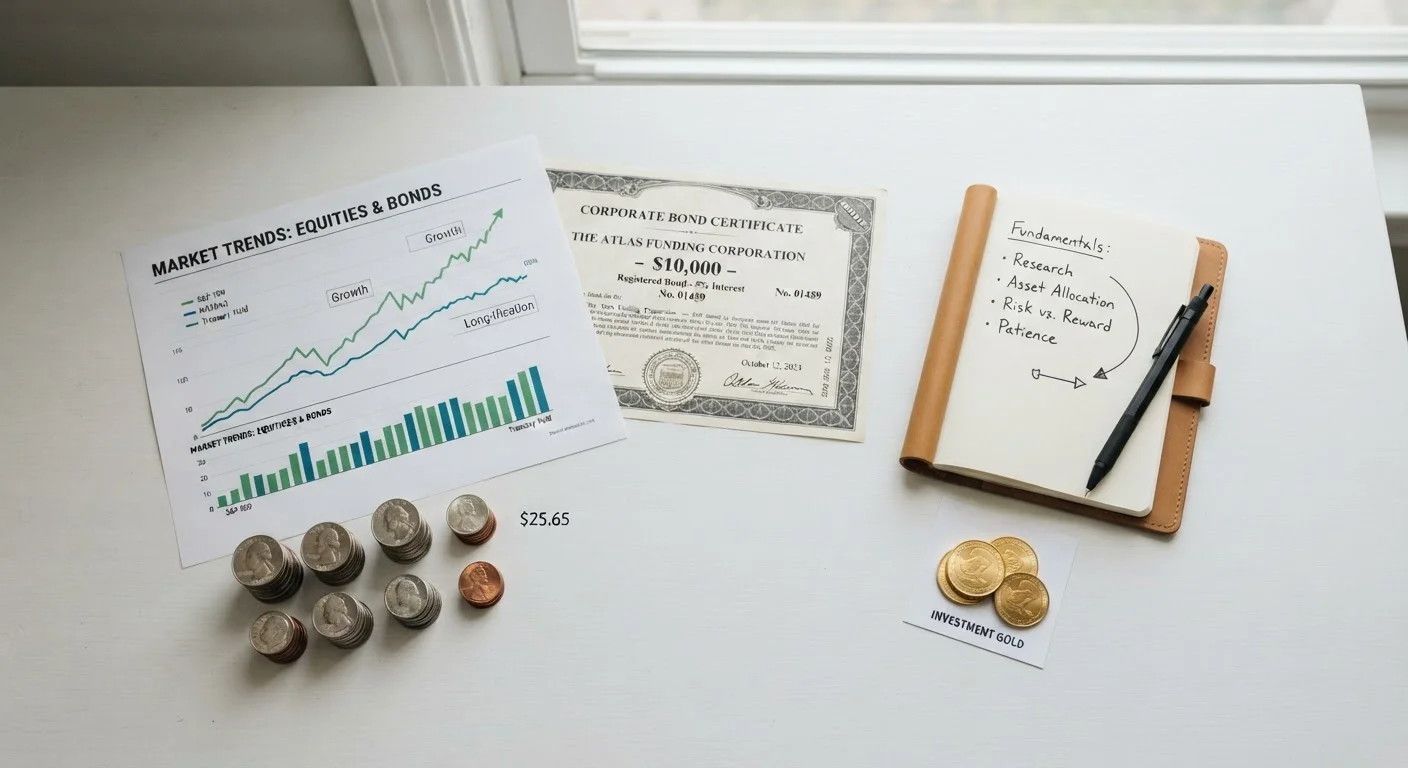
Before you can put compounding to work, it helps to understand what you're investing in. Our guide on stocks, bonds, and cash explains the core building blocks.
Where Compounding Helps You - and Where It Hurts
Compound interest is not inherently good or bad. It is a neutral mechanism that accelerates growth in whichever direction money is already moving.
On the asset side, compounding works in your favor inside tax-advantaged accounts like 401(k)s and IRAs, where returns can reinvest without immediate tax drag. It also works in high-yield savings accounts, though at lower rates than long-term investments typically produce.
On the liability side, compounding works against you. Credit card balances that carry month to month are compounding - often at rates of 20% or more annually. The same snowball effect that builds wealth in an investment account builds debt in a credit card balance. This is why paying down high-interest debt is often described as one of the highest guaranteed "returns" available - you're stopping compounding from working against you.
Make Compounding Automatic
The most reliable way to harness compound growth is to automate contributions so your investments grow without requiring a decision each month. Even modest recurring deposits compounded over decades produce results that one-time lump sums rarely match. Review contribution amounts annually as your income grows.
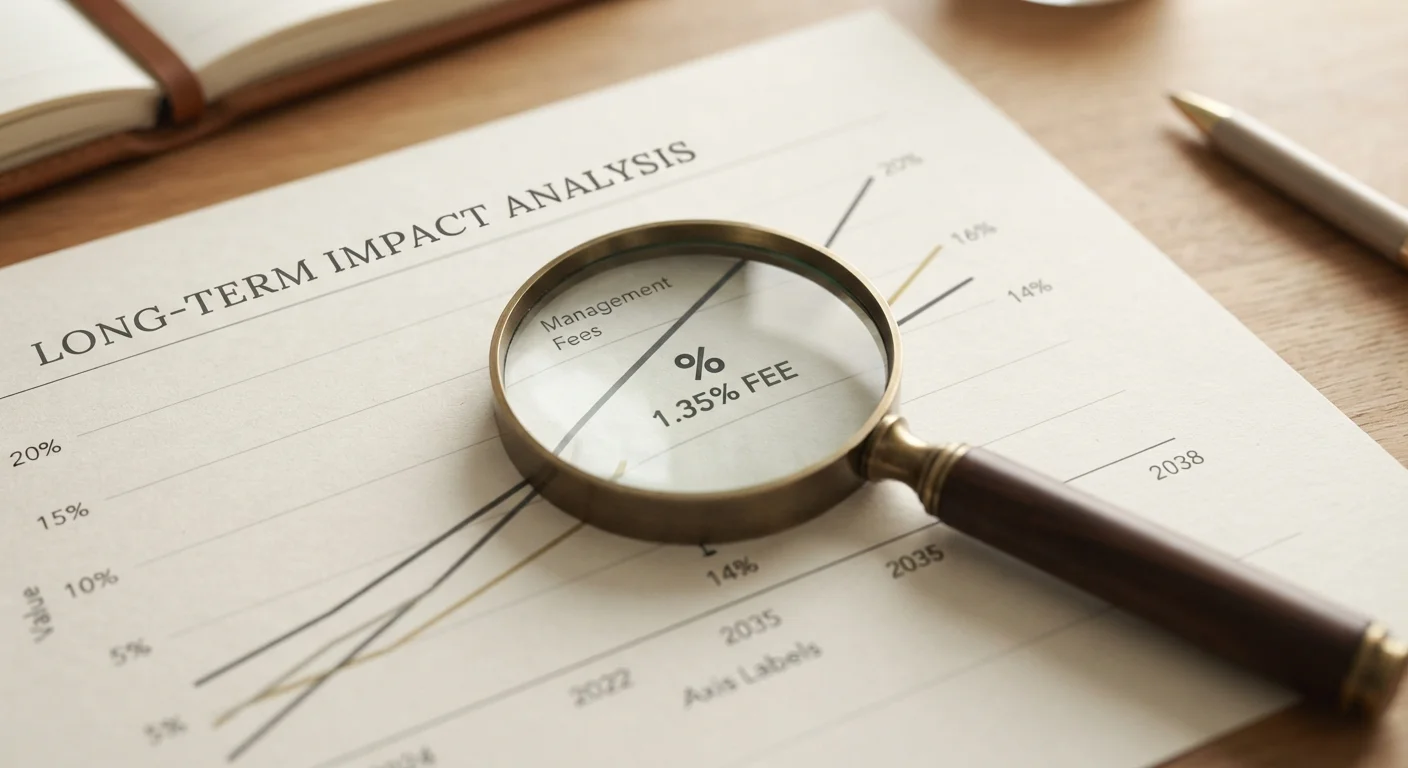
Fees work through the same compounding logic, only invisibly. A 1% annual investment fee reduces the balance that compounds every year. Over 30 years, this can meaningfully reduce total wealth. Our article on what investment fees are really costing you breaks down exactly how to calculate that impact.
The same principle applies in other financial products. If you've ever wondered what a car loan truly costs beyond the sticker price, see what a car loan actually costs over time.
This article is for general informational and educational purposes only and does not constitute personalized financial or investment advice. Consult a qualified financial professional before making decisions about your own financial situation.